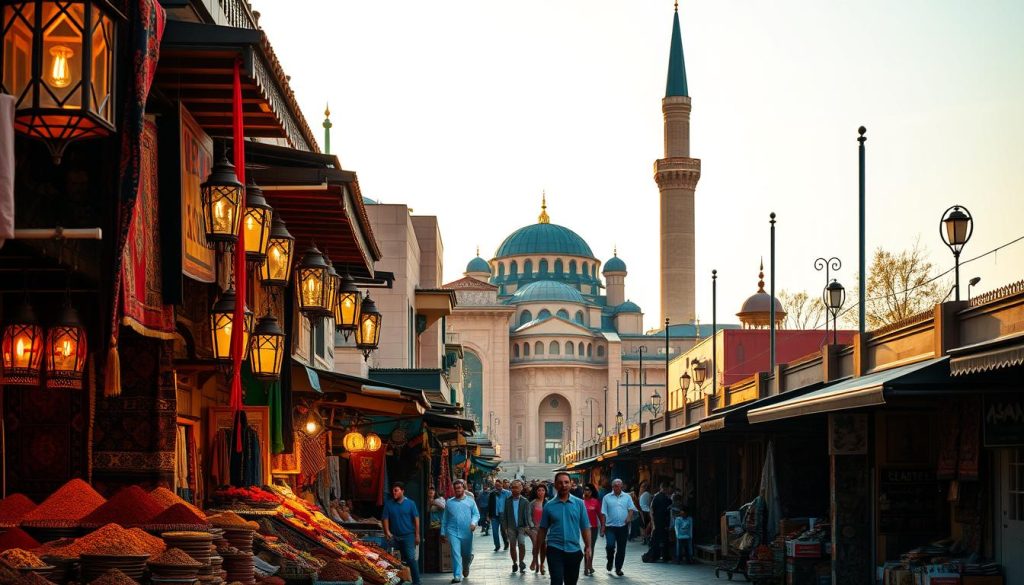
Casablanca, the economic hub of Morocco, is a city that seamlessly blends traditional and modern elements. Located on the Atlantic coast, it offers a unique travel experience. This experience combines history, culture, and contemporary life.
As travelers explore this fascinating city, they discover the enchanting secrets that make Casablanca so captivating. From its stunning architecture to its vibrant markets and delicious cuisine, there’s no shortage of exciting experiences to be had.
Whether you’re interested in history, culture, or simply enjoying the city’s energetic atmosphere, Casablanca has something for everyone. Its iconic status in Morocco makes it a must-visit destination for any traveler.
Key Takeaways
- Discover the blend of traditional and modern life in Casablanca.
- Explore the city’s stunning architecture and vibrant markets.
- Experience the unique culture and history of Morocco.
- Enjoy the delicious local cuisine and energetic atmosphere.
- Visit Casablanca for a mix of history, culture, and modern life.
The Rich History of Casablanca Through the Ages
From its humble beginnings as a small Berber settlement to its current status as a bustling metropolis, Casablanca’s history is complex and captivating. The city’s evolution over the centuries has been shaped by various cultures and colonial influences. This has left behind a rich tapestry of architectural, cultural, and historical landmarks.
From Ancient Berber Settlement to Portuguese Harbor
Casablanca’s origins date back to the 7th century when it was a small Berber settlement known as Anfa. The strategic location of Anfa on the Atlantic coast made it an attractive spot for various conquerors and traders. By the 15th century, the Portuguese had established a significant presence, renaming it Casa Branca. The Portuguese influence during this period is still visible in some of the city’s architectural remnants.
| Period | Significant Events | Cultural Influence |
| 7th Century | Establishment as a Berber settlement | Berber culture |
| 15th Century | Portuguese colonization | Portuguese architecture and culture |
| 19th Century | French colonization | French urban planning and culture |
French Colonial Influence and Modern Development
The French colonial period in the 19th century marked a significant turning point in Casablanca’s history, transforming it into a modern city. The French influence is evident in the city’s urban planning, architecture, and cultural practices. The city’s economic growth during this period was substantial, driven by the expansion of the port and the establishment of Casablanca as a major commercial center.
Today, Casablanca stands as a testament to its rich and varied history, blending traditional Moroccan culture with the legacies of its colonial past. The city’s modern development continues to be influenced by its historical heritage, making it a unique and fascinating place to explore.
Must-Visit Landmarks in Casablanca
Casablanca, Morocco’s vibrant city, has many iconic landmarks. These landmarks show the city’s mix of old and new. They reflect Casablanca’s history and architectural growth.
Hassan II Mosque: A Masterpiece by the Ocean
The Hassan II Mosque is a key landmark in Casablanca. It’s a modern Islamic architecture marvel. Built on a rocky outcrop overlooking the Atlantic Ocean, it’s a symbol of the city’s culture and religion. Its 210-meter tall minaret is among the tallest in the world, standing out in Casablanca’s skyline.
Mohammed V Square and Art Deco District
Mohammed V Square is a historic spot in Casablanca’s heart. It’s surrounded by Art Deco buildings. The square is a hub of activity, with beautiful gardens and important buildings like the City Hall and Law Courts. The Art Deco District adds to the area’s charm, making it a must-see for architecture and history fans.
The Royal Palace and Habous Quarter
The Royal Palace is a key landmark, showing the Moroccan monarchy’s presence in Casablanca. Nearby, the Habous Quarter, or New Medina, is a place of traditional Moroccan craftsmanship. The quarter is filled with narrow streets, shops, and workshops, giving a peek into traditional Moroccan life.
Exploring Casablanca’s Vibrant Neighborhoods
Casablanca’s neighborhoods are diverse and fascinating. Each has its own character. From the Old Medina’s historic charm to Ain Diab’s luxury, and from Maarif’s shopping to Anfa’s upscale living, Casablanca’s neighborhoods offer a wide range of experiences.
The Old Medina: A Glimpse into Traditional Life
The Old Medina is a window into Casablanca’s past. It shows traditional Moroccan life. Narrow streets, bustling markets, and landmarks like the Habous Quarter make it a must-see. Visitors can dive into local culture, explore souks, and enjoy traditional cuisine.
Ain Diab: Beachfront Luxury and Leisure
Ain Diab is Casablanca’s top beachfront spot. It’s known for luxury hotels, upscale dining, and lively nightlife. The area has beautiful beaches, promenades, and water sports, perfect for relaxation. Visitors can enjoy walks, dining, or sunbathing on the beach.
Maarif: Shopping and Entertainment Hub
Maarif is a dynamic neighborhood in Casablanca. It’s famous for shopping centers, entertainment, and cultural spots. The area has many boutiques, cafes, and restaurants, appealing to all. From shopping at the Maarif Shopping Center to enjoying a movie, Maarif has something for everyone.
Anfa: Upscale Residential Area with Character
Anfa is an upscale area known for elegance and a relaxed vibe. It’s famous for its beautiful villas, trendy cafes, and boutique shops. Anfa is a favorite among locals and expats for its blend of sophistication and casual charm, perfect for exploring on foot.
Casablanca’s neighborhoods show the city’s rich culture and mix of old and new. Each neighborhood offers a unique view of the city, making exploration rewarding.
Culinary Delights: Tasting Your Way Through Casablanca
From the aromatic spices of traditional Moroccan dishes to the freshest seafood, Casablanca is a food lover’s paradise.
Casablanca’s culinary scene is a mix of its rich cultural heritage and modern twists. The city’s location on the Atlantic coast adds a special touch, with a focus on fresh seafood and local ingredients.
Traditional Moroccan Cuisine with a Coastal Twist
Traditional Moroccan cuisine in Casablanca is known for its rich flavors and vibrant colors. Dishes like tagines, couscous, and pastilla are common, often with a coastal twist. Moroccan cuisine combines Mediterranean, Arab, and Berber influences, offering a unique taste experience.
Seafood Specialties and Local Markets
The city’s close to the ocean, making it perfect for seafood lovers. You can find everything from grilled fish to seafood tagines. Local markets like the Habous quarter and the Central Market offer fresh produce and local delicacies.
Café Culture and International Dining Scene
Casablanca’s café culture is a big part of its social life. Cafés are more than just places for coffee; they’re where people socialize and enjoy local and international food. The city has a wide range of dining options, from French and Italian to Asian and Middle Eastern.
Exploring Casablanca’s food scene is an adventure. You’ll get a taste of the city’s history, culture, and hospitality. Whether you’re trying traditional Moroccan dishes, fresh seafood, or enjoying a coffee, the experience will leave a lasting impression.
Contemporary Life and Culture in Casablanca
The city’s cultural scene is vibrant and diverse, showing Casablanca’s role as Morocco’s cultural hub. It’s a place where tradition meets modernity, creating a unique cultural identity.
Art Galleries and Cultural Centers
Casablanca has a thriving art scene, with many galleries showcasing local and international artists. Cultural centers are hubs for creativity, hosting exhibitions, workshops, and events that celebrate Moroccan culture and contemporary art.
The Museum of Moroccan Judaism offers insights into the Jewish community’s history and culture in Morocco. The Casablanca Art Center is a key venue for contemporary art exhibitions and cultural events.
“Casablanca’s art scene is a reflection of the city’s diverse cultural heritage, blending traditional and modern influences.” – Local Art Critic.
Shopping Experiences: From Traditional Souks to Modern Malls
Casablanca offers a wide range of shopping experiences, from traditional souks to modern malls. The Habous Quarter is famous for its traditional souks, where you can find unique handicrafts, textiles, and local goods.
On the other hand, modern malls like AnfaPlace Mall and Maarif District’s shopping centers offer international brands, dining, and entertainment. They cater to different tastes and preferences.
| Shopping Destination | Type | Notable Features |
| Habous Quarter | Traditional Souk | Handicrafts, Textiles, Local Goods |
| AnfaPlace Mall | Modern Mall | International Brands, Dining, Entertainment |
| Maarif District | Shopping District | A variety of Stores, Cafes, and Restaurants |
Casablanca’s Thriving Nightlife
Casablanca’s nightlife is lively and varied. You can find everything from rooftop bars to nightclubs. The Ain Diab area is especially popular for its beachside bars and clubs. They offer a fun atmosphere and stunning views of the Atlantic Ocean.
- Rooftop bars with panoramic views
- Nightclubs featuring local and international DJs
- Live music venues showcasing Moroccan and international artists
Annual Festivals and Events
Casablanca hosts many festivals and events all year. The Casablanca International Film Festival is a big highlight. It draws filmmakers and cinema fans from all over.
Other notable events include the Casablanca Jazz Festival and cultural exhibitions at museums and cultural centers.
Practical Travel Tips for Visiting Casablanca
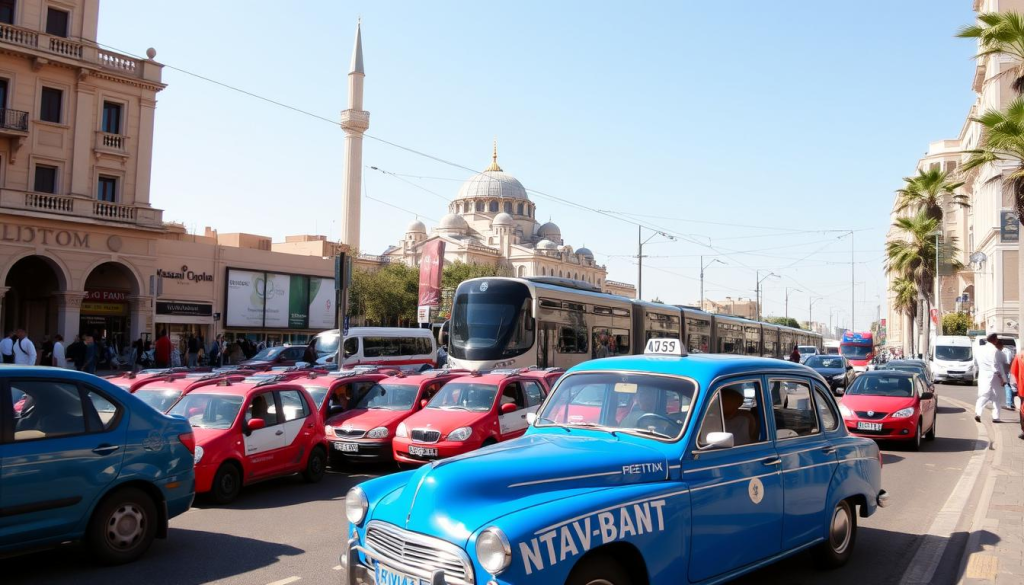
To make your trip to Casablanca memorable and stress-free, follow these travel tips.
Best Times to Visit and Weather Considerations
Casablanca has a Mediterranean climate. Winters are mild, and summers are warm. The best time to visit is spring (March to May) and autumn (September to November). During these seasons, the weather is pleasant, with temperatures between 18°C and 25°C.
Summer can be hot, with temperatures over 30°C. Winters are mild, rarely below 10°C. It’s best to avoid summer if you don’t like the heat.
Transportation Options Within and To Casablanca
Casablanca is connected internationally through its Mohammed V International Airport. Several transportation options are available to get you to your destination.
Taxis are easy to find outside the airport. Use “grands taxis” for longer trips and “petits taxis” for shorter ones. The city also has a tramway system for easy travel.
Accommodation Options for Every Budget
Casablanca has many accommodation options for all budgets. For luxury, choose hotels like the Four Seasons Hotel Casablanca or The Ritz-Carlton, Casablanca. They offer great amenities and services.
If you’re on a budget, there are mid-range hotels and riads. They provide comfortable stays at affordable prices. Booking early is wise, especially during peak travel seasons.
Day Trips from Casablanca
While Casablanca is worth exploring, there are great day trip options too. Rabat, Morocco’s capital, is a popular choice. It’s known for its historical sites and cultural landmarks.
Mohammedia, about 20 kilometers north of Casablanca, is famous for its beaches and surfing. Azemmour, with its rich history and beautiful landscapes, is another great day trip spot.
Safety Tips and Cultural Etiquette
When traveling to Casablanca, knowing some safety tips and cultural norms is key. Morocco is mostly safe, but watch out for petty theft and scams in crowded spots.
Dress modestly, especially when visiting mosques or rural areas. It shows respect for local customs. Learning basic Arabic phrases like “hello” and “thank you” can also help you connect with locals.
Conclusion: The Timeless Allure of Casablanca
Casablanca is Morocco’s vibrant economic hub, blending tradition and modernity. It’s a city that offers a unique travel experience. From its rich history to its stunning landmarks like the Hassan II Mosque, there’s something for everyone.
Exploring Casablanca’s diverse neighborhoods, like the historic Old Medina and Ain Diab beach, reveals Moroccan culture. The city’s food, including seafood and traditional dishes, adds to the experience.
Whether you’re into history, culture, or just enjoying the city’s vibe, Casablanca has it all. It promises an unforgettable journey, inviting you to discover its secrets and experience Moroccan hospitality.
Plan your trip to Casablanca and dive into its timeless allure. The mix of traditional and modern Morocco will give you memories to cherish.
FAQ
What is the best time to visit Casablanca?
The best time to visit Casablanca is in spring (March to May) and autumn (September to November). The weather is mild and perfect for exploring the city’s sights.
How do I get to Casablanca?
Casablanca is easy to reach by air, with Mohammed V International Airport being a major hub. You can also get there by train or bus from other Moroccan cities or by ferry from Europe.
What are the must-try dishes in Casablanca?
Try traditional Moroccan dishes like tagine, couscous, and fresh seafood in Casablanca. Don’t miss grilled sardines and pastilla, a savory pie with layers of pastry and meat.
Is Casablanca a safe city for tourists?
Casablanca is generally safe for tourists, with low crime rates. Still, it’s wise to take precautions, especially in crowded areas and at night.
What are the top attractions to visit in Casablanca?
Top attractions in Casablanca include the Hassan II Mosque and Mohammed V Square. Also, visit the Royal Palace and explore the Old Medina and Ain Diab. Don’t forget the city’s art galleries, cultural centers, and souks.
Can I use public transportation in Casablanca?
Yes, Casablanca has a good public transport system, with buses and trams. Taxis and ride-hailing services like Uber and Careem are also available.
What is the local currency, and can I use credit cards?
The local currency in Casablanca is the Moroccan dirham. Many places accept credit cards, but having some dirhams for small purchases and markets is wise.
Are there any cultural etiquette tips I should be aware of?
When you visit Casablanca, it’s key to respect local customs and traditions. Dress modestly, especially when you go to mosques or traditional spots. Also, be careful with your body language and actions.
When you meet locals, say hello or “as-salamu alaykum” (peace be upon you). And when you give or receive something, shake hands or use your right hand.
Can I explore Casablanca on my own, or should I hire a guide?
Exploring Casablanca by yourself is doable. But, getting a guide can really help you understand the city better. Guides share important insights and guide you through the city’s areas and sights.