





China’s AR Glasses Revolution: Why Wigain’s Omnision XR Glasses Are Outpacing Meta’s Orion
In the fast-evolving world of augmented reality (AR) technology, Chinese innovators are stealing the spotlight, leaving tech giants like Meta scrambling to catch up. If you’re searching for the latest in AR glasses, you’ve likely heard whispers about Meta’s highly anticipated Orion project. But while we’re all waiting for that 2027 debut, companies in China are already delivering game-changing products. Enter Wigain’s Omnision XR glasses – a sleek, feature-packed device that’s not just conceptual but ready for mass production. This shift highlights how Chinese AR glasses are redefining innovation, making Meta’s future look a bit… uncertain.

China’s Wild World of AR Glasses Has Me Convinced Meta Is Cooked
The Rise of Chinese AR Glasses: Wigain’s Omnision XR Takes Center Stage
China’s AR glasses market is booming, with companies pushing boundaries that Western counterparts are still dreaming about. Wigain has unveiled the Omnision XR glasses, boasting full-color optical waveguide lenses that deliver vibrant visuals even in bright outdoor conditions. No more squinting at dim displays – these are designed for real-world use, whether you’re navigating city streets or working in sunny environments.
The specs speak for themselves:
- Field of View: A generous 50 degrees for an immersive experience.
- Display: Sony Micro-OLED with 800p resolution for sharp, clear overlays.
- Processor: Powered by Qualcomm’s XR2 Gen 1 chipset for smooth performance.
- Connectivity: Comes with a Wi-Fi 7-equipped station using Gen 2 tech.
- Battery Life: Over six hours of continuous use.
- Design and Weight: Stylish and lightweight at under 120 grams, making them comfortable for all-day wear.
What sets these apart? Wigain isn’t just teasing prototypes; they’ve demoed the Omnision XR at events like the Osaka expo and are even accepting pre-orders. This level of readiness is a stark contrast to the hype surrounding Meta’s Orion AR glasses, which remain in development without a firm consumer release date. As AR glasses enthusiasts know, optical waveguide technology is key for bright, outdoor-friendly displays, and Wigain claims they’ve nailed it for mass production.

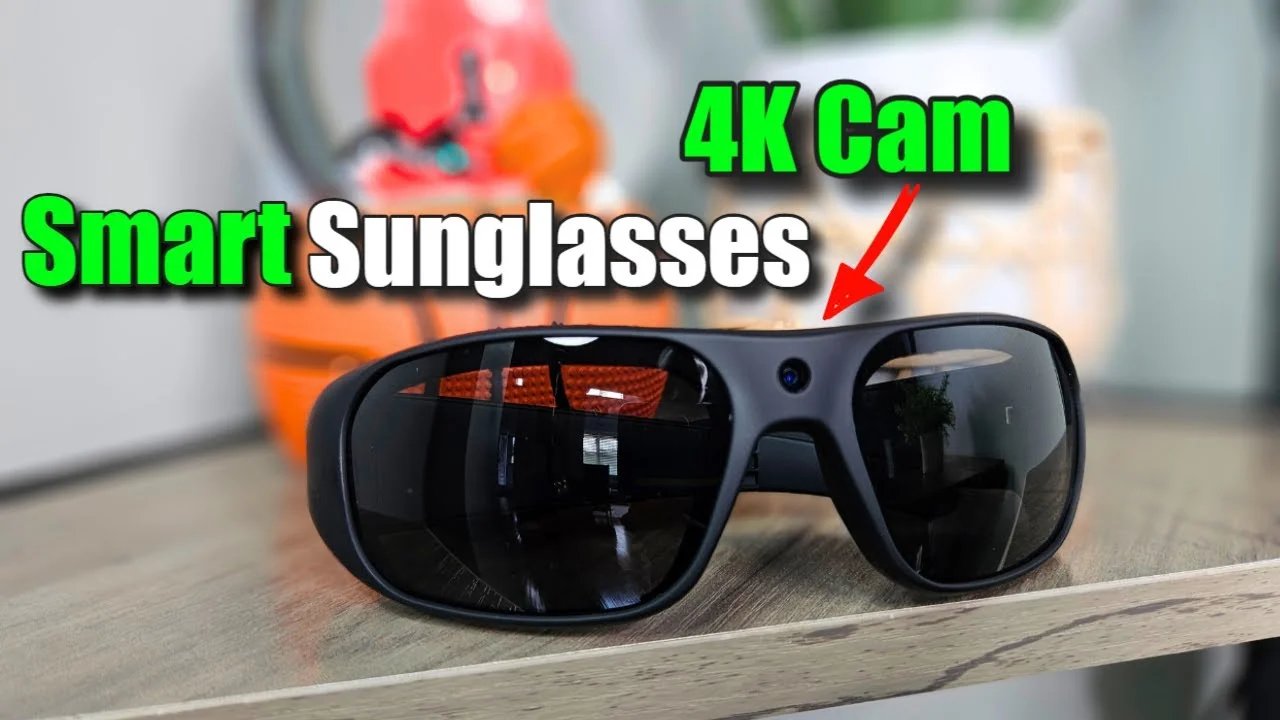
OHO Sunshine | Best 4K Video Smart Sunglasses!
Why Meta’s Orion AR Glasses Might Be Playing Catch-Up
Meta has poured billions into Reality Labs, yet their Orion AR glasses – touted as a “dream product” – are still years away. Rumors suggest a 2027 launch, but in the meantime, Chinese AR glasses like the Omnision XR are already addressing pain points that Meta has struggled with, such as outdoor usability and lightweight design.
Imagine slipping on glasses that blend digital overlays seamlessly with the real world, without feeling like you’re wearing a brick on your face. Wigain’s focus on practicality could force Meta to rethink their strategy. Zuckerberg’s investments might be yielding innovative tech, but if Chinese companies beat them to market with affordable, production-ready AR glasses, the competitive landscape shifts dramatically.
For context, Meta’s Orion concept promises advanced neural interfaces and holographic displays, but prototypes have been limited to internal demos. In contrast, Wigain’s Omnision XR is positioned as versatile augmented reality eyewear, suitable for professionals and everyday users alike.

I Wore Meta’s Orion AR Glasses: A Wireless Taste of a Neural …
The Broader Implications for AR Technology Innovation
This surge in Chinese AR glasses isn’t just about one product; it’s a sign of accelerating global competition. While skepticism is healthy – after all, real-world performance needs to match the specs – early demos suggest Wigain is onto something big. If these glasses live up to the hype, they could democratize AR technology, making it accessible beyond tech enthusiasts.
As a consumer, it’s exciting to see innovation coming from unexpected places. Western tech giants like Meta have the resources, but agility and speed to market are where China excels. Perhaps it’s time for Zuckerberg and team to look eastward for inspiration.
A Personal Reflection: The Future of AR Glasses Feels Closer Than Ever
Wrapping this up, I can’t help but feel a mix of excitement and impatience. Growing up with sci-fi dreams of holographic worlds overlaying reality, seeing products like Wigain’s Omnision XR hit the market makes that future tangible. It’s not perfect – no tech is – but it’s a step forward that reminds us innovation thrives on competition. Meta’s Orion might still wow us in 2027, but right now, the real action is happening in China. If you’re eyeing AR glasses, keep an eye on these developments; they might just change how we interact with the world around us. Who knows? Maybe one day, we’ll all be wearing them without a second thought, blending digital and physical seamlessly in our daily lives.
FAQ: Common Questions About Chinese AR Glasses and Meta’s Competition
What are the key features of Wigain’s Omnision XR AR glasses?
The Omnision XR boasts a 50-degree field of view, Sony Micro-OLED display with 800p resolution, Qualcomm XR2 Gen 1 processor, over six hours of battery life, and a lightweight design under 120 grams. It’s designed for outdoor use with bright, full-color optical waveguides.
When will Meta’s Orion AR glasses be available?
Meta’s Orion AR glasses are rumored for a 2027 release, but details remain scarce as they’re still in the prototype phase.
How do Chinese AR glasses compare to Meta’s offerings?
Chinese options like Wigain’s are often more affordable, production-ready, and focused on practical features like outdoor brightness and comfort, while Meta emphasizes advanced neural tech but lags in market availability.
Are Wigain Omnision XR glasses available for purchase?
Yes, Wigain is taking pre-orders, and they’ve demoed the glasses at expos, indicating they’re geared toward mass production.
Why is outdoor usability important for AR glasses?
AR glasses need to handle bright sunlight to be practical for everyday use, like navigation or work. Wigain’s optical waveguide tech addresses this, making them versatile beyond indoor settings.
Is AR technology ready for mainstream adoption?
With advancements like those from Chinese companies, AR is getting closer. However, challenges like battery life, privacy, and app ecosystems still need addressing for widespread use.

Health & Wellness Writer | Research-Informed Health Content Creator
A.K.M. Monjurul Hoque is a health and wellness writer specializing in health, beauty, fitness, nutrition and healthy living. His content is informed by health journals, books, seminars, training programs, and discussions with experienced healthcare professionals. He writes clear, practical and research-informed articles for general education and encourages readers to seek personalized advice from qualified medical professionals.