Digital Twin Technology is revolutionising the smart industries. It allows for real time simulation and analysis.
Digital twin is becoming a key technology in the smart industry. This tech reproduces physical systems virtually. It facilitates companies testing and optimizing processes without the need for physical testing. Digital twin technology holds a promising future in the realm of smart industries, offering opportunities for efficiency and innovation.
It enables predictive maintenance, thereby minimizing downtime and costs. With the evolution of industries, digital twin integration becomes necessary. The technology can be used for smart manufacturing, energy management and urban planning. It also improves accuracy of operations and decision making. As digital twins continue to progress, they will play a key role in transforming the smart industry into an even more resilient and adaptive industry. Watch this space, and see how this technology will change the face of industry.
Digital Twin Technology is rising
The concept of digital twin began as early as in the year 2000. Firstly it began in the aerospace sector. The engineers created virtual models of real objects. This facilitated testing and development. Eventually, other industries used this technology. Nowadays, it finds application in a variety of areas. These involve healthcare, manufacturing and urban planning. Digital twins have grown more advanced.They provide real-time data and analytics.
There are many benefits to digital twins. They fall under the category of increasing efficiency and productivity. They help in predictive maintenance. This is to prevent issues from happening. Digital twins also enhance decision-making. They offer a lot of insight. Digital twins have diverse applications. They are used in manufacturing to optimise production. They are employed in healthcare for monitoring patients. They are applied in smart cities for urban planning. Digital twin is an important innovation.

Impact On Smart Industries
The digital twin can be used for predictive maintenance. This decreases the downtime in factories. It also helps in enhancing the production speed. Digital twins make quality control much easier. They provide real-time monitoring of machines. This technology is useful in the development of improved products. Processes can be simulated in factories to achieve better results. This translates to reduced waste and enhanced efficiency. Digital Twins are overall making manufacturing smarter.

Energy consumption can be monitored in detail using digital twins. This will help minimize energy waste.Factories can energy optimally managed. This results in reduced expenditures. The digital twins can be used to predict energy needs. This prevents waste of energy. This technology is used in smart grids. They’re able to better manage energy supply and demand. This results in more efficient energy use. Digital twins help to improve the sustainability of energy management.
Future Prospects
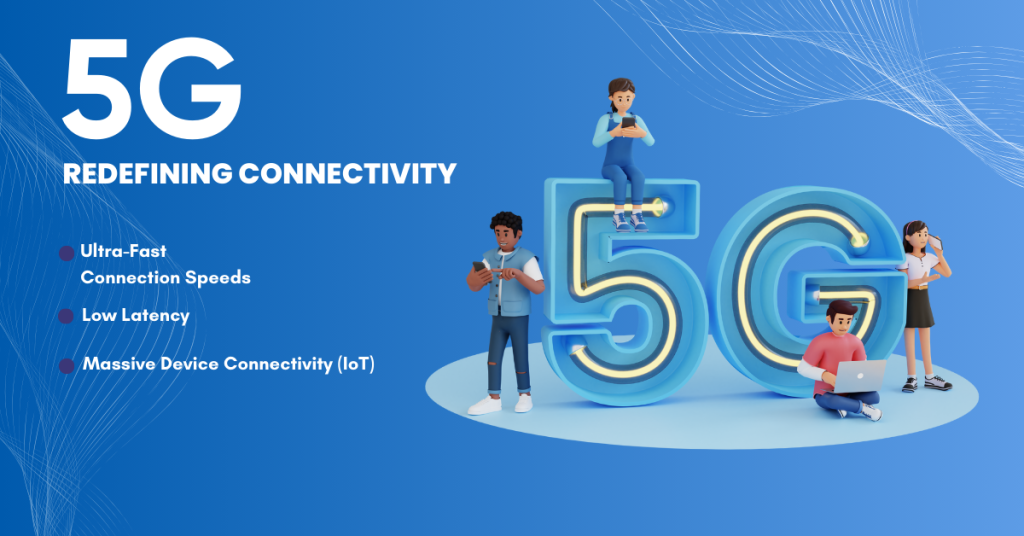
Digital twins are increasingly used in smart industry. These virtual representations can be used to monitor and predict real-world conditions. Digital twins are smarter with AI and machine learning. Now they are able to analyse data and give insights. IoT devices are connected to digital twins to provide real-time updates. The integration streamlines and optimizes operations. These connections will be faster with the help of 5G technology. It will also enable real-time interactions to a greater extent. Emphasis on sustainability and energy efficiency. Digital twins can be used to minimize waste and save energy. Businesses employ them to boost productivity and minimize downtime.
A challenge is the cost of digital twin implementation. It is a product that may be difficult for small companies to afford. Security of data is also an issue. It is important to safeguard sensitive information. Interoperability becomes an issue when the systems don’t communicate with each other. This can put a strain on processes. There is a need for more skilled professionals to manage digital twins. There’s a shortage of such experts. However, there are a lot of opportunities. Decision making is one of the things that’s better. Digital twins give valuable insights. They can assist in predicting problems before they occur. This avoids downtime and can save money. Tailored solutions can be provided with customization. Every business may have a twin to suit its requirements.

Frequently Asked Questions
Conclusion
Smart industry is a potential application of digital twin technology. It has a tremendous potential. Better efficiency and innovation can be expected in the industries. Using real time data helps decision making. This results in safe operations. Digital twins help make smart industries smarter. The outlook is good. Welcome this technology to reinforce tomorrow’s development.