Smartphones are far and wide. They fit in pockets and prisoner moments incontinently. Advanced cameras offer ease and convenience. Numerous questions if they can match the quality of DSLRs. DSLRs have long been the choice for serious shutterbugs. They offer superior image quality and control.
Yet, smartphones are catching up with new technology. Can a small device contend with a professional camera? This blog explores the rise of smartphone photography. It looks at the strengths and sins of both. By the end, you will know if smartphones can compete with DSLRs for your photography needs.
preface to Smartphone Photography
Smartphone cameras have changed a lot. Beforehand, phones had low-quality cameras. Now, smartphone cameras are excellent. They have high resolution and numerous features. Binary lenses and AI advancements make prints look great. Numerous people use phones for prints now.
Smartphone photography is very popular. Most people have smartphones. They can take prints anytime. It’s easy to partake in prints on social media. Numerous people prefer smartphones over DSLRs. Phones are small and light. They fit in pockets. Smartphone cameras are perfecting presto. New models come out every time.

Credit: discover.hubpages.com
Advantages of Smartphone Photography
Smartphones are small and easy to carry. You can fit one in your fund. You don’t need heavy bags or redundant gear. They’re always with you. So, you can take prints anytime. This makes them veritably accessible.
Smartphones connect to the internet. You can take prints right down. Social media apps are erected in. It’s easy to upload and partake with musketeers. You can also store prints in the pall. This keeps your recollections safe. You can pierce them from anywhere.
Technological Advancements in Smartphone Cameras
Smartphone cameras have seen big changes. Detectors are now more important. They can capture further light and detail. Lenses are also better. Some phones have multiple lenses. Each lens has a different purpose. One for wide shots. Another for close-ups. This makes prints look more professional.
AI helps in taking good film land. It adjusts settings automatically. Makes colors look natural. Fixes vague images. Computational photography is also crucial. It combines numerous images into one. This is done for better quality. Indeed in low light. It’s like having a mini print editor in your fund.
Comparing Image Quality: Smartphones Vs. DSLRs
Smartphones at the moment have high-megapixel cameras. They can capture a lot of detail. DSLRs still lead in image quality. They’ve larger detectors. This means further clarity and sharpness in prints. Smartphones are perfecting presto. But for professionals, DSLRs are still stylish.
Low-light prints are tricky. Smartphones frequently struggle in dark settings. DSLRs handle low light more. They’ve bigger detectors and better lenses. This means clearer and brighter prints. Smartphones use software to fix this. They add light and detail. But DSLRs still have an edge in dark places.
Versatility and Use Cases
Smartphone photography offers inconceivable versatility. Perfect for everyday moments and trips, it challenges the part of traditional DSLRs. This shift sparks curiosity about the future of professional photography tools.
Everyday Photography
Smartphones are easy to carry. They fit in your fund. You can take prints anywhere. Snap quick shots of diurnal life. Capture moments with musketeers and family. Share prints incontinently on social media. No need for the redundant outfit. Phones have good cameras now. They have numerous features like pollutants and goods. This makes taking prints fun and creative. You can edit prints on the phone itself. Smartphones are great for everyday use.
Professional Use Cases
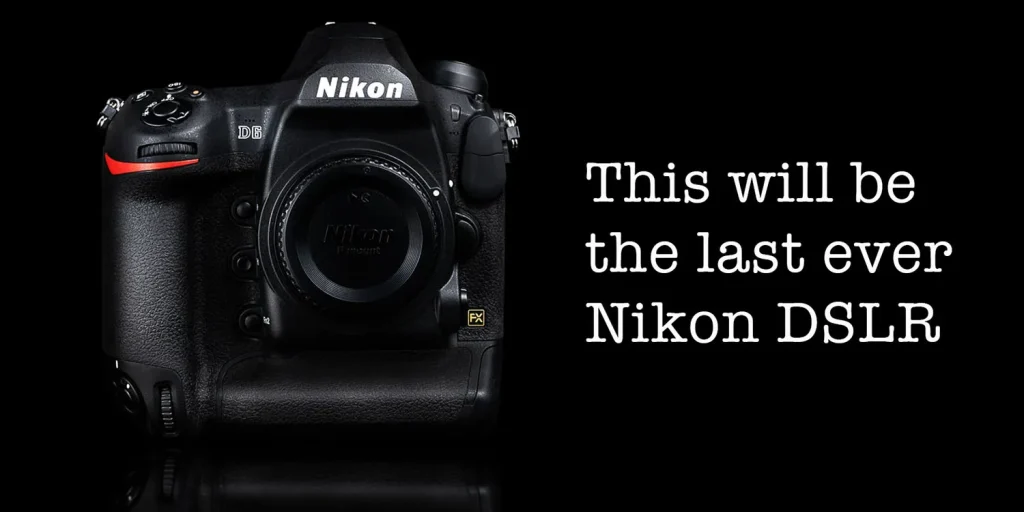
Professional shutterbugs still prefer DSLRs. They offer better image quality. DSLRs have further control options. They work well in low light. But smartphones are perfecting. Some professionals use them for quick shots. They’re great for social media content. Easy to carry on passages. Some phones now have multiple lenses. This helps to take better prints. Smartphones are becoming a useful tool. Yet, DSLRs remain the top choice for serious work.
Credit: 9to5mac.com
Limitations of Smartphone Photography
Smartphone photography offers convenience yet struggles in low-light conditions. Limited homemade controls hamper cultural inflexibility. Small detectors compromise image quality.
Battery Life
Smartphones can run out of battery quickly. Taking numerous prints drains power. Long print sessions need redundant power banks. Charging frequently becomes a must-have. Keeping your phone alive becomes a challenge.
Storage Constraints
Phones have limited storage space. Prints and videos take up a lot of room. High-quality images need further space. Running out of storehouses is common. Pall storehouse is a result, but it needs data or Wi-Fi.
The Future of Smartphone Photography
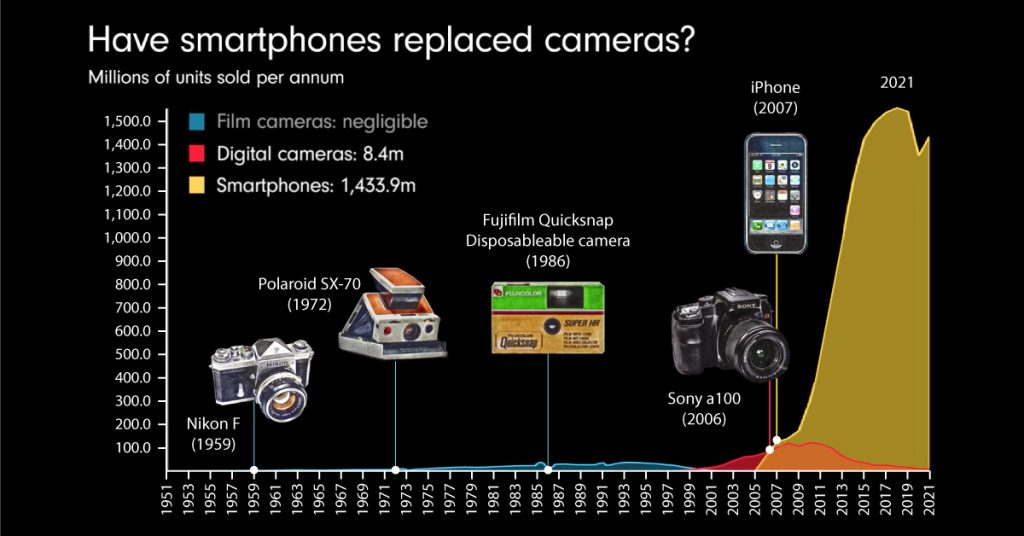
Smartphones are getting better cameras each time. Newer models have more megapixels and advanced lenses. AI technology helps druggies take amazing prints. Phones can now edit prints right after you take them. This saves time and makes it easy to partake.
Fewer people are using smartphones for everyday photography. DSLR cameras are still popular among professionals. Still, numerous druggies find smartphones more accessible. They’re light and fit in your hand. This trend may change the camera request in the future.
Credit: www.visualcapitalist.com
Frequently Asked Questions
Can smartphone cameras match DSLR quality?
Smartphone cameras have improved significantly. They offer high resolution, advanced software, and multiple lenses. Still, DSLRs excel in low-light conditions and offer better homemade controls.
Are Smartphones Replacing DSLRs for Professionals?
Numerous professionals use smartphones for convenience. Still, DSLRs remain favored for high-quality and technical photography requirements due to their superior optics and versatility.
Do Smartphones Offer Homemade Controls Like DSLRs?
Ultramodern smartphones offer expansive homemade controls. Druids can acclimate settings like ISO, shutter speed, and focus. Still, DSLRs give more precise and comprehensive control options for educated shutterbugs.
Conclusion
Smartphone photography has grown fleetly. It offers convenience and great quality. DSLRs still give further control and versatility. Both have unique advantages. Choosing depends on your requirements. For casual use, smartphones are excellent. For professional work, DSLRs remain superior. Technology keeps evolving.