Genetics promises a lot for our future. But, it also has its challenges.
The study of genetics is advancing rapidly. These advances bring potential for improved health, personalized medicine, and understanding our biological makeup. Yet, there are also risks and ethical concerns. How will genetic knowledge shape our society? This question is important as we move forward.
Understanding both the benefits and drawbacks of genetic research helps us make informed choices. It’s crucial to weigh the positives and negatives. Let’s explore what the future holds for genetics and its impact on our lives. This journey may help us prepare for the changes ahead and address the concerns that come with new scientific discoveries.

Genetics And Future Society
The field of genetics is rapidly advancing, promising significant impacts on future society. Understanding the pros and cons of genetics is essential. This blog post delves into how genetics will shape our culture and the ethical considerations we must keep in mind. Genetics and future society will undoubtedly be intertwined, leading to both opportunities and challenges.
Cultural Shifts
Genetics will lead to many cultural shifts in our society. One of the most significant changes will be in healthcare. Personalized medicine will become more common. Treatments will be tailored to an individual’s genetic makeup. This means better outcomes for patients.
There will also be changes in how we view family planning. Genetic testing can help parents understand potential genetic issues. This can lead to more informed decisions about having children.
Education will also see a shift. Genetic information can help identify students’ strengths and weaknesses. This can lead to more personalized learning plans.
Some potential cultural shifts include:
- Enhanced healthcare through personalized treatments.
- Informed family planning due to genetic testing.
- Personalized education based on genetic information.
Ethical Considerations
With the advancement of genetics, ethical considerations are crucial. One of the main concerns is privacy. Genetic information is highly personal. There is a risk of misuse or unauthorized access.
Another concern is discrimination. People could face discrimination based on their genetic makeup. This could happen in the workplace or in insurance policies.
There are also questions about genetic modification. Modifying genes can lead to unintended consequences. This raises concerns about safety and long-term effects.
Key ethical considerations include:
- Privacy: Protecting personal genetic information.
- Discrimination: Preventing genetic-based discrimination.
- Genetic modification: Ensuring safety and ethical use.
These considerations must be addressed to ensure the responsible use of genetic technologies. Balancing benefits and risks is essential for a fair society.
Health Advancements
Genetics is a rapidly evolving field. It holds great promise for the future. There are both advantages and disadvantages to the impact of genetics. One major area of impact is health advancements. Understanding genetics can lead to better health outcomes. But it also raises ethical and social concerns.
Disease Prevention
Genetics plays a crucial role in disease prevention. Early detection of genetic mutations can help identify risks. This allows for timely intervention and treatment. There are several ways genetics aids in disease prevention:
- Identifying genetic predispositions to certain diseases
- Developing targeted vaccines for genetic-related diseases
- Creating personalized lifestyle plans to reduce disease risk
For example, genetic screening can help detect breast cancer genes. This enables individuals to take preventive measures. Lifestyle changes and regular monitoring can greatly reduce the risk. Genetic research is also paving the way for new vaccines. These vaccines can target specific genetic markers. This makes them more effective against certain diseases.
Despite these benefits, there are concerns. Privacy issues arise from genetic data collection. There is also the risk of discrimination based on genetic information. Balancing these pros and cons is crucial for the future of genetics.
Personalized Medicine
Personalized medicine is another significant benefit of genetics. Tailoring treatments to an individual’s genetic makeup can improve health outcomes. This approach considers unique genetic profiles. It moves away from the “one-size-fits-all” model.
Here are some advantages of personalized medicine:
- More effective treatments with fewer side effects
- Better management of chronic diseases
- Increased patient satisfaction due to customized care
For instance, cancer treatments can be more precise. Genetic testing can identify the best drugs for a patient. This reduces trial and error in treatment plans. Patients with chronic conditions like diabetes benefit too. Personalized plans can help manage their condition better.
However, there are challenges. High costs of genetic testing and treatments are a barrier. Access to personalized medicine is not equal for all. Ethical concerns about genetic modification also exist. Addressing these issues is important for the future.
Economic Impacts
The impact of genetics on our future economy is significant. There are many factors to consider. While genetics brings many opportunities, it also raises concerns. This blog post will explore the economic impacts of genetics. We will look at the growth of the biotechnology industry and the risks of job displacement.
Biotechnology Industry Growth
The biotechnology industry is growing rapidly. This growth brings many benefits. More companies are investing in genetic research. This leads to new treatments and cures. Advancements in genetics could help tackle serious diseases. Here are some key points about this growth:
- Increased investment in genetic research
- Development of new medical treatments
- Potential to cure genetic diseases
The table below shows the increase in investment over the years:
| Year | Investment (in billions) |
|---|---|
| 2020 | $50 |
| 2021 | $60 |
| 2022 | $75 |
Job creation is another benefit. As the industry grows, more jobs are available. This includes roles in research, development, and production. New startups are also emerging, creating more opportunities.
Job Displacement Risks
While growth in genetics is positive, there are risks. One major risk is job displacement. Automation and advanced technologies can replace human jobs. This could lead to unemployment in some sectors. Here are some concerns:
- Loss of jobs due to automation
- Need for re-skilling workers
- Economic inequality may increase
Workers in traditional roles might find themselves jobless. They will need to learn new skills to stay employed. This can be challenging for many. The table below shows some jobs at risk:
| Job Type | Risk Level |
|---|---|
| Manufacturing | High |
| Data Entry | High |
| Research Assistants | Medium |
Economic inequality is another concern. Those without skills may struggle. This could widen the gap between rich and poor. Governments and companies must help workers transition. Providing training and support is crucial.
Genetic Engineering
The field of genetics is rapidly evolving. Genetic engineering is at the forefront of this evolution. It offers many possibilities for the future. Yet, it also raises important questions. This blog will explore some pros and cons of genetic engineering. We will focus on CRISPR technology and designer babies.
Crispr Technology
CRISPR technology is a powerful tool for editing genes. It allows scientists to change DNA with precision. This has many potential benefits.
One of the main advantages is its ability to cure genetic diseases. Diseases like cystic fibrosis and sickle cell anemia could be treated. This could improve the quality of life for many people.
CRISPR can also help in agriculture. Crops can be made resistant to pests and diseases. This could lead to higher yields and more food security. Additionally, it can be used to create more nutritious foods.
However, CRISPR technology also has its downsides. There are ethical concerns. Editing human embryos raises questions about consent and the potential for unforeseen consequences. There is also the risk of off-target effects. This means changes could happen in unintended parts of the genome, leading to new problems.
Here is a summary of the pros and cons:
| Pros | Cons |
|---|---|
| Cure genetic diseases | Ethical concerns |
| Improve crop yields | Off-target effects |
| Create nutritious foods | Unknown long-term impacts |
Designer Babies
Designer babies are another application of genetic engineering. This concept involves altering the genes of an embryo to select for certain traits. Parents could choose traits like eye color, intelligence, or athletic ability.
One of the benefits is the potential to prevent genetic disorders. Parents could ensure their children are free from hereditary diseases. This could lead to healthier future generations.
Another advantage is the possibility of enhanced abilities. Children could be designed to have superior physical and mental traits. This could lead to advances in many fields, including sports and science.
Yet, there are serious ethical and social concerns. There is a risk of creating a genetic divide. Those who can afford designer babies may have advantages over those who cannot. This could lead to increased social inequality.
There is also the issue of consent. An embryo cannot consent to genetic changes. This raises questions about the rights of the unborn child.
Summary of the pros and cons:
| Pros | Cons |
|---|---|
| Prevent genetic disorders | Ethical concerns |
| Enhanced abilities | Social inequality |
| Healthier generations | Consent issues |
Privacy Concerns
Genetics is a field that holds much promise for the future. It can help in understanding diseases, improving health, and even extending life spans. Yet, there are also privacy concerns that need to be addressed. This blog post will discuss some pros and cons of the impact of genetics in the future, focusing on privacy concerns.
Genetic Data Security
One of the major issues with the rise of genetics is genetic data security. Genetic information is very personal. It contains data about your health and family history. If this data is not secure, it can be misused. Here are some points to consider:
- Data Breaches: Hackers can steal genetic data. This can lead to identity theft.
- Unauthorized Access: Companies might access your genetic data without permission.
- Storage Issues: Storing genetic data securely is challenging. It requires advanced technology.
Ensuring genetic data security involves several steps:
| Step | Description |
|---|---|
| Encryption | Encrypting data makes it unreadable to unauthorized users. |
| Access Control | Only authorized personnel should access genetic data. |
| Regular Audits | Conducting audits to ensure data security measures are in place. |
By implementing these steps, the risk of genetic data breaches can be minimized.
Discrimination Risks
Another concern related to genetics is discrimination. Genetic information can reveal a lot about a person. If employers or insurers get this data, it can lead to unfair treatment. Here are some risks:
- Employment Discrimination: Employers might not hire someone based on their genetic data.
- Insurance Issues: Insurers might charge higher premiums based on genetic risks.
- Social Stigma: People might face social issues due to their genetic information.
To prevent discrimination, there need to be strong laws and regulations. For example:
| Law | Purpose |
|---|---|
| Genetic Information Nondiscrimination Act (GINA) | Protects individuals from genetic discrimination in employment and health insurance. |
| Data Protection Laws | Ensure that genetic data is handled with strict confidentiality. |
These measures can help protect individuals from discrimination based on their genetic data.
Environmental Effects
Genetics is a powerful science. It can shape the future in many ways. There are both good and bad effects. Understanding these can help us make better decisions. One important area to explore is environmental effects. This includes how genetics can help or harm our planet.
Sustainable Practices
Genetics can help improve sustainable practices. This can lead to a healthier environment. One way is by creating crops that need less water. This helps save water and makes farming easier. Another way is through pest-resistant plants. These plants need fewer chemicals, which is good for the soil and water.
Here are some benefits of sustainable practices:
- Less water usage in farming
- Reduced need for chemical pesticides
- Healthier soil and water sources
- Better crop yields
Animal genetics can also play a role. By breeding animals that produce less waste, we can reduce pollution. This is important for keeping our air and water clean. Sustainable practices in genetics offer many benefits. But they need careful management. This ensures they are used correctly and safely.
Biodiversity Risks
Genetic modifications can also pose risks to biodiversity. Changing the genes of plants and animals might harm natural species. This can upset the balance of ecosystems. One risk is that modified plants might spread uncontrollably. This can crowd out native plants.
Below are some potential risks:
- Loss of native species
- Imbalance in ecosystems
- Uncontrolled spread of modified plants
- Possible creation of new pests
Animal genetics changes can also be risky. New traits might make animals more aggressive. This could harm other animals. It is crucial to study these risks carefully. By understanding the dangers, we can protect biodiversity. This helps keep our planet healthy.
Social Inequality
Genetics is playing a big role in our future. From healthcare to social structures, it can change many things. One area where genetics may have a strong impact is social inequality. This blog post will look at the pros and cons of genetics in terms of social inequality. We will discuss access to genetic services and the concept of genetic classism.
Access To Genetic Services
Access to genetic services is not equal for everyone. Some people can easily get these services, while others cannot. This can create social inequality. Below are some factors that affect access:
- Income Level: People with higher incomes can afford genetic tests and treatments.
- Location: People in urban areas have better access to genetic services than those in rural areas.
- Education: Higher education levels make it easier to understand and use genetic services.
A table below shows how these factors affect access:
| Factor | Impact on Access |
|---|---|
| Income Level | Higher income means better access. |
| Location | Urban areas have more services. |
| Education | Higher education helps in understanding and using services. |
Improving access to genetic services could reduce social inequality. Governments and organizations need to work together for this. They can provide subsidies and educational programs to help more people.
Genetic Classism
Genetic classism could become a problem in the future. It means treating people differently based on their genetic makeup. This can lead to discrimination and bias in society.
Some areas where genetic classism might occur include:
- Employment: Employers might choose candidates based on their genetic information.
- Insurance: Insurance companies might charge higher premiums based on genetic risk.
- Social Status: People might be judged or valued based on their genes.
Preventing genetic classism is important to maintain equality. Laws and regulations can help protect against genetic discrimination. Public awareness is also important. People need to understand the risks and fight against genetic bias.
In summary, while genetics has the potential to bring many benefits, it also has risks. Addressing issues like access to genetic services and genetic classism is crucial for a fair and just future.
Future Innovations
The impact of genetics on our future is a topic filled with both excitement and caution. Genetics holds the promise to change our lives in ways we can’t yet fully imagine. With future innovations, we could see amazing benefits but also face challenges and ethical concerns. This blog explores some of the pros and cons of these genetic advancements.
Gene Therapy Breakthroughs
Gene therapy offers hope for curing genetic diseases. It aims to correct faulty genes in patients. This has the potential to treat conditions like cystic fibrosis and sickle cell anemia.
- Pros:
- Cure for genetic disorders
- Personalized treatment plans
- Long-term health benefits
- Cons:
- High cost
- Ethical concerns
- Possible side effects
Gene therapy is still in its early stages. Many treatments are expensive and not widely available. Ethical issues arise about altering human genes. Despite these challenges, ongoing research promises new hope for many patients.
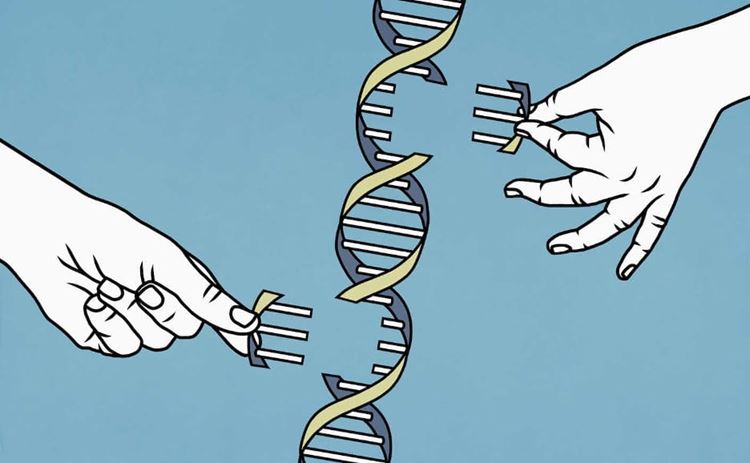
Synthetic Biology
Synthetic biology involves creating or redesigning life forms. Scientists can build DNA to create new organisms. This field shows great potential in various industries.
- Pros:
- Improved medical treatments
- Enhanced agricultural products
- Environmental solutions
- Cons:
- Unintended consequences
- Ethical issues
- Regulatory challenges
Creating new organisms can lead to better drugs and healthier crops. It may also help in cleaning up pollution. But synthetic biology comes with risks. Unintended consequences could harm natural ecosystems. Ethical concerns and regulation are also major hurdles.
Credit: www.exactsciences.com
Frequently Asked Questions
What Are The Benefits Of Genetic Research?
Genetic research can lead to personalized medicine and targeted treatments. It can help in early disease detection and prevention. This can improve health outcomes and reduce healthcare costs.
Are There Ethical Concerns With Genetic Engineering?
Yes, ethical concerns include potential privacy issues and genetic discrimination. There are also worries about designer babies and unintended consequences. These issues need careful regulation and discussion.
How Can Genetics Impact Future Healthcare?
Genetics can revolutionize healthcare by enabling personalized treatment plans. It can identify risks for genetic diseases early. This leads to better prevention and tailored therapies.
What Are The Risks Of Genetic Modification?
Genetic modification risks include unintended gene mutations and ecological impacts. There are also concerns about long-term health effects. Rigorous testing and regulations are necessary.
Conclusion
The impact of genetics in the future holds both promise and challenges. On one hand, it offers new medical advancements. On the other, it raises ethical concerns. Balancing these aspects is crucial. Society must weigh benefits against risks. Understanding genetics can improve health.
Yet, we need responsible use. Education and awareness are essential. As science progresses, so should our discussions. This ensures a balanced approach. Embracing genetics thoughtfully benefits everyone.