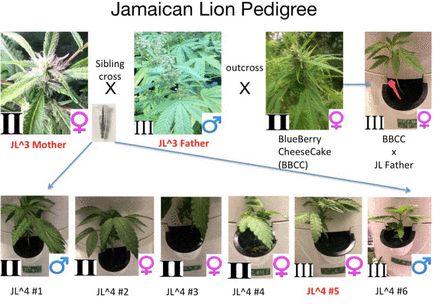
Imagine walking into a dispensary and finding a cannabis strain engineered exactly for your needs—maximum pain relief with zero anxiety, or a smooth, creative high without the munchies. That future just got a lot closer thanks to an exciting new scientific discovery.
Researchers have identified 33 key genetic markers that directly control cannabinoid production in cannabis plants. This landmark finding, published in The Plant Genome, is set to transform how breeders develop specialized varieties for both therapeutic and recreational use.
What the Study Revealed
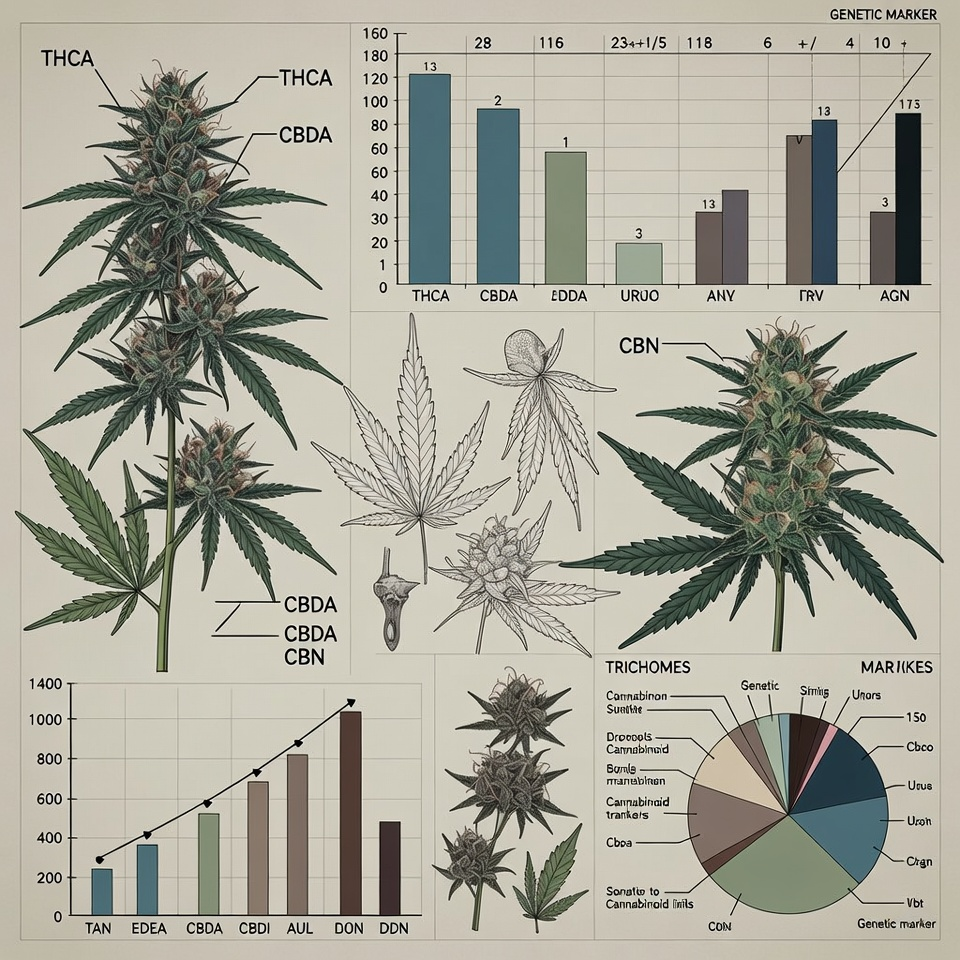
A team from Canada’s Université Laval analyzed 174 cannabis specimens using high-density genotyping. They measured important compounds like THCA (the acidic form of THC), CBDA, and even CBN, then connected 33 specific genetic markers to 11 different cannabinoid traits.
One standout discovery? A massive gene cluster on a single chromosome that appears to drive THC-dominant strains—the ones most people associate with classic cannabis effects.
These markers act like precise “on/off switches” for cannabinoid production. Instead of years of trial-and-error crossing, breeders can now select plants with the exact genetic profile they want. The result? Faster development, lower costs, and strains that reliably hit targeted therapeutic or recreational goals.
Why This Matters Now
For decades, cannabis prohibition slowed down serious genetic research. This study marks a turning point, moving the industry from guesswork to precision breeding. The authors emphasize that these markers will help create strains with enhanced profiles—think higher CBD for anxiety relief, balanced THC-CBD ratios for chronic pain, or unique minor cannabinoids for new wellness benefits.
Exciting Related Discovery
While Canadian scientists mapped these markers, researchers in South Korea made another splash: they isolated a brand-new cannabinoid called cannabielsoxa from Cannabis sativa flowers, along with six known cannabinoids and several rare chlorin-type compounds—marking the first time these were found in the plant.
Together, these advances show how quickly cannabis science is accelerating in the legalization era.
Potential Roadblocks Ahead

Progress isn’t without hurdles. Political factors continue to influence research. During the Trump administration, marijuana-related studies faced extra scrutiny, and a leaked memo from the National Cancer Institute even labeled cannabis a “controversial topic” requiring special clearance before publication. Even with growing legalization worldwide, these challenges could slow future breakthroughs.
The Bottom Line
This discovery of 33 genetic markers isn’t just another study—it’s a roadmap for the next generation of cannabis. Expect more tailored strains that deliver consistent results for patients and consumers alike, while helping farmers grow more efficiently. The plant that’s been with humanity for thousands of years is finally getting the scientific attention it deserves.
Frequently Asked Questions (FAQ)
What exactly are genetic markers in cannabis? They’re specific points in the plant’s DNA that scientists can test to predict how much of each cannabinoid (like THC or CBD) the plant will produce.
How will these 33 markers change cannabis breeding? Breeders can now select parent plants with the right markers instead of growing hundreds of seedlings and testing them later. This cuts time and costs dramatically while creating more reliable strains.
Who conducted the research and where was it published? The study came from scientists at Université Laval in Canada and appeared in the respected journal The Plant Genome.
Can this help medical cannabis patients? Absolutely. Doctors and patients could soon access strains optimized for specific conditions—higher CBD for inflammation, precise THC levels for appetite stimulation, or balanced profiles for sleep.
What other recent cannabis breakthroughs have happened? South Korean researchers just identified a brand-new compound called cannabielsoxa in cannabis flowers, expanding our understanding of the plant’s natural chemistry.
Will these genetic tools be available to small breeders? The authors believe the markers will become standard tools in breeding programs, eventually making custom strains more accessible even to smaller operations and home growers.
Are there any downsides to genetically optimizing cannabis? The main challenges right now are political and regulatory hurdles that can delay research funding and publication. Scientifically, the tools themselves are simply helping us work with the plant’s natural genetics more efficiently.
This breakthrough proves that cannabis science is entering a new golden age. Whether you’re a patient seeking relief, a consumer wanting consistency, or a grower looking for efficiency, the future of cannabis just became a lot more precise—and a lot more promising.