





Brain-Harming Chemicals in Children’s Mattresses: Scientists Demand Urgent Action from Mattress Makers

Sleep is supposed to be the safest time for growing kids, yet many popular mattresses quietly release chemicals that could damage developing brains. Recent studies highlight how common toxins in kids’ bedding expose children to neurodevelopmental risks night after night. Parents and health experts are now pushing for change, urging mattress manufacturers to eliminate these hidden hazards and create truly safe sleep products.
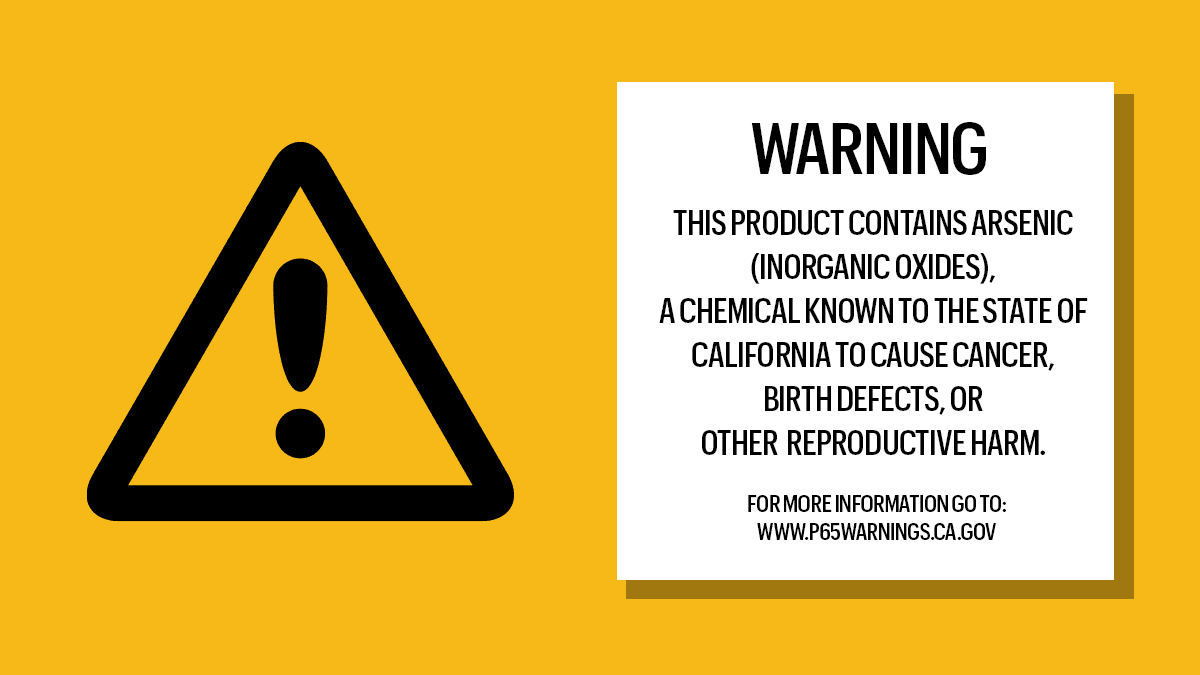
This in-depth guide breaks down the science, reveals the most concerning chemicals, shares practical parent-approved tips, and explains why immediate industry reform is essential for protecting children’s long-term cognitive health.
How Toxic Chemicals in Kids’ Mattresses Threaten Neurodevelopment
Children’s brains grow rapidly during sleep, making them highly vulnerable to environmental toxins. When mattresses off-gas volatile organic compounds (VOCs), flame retardants, and other synthetic additives, these substances can be inhaled or absorbed through the skin for hours each night.
Unlike adults, young children breathe faster, have thinner skin, and possess immature detoxification systems. This combination turns bedtime into an unintended exposure period, potentially leading to learning difficulties, attention issues, and other neurodevelopmental challenges later in life.
Most Common Harmful Chemicals Found in Children’s Mattresses
Standard mattress production often relies on a mix of synthetic materials that contain:
- Flame retardants (such as PBDEs and organophosphates)—linked to reduced IQ and behavioral problems.
- Volatile organic compounds (VOCs) – including formaldehyde, benzene, and toluene, which affect memory and concentration.
- Phthalates and plasticizers – known endocrine disruptors that interfere with hormone balance and brain signaling.
- Polyurethane foam additives – sources of isocyanates that may trigger respiratory and neurological irritation.
These substances are chosen for durability and fire safety but come at a steep cost to children’s health. Many off-gas for years, creating a constant low-level exposure that accumulates over time.

What Cutting-Edge Research Reveals About Mattress Chemical Exposure
Multiple peer-reviewed studies confirm a direct link between mattress chemicals and impaired brain development in children. Researchers have measured elevated toxin levels in bedroom air and detected corresponding changes in cognitive test scores among young sleepers.
Key findings show that prolonged exposure during critical growth windows can alter neural pathways responsible for focus, emotional regulation, and problem-solving. Scientists emphasize that even small daily doses during sleep add up, making early intervention critical.
Why Scientists Are Urging Mattress Manufacturers to Act Immediately
Leading researchers and pediatric health organizations are now publicly calling on mattress makers to reformulate products. Their demands include:
- Replacing toxic flame retardants with safer, non-chemical alternatives.
- Using low-VOC or zero-VOC materials certified by independent testing labs.
- Increasing transparency through full ingredient disclosure on labels.
- Investing in natural, organic fills like wool, cotton, and latex that naturally resist flames and microbes.
These changes would protect millions of children without sacrificing comfort or safety standards. Advocacy groups stress that the industry has the technology today — what’s missing is the commitment to prioritize kids’ brains over short-term profits.
Current Mattress Chemical Regulations: Do They Go Far Enough?
Existing federal guidelines focus mainly on fire resistance but fall short on long-term neurodevelopmental protection. Many states have begun banning specific flame retardants, yet loopholes still allow harmful substitutes in children’s products.
Experts argue that voluntary industry standards are insufficient. Stronger, mandatory testing and labeling requirements are needed to ensure every mattress sold for kids meets the highest safety benchmarks.
Simple, Effective Tips for Parents to Create a Chemical-Free Sleep Environment
You don’t have to wait for industry-wide changes. Here are proven steps to minimize exposure right now:
- Choose GOTS-certified organic mattresses made with natural latex, wool, and cotton.
- Opt for mattresses with transparent third-party certifications (GREENGUARD Gold, OEKO-TEX, or CertiPUR-US with strict VOC limits).
- Air out new mattresses outdoors or in a well-ventilated room for at least 48–72 hours before use.
- Wash bedding weekly in hot water and use natural-fiber mattress protectors.
- Vacuum mattresses regularly with a HEPA-filter vacuum to remove dust and particles.
- Consider second-hand or heirloom natural mattresses that have already off-gassed for years.
These small adjustments can dramatically reduce nightly chemical intake and promote healthier sleep.
The Future of Safer Sleep: Innovations on the Horizon
Researchers are exploring exciting new materials — from plant-based foams to mineral-infused fabrics — that offer fire resistance and comfort without toxic additives. Continued investment in green chemistry and long-term health studies will drive the next generation of truly safe children’s mattresses.
Parents, educators, and health advocates play a vital role by demanding certified non-toxic options and supporting brands that lead with transparency.
Conclusion: Protecting Children’s Brains Starts with Safer Mattresses
The evidence is clear: brain-harming chemicals in children’s mattresses pose a preventable threat to neurodevelopment. Scientists have sounded the alarm, and it’s time for mattress manufacturers to respond with meaningful reform. By choosing certified safe products and supporting stricter standards, parents and industry leaders can ensure every child enjoys restorative, toxin-free sleep.
Your child’s cognitive future depends on the choices made today. Demand better — because safe sleep should never come with hidden health risks.
FAQs About Brain-Harming Chemicals in Children’s Mattresses
What are the most dangerous chemicals commonly found in kids’ mattresses? The biggest concerns include flame retardants (PBDEs), VOCs like formaldehyde, phthalates, and polyurethane foam additives. These can off-gas into the air and affect brain development over time.
How do mattress chemicals impact children’s neurodevelopment? Children’s rapidly growing brains are especially sensitive. Inhaled or absorbed toxins may interfere with neural connections, leading to potential issues with attention, memory, learning, and behavior.
Are all mattresses required to meet safety standards for chemicals? Current regulations emphasize fire safety but offer limited protection against neurotoxic substances. Look for independent certifications like GOTS, GREENGUARD Gold, or OEKO-TEX to ensure lower chemical levels.
What should parents look for when buying a safe mattress for children? Prioritize natural materials (organic cotton, wool, and latex); third-party certifications; low- or zero-VOC claims; and full ingredient transparency. Avoid memory foam unless it carries strict chemical-free certifications.
Can I reduce chemical exposure without buying a new mattress? Yes! Air out the current mattress thoroughly, use a natural mattress encasement, wash bedding frequently, and improve room ventilation. These steps significantly lower exposure while you research safer replacements.
By staying informed and choosing wisely, every parent can help turn bedtime into a truly protective and restorative experience for their children.

Health & Wellness Writer | Research-Informed Health Content Creator
A.K.M. Monjurul Hoque is a health and wellness writer specializing in health, beauty, fitness, nutrition and healthy living. His content is informed by health journals, books, seminars, training programs, and discussions with experienced healthcare professionals. He writes clear, practical and research-informed articles for general education and encourages readers to seek personalized advice from qualified medical professionals.