





Slash Heart Attack Risk with Exercise
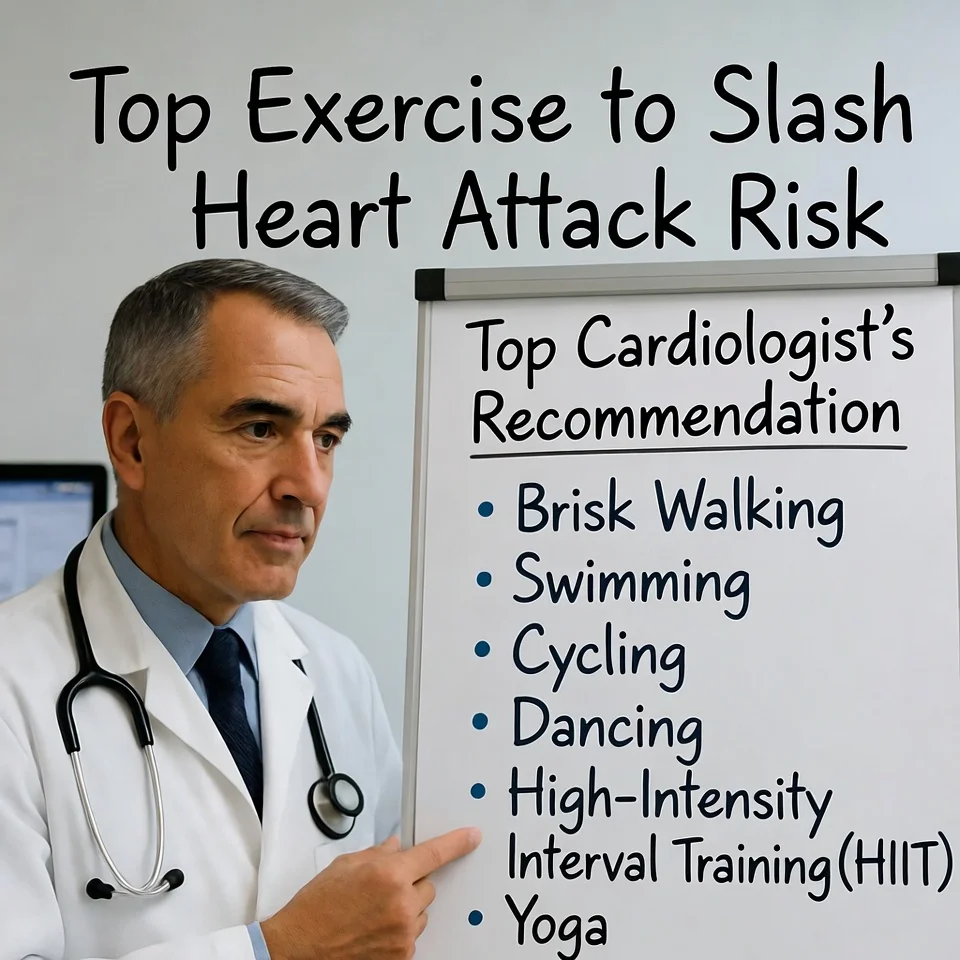
This favored approach is aerobic exercise, which includes activities such as running, swimming, and cycling. Research indicates that engaging in regular aerobic workouts not only strengthens the heart muscle but also enhances blood circulation and reduces blood pressure. Furthermore, these exercises can aid in weight management and improve overall cardiovascular fitness, leading to a substantial decrease in the likelihood of heart-related ailments. Thus, prioritizing aerobic activities can be a pivotal component of a comprehensive strategy for maintaining optimal heart health.
In addition to its cardiovascular benefits, aerobic exercise plays a crucial role in improving overall health by enhancing metabolic function and promoting weight management. Dr. Laffin advocates for a consistent regimen that includes various forms of aerobic activities, such as running, swimming, or cycling, to maximize these advantages. By integrating regular cardio into daily routines, individuals can cultivate a stronger heart and reduce the risk of chronic diseases associated with sedentary lifestyles.


Top Reasons Aerobic Exercise Protects Hearts
Aerobic exercise plays a crucial role in improving cardiovascular health and overall endurance. By engaging in activities such as running, cycling, or swimming, individuals can increase their stamina and reduce the risk of chronic diseases. Furthermore, these exercises promote better oxygen utilization in the body, leading to enhanced energy levels and improved mental clarity. Regular participation in aerobic activities is essential for maintaining a balanced fitness regimen.
Regular cardio delivers key benefits: it enhances cardiovascular health, improves endurance, and aids in weight management. Additionally, engaging in consistent aerobic exercise can significantly boost mental clarity and overall mood, contributing to improved cognitive function. Furthermore, it plays a crucial role in reducing the risk of chronic diseases, thereby promoting longevity and a higher quality of life. Emphasizing the importance of integrating regular cardiovascular activity into one’s routine is essential for achieving optimal health outcomes.
As supported by organizations like the National Heart, Lung, and Blood Institute, this consistent effort fortifies your heart against cardiovascular events, including heart attacks.
Easy and Effective Aerobic Exercises to Try
The beauty of aerobic exercise lies in its accessibility—no expensive gear or gym required. Start with activities that fit your lifestyle:
- Brisk walking (a simple yet highly effective daily option)
- Jogging or running
- Cycling (outdoor rides or stationary bikes)
- Swimming or water aerobics (gentle on joints)
- Jumping rope
- Dancing (from Zumba to casual home sessions)
- Team sports like tennis, pickleball, or soccer
- Hiking trails for added enjoyment



nutritionsource.hsph.harvard.edu
How to Build a Sustainable Cardio Routine
The American Heart Association recommends at least 150 minutes of moderate-intensity aerobic exercise per week—or about 30 minutes most days. You can split it into shorter sessions if needed.
Beginner-friendly tips:
- Start small—even 10-15 minutes of brisk walking counts as progress.
- Choose enjoyable activities—pick what excites you, whether it’s dancing to your favorite playlist or cycling with friends, to ensure long-term adherence.
- Prioritize consistency—regular sessions yield the biggest reductions in heart attack risk over time.
While a well-rounded routine including strength and flexibility work supports overall wellness, Dr. Laffin’s clear message stands out: for maximum heart attack prevention, make aerobic exercise your top priority.
Conclusion
Protecting your heart doesn’t require extreme efforts—just consistent movement that gets your heart pumping. By focusing on aerobic exercise, you’re taking one of the most proven steps to lower heart attack risk and enjoy better long-term cardiovascular health. Start today with something simple like a brisk walk, and build from there—your heart will thank you.
FAQ
What is the best exercise to lower heart attack risk?
According to Cleveland Clinic cardiologist Dr. Luke Laffin, aerobic exercise (cardio) stands out as the top choice, backed by extensive research showing it outperforms other types for reducing cardiovascular risks.
How much aerobic exercise do I need per week?
Aim for at least 150 minutes of moderate-intensity activity (like brisk walking) or 75 minutes of vigorous activity, spread across the week, per American Heart Association guidelines.
Can beginners start aerobic exercise safely?
Yes! Begin with short sessions, such as 10-minute walks, and gradually increase. Consult a doctor if you have existing health concerns.
Is strength training still important for heart health?
Absolutely—it’s great for muscle and overall fitness—but for specifically lowering heart attack risk, prioritize aerobic exercise.
Does walking count as effective cardio?
Definitely. Brisk walking is one of the most accessible and proven forms of aerobic exercise for improving heart health and reducing risks.

Health & Wellness Writer | Research-Informed Health Content Creator
A.K.M. Monjurul Hoque is a health and wellness writer specializing in health, beauty, fitness, nutrition and healthy living. His content is informed by health journals, books, seminars, training programs, and discussions with experienced healthcare professionals. He writes clear, practical and research-informed articles for general education and encourages readers to seek personalized advice from qualified medical professionals.