


Healthy Aging: How to Thrive — Not Just Survive — as You Grow Older
Healthy Aging: How to Thrive — Not Just Survive — as You Grow Older
A science-backed, human-first guide to living with energy, clarity, and purpose at every stage of life.

Active social connection and movement are two of the most powerful predictors of healthy aging. Photo: Unsplash
Aging is inevitable. But how you age — whether you spend your later decades full of energy and purpose, or battling avoidable decline — is shaped far more by your daily choices than by your genes.
The science of healthy aging has advanced dramatically over the past two decades. We now understand that the human body is remarkably adaptive, and that meaningful improvements in how we feel, think, and move are possible well into our 70s, 80s, and beyond. This guide brings together the most important, evidence-based strategies — written in plain language, for real people.
What Does “Healthy Aging” Actually Mean?
Healthy aging isn’t the absence of disease — it’s the presence of function. The World Health Organization defines it as the process of developing and maintaining functional ability that enables well-being in older age. That means being able to do what matters to you: walking your grandchildren to school, traveling, thinking clearly, staying connected.
Three pillars underpin nearly every dimension of healthy aging: physical health, cognitive health, and social and emotional well-being. They reinforce each other — neglect one, and the others weaken. Strengthen all three, and the effects compound in your favor.
Physical Health
Movement, nutrition, sleep, and preventive care form the biological foundation of how your body ages.
Cognitive Health
Mental stimulation, stress management, and social engagement protect your brain’s function and adaptability.
Emotional Well-being
Purpose, connection, and a positive relationship with aging itself may be the most underrated longevity tools.
Movement: The Single Most Powerful Anti-Aging Tool
If there were a pill that delivered even a fraction of what regular physical activity does for the aging body, it would be the most prescribed medicine in history. Exercise improves cardiovascular health, maintains muscle mass (which naturally declines from our 30s onward), supports bone density, stabilizes blood sugar, boosts mood, and — crucially — protects cognitive function.
What Kind of Exercise Matters Most?
Research consistently points to a combination of three types:
- Aerobic / cardiovascular: Walking, swimming, cycling, or dancing for at least 150 minutes per week at moderate intensity. This is your baseline for heart and brain health.
- Strength training: Lifting weights or doing bodyweight exercises (squats, push-ups) two to three times per week. Muscle loss — sarcopenia — is one of the most significant drivers of physical decline in older adults, and resistance training directly counters it.
- Balance and flexibility: Yoga, tai chi, or targeted stretching reduce fall risk (a leading cause of injury in older adults) and maintain range of motion.
Nutrition for a Longer, Better Life
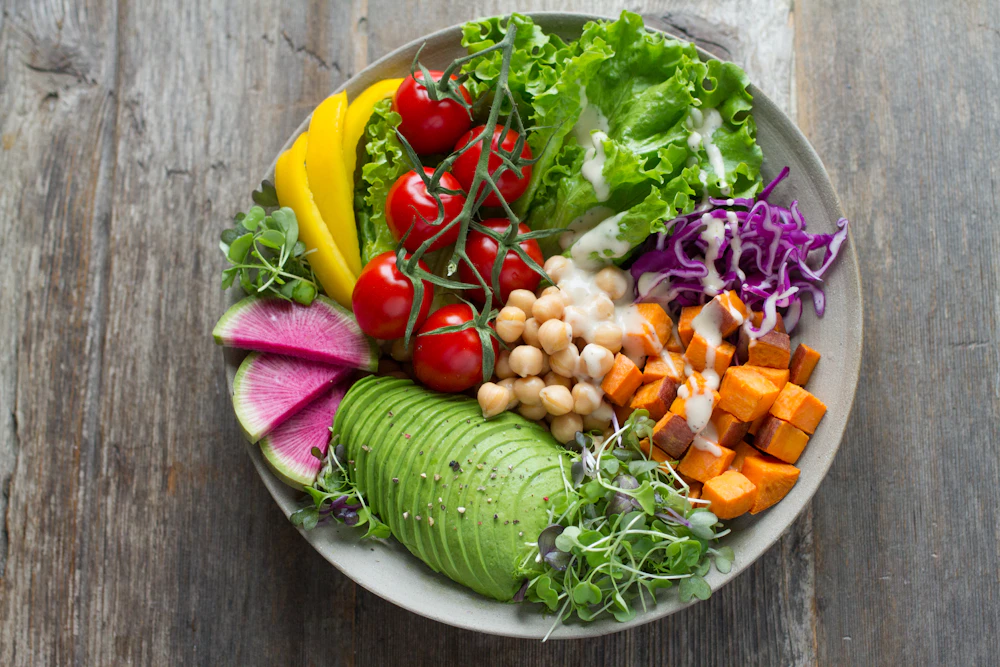
No single food is a fountain of youth. But dietary patterns — the overall picture of what you eat day after day — have a profound and measurable impact on how you age. The Mediterranean diet and its close relative, the MIND diet (designed specifically for brain health), have the strongest evidence base.
The Core Principles
- Eat more plants. Vegetables, fruits, legumes, and whole grains are rich in antioxidants that combat oxidative stress — one of the cellular mechanisms behind aging.
- Choose healthy fats. Olive oil, fatty fish (salmon, sardines), nuts, and avocados provide omega-3 fatty acids that reduce inflammation and support brain health.
- Prioritize protein. Older adults need more protein than younger people to maintain muscle mass. Aim for 1.2–1.6g per kilogram of body weight from diverse sources.
- Limit ultra-processed foods. These are consistently linked with accelerated cognitive decline, cardiovascular disease, and metabolic dysfunction.
- Stay hydrated. Thirst sensation diminishes with age, making dehydration a common, underappreciated problem. Aim for 6–8 glasses of water daily.
Sleep: The Underrated Foundation
Sleep is not a passive luxury — it’s when the brain and body do their most important repair work. During deep sleep, the brain clears metabolic waste products, including amyloid beta, a protein associated with Alzheimer’s disease. Poor sleep is now recognized as a significant risk factor for cognitive decline, cardiovascular disease, metabolic disorders, and immune dysfunction.
Older adults often experience changes in sleep architecture — lighter sleep, more nighttime waking, earlier wake times. These are normal, but chronic poor sleep is not. Seven to eight hours of quality sleep per night remains the target at every age.
The goal is not to add years to your life, but life to your years. — A foundational principle in gerontology
Mental Fitness: Keeping the Brain Sharp
The brain maintains significant plasticity throughout life — meaning it can form new neural connections, adapt, and compensate for damage far longer than scientists once believed. But that plasticity requires stimulation.
- Learn something genuinely new. Not just crosswords — challenging skills like learning a language, a musical instrument, or a new craft force the brain to build new pathways.
- Stay socially engaged. Social isolation is as dangerous to brain health as smoking. Regular meaningful conversation, community involvement, and connection are cognitively protective.
- Manage chronic stress. Cortisol, the stress hormone, damages the hippocampus — the brain’s memory center — when chronically elevated. Mindfulness, nature, and meaningful routine all help.
- Maintain purpose. People with a strong sense of purpose live longer and show fewer signs of cognitive decline, even when post-mortem brain scans show signs of Alzheimer’s pathology.
Preventive Healthcare: What You Shouldn’t Skip
Aging well isn’t only about lifestyle — it’s also about catching problems early, before they become serious. Preventive healthcare visits are not optional extras; for older adults, they’re often the difference between early intervention and a missed window.
- Annual physical exams to monitor blood pressure, blood glucose, cholesterol, and kidney function
- Age-appropriate cancer screenings (mammogram, colonoscopy, prostate, skin checks)
- Updated vaccinations — flu, pneumonia, shingles, and COVID-19 boosters are especially important for older adults
- Annual vision and hearing assessments — untreated hearing loss is an independent risk factor for dementia
- Regular dental care — oral health is strongly linked with cardiovascular and inflammatory disease
Conclusion: Aging Well Is a Practice, Not a Destination
Healthy aging is not about achieving perfection. It’s about consistent, intentional choices — made day by day — that add up to a life of greater energy, independence, and meaning. You do not need to overhaul everything at once.
Start with one pillar. Walk for twenty minutes today. Sleep an hour earlier tonight. Call a friend you’ve been meaning to reach. Each of these acts is, in a real and measurable sense, an investment in the person you will be ten and twenty years from now.
The research is both sobering and deeply encouraging: biology is not destiny. The choices you make today are writing the story of how you age. Make them count.
Frequently Asked Questions

Health & Wellness Writer | Research-Informed Health Content Creator
A.K.M. Monjurul Hoque is a health and wellness writer specializing in health, beauty, fitness, nutrition and healthy living. His content is informed by health journals, books, seminars, training programs, and discussions with experienced healthcare professionals. He writes clear, practical and research-informed articles for general education and encourages readers to seek personalized advice from qualified medical professionals.