Raising awareness about mental health is essential. Many people still don’t understand mental health issues. Education helps break down these barriers. It spreads knowledge and empathy. Understanding mental wellness is the key to a healthier life. It involves recognizing signs, seeking help, and maintaining balance.
In this blog post, we will delve into the importance of mental health awareness. We will explore the role of education in dispelling myths. We’ll also discuss practical steps to achieve mental wellness. Stay with us as we navigate this vital topic. Your mental well-being matters. Let’s learn how to nurture it together.
Importance Of Mental Health
Mental health is just as important as physical health. Understanding mental health awareness, mental health education, and mental wellness is crucial. Knowing the importance of mental health helps us lead a balanced life.
Impact On Daily Life
Mental health greatly affects our daily life. Poor mental health can lead to several issues. It can make it hard to focus on tasks. It affects our productivity. Relationships can suffer too. When we are stressed, we might snap at loved ones.
Here are some common impacts:
- Difficulty in concentrating
- Low energy levels
- Increased irritability
- Problems with sleeping
- Loss of interest in activities
These issues can make daily life hard. Good mental health helps us handle stress better. It improves our mood. It enhances our overall well-being. Thus, mental health is key to a happy life.
Connection To Physical Health
Mental and physical health are closely linked. Poor mental health can lead to physical problems. Stress can cause headaches and stomach issues. It can even lead to heart problems.
Here are some connections:
| Mental Health Issue | Physical Impact |
|---|---|
| Stress | Headaches, high blood pressure |
| Anxiety | Rapid heartbeat, sweating |
| Depression | Fatigue, changes in appetite |
Good mental health boosts physical health. It leads to better sleep. It improves immune function. Mental wellness helps us maintain a healthy body. Thus, taking care of our mind is essential for our body.
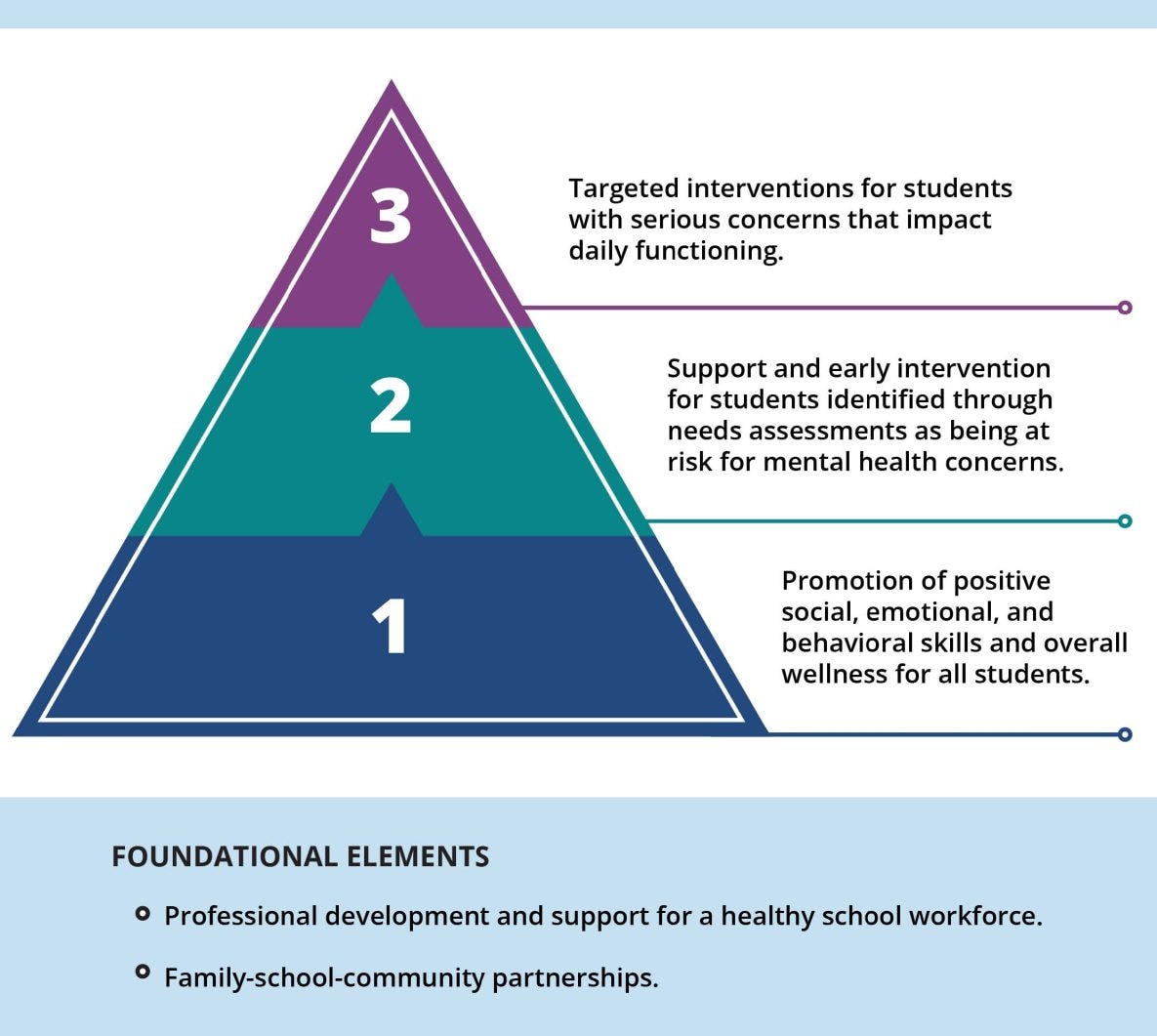
Credit: www.cdc.gov
Mental Health Awareness Campaigns
Mental health is a crucial aspect of our overall well-being. It influences how we think, feel, and act in our daily lives. Mental health awareness campaigns aim to educate people about mental health issues and reduce stigma. These campaigns promote understanding and support for those who struggle with mental health challenges. Mental health education helps individuals recognize signs of mental illness and seek appropriate help. Mental wellness focuses on maintaining good mental health through various practices and lifestyle choices.
Successful Initiatives
Many successful initiatives have made a significant impact on mental health awareness.
- National Alliance on Mental Illness (NAMI): NAMI hosts events and programs to educate and support individuals and families affected by mental illness.
- Bell Let’s Talk: This Canadian campaign raises funds and awareness for mental health by encouraging conversations about mental health.
- Mental Health First Aid (MHFA): MHFA provides training courses to help people identify, understand, and respond to mental health crises.
These initiatives have reached millions of people worldwide. They provide valuable resources and support systems for those in need.
| Initiative | Impact |
|---|---|
| NAMI | Educated thousands through programs and support groups. |
| Bell Let’s Talk | Raised over $100 million for mental health initiatives. |
| MHFA | Trained over 2 million people in mental health first aid. |
Role Of Social Media
Social media plays a vital role in spreading mental health awareness. It allows for the quick and wide dissemination of information. Many organizations use social media to share important messages and resources. They also provide platforms for individuals to share their stories and experiences.
Through social media, people can connect with others facing similar challenges. This helps reduce feelings of isolation and stigma. Online communities provide support and encouragement, which can be crucial for those struggling with mental health issues.
Influencers and celebrities also use their platforms to advocate for mental health awareness. Their large followings help reach a broader audience. This can lead to increased understanding and empathy for mental health challenges.
However, it is important to use social media responsibly. Not all information found online is accurate or helpful. It is essential to verify sources and seek advice from trusted professionals.
Educational Programs
Mental health awareness is key to a healthy society. Mental health education helps people understand their own and others’ mental well-being. Educational programs play a huge role in spreading this knowledge. These programs can be found in schools and communities. They provide support and promote mental wellness.
School-based Initiatives
School-based initiatives focus on young minds. Teaching mental health in schools helps students learn about emotions and coping strategies. Schools often run programs that include:
- Workshops on stress management
- Counseling sessions with professionals
- Peer support groups for sharing experiences
These initiatives aim to create a safe environment. Students feel comfortable discussing their feelings. They learn that it’s okay to seek help. Teachers also receive training to identify signs of mental distress. They can offer early support or refer students to experts.
Here’s a quick overview of school-based programs:
| Program | Description |
|---|---|
| Workshops | Teach coping skills and stress management |
| Counseling | Professional help for students |
| Peer Support | Groups where students share and support each other |
Community Workshops
Community workshops provide mental health education for all ages. These workshops are often free and open to everyone. They focus on different aspects of mental health. Topics include anxiety, depression, and stress management.
- Interactive sessions with mental health experts
- Group activities to practice coping techniques
- Resource distribution like brochures and helpline numbers
Workshops often include personal stories. People share their experiences and how they manage mental health issues. This helps others feel less alone. They learn that mental health challenges are common and manageable.
Community workshops also build support networks. Participants often stay in touch and continue to support each other. This sense of community is vital for mental wellness. Regular attendance at these workshops can make a big difference.
Promoting Mental Wellness
Mental health is as important as physical health. Being aware of mental health can help you lead a better life. Mental health education teaches us about the mind and emotions. It helps us understand ourselves and others. Promoting mental wellness is key to a happy and balanced life. This blog will discuss some self-care practices and mindfulness techniques to promote mental wellness.
Self-care Practices
Self-care is about taking care of yourself. It’s about making time for yourself. Here are some simple self-care practices:
- Exercise: Physical activity boosts your mood.
- Healthy Eating: Good nutrition supports mental health.
- Sleep: Getting enough rest is important.
- Relaxation: Take time to relax and unwind.
Another important self-care practice is setting boundaries. It’s okay to say no. Protect your time and energy. Spend time with people who make you feel good. Avoid those who drain you.
Hobbies are also a great way to practice self-care. Do things you enjoy. Read a book, paint, or garden. These activities can help reduce stress and improve your mood.
Mindfulness Techniques
Mindfulness is about being present. It means paying attention to the here and now. Here are some mindfulness techniques:
- Breathing Exercises: Focus on your breath. Breathe in and out slowly.
- Body Scan: Notice how each part of your body feels.
- Meditation: Sit quietly and focus on a word or phrase.
- Mindful Eating: Pay attention to the taste, smell, and texture of your food.
Practicing gratitude is another mindfulness technique. Think about things you are thankful for. Write them down in a journal. This can help shift your focus to the positive.
Mindfulness can help reduce stress and anxiety. It can also improve your concentration and overall well-being. Start with just a few minutes a day. Gradually increase the time as you become more comfortable.
Breaking Stigmas
Mental health awareness is crucial. It helps break down stigmas and promotes well-being. Understanding mental health means recognizing its importance. It’s about spreading knowledge and encouraging open conversations. Mental wellness is a state of balance. It involves emotional, psychological, and social well-being. Educating people about mental health can change lives. It creates a supportive environment for everyone. Breaking stigmas is essential. It allows people to seek help without fear or shame. This blog post explores personal stories and cultural perspectives. These aspects highlight the importance of mental health awareness.
Personal Stories
Personal stories can be powerful. They offer real-life experiences. These stories can inspire and educate others. They show that mental health challenges are common. Many people face them every day. Sharing these stories can help break down barriers. It creates a sense of community and support.
Here are some key points:
- Personal experiences can reduce feelings of isolation.
- Sharing stories promotes empathy and understanding.
- Open conversations can encourage others to seek help.
Let’s look at some examples:
| Story | Impact |
|---|---|
| Jane’s battle with depression | Encouraged others to talk about their feelings |
| John’s journey with anxiety | Helped reduce stigma in his community |
These stories are more than just words. They represent real struggles and triumphs. They show that it’s okay to seek help. They remind us that we are not alone. Personal stories can change perceptions. They can lead to a more supportive and understanding society.
Cultural Perspectives
Cultural perspectives play a role in mental health. Different cultures have different views. Some cultures may see mental health issues as a weakness. Others may have strong support systems in place. Understanding these perspectives is important. It helps tailor mental health education to different communities.
Here are some cultural considerations:
- Stigma: Some cultures attach a stigma to mental health issues.
- Support systems: Family and community support can vary.
- Beliefs: Cultural beliefs can influence how mental health is perceived.
Let’s compare different cultural views:
| Culture | View on Mental Health |
|---|---|
| Western | More open to discussing mental health issues |
| Asian | May see mental health issues as a sign of weakness |
Cultural perspectives can affect how people seek help. In some cultures, people may rely on family support. In others, professional help might be more accepted. It’s important to respect these differences. Tailoring mental health education to fit cultural needs can be effective. It ensures that everyone gets the support they need. Understanding cultural perspectives can lead to better mental wellness for all.

Credit: www.pinerest.org
Credit: www.city.waltham.ma.us
Frequently Asked Questions
What Is Mental Health Awareness?
Mental health awareness means understanding mental health issues. It helps reduce stigma. It encourages people to seek help.
Why Is Mental Health Education Important?
Mental health education teaches about mental health. It helps people recognize signs of problems. It promotes early intervention.
How Can You Improve Mental Wellness?
Improve mental wellness by exercising regularly. Eat balanced meals. Get enough sleep. Practice mindfulness and connect with loved ones.
Conclusion
Raising mental health awareness is crucial. It helps break the stigma. Mental health education empowers individuals. Knowledge leads to better mental wellness. Simple steps can make a big difference. Talk about mental health openly. Seek help when needed. Support each other.
Together, we can create a healthier society. Prioritize mental wellness daily. Small changes add up. Let’s work towards a brighter, healthier future.