Cold therapy, also known as cryotherapy, is a popular recovery method. It involves using cold temperatures to treat injuries or reduce inflammation.
Many athletes and fitness enthusiasts swear by cold therapy. This method can help reduce pain and speed up recovery. But it’s not only for athletes; anyone can benefit. From easing sore muscles to reducing swelling, cold therapy offers various advantages.
It’s simple and effective. Whether using ice packs or full-body cryo chambers, cold therapy is accessible. Understanding its benefits can improve your health routine. Ready to learn more about how cold therapy can help you? Let’s dive into the details of this chilly treatment.
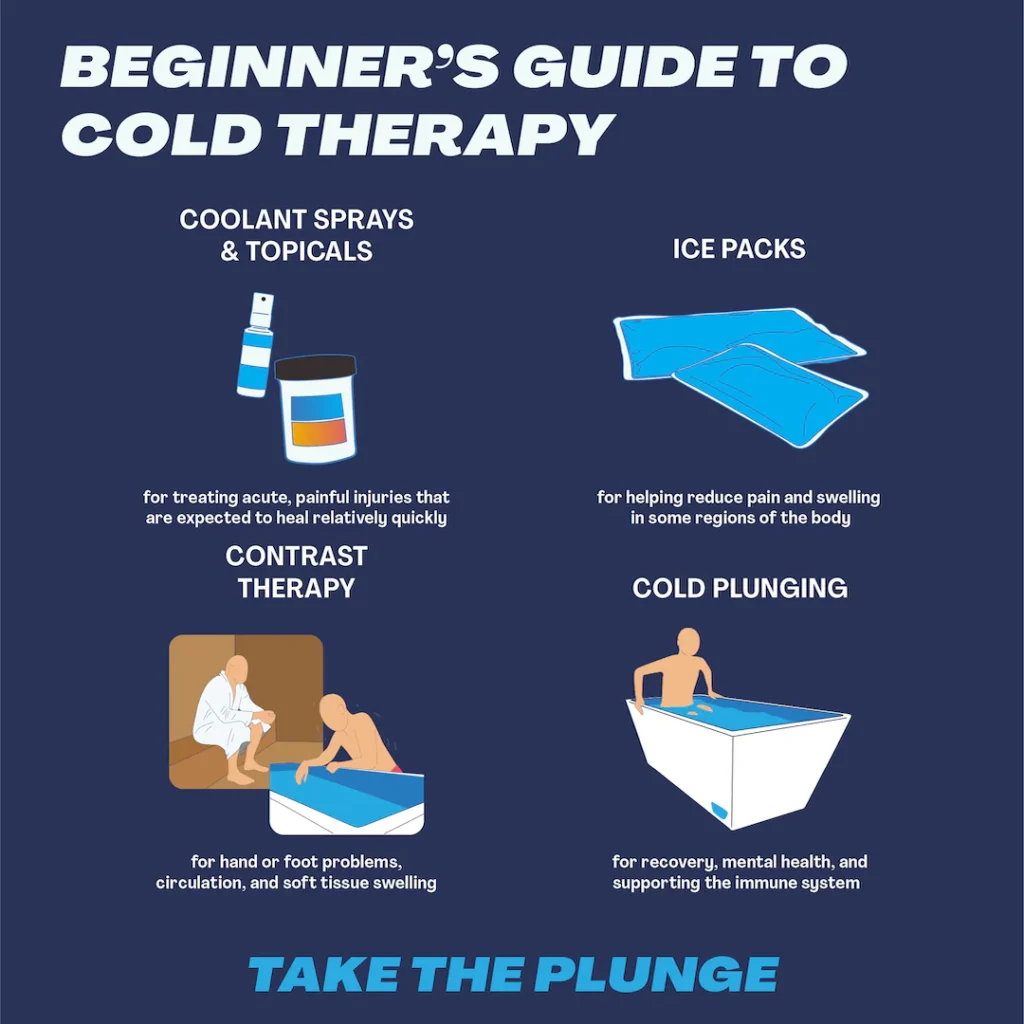
Credit: plunge.com
Benefits of Cold Therapy
Cold therapy, also known as cryotherapy, involves using low temperatures for medical treatment. It is a popular method among athletes and fitness enthusiasts. Cold therapy helps in reducing pain, inflammation, and muscle soreness. This therapeutic technique can be as simple as applying an ice pack or as advanced as using specialized cryo chambers. Let’s explore the benefits of cold therapy in detail.
Pain Relief
Cold therapy is effective for pain relief. It numbs the affected area, reducing the sensation of pain. This method is often used for acute injuries. For instance, sprains, strains, and minor burns. Here are some key benefits of cold therapy for pain relief:
- Numbs the nerve endings: This blocks pain signals to the brain.
- Reduces muscle spasms: Cold temperatures help muscles relax.
- Decreases swelling: Cold therapy limits fluid build-up around the injury.
Ice packs, cold baths, and cold compresses are common forms of cold therapy. These methods are easy to use at home. They provide immediate relief from pain and discomfort. Remember to apply cold therapy for 15-20 minutes at a time. Always use a barrier, like a cloth, between the ice and skin to prevent frostbite.
Inflammation Reduction
Inflammation is the body’s response to injury or infection. It often causes redness, swelling, and pain. Cold therapy helps in reducing inflammation effectively. Here are some ways it works:
- Constricts blood vessels: This reduces blood flow to the affected area.
- Decreases metabolic rate: Lower temperatures slow down the body’s metabolic processes.
- Limits tissue damage: Cold therapy prevents further damage to the tissues.
By reducing inflammation, cold therapy speeds up the healing process. It is especially beneficial for athletes who experience frequent injuries. Applying ice packs immediately after an injury can prevent excessive swelling. For chronic conditions, like arthritis, regular cold therapy sessions can help manage symptoms effectively.
Muscle Recovery
Cold therapy is widely used for muscle recovery. Intense workouts can lead to muscle soreness and fatigue. Cold therapy helps in speeding up the recovery process. Here’s how:
- Reduces lactic acid build-up: Cold temperatures flush out lactic acid from the muscles.
- Decreases muscle fatigue: It helps muscles recover faster, reducing downtime.
- Improves blood circulation: Cold therapy alternated with heat therapy can enhance blood flow.
Many athletes use ice baths after intense training sessions. These baths reduce muscle soreness and improve performance. Cryotherapy chambers are another advanced option. They expose the body to extremely low temperatures for a short duration. This promotes rapid muscle recovery and overall well-being. Always consult a professional before starting any new therapy.
Types of Cold Therapy
Cold therapy is a popular method used to treat injuries and reduce pain. It involves applying cold to the affected area to decrease inflammation and numb the pain. Different types of cold therapy can be used depending on the injury and personal preference. This post will cover some common types of cold therapy.
Ice Packs
Using ice packs is one of the most common methods of cold therapy. They are easy to use and can be found in most households. Ice packs help reduce swelling and numb the pain. Here are some benefits of using ice packs:
- Reduces inflammation in the affected area.
- Numbs the pain quickly.
- Easy to apply and can be used anywhere.
To use an ice pack, follow these steps:
- Wrap the ice pack in a thin towel.
- Place it on the injured area for 15-20 minutes.
- Remove the ice pack and wait for at least 1 hour before reapplying.
Be careful not to apply ice directly to the skin. This can cause frostbite and skin damage.
Cryotherapy
Cryotherapy is a more advanced form of cold therapy. It involves exposing the body to extremely cold temperatures for a short period. This method is often used by athletes to recover from intense training sessions. Some benefits of cryotherapy include:
- Reduces muscle soreness and fatigue.
- Improves recovery time after workouts.
- Boosts blood circulation and reduces inflammation.
During a cryotherapy session, the individual stands in a cryotherapy chamber. The chamber is filled with cold air, usually between -100°C and -140°C. The session lasts for 2-4 minutes. It is important to wear protective gloves, socks, and undergarments to prevent frostbite.
Cryotherapy is not suitable for everyone. People with certain health conditions should consult a doctor before trying this method.
Cold Water Immersion
Cold water immersion, also known as an ice bath, is another effective cold therapy method. This involves immersing the body in cold water to reduce inflammation and pain. Cold water immersion is often used by athletes after intense workouts to aid recovery. Here are some benefits:
- Reduces muscle inflammation and soreness.
- Improves blood flow and speeds up recovery.
- Relieves pain and discomfort.
To do cold water immersion, fill a tub with cold water. Add ice to the water until the temperature is between 10°C and 15°C. Immerse your body in the water for 10-15 minutes. It is important to keep the duration short to prevent hypothermia.
Cold water immersion can be uncomfortable at first. But with regular use, the body adapts. Always listen to your body and stop if you feel too cold or uncomfortable.
Precautions and Risks
Cold therapy, also known as cryotherapy, is a treatment where cold temperatures are used to treat various conditions. It can help reduce inflammation, numb pain, and speed up recovery. While cold therapy is beneficial, it is important to be aware of the precautions and risks involved.
Skin Damage
Cold therapy, if not used correctly, can cause skin damage. Prolonged exposure to extreme cold can lead to frostbite. This condition occurs when the skin and underlying tissues freeze. Symptoms include numbness, skin discoloration, and pain. Severe cases might require medical attention.
To avoid skin damage:
- Limit the duration of cold therapy sessions to 20 minutes.
- Use a barrier like a cloth between the ice pack and skin.
- Check the skin regularly for signs of irritation or injury.
Immediate care is essential if frostbite is suspected. Gradually warm the affected area using warm water. Avoid direct heat sources like stoves or heaters. Seek medical help if symptoms persist.
Nerve Injury
Using cold therapy improperly can also result in nerve injury. Nerve damage can cause persistent numbness, tingling, or weakness in the affected area. This can occur if the cold is too intense or applied for too long. Nerves near the skin surface are especially vulnerable.
To prevent nerve injury:
- Do not apply ice directly to the skin.
- Rotate the application area to avoid prolonged exposure.
- Stop the therapy if you experience extreme discomfort or pain.
If nerve injury occurs, stop using cold therapy immediately. Rest the affected area and consult a healthcare professional. They can provide guidance on further treatment and recovery.
Circulation Issues
Cold therapy can affect blood circulation. Cold temperatures cause blood vessels to constrict, reducing blood flow. This can be beneficial for reducing swelling but harmful for people with circulation problems.
People with conditions like Raynaud’s disease or diabetes should be cautious. Reduced circulation can worsen these conditions and lead to complications.
Tips to manage circulation issues:
- Consult a doctor before using cold therapy.
- Monitor the affected area for color changes or numbness.
- Limit cold therapy sessions to short durations.
If you notice any issues with circulation, discontinue cold therapy. Warm the area gently and observe for improvement. If symptoms continue, seek medical advice.
Credit: atlaspainspecialists.com
Frequently Asked Questions
What Are The Benefits Of Cold Therapy?
Cold therapy reduces pain and swelling. It speeds up muscle recovery. It also improves blood flow.
How Long Should Cold Therapy Sessions Last?
Cold therapy sessions should last 10 to 20 minutes. Too long can harm skin and tissues.
Can Cold Therapy Help With Injuries?
Yes, cold therapy can help injuries. It reduces inflammation and numbs pain. Use it after an injury.
Conclusion
Cold therapy offers numerous benefits for physical and mental well-being. It helps reduce pain and inflammation effectively. Athletes and regular individuals alike can benefit from it. Easy to incorporate into daily routines. Always consult a healthcare professional before starting any new therapy.
Feel free to explore cold therapy and experience its advantages firsthand. Enjoy the refreshing, therapeutic relief it provides. Embrace cold therapy for a healthier, more active life.