Sleep tracking devices have become popular tools for improving sleep quality. They help monitor sleep patterns and provide valuable insights.
Good sleep is crucial for health and well-being. Yet, many struggle to get a restful night. Sleep tracking devices offer a solution by tracking sleep stages, movements, and even heart rate. These gadgets can reveal hidden sleep issues and suggest ways to improve rest.
Whether you’re a light sleeper or just curious about your sleep habits, a sleep tracker could make a difference. In this blog, we’ll explore the world of sleep tracking devices. We’ll look at how they work and why they might be worth considering. Ready to learn more? Let’s dive in!
Credit: www.nationalgeographic.com
Types of Sleep Trackers
Tracking sleep has become essential for many people. Sleep tracking devices help monitor sleep patterns, providing insights into how to improve rest. Understanding the types of sleep trackers available can help you choose the best one for your needs.
Wearable Devices
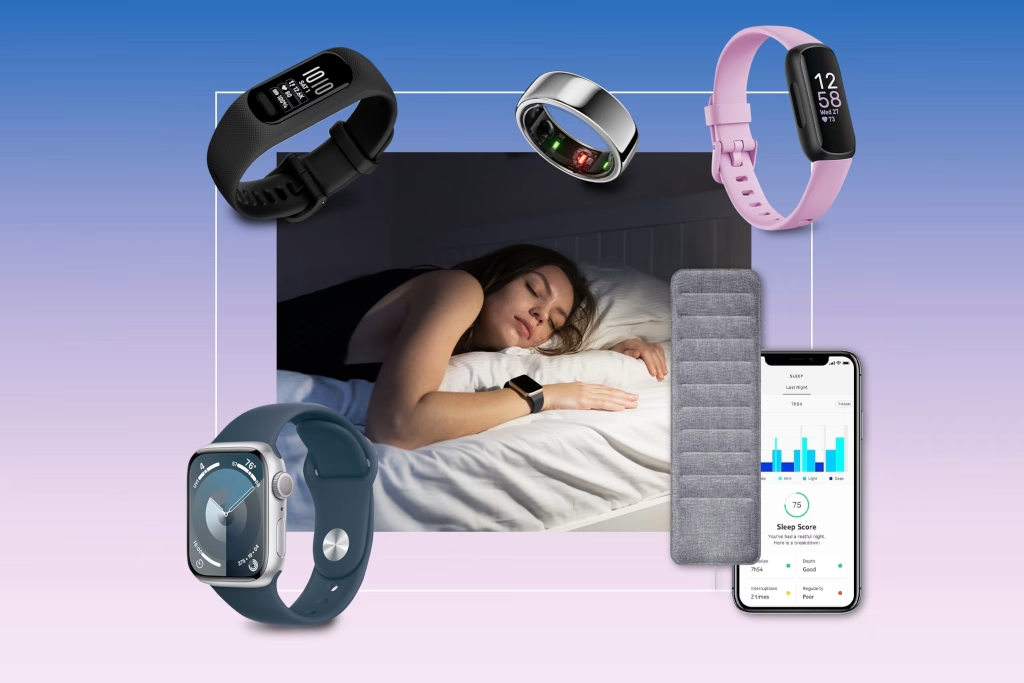
Wearable sleep trackers are popular. These devices are worn on the wrist or finger. They track sleep stages, heart rate, and movement.
Popular wearable devices include:
- Smartwatches: These provide sleep tracking along with other health metrics.
- Fitness bands: These focus on tracking physical activity and sleep.
- Ring trackers: Worn on the finger, these provide detailed sleep data.
Here is a comparison of common wearable devices:
| Device | Features | Battery Life |
| Smartwatch | Heart rate, GPS, notifications | 1-2 days |
| Fitness Band | Heart rate, steps, sleep stages | 5-7 days |
| Ring Tracker | Heart rate, body temperature | 7 days |
Non-wearable Options
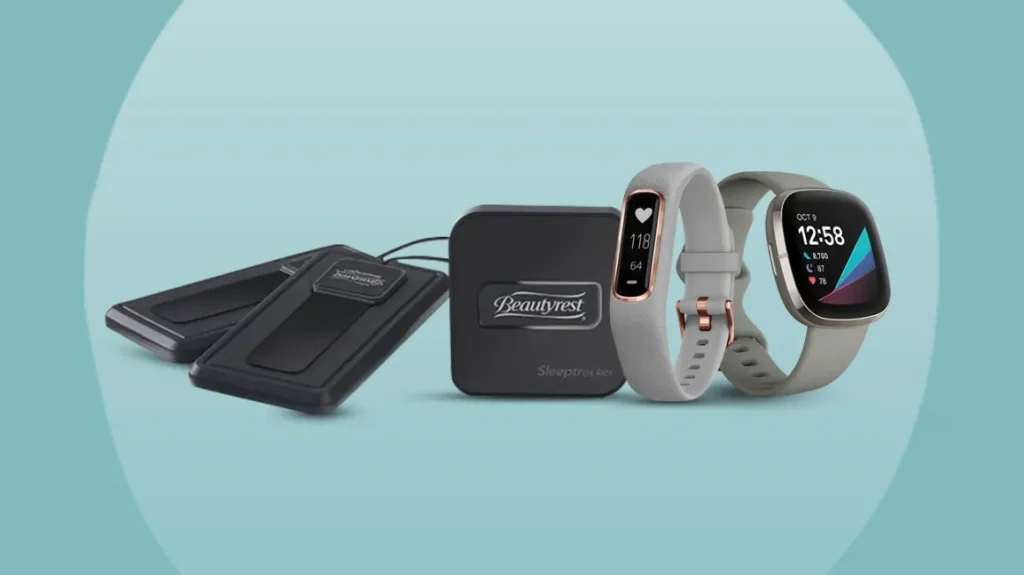
Non-wearable sleep trackers are another choice. These devices are placed under the mattress or on the bedside table. They are ideal for those who find wearables uncomfortable.
Common non-wearable options include:
- Under-mattress sensors: These track sleep through body movements.
- Bedside monitors: These use sound and light to monitor sleep.
- Smart mattresses: These have built-in sensors for sleep tracking.
Here is a comparison of non-wearable devices:
| Device | Features | Setup |
| Under-mattress sensor | Body movements, sleep stages | Under the mattress |
| Bedside monitor | Sound, light, sleep stages | On the bedside table |
| Smart mattress | Body movements, heart rate | Integrated into the mattress |
Credit: www.healthline.com
Benefits of Sleep Tracking
Sleep tracking devices are becoming more popular. They help people understand their sleep patterns. These devices can be worn on the wrist or placed under the mattress. Understanding sleep can lead to better health. This article discusses the benefits of sleep tracking.
Improved Sleep Quality
Using sleep tracking devices can lead to better sleep quality. These devices monitor various aspects of sleep. They track the time you fall asleep and wake up. They also measure how long you stay in each sleep stage. This information helps in identifying sleep problems.
With accurate data, you can make changes to your sleep habits. Here are some ways sleep tracking can help:
- Identifying sleep patterns: Knowing when you sleep best can help you plan bedtime.
- Detecting disturbances: Devices can show if you wake up often during the night.
- Monitoring sleep stages: They provide details about deep, light, and REM sleep stages.
By understanding these patterns, you can create a better sleep environment. This can involve changing your bedtime routine or adjusting room conditions. Small changes can lead to significant improvements in sleep quality.
Health Insights
Sleep tracking devices offer valuable health insights. They do more than just track sleep. They can monitor heart rate, breathing, and movements during the night. This data helps in understanding overall health.
Here are some key health benefits of using sleep trackers:
- Heart health: Tracking your heart rate during sleep can reveal irregularities.
- Breathing patterns: Monitoring breathing helps detect sleep apnea and other issues.
- Activity levels: Some devices track daytime activities, providing a full picture of health.
These insights can guide lifestyle changes. For instance, improving diet or increasing exercise. Sleep trackers provide a holistic view of health, making it easier to identify and address issues early.
Choosing The Right Device
Sleep tracking devices can help you monitor your sleep patterns. This can lead to better sleep and improved health. Choosing the right device can be tricky. This guide will help you understand what to look for.
Features To Consider
When picking a sleep tracking device, certain features are key. Accuracy is one of the most important aspects. The device should track sleep stages accurately. Comfort is also crucial. You will wear it while sleeping, so it should be comfortable.
Battery life is another factor to consider. A device with a long battery life is more convenient. Data sync is important too. The device should sync easily with your phone or computer.
| Feature | Importance |
| Accuracy | High |
| Comfort | High |
| Battery Life | Medium |
| Data Sync | Medium |
Some devices also offer extra features. For example, heart rate monitoring or smart alarms. These can be useful but may increase the price.
Popular Brands
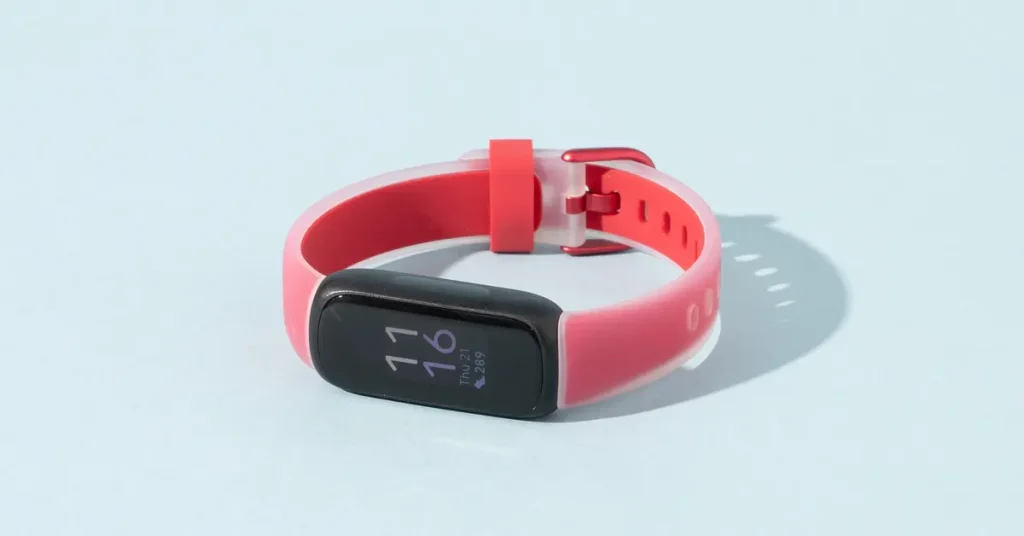
Several brands stand out in the market for sleep tracking devices. Fitbit is one of the most popular brands. Their devices are known for accuracy and comfort. Garmin also offers high-quality sleep trackers. They are especially good for athletes.
Oura is another brand to consider. Their ring-shaped tracker is unique and comfortable. Withings offers devices that are easy to use and sync well with phones. Xiaomi provides budget-friendly options. Their devices are simple but effective.
- Fitbit
- Garmin
- Aura
- Withings
- Xiaomi
Each brand has its pros and cons. Consider your needs and budget before choosing. A good sleep tracker can improve your sleep quality and health.
Credit: www.nytimes.com
Frequently Asked Questions
What Is A Sleep Tracking Device?
A sleep tracking device monitors your sleep patterns. It provides data on sleep duration and quality.
How Do Sleep Trackers Work?
Sleep trackers use sensors to detect movements and heart rate. They analyze this data to determine sleep stages.
Do Sleep Trackers Improve Sleep Quality?
Sleep trackers can help you identify sleep issues. They provide insights to improve sleep habits and environment.
Conclusion
Sleep tracking devices can improve your sleep quality. They help monitor patterns and habits. These devices can offer valuable insights into your sleep routine. Better sleep leads to better health and productivity. Consider trying one to enhance your nightly rest.
With consistent use, you can develop healthier sleep habits. The right sleep tracking device can make a significant difference. Sleep well, live well.