
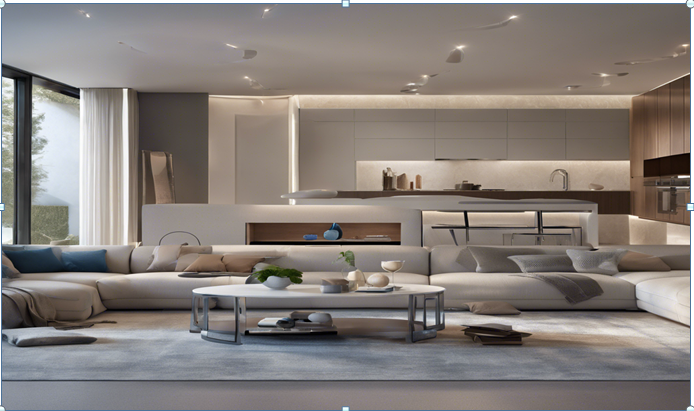
You might not realize, but today’s average household boasts over 10 gadgets that link up shaking up our daily habits and the way we connect with the world around us.
We’re smack in the middle of a big shift in lifestyle patterns, as smart living tech takes over. This movement has a huge influence on stuff, from keeping our houses in check to keeping tabs on our health. It’s like we’re at the front row of a major blend of digital breakthroughs and normal life, with artificial intelligence and machines doing their thing as a normal part of what we do everyday.
In this detailed walkthrough, we’re going to check out the fresh lifestyle vibes 2024 threw our way and see how tech in our lives is redoing the world around us. We’re talking about all the cool smart health-tracking moves to lifestyle tech magic for living clean and green. We’re also going to tackle big headaches like keeping our private stuff private, staying safe, and making sure our tech love doesn’t trash the planet.
How Smart Living Spaces Are Changing the Game
It’s pretty wild, but our homes have turned into smart living spaces that are changing up the stuff we do every day. So, these studies show that the usual U.S. home has got 17 connected devices, and that’s a huge leap from just having separate gadgets to having a whole system that works together.
From Solo Gadgets to Systems That Work in Sync
Our living spaces have transformed into complex ecosystems way beyond just hooking up gadgets. They are all about teamwork where each part plays nice with others. Here’s what you find in a hip smart home setup now:
- Wicked smart machines and stuff that keeps the air and temperature just right
- All-in-one security setups
- Gadgets that listen and do what you say
- Tech that helps you save on power bills
- Tools that keep an eye on your health
AI and Machine Learning’s Part
Witnessing how “artificial intelligence” and machine learning have morphed into the backbone of these tetchy homes is super cool. These whiz-bang systems learn our ways and stuff we dig to dish out super custom vibes. They’ve got these wicked smart formulas that let our pads figure out and tweak things to our liking — think getting the lights just right or picking shows we’re into.
Effect on How We Rock Our Daily Routines
Smart tech has changed our everyday lives. We tell Amazon Alexi or Google Assistant one thing, and they do a lot of stuff for us, while other AI systems pick up on what we like and get better over time. Our homes have become super smart making them places that help us chill and get things done.
It’s wild to think about how these things just seem to get what we want. By 2034, the big brains think we won’t even need keys or switches anymore because stuff like biometrics and talking to machines will take over. That’s going to be a big deal in the way we hang out in our homes.
Digital Wellness and Health Integration
In our super-fast world, health tech is merging with our smart houses like never before. This change is shaking up the way we keep an eye on our health. The health tech industry is stepping up to tackle new obstacles, with a “significant boom in innovative solutions” (link_3).
Neat Health Watching Gadgets
We’re seeing an awesome change. It used to be all about hospitals, but now it’s all about your own gadgets at home. These fancy smart houses can now check on all sorts of health stuff:
- Keeping tabs on your heartbeat all the time
- Systems to check your blood pressure
- Watching how you sleep
- Keeping track of how fast you breathe
- Noticing how you move
These gadgets are super important because they give “real-time data to healthcare providers” (link_4). This means docs and nurses can take care of folks even when they’re far away.
Gadgets to Keep Your Mind Chill
Technology’s got us on a fast track to better mental health support, yak know? Smart homes are getting decked out with stuff made just for keeping your mind in check. They’ve got these brainy AI algorithms that take a peek at your social media stuff and the way you click around online to guess if you’re hitting a mental rough patch—and they’re getting’ it right more often than not! Adding in some smart lights and sound healing tricks, that’s what’s hot right now in 2024. Yeah, people are all about setting up spaces that help you stay fit.
Pioneering Preventive Health Stuff
The way we look after our health before we get sick has changed a lot because we’re now mixing technology with our everyday habits. Our houses are getting smarter letting us keep an eye on how we live our lives with the help of the Internet of Things. These devices are super useful—they can spot health problems, figure out what’s wrong, and keep track of our condition. It’s pretty cool that these systems can look at patterns in our vital stuff like heart rate and can warn us about health troubles before they hit us. This is changing the game in healthcare with five big modern tech things that are leading the way in stopping sickness, including new ways to test for diseases and fancy ways to watch patients from afar.
With these new smart home trends, we make houses that do more than just give us a roof over our heads—they help us stay fit and keep our minds healthy. This mix of new tech into our homes is a big deal—it’s changing the game on how we keep healthy day to day.
Smart Solutions for Eco-conscious Home Life
Embracing an eco-conscious lifestyle, we’re seeing a wave of change with smart home tech leading the charge in making us more responsible. , the merge of green tech is more essential than before showing that smart cribs can lower the power they gulp by up to 16% thanks to some nifty control tech.
Houses Saving Power with Smarts
It’s pretty wild how Smart Home Energy Management Systems (SHEMS) are making over the way we keep tabs on and tweak our power needs. These gadgets are all about shaving 12% off heating bills and knocking back AC costs by 15%. Our pads can now get smart about their power munching, all based on who’s home and the latest diets on power use.
Slamming in Eco-cool Gizmos
Sustainable tech is now a big deal in the “lifestyle tech” scene, with LED lights right out front. Fact is LED bulbs gobble up way less juice—like 75% less energy than the old-school bulbs. Folks are decking out their smart homes with all sorts of planet-happy gear:
- Automated shades to manage sunlight like a boss
- Clever water systems that cut down on the wet stuff
- Smart gadgets that sip on electricity and chat with the internet
- Motion-triggered lights that slash energy use big time somewhere between 35-75%
Systems to Make the Most of Resources
Smart houses are sparking a huge change in resource management. They use top-notch water saving tech and clever watering setups to fight against the lack of water. These Iota gadgets let you track how much stuff you use in real-time, and some places have cut down on their carbon footprints by sharing energy online. These wicked smart systems can cut down on how much energy homes use by up to 15%, which is like saying bye to 27 coal plants.
Keeping Things Private and Safe in Smart Homes
Nowadays keeping our private lives private in smart homes is super important. Studies have found that a whopping 72 out of 81 Iota gadgets are spilling the beans to outside companies without folks even knowing. As we get all into this lifestyle tech, tackling these security headaches is a must.
Rules for Keeping Data Safe
Smart homes are undergoing a major change in how they deal with private data. Research shows these devices could give away unique IDs that make a residence as unique as 1 in 1.12 million. To fight this, we’re setting up strong data safety systems designed to protect personal info and block unwanted entry.
Keep Smart Device Networks Safe
We’ve stepped up our game in keeping networks safe. Here are the must-dos for top-notch security:
- Break up your network with different Wi-Fi spaces just for your smart gadgets
- Stay on top of firmware updates and patch up any holes
- Use tough-to-crack encryption and make sure the right people can get in
- Always keep an eye on how your devices act
Studies show a lot of Iota gadgets don’t have the strong security they should. This makes them super easy marks for those sneaky cyber attacks. It looks like the folks who make these things are all about making them work cool and not so much about keeping them safe. That means we got to step up and shield ourselves extra hard.
User Privacy Buttons and Switches
Getting a grip on who gets to peek at your personal stuff is super important when you’re living in a world where everything’s connected. All those smart doodads in your house, like cameras and microphones, can get right into your private zone. So, we got to buckle down on privacy by setting things up right and checking on them a lot. This way, we can chill with our high-tech perks without letting them spill our secrets.
The End
Smart home tech has changed how we interact with our pads and what we do every day. Digging into 2024’s lifestyle vibes, you see that all these gadgets talking to each other, AI systems, and stuff that does things on its own are teaming up to make our places to crash way more effective, healthy, and green.
We figured out that these high-tech cribs are now super important for a bunch of reasons:
- They’re like our own health check-up spots
- They cut down on what we use and are nicer to the planet
- They tailor our spots to just how we like it
- They keep our secrets safe while they keep us online
This fancy gear brings cool perks and some homework too. Sure, these smart gizmos help us chill more and get things done quick, but we can’t snooze on keeping our stuff private and making sure it’s secure. The smart pad future is all about nailing that sweet spot of handy and safekeeping.
Smart home tech keeps getting better bringing new chances to live more and boost our wellbeing. Mixing AI stuff like Iota devices, and fancy tracking systems hints at a cool tomorrow where our homes help out with our health feeling cozy, and looking after the planet.
FAQs
Q1. How can smart home technology improve energy efficiency?
Smart home systems can significantly reduce energy consumption through automated control of heating, cooling, and lighting. Energy management systems can optimize usage based on occupancy patterns and real-time data, potentially cutting energy costs by up to 16%.
Q2. What are some key features of digital wellness integration in smart homes?
Digital wellness features in smart homes include continuous health monitoring systems for vital signs, sleep pattern analysis, and mental health support. These technologies can provide real-time data to healthcare providers and even predict potential health issues based on behavioral patterns.
Q3. How are smart homes addressing privacy concerns?
Smart homes are implementing robust data protection frameworks, network segmentation, and strong encryption protocols to address privacy concerns. Users are also given more control over their personal data through configurable privacy settings and regular monitoring of device behavior.

