





Is a Hidden Vitamin Deficiency Making You Snore? The Surprising Link to a Good Night’s Sleep
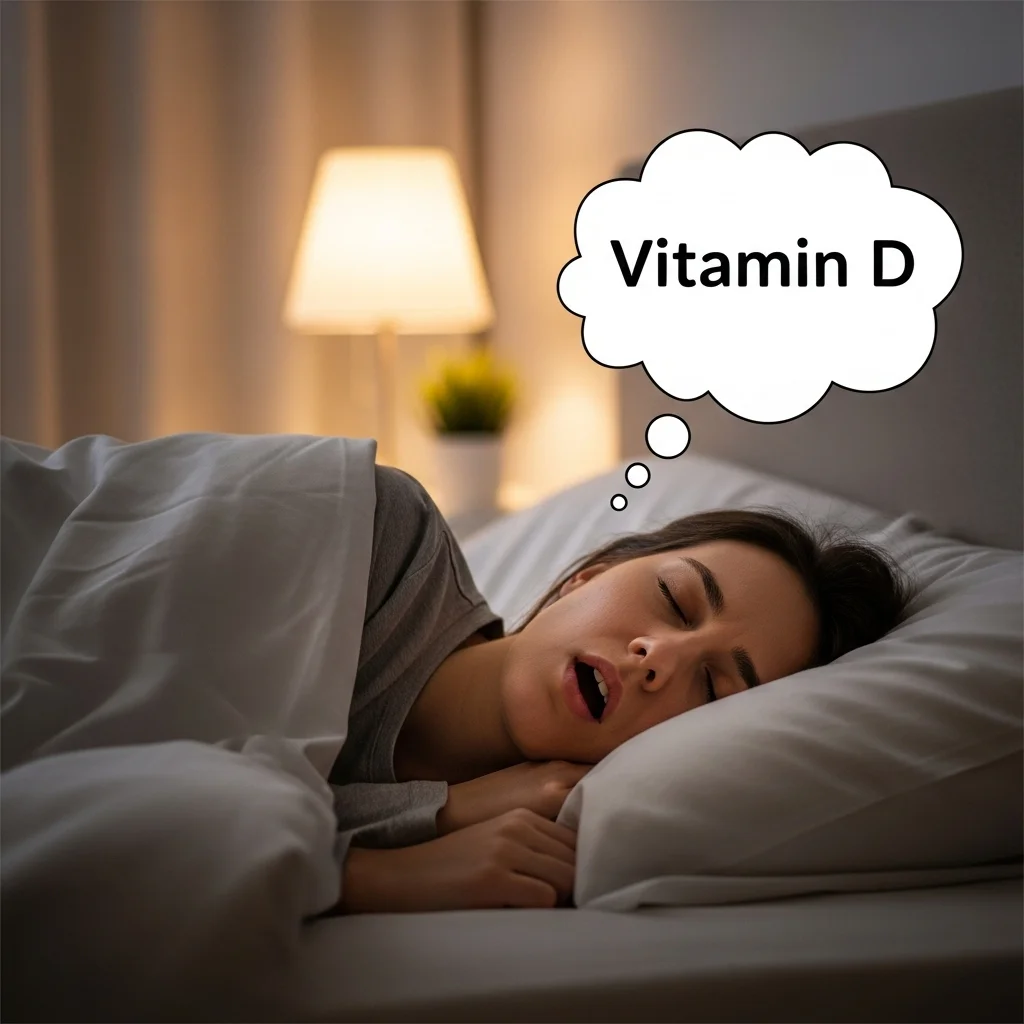
That disruptive sound breaking the silence of the night – could it be you? Snoring is a common issue, often brushed off as a mere annoyance for your sleep partner. While fatigue and sleeping position play a role, a surprising culprit might be lurking behind your nightly noise: a vitamin D deficiency.[1]
A recent study has brought to light a fascinating connection between low vitamin D levels and the likelihood of snoring.[1] This revelation suggests that the “sunshine vitamin,” primarily known for its role in bone health, might also be a key player in achieving peaceful, snore-free sleep.[1]
The Science Behind the Snore: A Closer Look at the Research
Researchers have uncovered a significant link between vitamin D deficiency and snoring. One study found that individuals with low vitamin D levels were nearly twice as likely to be snorers.[1] The study, which analyzed 238 adults, revealed that snorers had notably lower vitamin D levels compared to their non-snoring counterparts.[1] In fact, approximately 75% of the snorers in the study were found to be deficient in this essential vitamin.[1]
While the exact mechanisms are still being explored, it’s believed that vitamin D may help reduce inflammation in the airways and strengthen the muscles that keep them open during sleep.[1] A deficiency could, therefore, contribute to the airway narrowing that leads to the vibrations we recognize as snoring.[1]
Beyond just snoring, vitamin D is also associated with overall sleep quality.[2][3][4] Adequate levels of this vitamin are linked to deeper, more restorative sleep.[5] Therefore, addressing a deficiency could not only quiet your snoring but also lead to a more restful night’s sleep.
More Than Just a Nuisance: The Health Implications of Snoring
It’s important to recognize that snoring can be more than just a noisy habit. Chronic and loud snoring can be a symptom of a more serious condition called obstructive sleep apnea (OSA).[6][7][8] In OSA, breathing repeatedly stops and starts during sleep, which can lead to a host of health problems, including:
- High blood pressure[8][9]
- Heart disease[8][9][10]
- Stroke[6][9][10]
- Type 2 diabetes[6]
- Daytime fatigue and difficulty concentrating[6]
Even without sleep apnea, habitual snoring can cause inflammation in the carotid artery, which is a risk factor for cardiovascular issues.[7]
Your Action Plan for Quieter Nights and Better Health
If your snoring is a persistent problem, it’s worth investigating the possibility of a vitamin D deficiency.
1. Get Tested: The first step is to get your vitamin D levels checked by a healthcare professional. A simple blood test can determine if you have a deficiency.[11]
2. Boost Your Vitamin D Intake: If your levels are low, you can increase them through:
- Sunlight: Our bodies naturally produce vitamin D when exposed to sunlight.[12]
- Diet: Incorporate vitamin D-rich foods into your meals. Excellent sources include fatty fish like salmon and mackerel, egg yolks, and fortified foods such as milk and cereals.[12][13][14][15][16]
- Supplements: Your doctor may recommend a vitamin D supplement to bring your levels up to a healthy range.[12][14]
3. Embrace a Snore-Free Lifestyle: In addition to addressing your vitamin D status, several lifestyle changes can help reduce snoring:
- Sleep on your side: This can prevent your tongue from blocking the back of your throat.[17][18][19]
- Maintain a healthy weight: Excess weight, particularly around the neck, can narrow your airway.[6][18][19]
- Avoid alcohol before bed: Alcohol relaxes the throat muscles, which can worsen snoring.[17][18][19]
- Stay hydrated: Drinking plenty of water can help keep the mucus in your airways from becoming sticky.[20]
Conclusion: A Quiet Night’s Sleep May Be Within Reach
The connection between vitamin D deficiency and snoring offers a new perspective on this common sleep issue. By taking steps to ensure you’re getting enough of this vital nutrient, you may not only silence your snores but also improve your overall sleep quality and long-term health. Don’t let snoring be a nightly disturbance any longer. A simple vitamin check could be the first step towards quieter nights and a healthier you.
Frequently Asked Questions (FAQ)
What is the main cause of snoring?
Snoring occurs when the flow of air through your mouth and nose is physically obstructed.[6] This can be due to a variety of factors, including relaxed throat muscles, the anatomy of your mouth, nasal congestion, and being overweight.[6]
How does vitamin D deficiency contribute to snoring?
While more research is needed, it is thought that vitamin D deficiency may lead to inflammation in the throat and airway and weaken the muscles that keep the airway open, both of which can contribute to snoring.[1]
What are the best food sources of vitamin D?
Fatty fish like salmon, herring, and sardines are excellent natural sources of vitamin D.[12][13] Egg yolks, red meat, and fortified foods like milk, cereal, and some fat spreads also contain vitamin D.[12][14][15]
Can snoring be a sign of a serious health problem?
Yes, loud and frequent snoring can be a symptom of obstructive sleep apnea, a serious sleep disorder where breathing repeatedly stops and starts.[7][8] If you are a chronic snorer, it’s important to consult a doctor to rule out underlying health issues.[6]
What are some simple ways to reduce snoring?
Lifestyle changes can often help reduce snoring. These include sleeping on your side, maintaining a healthy weight, avoiding alcohol before bed, and using nasal strips to help keep your nasal passages open.[17][18][19][20]
Sourceshelp
- indiatimes.com
- apollohospitals.com
- nih.gov
- sleepdoctor.com
- youtube.com
- clevelandclinic.org
- sleepcycle.com
- sfenta.org
- sleepandsinuscenters.com
- kaplansinusrelief.com
- labcorp.com
- www.nhs.uk
- healthline.com
- harvard.edu
- bhf.org.uk
- patient.info
- healthline.com
- sleepfoundation.org
- mayoclinic.org
- newlifedentalarts.com

Health & Wellness Writer | Research-Informed Health Content Creator
A.K.M. Monjurul Hoque is a health and wellness writer specializing in health, beauty, fitness, nutrition and healthy living. His content is informed by health journals, books, seminars, training programs, and discussions with experienced healthcare professionals. He writes clear, practical and research-informed articles for general education and encourages readers to seek personalized advice from qualified medical professionals.