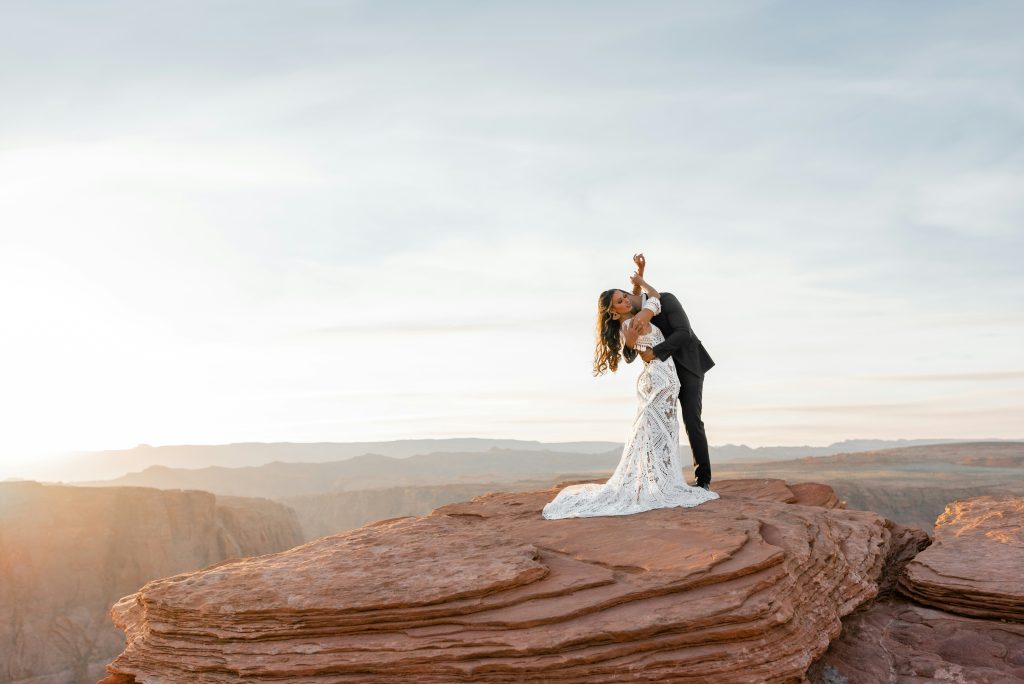
Minimalist photography captures beauty in simplicity. It highlights the essence of a subject using fewer elements.
This art form is perfect for those who love clean, uncluttered images. Minimalist photography focuses on the basics. It strips away distractions, letting the subject shine. This technique transforms ordinary scenes into extraordinary images by using space, lines, and light.
Whether you’re a beginner or an expert, mastering minimalist photography can enhance your skills. It’s not about what you add, but what you leave out. By embracing minimalism, you can create powerful, eye-catching photos. This blog will guide you with practical tips to help you take simple yet stunning shots. Ready to explore the beauty of less? Let’s dive in!
Credit: www.magazinesdirect.com
Introduction to Minimalist Photography
Minimalist photography focuses on simplicity and limited elements. This style is all about reducing clutter. The idea is to highlight a subject with a clean background. Less is more. Every element in the frame counts. Each one serves a purpose.
What Is Minimalist Photography?
Minimalist photography is about using a few elements. The goal is to create a strong visual impact. The image should be simple but powerful. It often features a lot of negative space. This space helps to draw attention to the main subject. The subject is usually clear and easy to identify. Colors are often muted or limited to a few. This style can evoke calm and focus.
Importance of Simplicity
Simplicity is key in minimalist photography. It helps to create a strong focal point. The viewer’s eye is drawn to the main subject. Too many elements can be distracting. The viewer might not know where to look. A simple image is often more striking. It can leave a lasting impression. Simplicity can also convey a sense of peace and clarity.
Choosing the right camera is key. A mirrorless camera or DSLR works well. Use a prime lens. Prime lenses are sharp and clear. 50mm or 35mm lenses are great choices. These lenses help you focus on your subject. Zoom lenses can also work. But they are often bigger and heavier. Lightweight gear is better for minimalist shots.
A good tripod is very important. It keeps your camera steady. Look for a lightweight tripod. A remote shutter is also helpful. It prevents camera shake when you take photos. Extra batteries are a must. Minimalist shots need patience. You don’t want to run out of power.
Choosing The Right Subject
Look for subjects with clean lines and simple shapes. Nature offers many options, like a single flower, a tree against the sky, or a lonely rock on a beach. Everyday objects can also work well. A chair, a cup, or a book can be great subjects if framed correctly. Keep it simple and avoid clutter.
Use a plain background to make your subject stand out. A wall, the sky, or a simple cloth works well. Close-ups can help focus on details. Use a shallow depth of field. This blurs the background and keeps the subject sharp. Move around to find the best angle. Change your position until the subject is clear.
Mastering Composition
Capture the essence of minimalist photography with these tips for simple yet stunning shots. Focus on clean lines, ample negative space, and essential elements to create striking images.
Rule of Thirds
Use the rule of thirds for better photos. Divide your frame into three equal parts, both horizontally and vertically. Place the subject at the intersections. This makes the shot more balanced. It also draws the viewer’s eye naturally. Your photos will look more professional. Always keep the main subject off-center.
Negative Space
Negative space is the empty area around your subject. It makes the subject stand out. Use it to simplify your photo. This technique adds clarity and focus. The viewer’s attention goes straight to the subject. Avoid clutter in the background. Less is more in minimalist photography. Keep your shots clean and simple.
Lighting Techniques
Natural light is the best for minimalist photography. Morning light is soft and lovely. Evening light creates long shadows. Both times are perfect for simple shots. Look for shaded areas to avoid harsh light. Cloudy days are also great. They give even light. Move around to find the best angle. You can create beautiful photos with natural light.
Artificial light can be useful too. Lamps and bulbs are easy to use. Soft light is better. Use lampshades to soften the light. Avoid direct light on subjects. Move the light to get the best effect. You can use more than one light. It helps to remove shadows. Try different angles. Experiment until you get the right look. Simple setups can make great photos.

Credit: lightroom-photoshop-tutorials.com
Color and Contrast
Color and contrast play a key role in minimalist photography. Use bold colors and stark contrasts to create striking, simple images. This approach draws attention to the subject, making your photos visually appealing.
Using Monochrome
Monochrome photos use one color or shades of one color. This style can make the image feel calm and clean. The use of black and white is common. It helps focus on shapes and lines. This removes distractions from other colors.
Try to use light and dark shades. This adds depth to the photo. A single color can also create a mood. For example, blue can feel cool and calm. Monochrome keeps things simple yet powerful.
Playing With Contrast
Contrast is the difference between light and dark. High-contrast photos have strong differences. This can make the subject stand out. Low-contrast photos are softer and more gentle.
Play with shadows and highlights. Dark shadows can add mystery. Bright highlights can draw attention. Use natural light for the best effect. Early morning or late afternoon light works well.
Post-processing Tips
Using basic editing tools can enhance your minimalist photos. Adjust brightness and contrast for better light balance. Cropping helps remove unwanted elements. Saturation changes the color intensity. Sharpness makes edges clearer. Experiment with these tools to improve your photos.
Enhance minimalism by reducing distractions. Remove clutter to focus on the main subject. Use negative space wisely. Keep the background plain. Black and white filters can add simplicity. Try these tips to make your photos more minimalistic.
Inspiration and Practice
Discover minimalist photography by focusing on clean lines and simple compositions. Practice using negative space to highlight your subject. Keep your shots uncluttered for a stunning visual effect.
Studying Minimalist Artists
Study the work of minimalist artists. Observe their use of negative space. Notice their focus on simple shapes and lines. Look at how they reduce details. Understand their composition techniques. These artists inspire and teach valuable lessons. Their art shows the power of simplicity.
Consistent Practice
Practice your minimalist photography daily. Take pictures of simple objects. Use natural light. Experiment with different angles. Keep your compositions clean. Focus on one subject. Review your photos. Learn from your mistakes. Consistency leads to improvement. Over time, your skills will grow.
Frequently Asked Questions
What Is Minimalist Photography?
Minimalist photography focuses on simplicity, using minimal elements to create a strong visual impact. It emphasizes clean lines, empty spaces, and simple compositions.
How To Achieve Minimalist Photography?
To achieve minimalist photography, use fewer elements, focus on simple compositions, and utilize negative space. Pay attention to light and shadows.
Why Is Negative Space Important?
Negative space enhances the subject by providing a balanced, uncluttered composition. It draws attention to the focal point and creates visual harmony.
What Are Common Minimalist Photography Subjects?
Common subjects include architecture, nature, and everyday objects. Focus on shapes, lines, and textures to create visually appealing images.
Conclusion
Embrace the beauty of simplicity in your photography. Focus on clear, clean compositions. Use natural light to enhance subjects. Experiment with angles and perspectives. Less is often more in minimalist photography. Capture moments that tell a story without clutter. Practice regularly to improve your skills.
Enjoy the process and have fun. Your photos will speak volumes with their simplicity. Keep refining your technique, and soon you’ll create stunning, minimalist images.