





EU Launches Major Antitrust Investigation into Google’s AI Overviews: Publishers Allege Unfair Content Exploitation and Traffic Losses
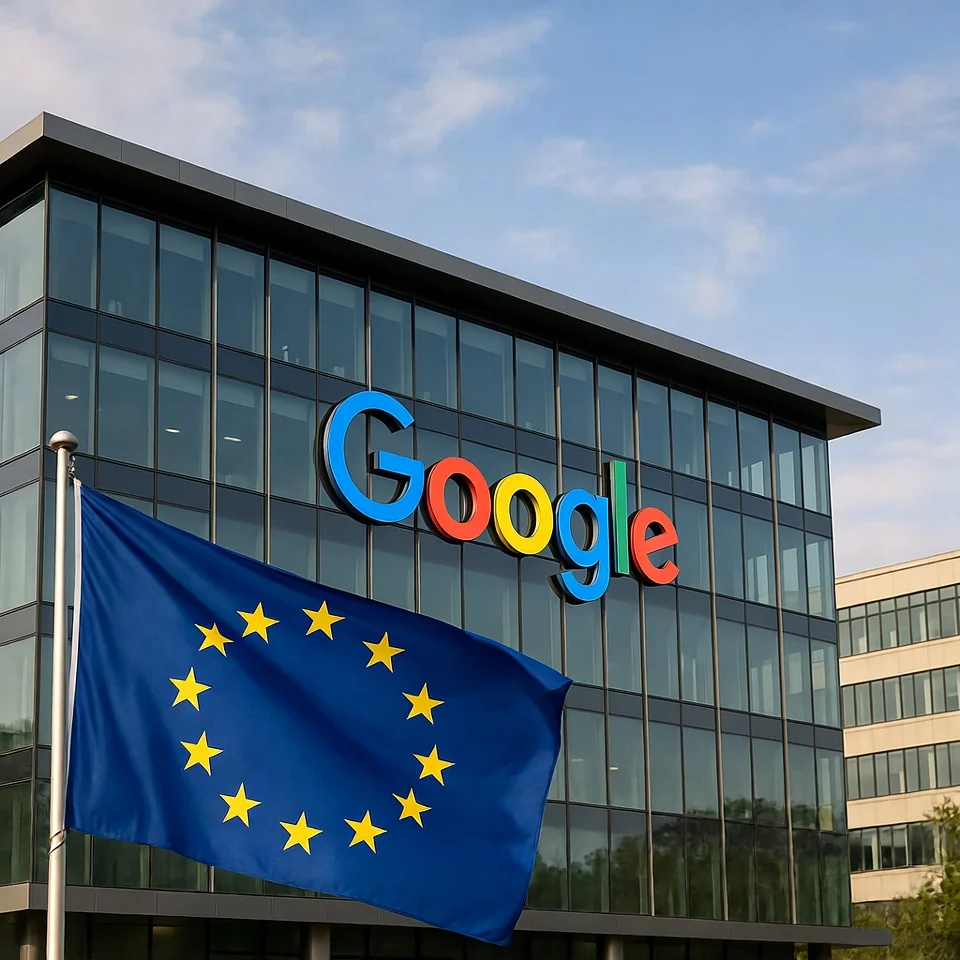
In a major escalation of tensions between Big Tech and the media industry, the European Commission opened a formal antitrust investigation into Google in December 2025. The probe focuses on whether the tech giant is abusing its dominant position in search by using publishers’ online content—and YouTube videos—to fuel its AI Overviews and related features without fair compensation or effective opt-out options.
This development follows complaints from independent European publishers, who claim Google’s AI-powered summaries are devastating their traffic, revenue, and sustainability.


What Exactly Are Google AI Overviews?
Google AI Overviews are AI-generated summaries that pop up at the top of search results, delivering quick, synthesized answers drawn from across the web. Powered by advanced models like Gemini, they aim to make searching faster and more conversational.
While convenient for users, critics argue these summaries often answer queries directly on Google’s page, reducing the incentive to click through to original sources.


Publishers’ Key Grievances Against Google
A coalition including the Independent Publishers Alliance, Movement for an Open Web, Foxglove, and later the European Publishers Council filed complaints starting in mid-2025. They accuse Google of:
- Scraping and repurposing copyrighted content to train and generate AI Overviews without proper payment or licensing.
- Forcing a “Hobson’s choice”: Publishers can’t reliably opt out of AI usage without risking de-indexing or reduced visibility in traditional search results, which still drive huge traffic.
- Triggering sharp declines in site visits—reports cite drops of 20-50% (and in some studies up to 58%) on affected queries—hitting ad revenue, subscriptions, and the viability of independent journalism hard.
These practices, publishers say, create an uneven playing field, favoring Google’s ecosystem while starving content creators.
Google’s Response and Counterarguments
Google strongly defends its approach, insisting AI Overviews enhance user experience and actually boost content discovery by linking back to sources. Company representatives highlight that billions of clicks still flow to publishers annually and attribute traffic shifts to broader trends like changing user habits or seasonal factors—not just AI features.
They argue the probe could hinder innovation in a fast-evolving competitive AI space.
Why This EU Probe Carries Massive Stakes
The investigation scrutinizes potential breaches of EU competition rules (Article 102 TFEU), including unfair trading terms on publishers and privileged access that disadvantages rival AI developers (e.g., restricting YouTube data for competitors).
If violations are confirmed, Google could face fines reaching 10% of global annual revenue—potentially billions—plus mandated changes like better opt-outs, compensation models, or altered AI display formats.
This case mirrors global debates on AI, copyright, and fair use, spotlighting how tech platforms monetize third-party content in the generative AI era.
Conclusion
The European Commission’s antitrust scrutiny of Google’s AI Overviews represents a critical crossroads for digital search, content creation, and AI innovation. While AI tools promise quicker access to information, they risk undermining the economic foundation of quality journalism and open web ecosystems if creators aren’t fairly rewarded.
Publishers view this as an existential fight against exploitation, while Google frames it as essential progress. The probe’s outcome could set precedents for how Big Tech handles web data worldwide—potentially ushering in stricter rules that protect creators without stifling technological advancement. As proceedings continue, the entire digital landscape hangs in the balance.
FAQ
What is the European Commission investigating Google for? The probe examines if Google violates EU competition laws by using publishers’ web content and YouTube videos for AI Overviews and AI Mode without fair compensation, effective opt-outs, or by disadvantaging rival AI firms.
When did the investigation begin? The formal antitrust probe was announced on December 9, 2025, following earlier complaints from independent publishers in mid-2025.
How severely do AI Overviews impact publisher traffic? Studies and reports show referral traffic drops ranging from 10-25% overall, with some queries seeing 20-58% reductions as users get answers directly from Google’s summaries instead of clicking through.
Can publishers opt out of having their content used in AI Overviews? Currently, opting out is limited and risky—blocking Google’s AI crawlers can lead to de-indexing or lower rankings in regular search, leaving publishers with few practical choices.
What has Google said about the allegations? Google maintains that AI Overviews improve discovery, send significant traffic to sites, and that traffic decline claims often rely on partial data. They warn the investigation could slow AI innovation.
What penalties could Google face if found guilty? Fines up to 10% of global revenue, forced improvements to opt-out systems, compensation requirements for publishers, or modifications to how AI summaries appear and source content.

Health & Wellness Writer | Research-Informed Health Content Creator
A.K.M. Monjurul Hoque is a health and wellness writer specializing in health, beauty, fitness, nutrition and healthy living. His content is informed by health journals, books, seminars, training programs, and discussions with experienced healthcare professionals. He writes clear, practical and research-informed articles for general education and encourages readers to seek personalized advice from qualified medical professionals.