

In Tehran’s shadowed apartments, a tech-savvy generation refuses to vanish into the void. Amid escalating conflict and a government-imposed Iran internet blackout that has slashed global connectivity to a fraction of normal levels, young people are turning to fragile proxies and makeshift digital tunnels to pierce the censorship wall, share urgent updates, and remind the world they still exist.
The authorities cite national security—claiming foreign adversaries exploit networks for attacks—but for ordinary citizens, especially youth, the shutdown feels like deliberate erasure. Domestic apps function, yet widespread distrust labels them surveillance traps. International watchdogs, including Human Rights Watch, warn that blocking access heightens civilian risks by cutting off safety alerts, family check-ins, and independent reporting during wartime chaos.
The Relentless Hunt for Digital Lifelines

For 24-year-old Reza in northern Tehran, rest is a distant memory. Nights blur into endless scrolling for working proxies—temporary bridges rerouting traffic via overseas servers, often shared through Telegram features or encrypted chats.
“VPNs we trusted before? Mostly dead now,” Reza says, exhaustion in his voice. “These proxies are like ghosts—they flicker on for hours, maybe a day, then vanish. I test dozens and share the survivors with friends and family. It’s exhausting, but giving up means silence.”
This cat-and-mouse chase has become routine for many young Iranians. Groups circulate configuration files via text or offline methods when possible. A student in Europe might send a lifeline link to a partner back home, granting fleeting minutes of connection before the next block hits.
Authorities have escalated: SMS warnings threaten legal action against those bypassing restrictions, labeling repeated attempts criminal. Yet determination persists—some risk black-market tools or rare satellite links, knowing detection carries heavy consequences.
Isolation Deeper Than the Blackout

The Iran internet blackout inflicts more than technical frustration; it weaponizes uncertainty. Families lose touch, friends can’t coordinate, and independent news evaporates. State media fills the gap, but trust is nonexistent.
“It feels like living inside a sealed room while explosions rattle the walls,” says Sara, a 21-year-old activist. “We learn to decode sounds—the low rumble of distant strikes, the sharper crack closer by. But without outside confirmation, fear multiplies. Are our loved ones safe? What’s really happening beyond our street?”
The psychological toll compounds physical danger. Cut off from real-time alerts, civilians navigate air-raid risks blindly. Human rights organizations highlight how the blackout endangers lives by blocking access to emergency info and humanitarian channels.
Still, pockets of resistance endure. Youth share strike locations informally, warn of incoming threats via surviving links, and document realities for eventual upload—proving visibility is worth the risk.
A Fight for Existence in the Digital Age
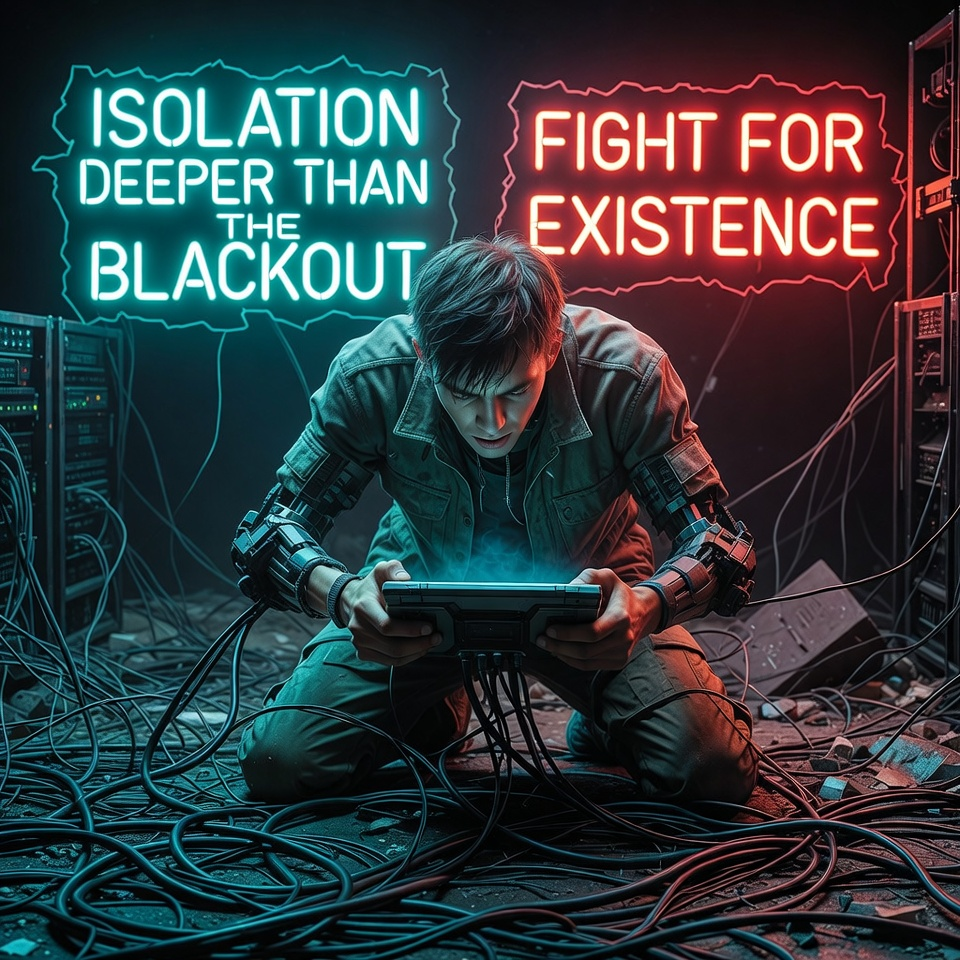
This isn’t just about browsing; it’s survival. Young Iranians aren’t waiting for rescue—they’re building fragile networks to stay seen and heard. Their quiet defiance echoes a universal truth: no wall, no matter how thick, can fully silence a determined generation.
As the conflict drags on and connectivity hovers near zero, their message breaks through in whispers: We are here. We are fighting. Don’t forget us.
Conclusion
The Iran internet blackout during this turbulent period underscores a harsh reality—information control can be as devastating as physical attacks. Yet the ingenuity and courage of young Iranians using proxies and secret links offer hope. Restoring open access isn’t just a technical fix; it’s essential for safety, truth, and humanity. Until then, their digital resistance reminds the world that voices, no matter how muffled, refuse to fade entirely.
FAQ: Iran Internet Blackout and Youth Resistance
What caused the current Iran internet blackout? Authorities imposed near-total restrictions following U.S.-Israel military actions, citing security threats from foreign exploitation of networks. Connectivity has remained at ~1% of normal since late February 2026.
How are young Iranians bypassing the blackout? They rely on short-lived proxy links (often via apps like Telegram), configuration files shared from abroad, and occasional alternative tools. Traditional VPNs are largely ineffective now.
Why do people distrust local Iranian apps during the blackout? Many view them as government-monitored, used for surveillance—especially against activists, students, and critics—rather than secure communication.
What do human rights groups say about the shutdown? Organizations like Human Rights Watch and Amnesty International condemn it as a rights violation that endangers civilians by limiting access to safety information, family contact, and independent news.
Is using proxies or VPNs safe in Iran right now? No—authorities issue warnings and threaten legal consequences for circumvention attempts, making it high-risk.


Your article helped me a lot, is there any more related content? Thanks!