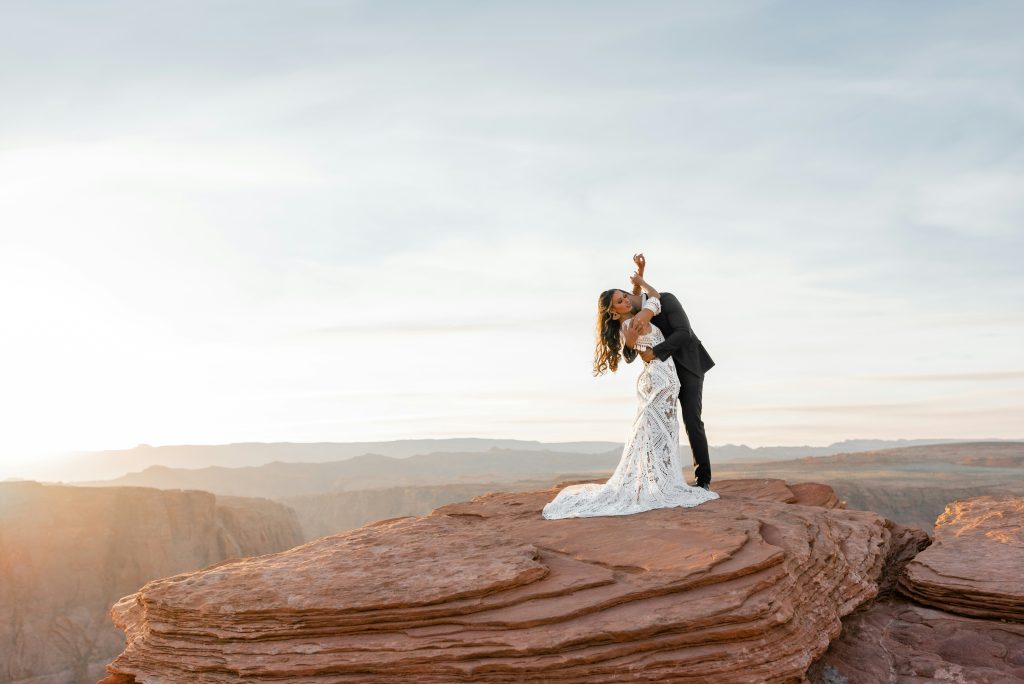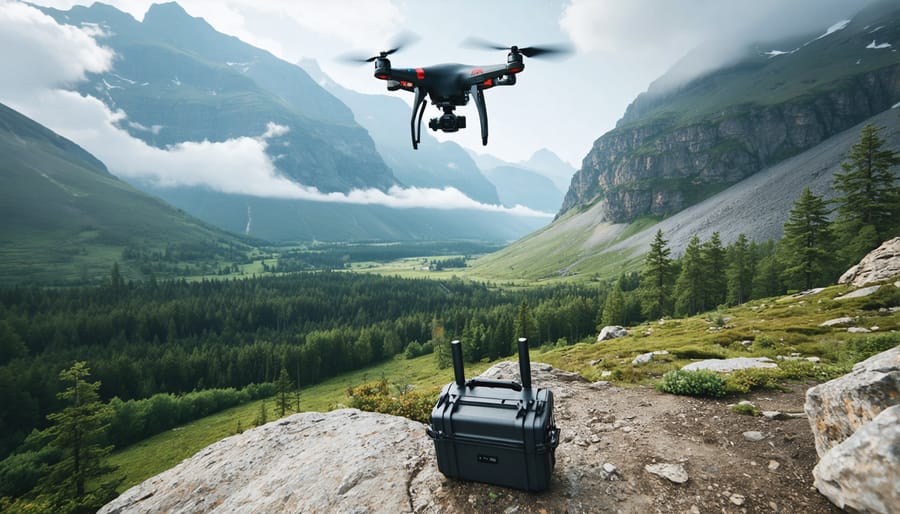
Drone photography has exploded in popularity and sophistication by 2026, evolving from a novelty into a core tool for professionals in real estate, landscapes, events, weddings, and creative storytelling. With advancements in hardware, AI, and regulations, aerial shots now deliver sharper, more dynamic, and more immersive results than ever before.
Here are the key drone photography trends shaping the field right now:
1. Ultra-High Resolution and Advanced Sensors
Drones in 2026 routinely capture true 8K imagery with superior HDR, low-light performance, and gimbal stabilization for razor-sharp stills and cinematic video. Larger sensors (like 1-inch CMOS or bigger) produce DSLR-quality results, making drone photos suitable for large prints, commercial work, and detailed post-processing.

2. AI-Powered Automation and Smart Features
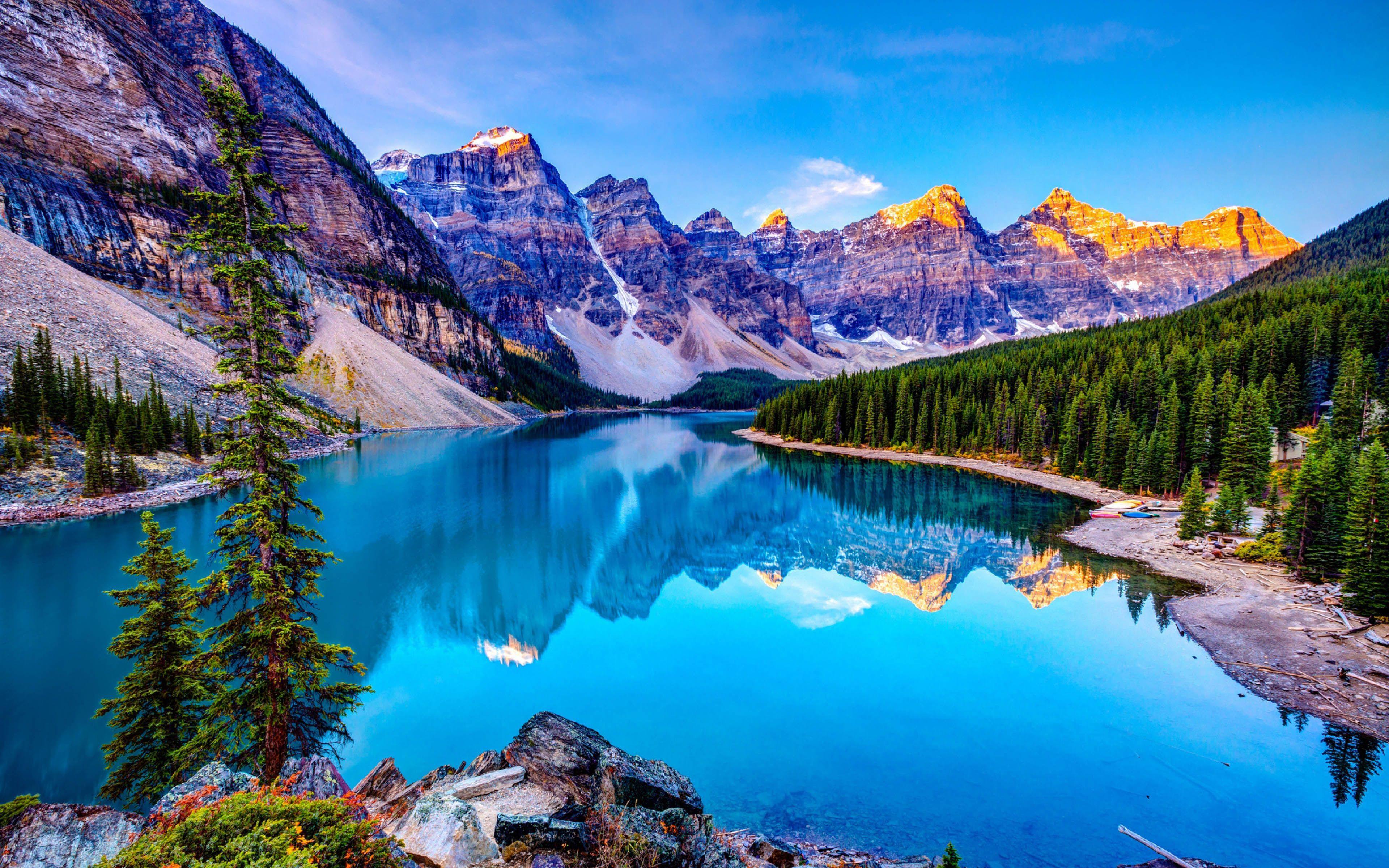
AI integration dominates: drones now offer autonomous flight paths, precise subject tracking, real-time obstacle avoidance (omnidirectional), auto-framing, and even AI-assisted composition suggestions. This frees photographers to focus on creativity rather than piloting, speeding up workflows and enabling complex shots like hyperlapses or dynamic tracking.
3. Cinematic and FPV-Style Storytelling
Gone are simple overhead snaps—the trend leans toward immersive, cinematic sequences. FPV (first-person view) sweeps through cityscapes, natural wonders, or events to create movie-like experiences. Photographers blend aerial establishing shots with ground-level details for stronger narratives in weddings, travel, branding, and documentaries.

4. Minimalist and Graphic Compositions
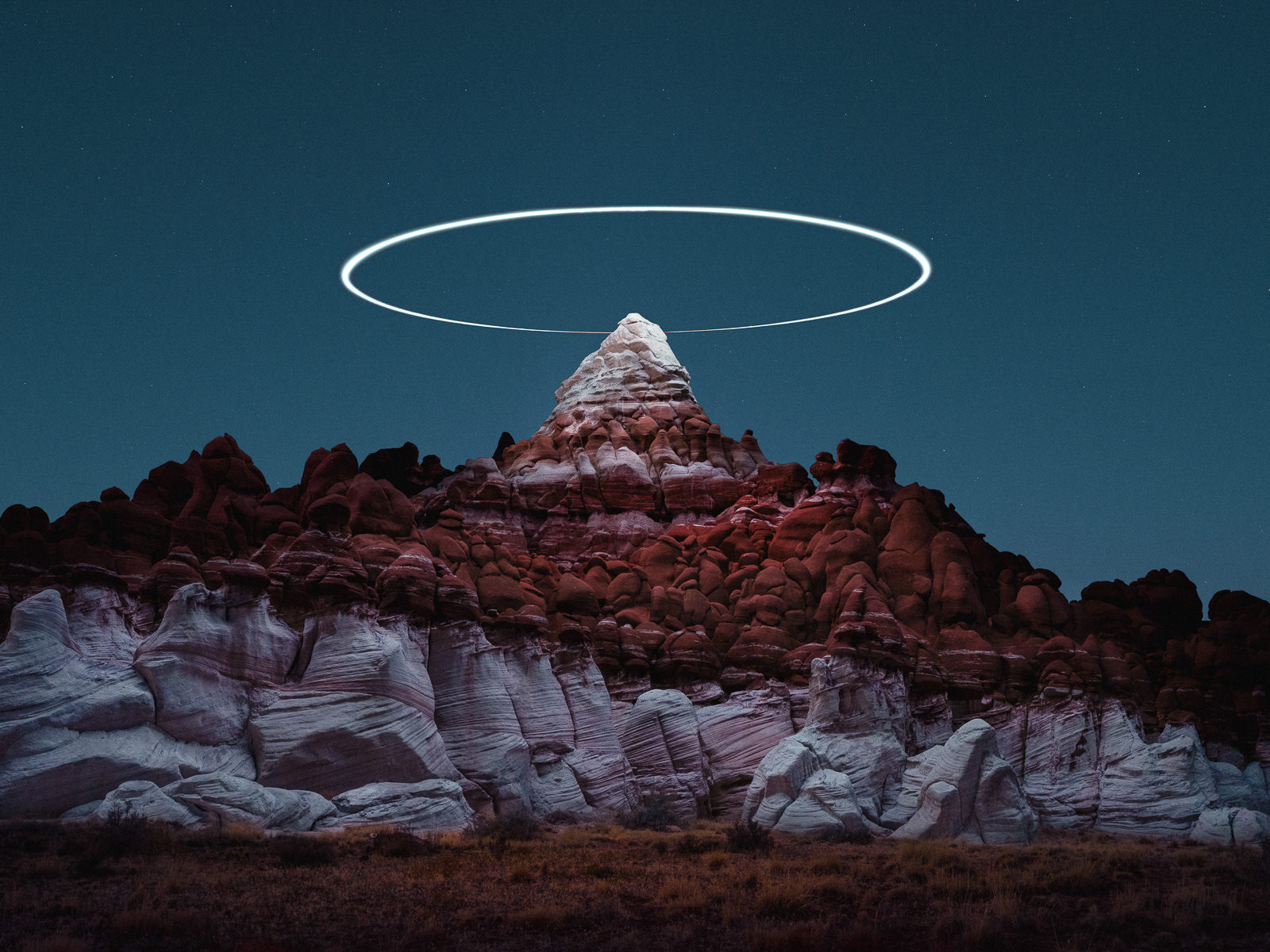
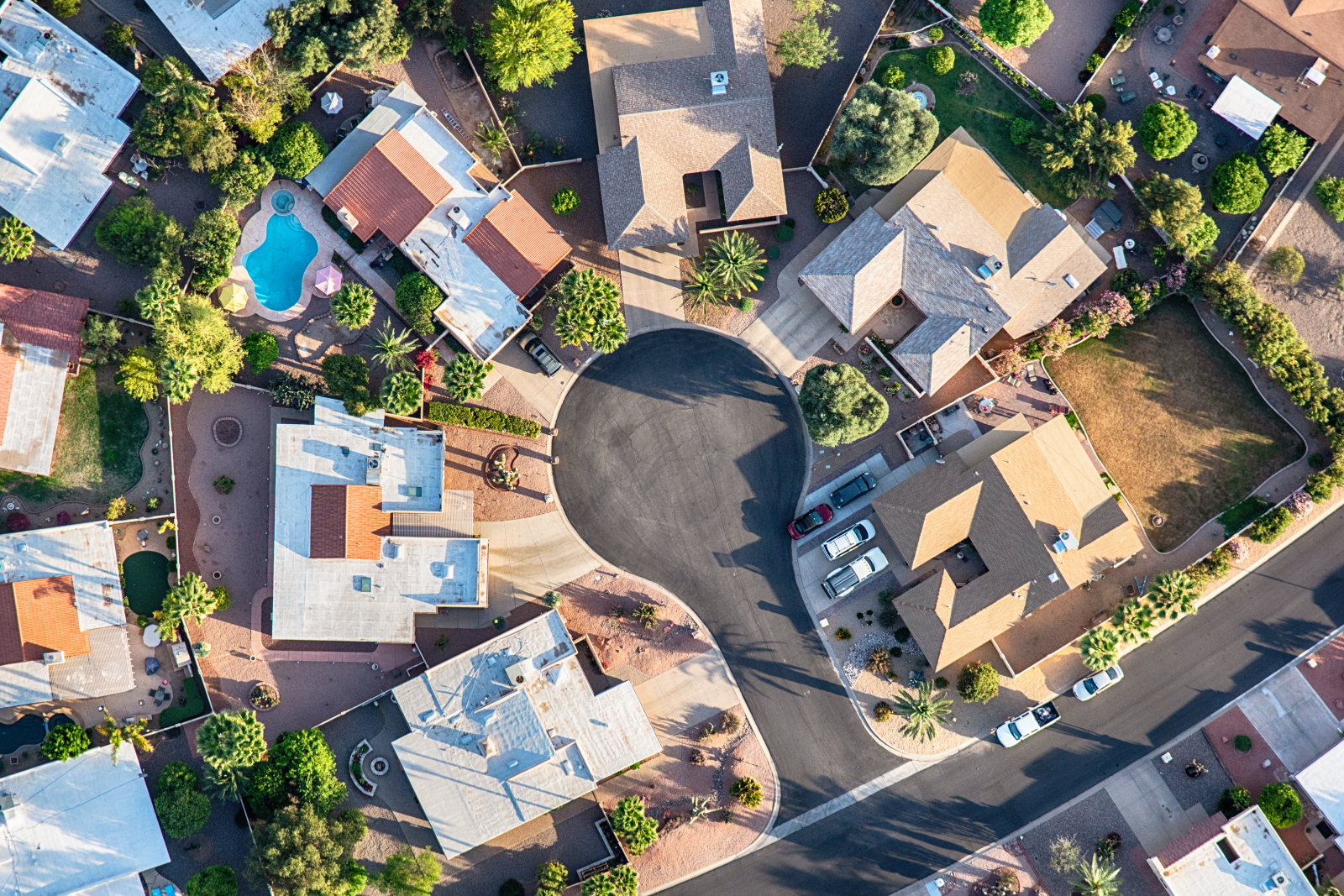
Drone work has matured beyond the “wow” factor. In 2026, top shots emphasize clean, abstract designs—patterns, geometry, negative space, scale, and symmetry. Think isolated subjects in vast landscapes or urban grids viewed from above, prioritizing artistic fundamentals over sheer height.

Landscape photography with a drone: disadvantages and limitations part 1: DPReview | Photography News, Gear Reviews & Community
5. Real Estate and Commercial Dominance
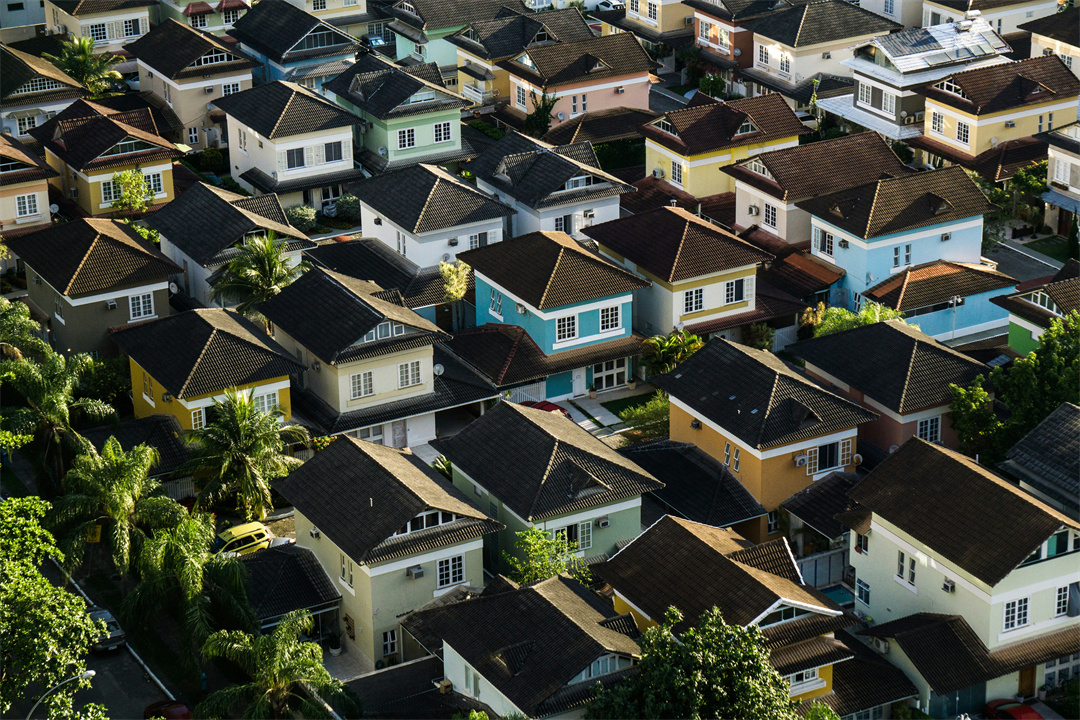
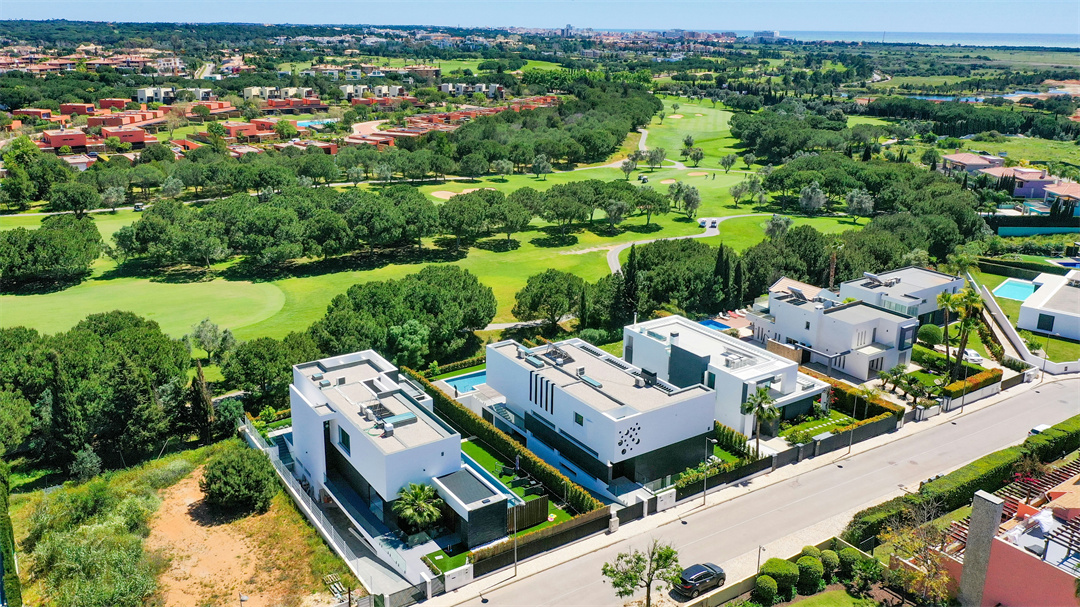
Aerial views appear in 70%+ of real estate listings, with demand surging for property overviews, virtual tours, and 3D mapping. Drones equipped with LiDAR or multispectral sensors add value in architecture, construction progress tracking, and environmental monitoring.
6. Expanded Creative and Niche Applications
Drones integrate into more fields: environmental documentation (climate/wildlife), precision agriculture, events, and even artistic experiments like light painting or hyperlapses at sunrise/sunset. Trends favor bold, authentic perspectives that showcase scale and place in ways ground photography can’t.
7. Regulatory and Safety Evolution
Eased rules in many regions (post-2025 updates) boost commercial ops, but Remote ID, safety features, and prop guards remain essential. Pilots prioritize certified, compliant gear for professional reliability.
The drone photography market continues booming, driven by accessibility, tech leaps, and client demand for unique angles. Whether you’re a hobbyist or a pro, mastering these trends—especially AI tools and cinematic techniques—can set your work apart in 2026.
What drone setup are you using, or which trend excites you most? Share in the comments!