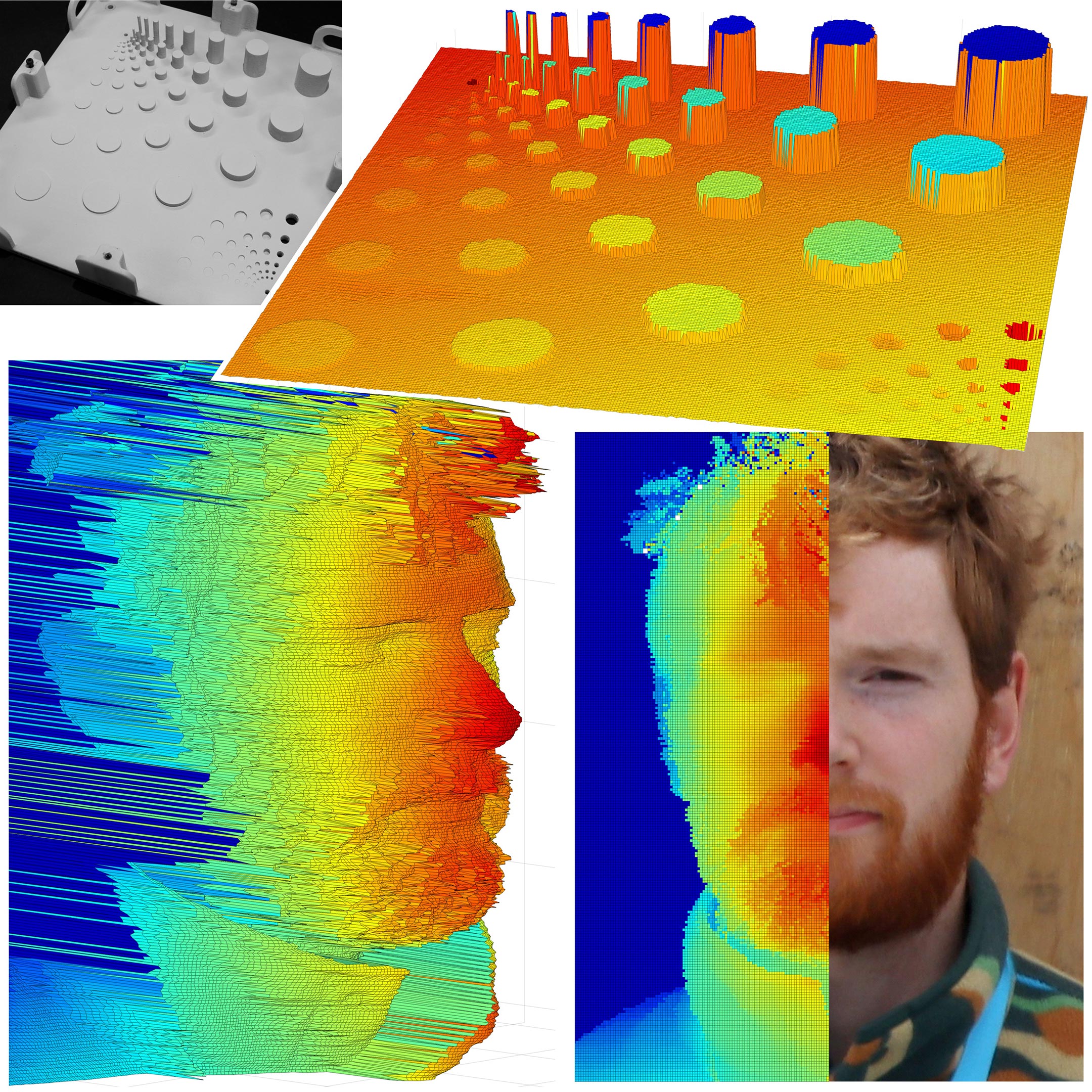
Single-Photon LiDAR: Capturing Detailed 3D Images with Precision. Discover how Single-Photon LiDAR offers incredible precision in capturing detailed 3D images. Unveil a new perspective on our world today!
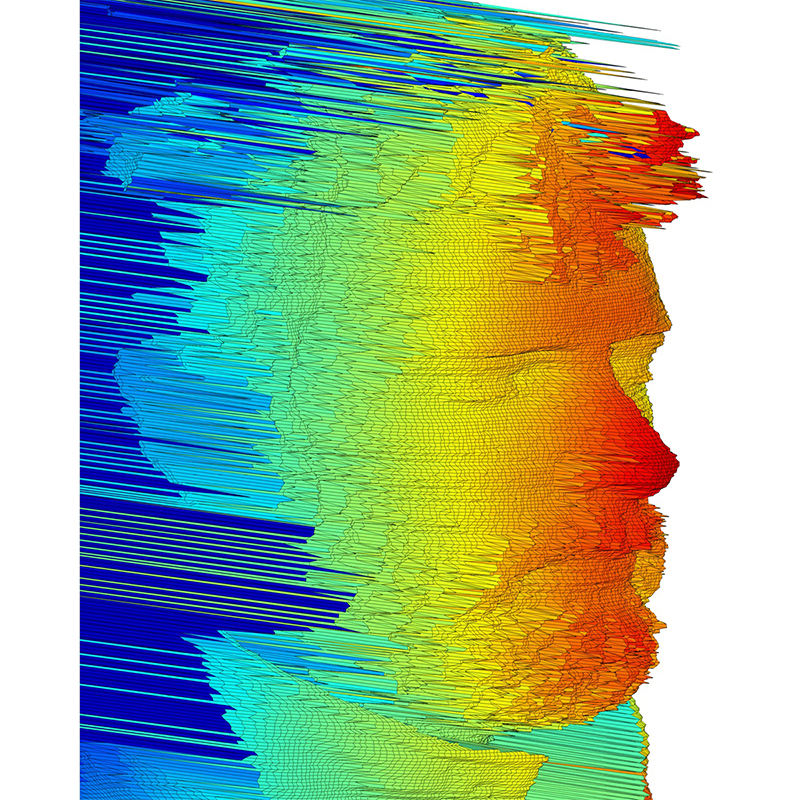
Airborne single-photon lidar system achieves high-resolution 3D imaging
Single-Photon LiDAR: Capturing Detailed 3D Images with Precision
Introduction to Single-Photon LiDAR
Single-Photon LiDAR: Capturing Detailed 3D Images with Precision stands out as a technological marvel. This advancement revolutionizes how we capture three-dimensional images. Traditional LiDAR systems excite multiple photons for each measurement, while single-photon technology counts individual photons. It enhances the accuracy & detail of data collected.
With growing applications in various fields, this technology represents a major leap forward in imaging & mapping. Areas such as topography, forestry, & urban development can benefit significantly from this precision. The reduced noise & higher resolution lead to enhanced information that was previously unobtainable.
I have experienced Single-Photon LiDAR: Capturing Detailed 3D Images with Precision first-hand during a recent project. I was amazed at how quickly it provided high-quality data. The clarity & depth of the images transformed our approach to mapping & analysis.
The Technology Behind Single-Photon LiDAR
Single-Photon LiDAR operates by emitting laser pulses & measuring the time taken for each photon to return. Unlike conventional systems, which deal with a flood of photons, this technology focuses on single particles. This method eliminates much ambient light interference, resulting in sharper images with greater depth resolution. At its core, Single-Photon LiDAR involves several critical components:
- Laser Source: Emits brief laser pulses targeting the area of interest.
- Photon Detector: Captures photons returning from surfaces after reflection.
- Timing Circuit: Measures the time delay between emission & detection.
- Data Processing Unit: Analyzes the data to create 3D images.
The key advantage of Single-Photon LiDAR lies in minimal scattering & improved signal-to-noise ratio. Areas with dense foliage, urban structures, or other challenges become easier to map. And don’t forget, the capability to gather data at remarkable speeds enhances operational efficiency. Applications range from geological surveys to wildlife monitoring.
Applications of Single-Photon LiDAR
The versatility of Single-Photon LiDAR: Capturing Detailed 3D Images with Precision leads to numerous applications across various sectors. Below are some key fields benefiting from this advanced technology:
| Application Area | Description |
|---|---|
| Forestry | Analyzes vegetation heights & densities. |
| Urban Planning | Accurately maps buildings & infrastructure. |
| Flood Modeling | Creates detailed topographic maps of flood-prone areas. |
| Archaeology | Reveals hidden structures beneath vegetation. |
| Mining | Monitors land subsidence & extraction areas. |
In each application, Single-Photon LiDAR captures minute details that enhance analysis. In forestry, for example, precision in measuring tree height fosters better resource management. In urban settings, mapping buildings ensures efficient planning & construction. These examples illustrate the potential & impact of this technology across diverse fields.
Advantages of Single-Photon LiDAR
Single-Photon LiDAR: Capturing Detailed 3D Images with Precision offers several noteworthy advantages over traditional LiDAR methods. First & foremost, its sensitivity to single photons enables it to operate effectively in low-light conditions. This capability significantly extends operational hours & improves detection capabilities under challenging conditions.
Another key benefit is superior data clarity. The specific focus on single photons minimizes noise, resulting in images of remarkable accuracy. This means stakeholders receive high-quality data they can rely on for critical decision-making processes. Increased penetration through foliage also allows for more detailed vegetation mapping & ground analysis, enhancing ecological studies.
- Enhanced data resolution.
- Improved performance in various conditions.
- Higher efficiency with rapid data collection.
- Greater adaptability to diverse environments.
And another thing, speed is a significant advantage. With Single-Photon LiDAR, the rapid collection of data shortens project timelines. This efficiency translates to cost savings & improved outcomes for clients & researchers alike. In summary, the advantages are compelling, driving interest & investment in this innovative technology.
Challenges Faced by Single-Photon LiDAR
Despite the benefits, Single-Photon LiDAR: Capturing Detailed 3D Images with Precision faces certain challenges. One primary obstacle is the cost of equipment. The specialized technology & components can be exorbitantly expensive. As a result, not every organization can afford access to Single-Photon LiDAR.
There’s also the factor of data processing. The sheer volume of data collected demands robust processing capabilities. Organizations must invest in reliable systems to handle this influx of information efficiently. Improper processing can lead to errors, negatively impacting the quality of the output.
- High initial setup costs.
- Complex data processing needs.
- Skill gaps in operating advanced equipment.
- Environmental factors may affect accuracy.
Lastly, while the technology is brilliant, it is not universally applicable. Certain environments, such as areas with varied materials, can hinder the accuracy of results. Therefore, understanding the limitations of Single-Photon LiDAR is critical for successful deployment & interpretation of data.
The Future of Single-Photon LiDAR
The future of Single-Photon LiDAR: Capturing Detailed 3D Images with Precision looks promising. As technology evolves, we can expect enhancements in sensors & affordability. Lower costs will democratize access to this technology across various fields. Continuous refinement in algorithms will lead to enhanced data processing capabilities, allowing teams to extract more accurate insights.
We might also witness integration with other technologies. For example, coupling with artificial intelligence can improve data interpretation & analysis. It opens doors to predicting outcomes based on gathered data, enhancing decision-making processes.
On a broader scale, environmental monitoring may significantly benefit from advanced Single-Photon LiDAR systems. Understanding ecosystems & environmental changes can provide actionable insights for conservation efforts. Technologies like these contribute to solving urgent global challenges.
| Potential Developments | Impacts |
|---|---|
| Reduced costs | Broader adoption across industries. |
| AI integration | Enhanced data analysis & predictions. |
| Improved algorithms | Greater accuracy & efficiency. |
| Environmental applications | Insightful data for conservation efforts. |
In conclusion, the advancements hold great promise for various industries. They provide better data & insights, ultimately aiding in more informed decision-making.
FAQ
What is Single-Photon LiDAR?
Single-Photon LiDAR is a technology that captures three-dimensional images by measuring the time it takes for single photons to return after being emitted. This method enhances accuracy & detail in imaging compared to traditional LiDAR systems.
How does Single-Photon LiDAR differ from traditional LiDAR?
Unlike traditional LiDAR, which relies on multiple photons for data collection, Single-Photon LiDAR focuses on counting individual photons. This results in higher sensitivity & improved clarity, particularly in challenging environments.
What are the applications of Single-Photon LiDAR?
Applications include forestry management, urban planning, flood modeling, archaeological surveys, & mining operations. Its precision benefits numerous fields by providing detailed insights that were previously difficult to obtain.
What challenges does Single-Photon LiDAR face?
Challenges include high initial costs, complex data processing needs, potential skill gaps, & limitations in specific environments. Addressing these challenges is essential for the widespread adoption of this technology.
What does the future hold for Single-Photon LiDAR?
The future looks promising, with expectations of reduced costs, improved algorithms, & potential integration with AI. These advancements will broaden access & enhance the capabilities of Single-Photon LiDAR in various fields.