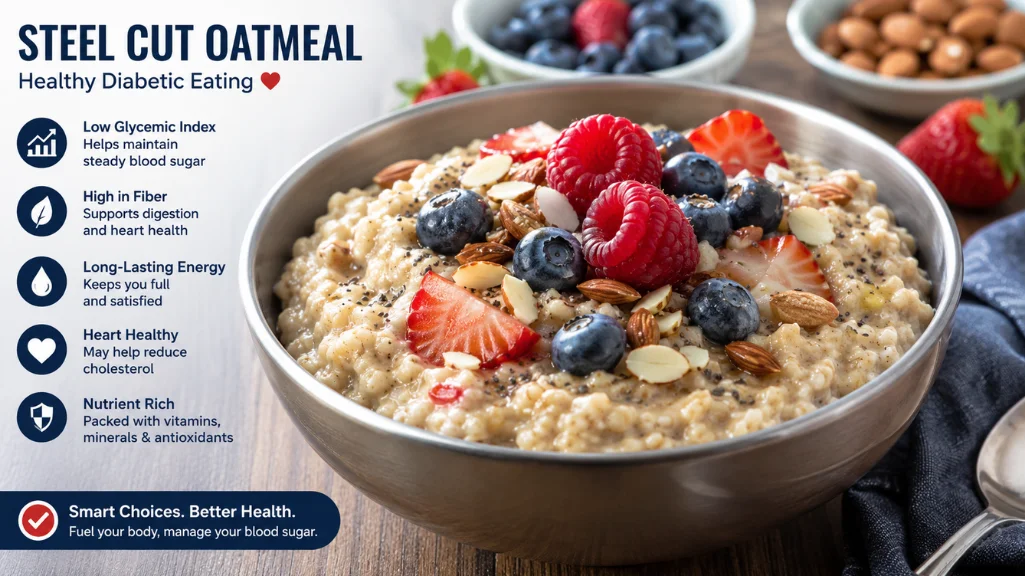


How Oats Help Control Diabetes: A Guide for Diabetic Nutrition. Discover how Oats Help Control Diabetes in our simple guide for Diabetic Nutrition. Learn tasty tips to manage your health naturally!

Are Oats Good For Diabetes? | Dr V Mohan
How Oats Help Control Diabetes: A Guide for Diabetic Nutrition
What Are Oats?
Oats are a whole grain. They come from the Avena sativa plant. They are rich in nutrients. Oats are a healthy option for breakfast. They are filled with fiber, vitamins, & minerals. The nutritional value of oats makes them ideal for everyone. They can especially benefit those with diabetes. Their ability to provide sustained energy helps control blood sugar levels. The most common types of oats include rolled, steel-cut, & instant oats. Each type has its advantages. For example, steel-cut oats have a lower glycemic index than instant oats. This means they cause a slower increase in blood sugar. They also have a chewier texture. Instant oats are convenient but may contain added sugars. Oats are commonly consumed as oatmeal. This dish can be made both sweet & savory. But they can also be added to smoothies or baked goods. Their versatility makes them easy to incorporate into meals. Nutritionally, oats are particularly high in soluble fiber. This fiber slows digestion, which helps regulate blood sugar levels. And another thing, oats have a low glycemic index. This means they release glucose into the bloodstream at a slower rate. This characteristic is crucial for people with diabetes.
Why Choose Oats for Diabetic Nutrition?
Including oats in your diet is beneficial. They support overall health & wellness. They are especially important for those with diabetes. Here are some reasons why oats are a great choice:
- High in Fiber:Â Oats are a great source of soluble fiber. This helps lower cholesterol & manage blood sugar.
- Low Glycemic Index:Â Foods with a low glycemic index increase blood sugar slowly. This is crucial for diabetes management.
- Vitamins & Minerals:Â Oats are rich in essential nutrients, including magnesium, iron, & B vitamins.
- Weight Management:Â Oats can help with weight control by keeping you full longer.
- Heart Health:Â Regular consumption of oats may reduce heart disease risk.
The combination of fiber & slow-releasing carbohydrates makes oats suitable for everyone, especially those with diabetes. By incorporating oats into meals, you can help maintain stable blood sugar levels.
How Oats Help Control Blood Sugar Levels
Oats contain a type of soluble fiber known as beta-glucan. This fiber forms a gel-like substance in the stomach. It slows down digestion, which helps reduce the rate at which glucose is absorbed into the bloodstream. This process helps maintain stable blood sugar levels throughout the day. The glycemic index (GI) of oats varies depending on the type. Steel-cut oats generally have a lower GI than quick-cooking or instant oats. Choosing lower GI options is essential for diabetes management. Consuming lower GI foods can lead to better blood sugar control. Studies show that including oats in the diet can significantly affect blood sugar levels. A study found that consuming oats regularly helped reduce fasting glucose levels. This evidence suggests that oats may play a vital role in managing diabetes. To include oats in your diet effectively, consider replacing some of your regular carbohydrate sources with oats. Whether it’s breakfast oatmeal, oat smoothies, or oat-based snacks, the options are plentiful.
Ways to Incorporate Oats into Your Diet
Including oats in your meals can be simple & enjoyable. Here are various ways to make oats a staple in your diet:
- Oatmeal:Â Start your day with a warm bowl of oatmeal. Cook rolled or steel-cut oats in water or milk. Add fruits, nuts, or spices for flavor.
- Smoothies:Â Blend oats into your morning smoothie. They add a creamy texture & extra fiber.
- Baking:Â Use oats in baking recipes. They work well in muffins, cookies, & bread.
- Overnight Oats:Â Combine oats with yogurt & fruits. Let them sit overnight for a quick breakfast.
- Savory Dishes:Â Use oats in savory recipes. Add cooked oats to soups or stews for extra nutrition.
Experimenting with oats can lead to some delicious & nutritious meals. Make sure to balance your meals by including protein & healthy fats. This balance can further aid in blood sugar control.
Oats & Heart Health
Oats offer more than just benefits for blood sugar control. They also support heart health. Oats contain antioxidants called avenanthramides. These compounds help lower blood pressure. They also reduce inflammation in the body. The fiber in oats helps lower total cholesterol levels. More specifically, it reduces LDL cholesterol, often referred to as “bad cholesterol.” High cholesterol levels are a risk factor for heart disease. Including oats in your diet may support heart health & overall well-being. Regular consumption of oats is linked to a reduction in cardiovascular disease risk. A diet rich in whole grains, particularly oats, is associated with better heart health. To maximize the benefits of oats, incorporate them along with other heart-healthy foods. Focus on fruits, vegetables, nuts, & seeds. Together, these foods can promote heart health.
Simple Oats Recipes for Diabetic Nutrition
Here are some easy & delicious recipes to make with oats. These recipes are tailored for people with diabetes. They promote balanced nutrition & taste good.
1. Classic Overnight Oats
Prepare this easy breakfast ahead of time.
| Ingredients | Instructions |
|---|---|
| ½ cup rolled oats 1 cup unsweetened almond milk ½ banana, sliced 1 tablespoon chia seeds ¼ teaspoon cinnamon | 1. Combine all ingredients in a jar. 2. Mix well & refrigerate overnight. 3. Enjoy in the morning. |
2. Savory Oatmeal
This dish makes a filling lunch or dinner.
| Ingredients | Instructions |
|---|---|
| 1 cup cooked steel-cut oats 1/2 cup vegetable broth 1/2 cup sautéed spinach 1 poached egg Salt & pepper to taste | 1. Heat vegetable broth in a pan. 2. Add cooked oats & stir for 2-3 minutes. 3. Add sautéed spinach & season with salt & pepper. Top with a poached egg. |
3. Oatmeal Cookies
A healthier snack option.
| Ingredients | Instructions |
|---|---|
| 1 cup rolled oats 2 ripe bananas, mashed ½ cup unsweetened almond butter ¼ cup dark chocolate chips | 1. Preheat the oven to 350°F (175°C). 2. Mix all ingredients in a bowl. 3. Scoop onto a baking sheet. 4. Bake for 10-12 minutes. |
These recipes provide tasty options for any meal of the day. They are nutritious & easy to prepare.
Potential Pitfalls of Eating Oats
While oats are generally healthy, there are some considerations to keep in mind. Not all oat products are equal in nutritional value. Some instant oatmeal packets contain added sugars, which can spike blood sugar levels. It’s important to read labels carefully. Another consideration is portion size. Although oats are healthy, consuming large amounts may lead to excess calorie intake. Be mindful of portion sizes, especially if you are cooking oatmeal for breakfast. People with gluten sensitivities should choose certified gluten-free oats. Regular oats may be processed in facilities that handle gluten-containing grains. In summary, oats are beneficial for managing diabetes. Be that as it may, moderation & mindful selection are key. Always consult with a healthcare provider or dietitian regarding dietary needs.
Oats & Weight Management
Oats can play a crucial role in managing weight. The fiber in oats helps you feel full longer. This can help regulate appetite & reduce overeating. Research shows that people who eat oats regularly may have healthier weights. When combined with a balanced diet & physical activity, oats may contribute to weight loss. To manage your weight effectively, incorporate oats into your meal plan. This not only aids in weight management but also helps stabilize blood sugar levels. Including healthy fats & proteins in meals with oats can further enhance feelings of fullness. For instance, adding nuts, yogurt, or seeds boosts nutrition.
FAQs about Oats & Diabetes
Can oats raise blood sugar levels?
Oats have a low glycemic index. They raise blood sugar slowly compared to refined grains. Be that as it may, portion control is essential.
Which type of oats are best for diabetes?
Steel-cut oats are generally the best option. They have a lower glycemic index than rolled or instant oats.
How can I sweeten my oatmeal without sugar?
Consider using fresh fruits or sugar-free sweeteners. Cinnamon & vanilla can also enhance the flavor naturally.
How do oats compare to other grains?
Oats are rich in fiber & have a low glycemic index. They provide better blood sugar control compared to other refined grains.
Conclusion
Incorporating oats into your diet is advantageous for diabetes management. They help regulate blood sugar levels & support heart health. And another thing, their high fiber content promotes feelings of fullness. This can aid in weight management. For anyone seeking a healthy gluten-free option, oats shine. They provide necessary nutrients while being versatile in meals. From breakfast to dinner, oats can fit into various recipes seamlessly. Make oats a staple in your meal plan. Always remember to choose whole oat products. Combine them with a balanced diet & active lifestyle for the best results. Oats are indeed a valuable ally in your health journey.