

Breast cancer is a significant health concern worldwide. It affects millions of women each year.
Understanding breast cancer is essential for early detection and treatment. This disease originates in the breast tissue and can spread to other parts of the body. Early detection increases survival rates. Regular check-ups and awareness can make a huge difference.
Breast cancer can strike anyone, regardless of age or background. Knowing the symptoms and risk factors is crucial. Treatments have advanced, offering more hope. Awareness and education can save lives. This blog post will explore key aspects of breast cancer, providing vital information. Let’s dive into the details and learn more about this important health issue.

Credit: en.wikipedia.org
What Is Breast Cancer?
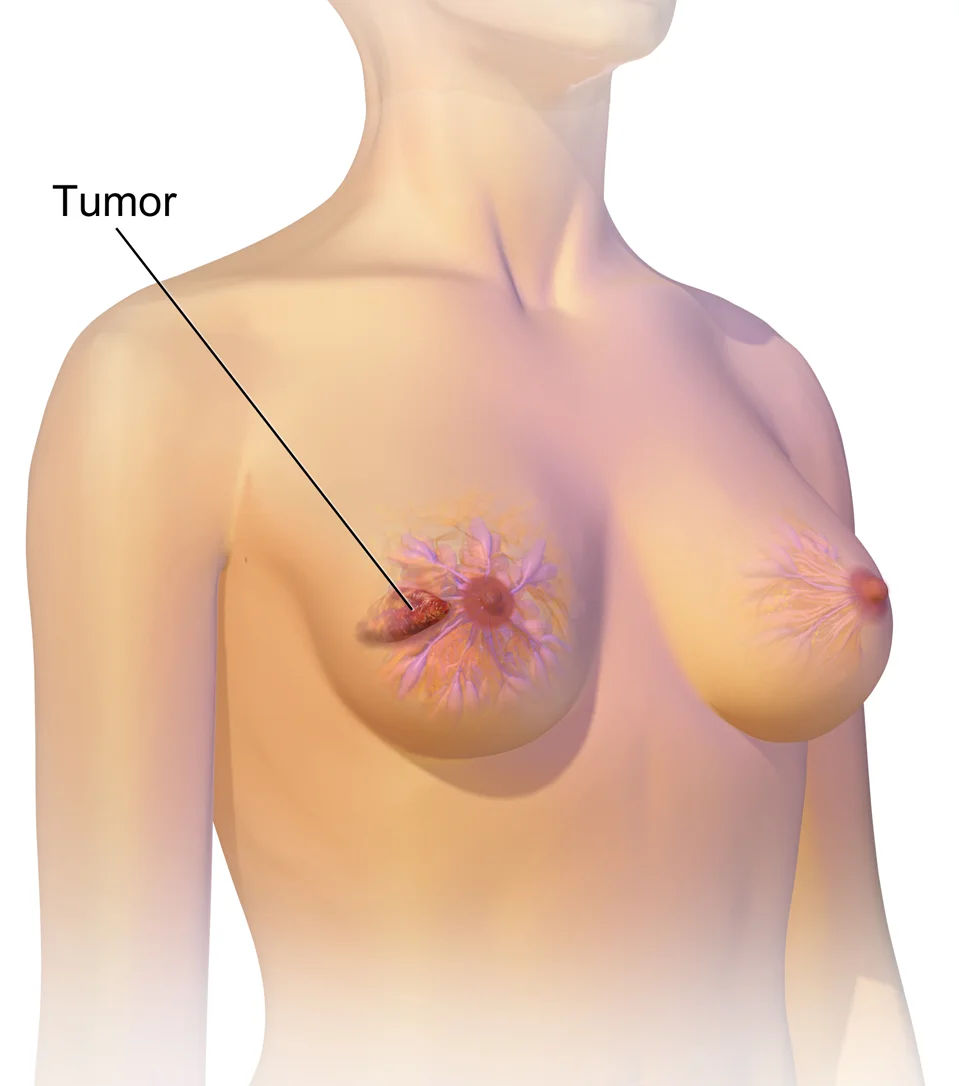
Breast cancer is a serious illness that affects many people worldwide. It starts in the cells of the breast and can spread to other parts of the body. Understanding breast cancer is important for early detection and treatment. This post will explain what breast cancer is, the different types, and the risk factors involved.
Types Of Breast Cancer
There are several types of breast cancer. Each type affects the body in different ways. Below are the main types:
- Ductal Carcinoma In Situ (DCIS): A non-invasive cancer where cells are confined to the ducts.
- Invasive Ductal Carcinoma (IDC): The most common type. It starts in the ducts and spreads to nearby tissue.
- Lobular Carcinoma In Situ (LCIS): Abnormal cells found in the lobules. Not considered a true cancer but increases risk.
- Invasive Lobular Carcinoma (ILC): Begins in the lobules and can spread to other areas.
- Triple-Negative Breast Cancer: Lacks three common receptors known to fuel most breast cancers.
- HER2-Positive Breast Cancer: Has too much of a protein called HER2, which promotes cancer growth.
Risk Factors
Certain factors can increase the risk of developing breast cancer. It’s important to be aware of these risks:
- Age: The risk increases as you get older.
- Gender: Women are much more likely to develop breast cancer than men.
- Family History: Having close relatives with breast cancer increases your risk.
- Genetic Mutations: Inherited changes in genes, such as BRCA1 and BRCA2, increase risk.
- Personal History: If you had breast cancer before, you are at higher risk of developing it again.
- Reproductive History: Early menstruation and late menopause increase the risk.
- Hormone Replacement Therapy: Using hormone therapy after menopause increases risk.
- Alcohol Consumption: Drinking alcohol can increase risk.
Symptoms To Watch For
Breast cancer is a serious disease that affects many women worldwide. Recognizing the symptoms early can be crucial for effective treatment. Understanding the signs to watch for can help with early detection and improve survival rates. This blog post will guide you through some of the most common symptoms of breast cancer, both early and advanced.
Early Signs
Identifying early signs of breast cancer can help with prompt medical attention. Some of the most common early symptoms include:
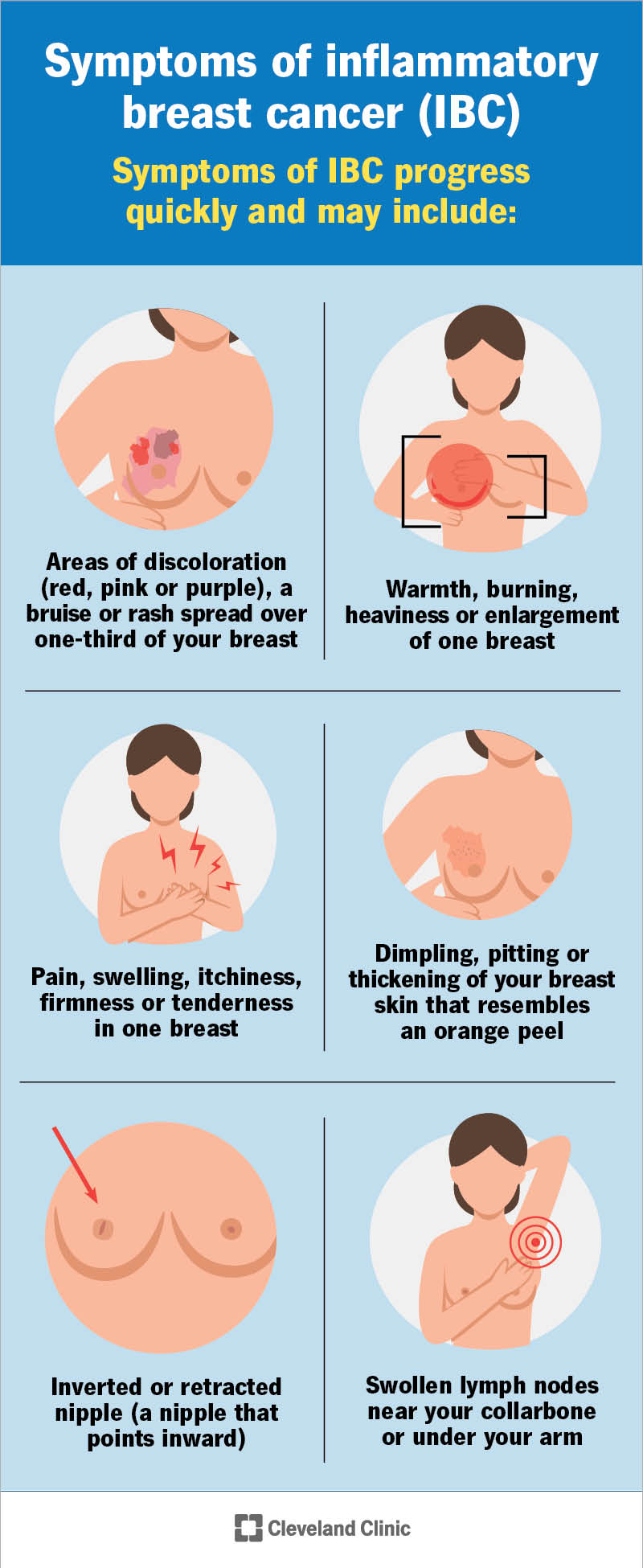
- Lump in the breast or underarm: A painless, hard mass with irregular edges is more likely to be cancerous, but breast cancers can be tender, soft, or rounded.
- Changes in breast shape or size: Any noticeable difference in the shape or size of your breasts should be checked by a doctor.
- Skin changes on the breast: Look for redness, dimpling, or puckering of the skin.
- Nipple discharge: Unusual discharge, especially if it’s bloody, can be a warning sign.
- Nipple retraction or inversion: When the nipple starts to turn inward, it could be a symptom.
Early detection through self-exams and regular mammograms can make a significant difference. If you notice any of these signs, consult your doctor right away.
Advanced Symptoms
As breast cancer progresses, the symptoms can become more severe. Advanced symptoms may include:
- Swelling of the breast: Even if no lump is felt, swelling can be a sign of advanced cancer.
- Skin irritation or dimpling: The skin may look like an orange peel, known as peau d’orange.
- Breast or nipple pain: Persistent pain in these areas should not be ignored.
- Nipple changes: Changes such as redness, scaliness, or thickening of the nipple or breast skin.
- Lymph node changes: Swelling or lumps under the arm or around the collarbone.
Advanced breast cancer can also lead to symptoms like bone pain, weight loss, and shortness of breath. These symptoms indicate that the cancer may have spread to other parts of the body.
Being aware of these symptoms can help you seek timely medical advice. Early detection and treatment are crucial for the best possible outcomes.
Diagnosis Methods
Breast cancer is a serious condition affecting many women worldwide. Early detection is vital for effective treatment. Various methods help diagnose breast cancer. These methods range from imaging tests to biopsy procedures. Each method provides crucial information. Let’s explore these diagnostic methods.
Imaging Tests
Imaging tests are essential in detecting breast cancer. They create detailed pictures of the breast tissue. These tests help identify abnormal areas. Common imaging tests include:
- Mammogram: An X-ray of the breast. Mammograms can find tumors that are too small to feel.
- Ultrasound: Uses sound waves to create images. It helps distinguish between solid masses and fluid-filled cysts.
- Magnetic Resonance Imaging (MRI): Uses magnets and radio waves to produce detailed images. MRI is useful for women with dense breast tissue.
Mammograms are often the first step in breast cancer detection. They are recommended for women over 40. Annual mammograms can catch cancer early. Ultrasound is often used after a mammogram. It provides additional information. MRI is more detailed but expensive. It is typically used for high-risk patients.
Biopsy Procedures
When imaging tests find an abnormal area, a biopsy is often the next step. A biopsy involves removing a small sample of breast tissue. This sample is then examined under a microscope. Common biopsy procedures include:
- Fine-Needle Aspiration (FNA): Uses a thin needle to remove a small amount of tissue or fluid.
- Core Needle Biopsy: Uses a larger needle to remove a small cylinder of tissue.
- Surgical Biopsy: Removes a larger part of the lump or the entire lump.
Fine-Needle Aspiration is the least invasive. It is quick and causes minimal discomfort. Core Needle Biopsy provides more tissue for analysis. It is often used when FNA results are inconclusive. Surgical Biopsy is more invasive. It is used when other biopsy methods cannot provide enough information.
Each biopsy method has its advantages. The choice depends on the situation. Doctors consider factors like the size and location of the lump. Biopsies are critical for confirming a diagnosis. They help determine the best treatment plan.
Credit: my.clevelandclinic.org
Treatment Options
Breast cancer is one of the most common cancers affecting women worldwide. It is crucial to understand the various treatment options available. Each treatment is unique and tailored to the patient’s needs. Understanding these treatments can help patients make informed decisions.
Surgery
Surgery is often the first step in treating breast cancer. There are different types of surgeries, each with its purpose. The main types include:
- Lumpectomy: This involves removing the tumor and a small margin of surrounding tissue. It is less invasive and aims to preserve as much of the breast as possible.
- Mastectomy: This procedure involves removing the entire breast. It may be necessary if the cancer is widespread or in multiple areas of the breast.
- Sentinel Node Biopsy: This surgery checks if the cancer has spread to the lymph nodes. Only a few nodes are removed, causing less harm.
- Axillary Lymph Node Dissection: This involves removing many lymph nodes from the armpit area. It is usually done if cancer is found in the sentinel nodes.
Surgery can be life-saving. Discuss with your doctor to decide the best option for your situation.
Chemotherapy
Chemotherapy uses drugs to kill cancer cells. It can be given before or after surgery. Here’s how it helps:
- Neoadjuvant Chemotherapy: Given before surgery to shrink tumors. This can make surgery easier and more effective.
- Adjuvant Chemotherapy: Administered after surgery to kill any remaining cancer cells. This helps prevent the cancer from coming back.
Common chemotherapy drugs for breast cancer include:
| Drug Name | Usage |
|---|---|
| Doxorubicin | Commonly used, often with other drugs. |
| Cyclophosphamide | Used in combination with other chemotherapy drugs. |
| Paclitaxel | Effective for treating various stages of breast cancer. |
Side effects may include nausea, hair loss, and fatigue. It is important to talk with your healthcare team about managing these effects.
Radiation Therapy
Radiation therapy uses high-energy rays to target and kill cancer cells. It is often used after surgery to destroy remaining cancer cells. The main types are:
- External Beam Radiation: This is the most common type. A machine outside the body directs radiation to the breast area.
- Brachytherapy: This involves placing radioactive material inside the body near the cancer site. It is less common but effective for some cases.
Radiation therapy is usually given over a few weeks. Each session lasts only a few minutes. Side effects may include:
- Skin irritation
- Fatigue
- Swelling in the treated area
Speak with your doctor about how to prepare for and manage these side effects. Radiation therapy can be a critical part of your treatment plan.
Living With Breast Cancer
Breast cancer is a difficult journey. It affects both the body and mind. Living with breast cancer requires strength and courage. Many people face this challenge every day. Finding ways to cope is essential. Support from loved ones can make a big difference. Adopting a healthy lifestyle can also help. This blog post explores emotional support and lifestyle changes for those living with breast cancer.
Emotional Support
Dealing with breast cancer is hard. Emotional support is crucial. It helps to have a strong network. Here are some ways to find emotional support:
- Family and Friends: Lean on your loved ones. They can offer comfort and understanding.
- Support Groups: Join a support group. Sharing experiences with others can be very helpful.
- Counseling: Professional help can provide guidance. A therapist can teach coping strategies.
- Online Communities: Many online forums exist. They offer a place to connect with others facing similar challenges.
Emotional support is not just about talking. Sometimes, it’s about listening. Being there for someone can make a big difference. Remember, it’s okay to ask for help. You don’t have to go through this alone.
Lifestyle Changes
Making lifestyle changes can improve quality of life. Here are some suggestions:
| Change | Benefit |
|---|---|
| Healthy Diet | Boosts the immune system and energy levels. |
| Regular Exercise | Improves mood and physical strength. |
| Adequate Rest | Helps the body to heal and recover. |
| Stress Management | Reduces anxiety and improves mental health. |
These changes might seem hard at first. Start small. Make one change at a time. Over time, these habits can improve well-being. Remember, every small step counts.
Prevention Strategies
Breast cancer is a serious disease. It affects many women worldwide. Prevention is key. Understanding and following prevention strategies can reduce risks. This article covers screening guidelines and healthy habits. Both are essential in the fight against breast cancer.
Screening Guidelines
Regular screening is crucial. It helps detect breast cancer early. Early detection increases the chances of successful treatment. Here are some important screening guidelines:
- Mammograms: Women aged 50 to 74 should have a mammogram every two years.
- Clinical Breast Exams: Women in their 20s and 30s should have a clinical breast exam every 1 to 3 years.
- Self-Exams: Women can perform breast self-exams regularly. This helps in noticing any changes early.
Discuss with your doctor. They can provide personalized screening schedules. Family history and other factors may affect the frequency of screenings. Following these guidelines can help detect any abnormalities early. This is crucial for timely treatment and better outcomes.
Healthy Habits
Adopting healthy habits can reduce breast cancer risk. Here are some key habits to consider:
- Maintain a Healthy Weight: Obesity increases breast cancer risk. Eating a balanced diet and regular exercise can help manage weight.
- Limit Alcohol: Alcohol consumption is linked to higher breast cancer risk. It is advisable to limit alcohol intake.
- Quit Smoking: Smoking is harmful. It is linked to many cancers, including breast cancer. Quitting smoking can improve overall health.
- Stay Physically Active: Regular exercise can help. It keeps weight in check. It also boosts overall health.
Healthy habits contribute to overall well-being. They play a vital role in reducing cancer risks. Making small changes in daily routines can have a big impact. Start incorporating these habits today for a healthier future.
Survivorship And Recovery
Breast cancer is a serious illness that affects many women worldwide. After treatment, many survivors face challenges in their recovery journey. Survivorship and recovery involve both physical and emotional healing. It is important to have proper support and care to ensure a better quality of life. This blog will cover essential aspects of follow-up care and support networks for breast cancer survivors.
Follow-up Care
Regular follow-up care is crucial for breast cancer survivors. Doctors recommend frequent check-ups to monitor health and detect any signs of cancer recurrence. These visits usually include:
- Physical exams
- Mammograms
- Blood tests
- Bone density tests
Maintaining a healthy lifestyle is also important. Exercise and a balanced diet can improve overall well-being. Some tips include:
- Eating plenty of fruits and vegetables
- Staying physically active
- Limiting alcohol consumption
- Avoiding smoking
Medications may be prescribed to manage side effects. These could include:
| Medication | Purpose |
|---|---|
| Pain relievers | Manage pain |
| Hormonal therapy | Prevent hormone-related cancer |
| Bone-strengthening drugs | Improve bone health |
Emotional support is also a key part of follow-up care. Talking to a mental health professional can help manage stress and anxiety.
Support Networks
Support networks play a vital role in the recovery journey. Family and friends offer emotional support and encouragement. Support groups provide a platform to share experiences and advice. These groups can be found through local hospitals or online communities.
Here are some benefits of joining a support network:
- Emotional support
- Shared experiences
- Practical advice
- Increased motivation
Many organizations offer resources and assistance. Some well-known ones include:
- American Cancer Society
- Breast Cancer Network
- Cancer Support Community
Online forums and social media groups can also be valuable. They allow survivors to connect from the comfort of their homes. Virtual support has become more important, especially during times when in-person meetings are not possible.
Having a strong support network can make a significant difference. It helps survivors feel less isolated and more empowered in their recovery journey.

Credit: www.cancer.gov
Future Research Directions
Breast cancer is a significant health issue affecting millions of people. Future research is crucial to improve treatment and survival rates. Scientists are exploring new ways to tackle this disease. They are focusing on innovative treatments and genetic studies to find better solutions.
Innovative Treatments
Researchers are developing new treatments to fight breast cancer more effectively. These treatments aim to be more targeted and less harmful to the body. Here are some promising approaches:
- Immunotherapy: This treatment uses the body’s immune system to attack cancer cells. It is showing promising results in some patients.
- Targeted Therapy: These drugs target specific molecules involved in cancer growth. This helps to minimize damage to normal cells.
- Hormone Therapy: This treatment blocks hormones that fuel certain types of breast cancer. It is effective for hormone receptor-positive breast cancer.
- Nanotechnology: Researchers are using tiny particles to deliver drugs directly to cancer cells. This can reduce side effects and improve effectiveness.
Innovative treatments are vital to improving breast cancer care. They offer hope for better outcomes and fewer side effects.
Genetic Studies
Genetic studies play a crucial role in understanding breast cancer. By studying genes, scientists can identify risk factors and develop personalized treatments. Here are some key areas of focus:
- BRCA1 and BRCA2 Genes: Mutations in these genes increase the risk of breast cancer. Genetic testing can help identify individuals at higher risk.
- Genomic Profiling: This involves analyzing the complete set of genes in a cancer cell. It helps to understand the genetic changes driving cancer growth.
- Inherited Mutations: Some breast cancers are linked to inherited gene mutations. Identifying these mutations can guide prevention and treatment strategies.
- Gene Editing: Techniques like CRISPR allow scientists to modify genes. This could lead to new ways to treat or prevent breast cancer in the future.
Understanding the genetic basis of breast cancer is essential. It helps in identifying high-risk individuals and developing targeted therapies. These genetic studies pave the way for personalized medicine, offering better outcomes for patients.
Frequently Asked Questions
What Is Breast Cancer?
Breast cancer is a disease where cells in the breast grow uncontrollably. It can spread to other parts of the body.
What Are The Symptoms Of Breast Cancer?
Symptoms include lumps in the breast, changes in size or shape, and nipple discharge. Early detection is crucial.
How Is Breast Cancer Diagnosed?
Breast cancer is diagnosed using mammograms, ultrasounds, and biopsies. Regular screenings can help with early detection.
What Are The Treatment Options For Breast Cancer?
Treatment options include surgery, chemotherapy, radiation, and hormone therapy. The choice depends on the cancer stage and type.
Conclusion
Breast cancer awareness can save lives. Early detection is crucial. Regular screenings help. Support loved ones battling this disease. Share knowledge about prevention. Healthy lifestyle choices matter. Stay informed about symptoms. Consult a doctor if concerned. Together, we can fight breast cancer.
Spread hope and awareness.