





Understanding Neuropathic Pain: Complete treatment options, new treatments, and holistic approaches
Disclaimer: The information contained in this article is educational and informational in nature and is not meant to be medical advice, diagnosis or treatment. Seek advice from an experienced doctor or pain specialist about any health condition or treatment plan.
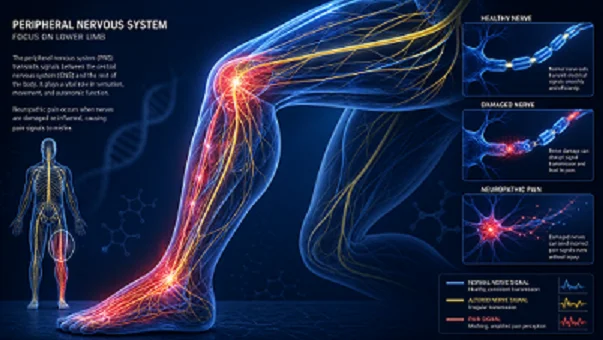
Nerve pain can be a complicated issue—introduction
Neuropathic pain is undoubtedly one of the most complex and difficult to treat conditions in today’s clinical practice. Neuropathic pain is different from acute nociceptive pain, which is a protective warning signal against damage to the tissue; neuropathic pain is pain that originates from the somatosensory nervous system itself, due to a lesion or dysfunction. People often report it as a “burning,” “shooting,” “electric-shock,” or “deep numbness” that interferes with their daily life and ultimately reduces their quality of life.
Conventional analgesics are often not sufficient, and thus a comprehensive, evidence-based strategy is needed to deal with chronic nerve pain, which includes modern medical interventions and treatments, as well as non-pharmacological therapies and lifestyle changes.
1.Treatment with medication: Tackling neural pathways
The standard approach to treating neuropathic pain is through medications. Specially designed classes of medication do not just treat the discomfort, but attempt to modify abnormal nerve signal transmission in the central nervous system and peripheral nervous system.
Primary Pharmacological Categories
- Gabapentinoids: Drugs like gabapentin and pregabalin are well known as first-line treatments. They act by blocking the release of pain-related excitatory neurotransmitters by binding to voltage-gated calcium channels in the central nervous system.
- Antidepressants: Some antidepressants have been found to have strong analgesic effects beyond their mood-modifying effects. Certain antidepressants such as tricyclic antidepressants (TCAs) and serotonin-norepinephrine reuptake inhibitors (SNRIs) improve descending inhibitory pain pathways in the spinal cord.
- Topical Treatments: If the pain is confined to the area, topical products such as lidocaine patches or capsaicin creams which desensitize nerve receptors in the area can help.
- Opioids and NSAIDs: Nonsteroidal anti-inflammatory drugs (NSAIDs) are usually not very effective with pure neuropathic pain, but may be tried in resistant situations with close medical supervision as opioids can be addictive.

2.Non-Pharmacological Therapies and Holistic Care
As the chronic nerve pain is a significant challenge for patients in terms of their physical activity and emotional health, the incorporation of non-pharmacological therapies can have a significant positive effect on the outcome of the patient.
Physical Therapy and Movement
A customized physical therapy program helps prevent muscle atrophy and loss of joint flexibility, and promotes circulation. These methods include stretching exercises, progressive muscle strengthening, and manual therapy techniques by skilled practitioners.
As complementary Modalities, Acupuncture and Chiropractic Care may be used together to treat patients
Ancient therapies such as acupuncture now have scientific evidence that it stimulates peripheral nerves, muscles and connective tissues, which triggers the release of endogenous endorphins. Likewise, chiropractors can provide relief from the musculoskeletal tension that is closely related to chronic pain conditions.
3.Lifestyle Modifications: Diet, Activity and Nutrition
Sustainable lifestyle changes empower patients to form a solid base to support long-term pain management and nervous system resilience.
Anti-Inflammatory Nutrition
Diet can have a great impact on systemic inflammation and nerve health. Anti-inflammatory foods like omega-3 fatty acids (found in cold water fish, flaxseeds and walnuts), as well as plenty of leafy greens and berries, help repair the nerves. However, cutting down on processed sugars and trans fats is a way to limit pathways of inflammation. Adequate hydration is also important to maintain balance in cells.
Regular Physical Activity
Neurotrophic factors are released with low impact aerobic exercise and guided resistance training which helps the nerves to function and improve mood.
4.Mental Health Strategies: The Mind-Body Connection
Chronic pain is a significant psychological burden and can make the pain feel worse. Dealing with the emotional aspect is a vital component to full recovery:
- Cognitive Behavioral Therapy (CBT): With the help of licensed therapists, CBT empowers people to recognize, confront, and modify negative thoughts and perceptions linked to chronic pain, thereby decreasing stress and anxiety.
- Mindfulness and Meditation: Aerobic exercise, such as low impact activity, has been shown to stimulate the release of neurotrophic factors for nerve function and improve mood through guided resistance training.
| Therapeutic Strategy | Primary Mechanism | The major psychological & physical advantage |
|---|---|---|
| Cognitive Behavioral Therapy (CBT) | Re-frames unproductive thoughts | Decreases pain catastrophizing, decreases anxiety and increases coping [11]. |
| Mindfulness-Based Stress Reduction | Increases awareness of one’s body in the present moment | Decreases the emotional distress and affective suffering associated with chronic pain [12]. |
| Guided Meditation | Increased activity in the Parasympathetic Nervous System (PNS) | Relaxes the nervous system, helps to improve emotional stability, and promotes sleep quality. |

5.Innovative Medical Options – Neuromodulation & Regenerative Medicine
Refractory neuropathic pain can be treated with conventional conservative methods, while advanced medical interventions provide a new lease on life.
Neuromodulation Technologies
Neuromodulation is a method of using targeted electrical stimulation to modify the activity of nerves. Techniques include:
- Spinal Cord Stimulation (SCS): Sends mild electrical currents to the dorsal columns of the spinal cord to replace sensation of pain with a weak tingling sensation.
- Dorsal Root Ganglion (DRG) Stimulation: Delivers precise stimulation to a nerve bundle responsible for specific pain in difficult anatomical areas to treat.
- Peripheral Nerve Stimulation (PNS): Sends direct electrical impulses to damaged peripheral nerve branches to block pain before it can be experienced in the central nervous system.
Stem Cell & Regenerative Therapy
The emerging regeneration strategies involve the use of mesenchymal stem cells (MSCs) that are harvested from bone marrow or adipose tissue. Stem cell therapies have strong anti-inflammatory and neuroprotective properties, in preclinical and early clinical trials .
6.Acute Flare-Ups and/or Long-Term Maintenance
It is difficult to strike a balance between short- and long-term responses that will sustain stability;
| Management Phase | Recommended Interventions | Primary Objective |
|---|---|---|
| Immediate Relief | Topical lidocaine/capsaicin, cold packs, heat therapy, short-term rescue medications, deep breathing. | Quickly break up any sudden pain spasm and lessen any localized inflammation. |
| Long-Term Maintenance | Prescription anticonvulsants/anti-depressants, custom physical therapy, anti-inflammatory diet and sleep hygiene advice | Stop the disease from getting worse, maintain mobility and improve quality of life. |
Frequently Asked Question (FAQ)
References
[1] Kaye, A. D., et al. (2025). Evolving Treatment Strategies for Neuropathic Pain. PMC / NIH.
[3] National Health Service (NHS ). Neuropathic pain – Overview.
[4] Medscape. Neuropathic Pain Adult Pharmacological Management Guidelines.
[9] American Academy of Pain Medicine. Consensus Guidelines on Neuromodulation for Pain Care.
[13] Deer, T. R., et al. (2024 ). The evolving landscape of neuromodulation for pain care. Elsevier.

Health & Wellness Writer | Research-Informed Health Content Creator
A.K.M. Monjurul Hoque is a health and wellness writer specializing in health, beauty, fitness, nutrition and healthy living. His content is informed by health journals, books, seminars, training programs, and discussions with experienced healthcare professionals. He writes clear, practical and research-informed articles for general education and encourages readers to seek personalized advice from qualified medical professionals.