



Why Your Body Actually Needs Sunlight — And How to Get It Safely
For years the message was simple: cover up, apply SPF, avoid direct sun. And while protecting your skin from burning is genuinely important, the story is more complicated than blanket avoidance. Sunlight isn’t just pleasant—it triggers processes in your body that food and supplements can only partially replicate.
Most people know about vitamin D in a vague way. Fewer understand what actually happens when you don’t get enough of it, why food sources rarely cover the gap, or how little sun exposure it takes to make a real difference. This article covers all of that—including when sunlight helps, when it doesn’t, and what to actually do about it.
What Sunlight Actually Does in Your Body
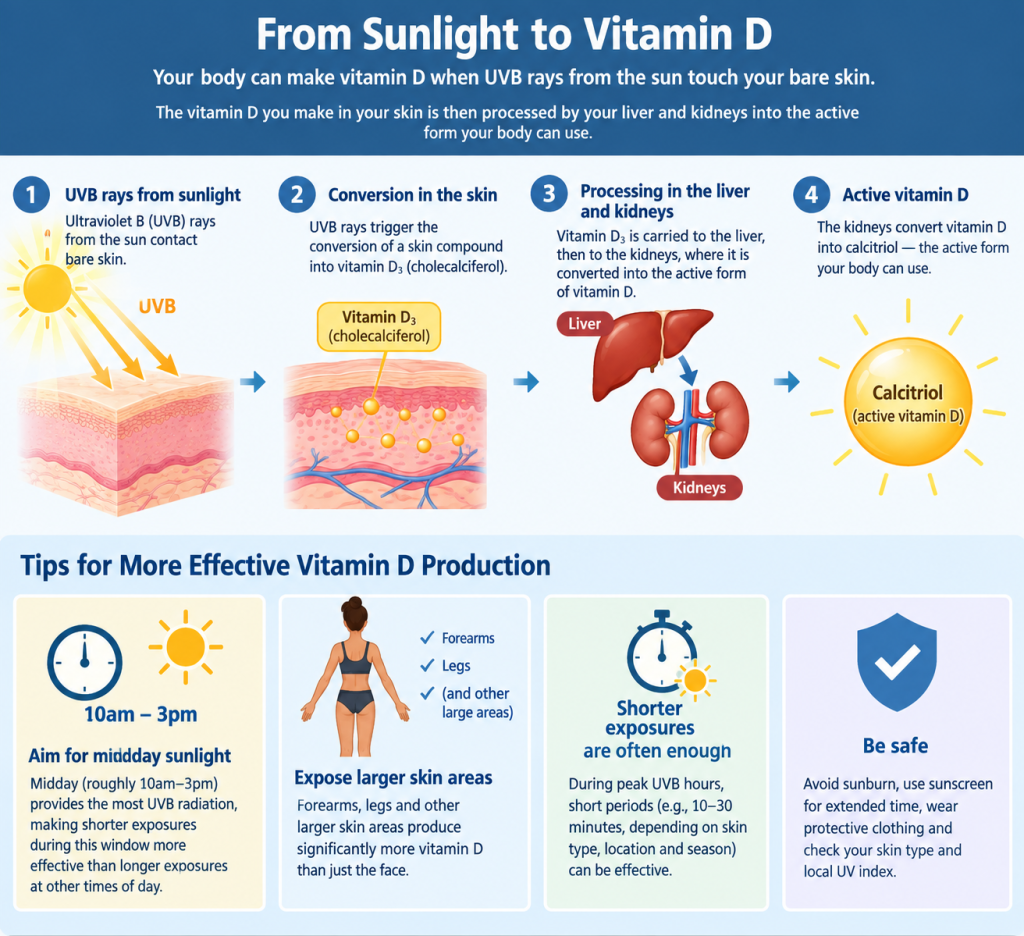
The key mechanism is vitamin D synthesis. When UVB rays from the sun hit bare skin, they trigger a chemical reaction that converts a compound in the skin into a precursor form of vitamin D. That precursor travels to the liver, then the kidneys, where it becomes the active form the body can use.
Vitamin D is technically a prohormone — meaning the body converts it into a hormone — and it regulates an unusually wide range of functions. Calcium and phosphorus absorption for bone density. Muscle cell growth and function. Immune system signalling. Mood regulation. Blood pressure. The breadth of what vitamin D does is one reason why deficiency creates such varied and sometimes puzzling symptoms.
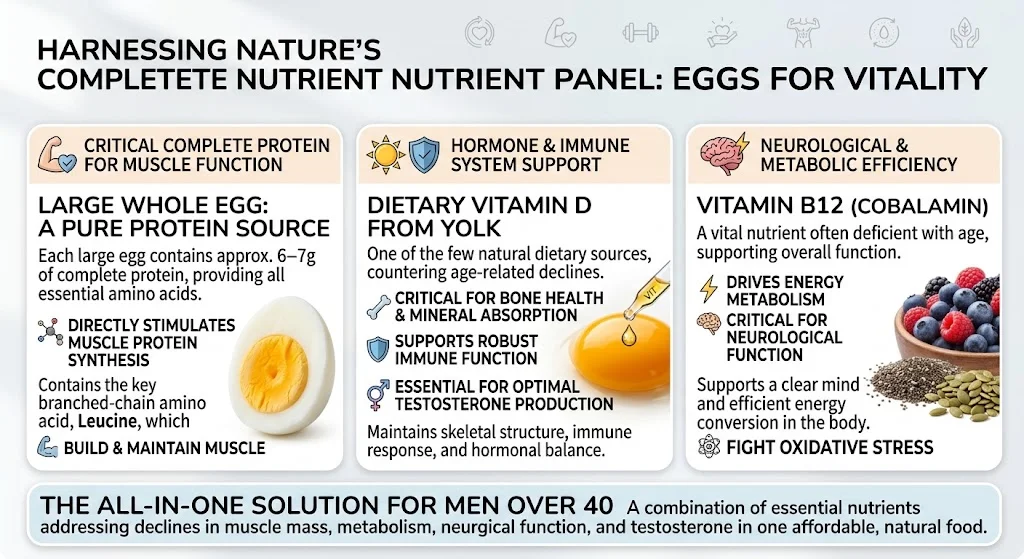
Here’s the important detail about food: very few foods contain meaningful amounts of vitamin D naturally. Fatty fish, egg yolks, and some fortified products provide some, but rarely enough to meet the body’s needs on their own. For most people, sunlight is genuinely the primary source — which makes avoiding it entirely more consequential than many people realize.

The Effect on Mood Is Real
Most people have experienced the difference between a grey week and a sunny one — the lift that comes with seeing actual sunlight. That’s not purely psychological, even though it often gets dismissed as such.
When sunlight hits the skin and eyes, the brain increases production of serotonin — a neurotransmitter involved in mood regulation, mental focus, and emotional stability. Research has found measurable differences in serotonin levels on sunny days versus overcast ones, independent of temperature or activity level. This is part of the biological basis of Seasonal Affective Disorder (SAD), a form of depression that tracks with reduced daylight in winter months.
Sunlight doesn’t cure depression—that’s an important distinction. But its effect on mood biochemistry is documented and meaningful, particularly for people who spend extended periods indoors.
Blood Pressure: An Unexpected Connection
Researchers at the University of Edinburgh found something that surprised a lot of people in the cardiovascular medicine world. Around 20 minutes of sunlight on the arms triggers the release of nitric oxide from the skin into the bloodstream. Nitric oxide causes blood vessels to widen — a process called vasodilation—which brings blood pressure down.
This effect is independent of vitamin D production. It happens through a separate pathway and occurs relatively quickly after exposure. For people managing mildly elevated blood pressure, this is a meaningful finding. It doesn’t replace medication or other interventions, but it adds to the case that some regular outdoor time has cardiovascular effects that go beyond general fitness.

How Much Sun Is Actually Enough
This varies more than most people expect. Skin tone, geographical location, time of day, season, and the amount of skin exposed all affect how quickly vitamin D is produced.
For lighter-skinned people in temperate climates, 10 to 20 minutes of midday sun on the forearms and legs a few times a week is generally sufficient during summer months. People with darker skin tones have higher melanin, which reduces UVB penetration and slows vitamin D production — meaning more time is needed to achieve the same output. This is one reason vitamin D deficiency is disproportionately common among people with darker skin who live in northern climates.
A few things worth knowing that most people don’t:
Glass blocks UVB rays. Sitting next to a sunny window feels warm, but your skin produces no vitamin D from it. You need to actually be outside.
Your body has a natural cap on vitamin D production from sun exposure. Once a certain threshold is reached, further sun doesn’t increase vitamin D — it just increases UV damage. This is the biological argument for shorter, more frequent exposures rather than long single sessions.
The body stores vitamin D. Consistent sun exposure through summer months builds reserves that partially carry through winter — which is why summer habits have year-round consequences.
The Practical Approach
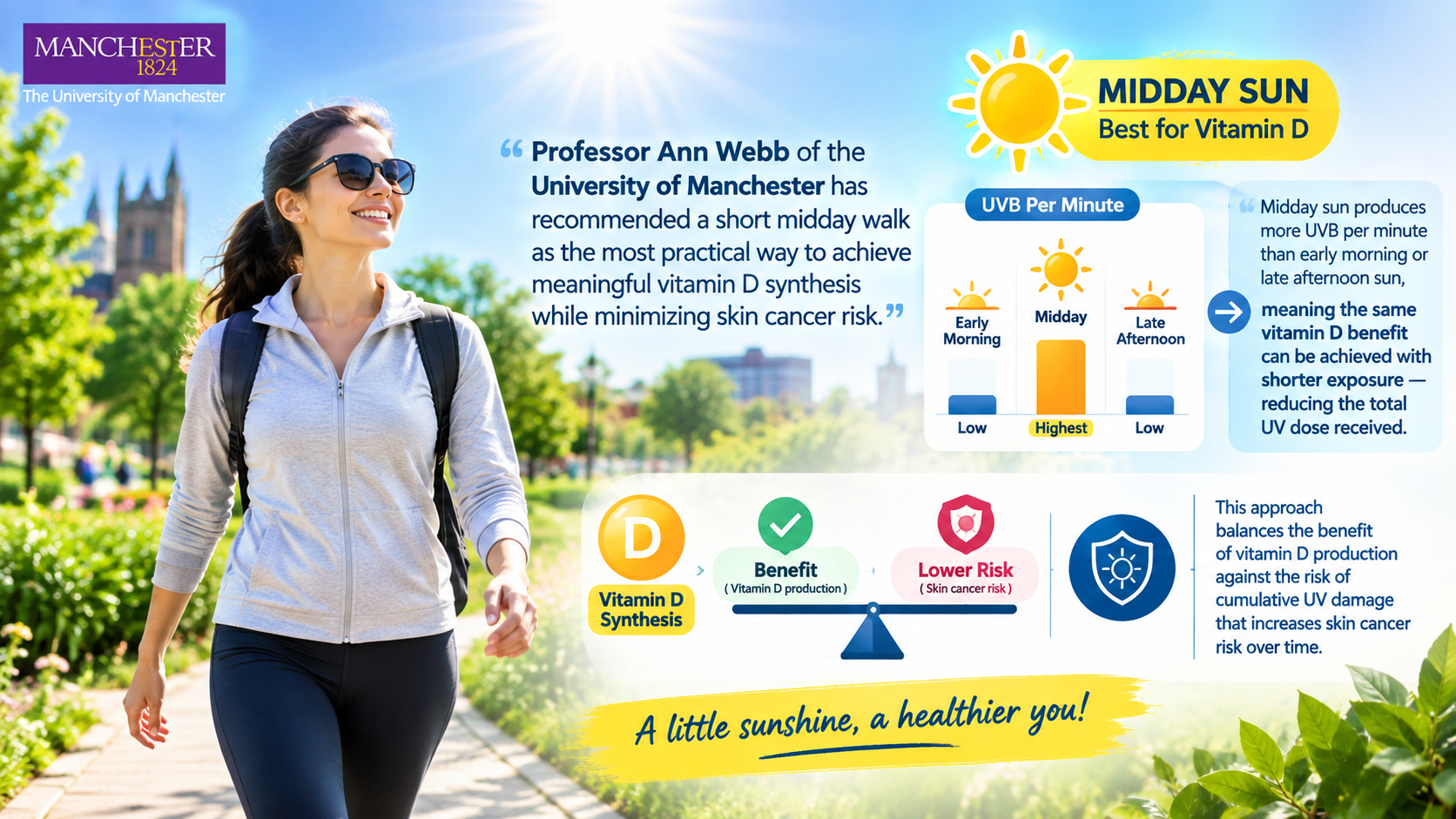
Professor Ann Webb’s recommendation — a short walk at lunchtime — is sensible and achievable for most people. The middle of the day, when the sun is higher, provides more UVB per minute. That means a shorter exposure achieves more vitamin D while reducing total UV dose.
Expose more than just your face. The face is a relatively small surface area. Forearms, lower legs, and hands all contribute meaningfully to production. Wearing short sleeves or rolled-up sleeves during a lunch walk makes a practical difference.
Don’t let your skin burn. This is the consistent message from dermatologists and this hasn’t changed — sunburn is cumulative UV damage that increases skin cancer risk. The goal is regular, brief, non-burning exposure. Not a tan, not redness. Just enough.
If you’re going to be outside for extended periods, apply sunscreen after your brief initial exposure window. Sunscreen with at least SPF 30 blocks the UVB rays that cause burning — and yes, it also blocks vitamin D production, which is why the recommended approach is short initial exposure first, then protection for extended time outdoors.
When to Consider a Supplement
For people who work indoors all day, live in northern climates, have darker skin, are elderly, or spend most of their outdoor time with skin covered, getting adequate vitamin D from sun alone is genuinely difficult. In these situations, a vitamin D supplement is a reasonable and commonly recommended option.
The appropriate dose varies by individual, and blood levels can be tested to determine actual deficiency. This is a conversation worth having with a GP or healthcare provider rather than guessing — both deficiency and excessive supplementation carry risks.
Conclusion
Sunlight isn’t something to fear or avoid entirely — it’s something to approach intelligently. The body needs it for processes that food and supplements only partially replace: vitamin D synthesis, nitric oxide release, serotonin production. These aren’t minor or marginal effects. They show up in bone density, muscle strength, mood, immune function, and blood pressure.
The practical recommendation is straightforward. Get outside for short periods regularly, particularly around midday. Expose some skin — arms and legs, not just the face. Don’t burn. Build the habit across spring and summer when it’s most effective. And in winter months or for those who genuinely can’t get enough outdoor time, talk to a doctor about supplementation.
None of this is complicated. It mostly just requires going outside.
Disclaimer
This article is for general informational and educational purposes only and does not constitute medical advice. Vitamin D requirements vary significantly between individuals based on skin tone, age, geographic location, health conditions, and medications. People with a history of skin cancer, photosensitivity disorders, or those taking photosensitizing medications should consult a dermatologist or healthcare provider before increasing sun exposure. Sun exposure always carries some risk of UV-related skin damage and should be managed carefully. For concerns about vitamin D deficiency, blood pressure, or other specific health conditions mentioned in this article, please seek guidance from a qualified healthcare professional.
FAQ
Sources

Health & Wellness Writer | Research-Informed Health Content Creator
A.K.M. Monjurul Hoque is a health and wellness writer specializing in health, beauty, fitness, nutrition and healthy living. His content is informed by health journals, books, seminars, training programs, and discussions with experienced healthcare professionals. He writes clear, practical and research-informed articles for general education and encourages readers to seek personalized advice from qualified medical professionals.