

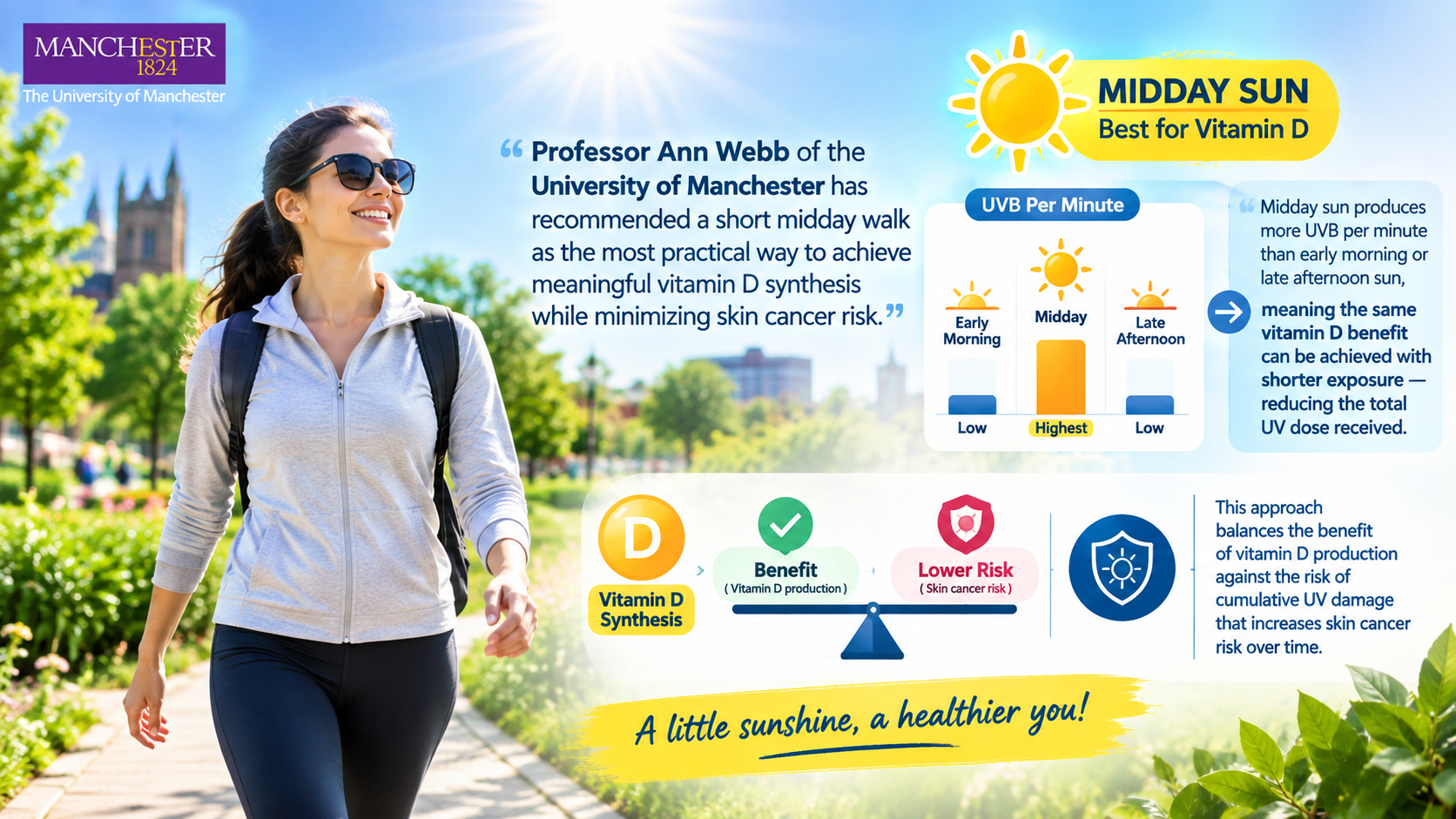



The Power of Long Walks: Stride Toward Wellness
Walk is probably the easiest and most overlooked means to a long healthy life physically as well as mentally. Just step one foot in front of the other, and you can improve your heart health, control your weight and escape the day to day stresses. This guide will delve into the importance of long walks in maintaining a balanced lifestyle and offer tips on how to incorporate them into your daily routine.
The Power of Walking Physically
Walking is a great way to help achieve the American Heart Association’s guidelines of 150 minutes of moderate activity each week and it’s something you can do regularly, even with a long-distance.
- Cardiovascular Health: Walking helps get your heart rate up and makes it stronger, which enhances circulation.
- Weight Management: Regular exercise helps to burn calories and maintain healthy metabolism, which aids in maintaining weight.
- Muscular Tone: Walking uses the whole of the lower body such as the glutes, quadriceps and calves, as well as the core for balance.
- Immune Support: Regular exercise has been shown to boost the immune system, making you healthier all year round.
Mental Wellness and Mindfulness
Walk is not only a physical activity, it’s a moving meditation;
| Mental Benefit | How It Works |
|---|---|
| Mood Elevation | Walking produces the body’s “feel-good” chemicals, called endorphins. |
| Stress Reduction | Green Exercise – being in nature is known to reduce cortisol. |
| Cognitive Clarity | Clear your mind:Walk to clear the “noise” in your brain and help to focus through the day. |
| Better Sleep | Exercise—regular exercise will improve the sleep-wake cycle and promote better sleep. |
The Social Advantage
Walking is a great way to strengthen community. People who walk together are more likely to stick to the plan, whether they are keeping up with a walking buddy, spending time with family or walking with a local walking club. Having a walking buddy is a great way to ensure you stay on track, make exercise a fun habit and feel a sense of community.
Walking Workouts to Make Your Habit Sustainable
It is better to do the same thing consistently than to be intense. Try these tips for working in some extra walking into your busy day:
- Start Small: For beginners, 15-20 minutes per day is a good option. Increase time or distance 10% per week.
- Make the Most of Time: Walk to work, hold “walking meetings” or try taking a walk early in the morning to get your day started off right.
- Use Technology: Use a pedometer or a smartphone app to track your steps. It’s motivating to see how you’re improving over time.
- Listen to Your Body: Invest in supportive footwear and prioritize recovery. Take a rest day if feeling too tired for the activity to let muscles recover.
Frequently Asked Questions (FAQ)

Conclusion
Walking is a basic, effective and transforming way to wellness. Walking can be for physical fitness, to clear your mind, or to make new friends, and the benefits will add up over time. As they say, “Walk, walk, walk! Get used to covering a long distance. Do it today, your body and mind will thank you for it.
Disclaimer
This information is to be used for informational purposes only. In the event you have any medical issues, check with your doctor prior to beginning an exercise program.

Sources & Further Reading
For more information on the science behind walking and physical activity recommendations, refer to these authoritative resources:
- American Heart Association (AHA) : Expert guidance on how walking improves heart health and recommended weekly activity targets.
- Harvard T.H. Chan School of Public Health : In-depth analysis of the metabolic and physical advantages of regular walking.
- Mayo Clinic : Practical tips for developing a sustainable walking routine and understanding the physiological benefits.
- Mental Health America (MHA) : Research on the link between consistent physical activity and the improvement of mental well-being, including anxiety and mood.

Health & Wellness Writer | Research-Informed Health Content Creator
A.K.M. Monjurul Hoque is a health and wellness writer specializing in health, beauty, fitness, nutrition and healthy living. His content is informed by health journals, books, seminars, training programs, and discussions with experienced healthcare professionals. He writes clear, practical and research-informed articles for general education and encourages readers to seek personalized advice from qualified medical professionals.