Wearable devices are transforming digital healthcare. They help monitor health in real-time.
In today’s fast-paced world, managing health can be challenging. Wearable devices offer a practical solution. From smartwatches to fitness trackers, these gadgets keep track of vital signs. They provide valuable data to both users and doctors. This data helps in making informed health decisions.
Wearables can detect early signs of illness, potentially saving lives. They offer convenience and continuous monitoring. With their growing popularity, wearable devices are becoming an essential part of modern healthcare. They bridge the gap between patients and healthcare providers, ensuring better care. Understanding their role can help us embrace a healthier future. Dive into the world of wearables and discover their impact on health.
Wearable Devices Overview
Wearable devices are becoming a big part of digital healthcare. These devices help people track their health. They can monitor heart rate, sleep patterns, and more. Wearables offer a simple way for people to stay healthy. They are easy to use and can provide important health data. This makes them popular with many people and healthcare providers.
Types Of Wearables
There are different types of wearable devices available today. Each type serves a unique purpose and offers various features.
Fitness trackers are very common. They help track steps, calories burned, and heart rate. These devices are useful for people who want to stay active. They can also monitor sleep patterns.
Smartwatches offer more than just fitness tracking. They can send and receive messages. They also allow users to make phone calls. Some even have GPS for navigation. Smartwatches are like mini-computers on your wrist.
Health monitors are another type. These devices can check blood pressure and glucose levels. They are helpful for people with chronic conditions. They send data to doctors for better health management.
Wearable ECG monitors can detect heart issues. They are important for people with heart problems. These devices can alert users to seek medical help quickly.
Market Trends
The market for wearable devices is growing fast. More people are using these devices for health tracking. This growth is driven by several factors.
First, the cost of wearables is coming down. This makes them more affordable for everyone. Lower prices attract more users.
Second, technology is improving. New features are added to wearables regularly. These improvements make the devices more useful. People are excited to try the latest models.
Third, the demand for remote healthcare is rising. Wearables can send data to doctors. This helps in providing better care from a distance. It is especially useful during pandemics or for people in remote areas.
Lastly, more companies are entering the market. This increases competition and leads to better products. Users benefit from more options and better quality devices.

Credit: medium.com
Health Monitoring
Wearable devices have become an essential part of modern healthcare. These devices help monitor health and improve patient care. They offer real-time data, allowing for better health decisions. The role of wearable devices in digital healthcare is significant. They provide continuous health monitoring and assist in managing chronic diseases.
Vital Signs Tracking
Wearable devices are excellent for tracking vital signs. They can monitor heart rate, blood pressure, and body temperature. These devices provide real-time data, which is crucial for early detection of health issues. Continuous monitoring helps in maintaining optimal health.
Here are some key benefits of vital signs tracking with wearable devices:
- Heart Rate Monitoring: Keeps track of heartbeats per minute.
- Blood Pressure Measurement: Monitors systolic and diastolic pressure.
- Body Temperature Tracking: Detects changes in body temperature.
Wearable devices use advanced sensors to collect accurate data. This data can be shared with healthcare providers for better diagnosis. It helps in preventing serious health conditions. Regular tracking encourages a proactive approach to health.
Chronic Disease Management
Wearable devices play a crucial role in managing chronic diseases. They help patients monitor their condition continuously. Diabetes, hypertension, and asthma can be managed effectively with these devices. Patients can keep track of their symptoms and medication.
Benefits of wearable devices in chronic disease management:
- Continuous Monitoring: Provides constant health updates.
- Data Sharing: Easy sharing of health data with doctors.
- Medication Reminders: Reminds patients to take their medicine on time.
Wearable devices help in reducing hospital visits. They provide peace of mind to patients and their families. Real-time data helps in timely interventions. It leads to better health outcomes and improved quality of life for patients with chronic diseases.
Data Collection
Wearable devices are transforming digital healthcare. These smart gadgets collect and monitor health data. They help doctors and patients to track health in real-time. This blog explores how wearable devices collect data and engage patients.
Real-time Data
Wearable devices collect real-time data. These devices include smartwatches, fitness trackers, and health monitors. They track various health metrics like heart rate, steps, sleep patterns, and more.
This real-time data is crucial for several reasons:
- Immediate feedback: Users get instant updates on their health status.
- Continuous monitoring: Wearables collect data 24/7, providing a complete health picture.
- Early detection: Abnormal patterns can signal potential health issues early.
Doctors use this data to make informed decisions. For example, they can adjust treatment plans based on real-time information. Patients benefit too. They become more aware of their health and can take proactive steps.
Here’s a table showing some common health metrics tracked by wearables:
| Health Metric | Device |
|---|---|
| Heart Rate | Smartwatch |
| Steps Taken | Fitness Tracker |
| Sleep Patterns | Health Monitor |
Patient Engagement
Wearable devices play a key role in patient engagement. They encourage users to take charge of their health. This active role leads to better health outcomes.
Here are some ways wearables engage patients:
- Goal setting: Users can set and track fitness goals.
- Reminders: Devices send reminders to take medication or exercise.
- Progress tracking: Users can see their health progress over time.
Wearables also make health tracking easy and fun. Many devices offer gamification features. Users earn rewards or badges for reaching health milestones. This gamified approach keeps users motivated.
Doctors benefit from engaged patients too. Engaged patients are more likely to follow treatment plans. They are also more likely to communicate effectively with their doctors. This leads to better overall healthcare.
Integration With Healthcare Systems
Wearable devices are making a significant impact in digital healthcare. These gadgets, such as smartwatches and fitness trackers, help monitor health in real-time. They track vital signs, such as heart rate, sleep patterns, and daily activities. Their integration with healthcare systems can improve patient care and medical outcomes. This blog post explores how wearable devices integrate with healthcare systems, focusing on EHR compatibility and interoperability challenges.
Ehr Compatibility
Wearable devices must work with Electronic Health Records (EHR) to be effective in healthcare. EHRs store patient data digitally, making it easy for doctors to access and use. Wearable devices collect valuable health data. This data needs to be compatible with EHR systems for seamless integration.
For compatibility, wearable devices should:
- Provide accurate and reliable data.
- Use standard data formats.
- Ensure data security and privacy.
Most wearable devices use APIs (Application Programming Interfaces) to connect with EHR systems. These APIs help transfer data efficiently. They also ensure that the data is in a usable format for doctors. The integration process involves:
- Collecting health data from wearables.
- Transferring data to EHR systems.
- Storing data securely in EHRs.
Proper integration can improve patient monitoring. It allows doctors to make informed decisions quickly. This can lead to better treatment plans and improved patient outcomes.
Interoperability Challenges
Interoperability is the ability of different systems to work together. Wearable devices and healthcare systems face interoperability challenges. These challenges can hinder the effective use of health data. Some key challenges include:
- Different data formats: Wearable devices may use various data formats. This can cause issues when integrating with EHR systems.
- Data security: Ensuring data privacy and security is crucial. Wearable devices must follow strict security protocols to protect patient information.
- System compatibility: Not all healthcare systems use the same technologies. This can create compatibility issues between wearables and EHRs.
Addressing these challenges requires collaboration between device manufacturers and healthcare providers. Standardizing data formats can help improve interoperability. Implementing strong security measures can protect patient data. Ensuring that wearable devices follow industry standards can make integration smoother.
Overcoming these challenges can lead to better healthcare outcomes. It can enhance patient monitoring and improve the efficiency of healthcare systems. As technology advances, it is essential to address these challenges for the effective use of wearable devices in healthcare.
Benefits For Patients
Wearable devices are transforming digital healthcare. These devices include smartwatches, fitness trackers, and other gadgets. They help monitor health and offer several benefits. Patients can use these devices to manage their health better. This article discusses the benefits for patients, focusing on personalized care and increased accessibility.
Personalized Care
Wearable devices allow for personalized care. They monitor real-time data, such as heart rate, steps taken, and sleep patterns. This data helps in creating customized health plans for patients.
- Heart rate monitoring: Helps in detecting irregular heartbeats early.
- Sleep tracking: Provides insights into sleep quality and patterns.
- Activity tracking: Encourages regular physical activity by tracking steps and calories burned.
Doctors can use the data to adjust treatments. This ensures that each patient gets care tailored to their needs. The data can be shared easily with healthcare providers. This helps in making quick decisions during emergencies.
Increased Accessibility
Wearable devices increase accessibility to healthcare. Patients in remote areas can use these devices for regular monitoring. This reduces the need for frequent hospital visits.
Some key points include:
- Remote monitoring: Doctors can check patient data from anywhere.
- Telemedicine: Patients can consult doctors via video calls, reducing travel.
- Alerts and reminders: Devices can remind patients to take medications or attend appointments.
Accessibility is improved for elderly patients as well. They can use wearable devices to monitor their health without needing to travel. This makes healthcare more convenient and less stressful for them.

Credit: www.iqviamedicalsalescareers.com
Challenges And Concerns
Wearable devices are transforming digital healthcare. They help track health data in real time. Devices like smartwatches and fitness trackers monitor heart rate, sleep, and more. While useful, they bring challenges. Data privacy and accuracy issues are main concerns.
Data Privacy
Data privacy is a big concern with wearable devices. These devices collect sensitive health information. This includes heart rate, sleep patterns, and physical activity. Such information needs protection.
There are several key issues:
- Data Breaches: Hackers may access health data.
- Unauthorized Sharing: Companies may share data without consent.
- Storage Security: Storing large amounts of data securely is challenging.
Users need to trust that their data is safe. Companies must follow strict rules to protect data. Encryption is a common method. It makes data unreadable without a key. Regular security updates are also necessary. This helps protect against new threats.
Accuracy Issues
Accuracy is another concern with wearable devices. Health data must be correct. Incorrect data can mislead users. It can also affect healthcare decisions.
Common accuracy problems include:
- Sensor Errors: Sensors may give incorrect readings.
- User Error: Incorrect usage can lead to wrong data.
- Calibration Issues: Devices must be calibrated properly to give accurate data.
Users should follow instructions carefully. Regular calibration is important. This ensures accurate data. Manufacturers should also improve sensor technology. Better sensors mean better data. Accurate data helps in making better health decisions.
Future Trends
Wearable devices are changing how we think about healthcare. These gadgets, like smartwatches and fitness trackers, help us keep track of our health. They can monitor heart rate, sleep patterns, and even stress levels. This data is useful for doctors and patients alike. The future of healthcare looks bright with these new technologies. Let’s explore some future trends in this exciting field.
Ai And Machine Learning
Artificial Intelligence (AI) and Machine Learning (ML) are playing a big role in wearable devices. They help in making sense of the data collected. Here are some key points:
- Predictive Analytics: AI can predict potential health issues before they become serious. This can help in early diagnosis and treatment.
- Personalized Health Plans: Machine learning can create health plans tailored to individual needs. This makes treatment more effective.
- Continuous Monitoring: AI allows for round-the-clock monitoring. This is especially useful for patients with chronic conditions.
AI and ML make wearable devices smarter. They help in turning raw data into useful insights. This can lead to better healthcare outcomes for everyone.
Telehealth Integration
Telehealth is becoming more common. Wearable devices play a key role in this trend. They allow doctors to monitor patients remotely. Here are some benefits:
- Remote Consultations: Patients can talk to their doctors from home. Wearable devices provide real-time health data during these consultations.
- Reduced Hospital Visits: Continuous monitoring means fewer trips to the hospital. This is convenient for patients and reduces healthcare costs.
- Better Access to Care: People in remote areas can get better healthcare. Telehealth and wearable devices bridge the gap between patients and doctors.
Wearable devices make telehealth more effective. They provide valuable data that doctors can use to make better decisions. This trend is likely to grow in the future.
Case Studies
Wearable devices have changed the face of digital healthcare. These gadgets monitor vital signs and track health data. This helps doctors provide better care. Many case studies show how wearable devices make a big difference in healthcare.
Successful Implementations
Several hospitals and clinics have used wearable devices with great success. Let’s look at some key examples:
- Heart rate monitors: Patients with heart problems use these devices. They help in tracking heartbeats. They alert doctors to any irregularities.
- Fitness trackers: These devices help in monitoring physical activity. They track steps taken and calories burned. This data helps in creating personalized fitness plans.
One noteworthy example is the use of wearable devices in managing diabetes. Patients wear continuous glucose monitors (CGMs). These devices track blood sugar levels in real-time. This helps in adjusting insulin doses accurately.
| Wearable Device | Use Case | Outcome |
|---|---|---|
| Heart Rate Monitor | Track heartbeats | Improved cardiac care |
| Fitness Tracker | Monitor physical activity | Personalized fitness plans |
| CGM | Track blood sugar | Better diabetes management |
Lessons Learned
Many lessons have been learned from using wearable devices in healthcare. Key takeaways include:
- Data accuracy: It’s crucial for devices to provide accurate data. Inaccurate data can lead to wrong treatments. Regular calibration of devices is necessary.
- Patient compliance: Patients need to wear the devices regularly. Consistent use is essential for reliable data. Educating patients on the importance helps improve compliance.
Another important lesson is the integration with health records. Wearable devices generate a lot of data. This data needs to be integrated into electronic health records (EHR). This ensures that doctors have a complete view of the patient’s health.
Privacy is also a major concern. Wearable devices collect sensitive health data. It is important to ensure that this data is secure. Patients need to trust that their information is safe.
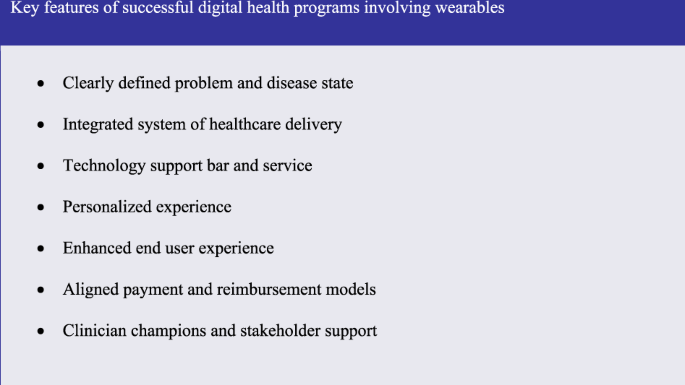
Credit: www.nature.com
Frequently Asked Questions
What Are Wearable Devices In Healthcare?
Wearable devices in healthcare are electronic gadgets worn on the body. They track health metrics like heart rate, steps, and sleep patterns.
How Do Wearables Improve Patient Care?
Wearables provide real-time health data. This allows for proactive monitoring and timely interventions, improving overall patient care and outcomes.
Are Wearable Devices Reliable For Health Monitoring?
Yes, most wearable devices are reliable. They use advanced sensors and algorithms to provide accurate health data for monitoring.
What Health Metrics Can Wearables Track?
Wearables can track various health metrics. These include heart rate, steps, sleep patterns, blood pressure, and more.
Conclusion
Wearable devices are transforming digital healthcare. They offer continuous health monitoring. This helps in early detection of issues. Doctors can provide personalized care. Patients stay informed and proactive. These devices promote healthier lifestyles. Their convenience encourages regular use. They also bridge gaps in healthcare access.
Wearables support better health outcomes. They represent a step forward in healthcare technology. Embracing wearables can lead to healthier lives.