
Vitamin A supports vision and immune function. Vitamin B aids energy production and brain function.
Vitamin C boosts the immune system and skin health. Vitamin D aids calcium absorption and bone health. Vitamins are essential nutrients that play crucial roles in maintaining overall health. Vitamin A is known for its benefits to vision and immune function.
Vitamin B encompasses a group of vitamins that contribute to energy production and brain function. Vitamin C, renowned for its antioxidant properties, supports the immune system and skin health. Vitamin D is vital for calcium absorption, promoting healthy bones and teeth. Each vitamin serves unique purposes, making a balanced diet important for obtaining these nutrients. Understanding these differences helps in choosing the right foods and supplements for optimal health.
itamin A
Vitamin A is important for eye health. It helps you see in low light. Your immune system needs it to work well. It also helps your organs function properly.
You can find Vitamin A in carrots and sweet potatoes. It is also in spinach and kale. Eggs and milk are good sources too.
Night blindness can happen if you lack Vitamin A. Your skin might get dry. Infections can become more common. It can also slow down growth in kids.
Credit: www.researchgate.net
Vitamin B
Vitamin B helps your body make energy. It also keeps your brain sharp and healthy. Your nerves need it to work well. It helps make red blood cells too.
There are eight types of Vitamin B. These include B1, B2, B3, B5, B6, B7, B9, and B12. Each type helps your body in different ways.
You can get Vitamin B from foods like eggs, meat, and fish. Dairy products also have it. Vegetables like beans and peas are good sources too.
If you don’t get enough Vitamin B, you can feel tired. Your skin might get dry. Your memory might get bad. You can also have weak muscles.
Vitamin C
Vitamin C is important for boosting the immune system. It helps in the repair of tissues and wound healing. This vitamin also acts as an antioxidant, protecting cells from damage. It improves the absorption of iron from plant-based foods.
Citrus fruits like oranges and lemons are rich in Vitamin C. Strawberries, kiwis, and bell peppers also provide a good amount. You can find it in broccoli and spinach too. Fortified foods and supplements are other sources.
Deficiency of Vitamin C can lead to scurvy, causing fatigue and gum disease. Skin issues like bruising and dryness may occur. Wound healing becomes slower. The immune system also weakens, increasing the risk of infections.
Vitamin D
Vitamin D helps the body absorb calcium. This makes bones strong. It also supports the immune system. It helps in muscle function and brain cell activity. Vitamin D can reduce inflammation too.
The sun is a great source of Vitamin D. Fish like salmon and mackerel are rich in it. Fortified milk and cereals also provide Vitamin D. Eggs and cheese have small amounts too.
Low Vitamin D can cause weak bones. This leads to conditions like rickets in kids. Adults may get osteoporosis. They might also feel tired and weak. Skin problems and hair loss can happen too.
Comparison Of Functions
Vitamin A is crucial for good vision. It also helps maintain healthy skin. Vitamin C helps in skin repair and collagen production.
Vitamin B complex is important for energy production. It helps in metabolism of carbohydrates, proteins, and fats. Vitamin D has no significant role in metabolism.
Vitamin C is essential for a strong immune system. It aids in wound healing. Vitamin D also boosts immunity. Vitamin A helps to fight infections.
Vitamin D is vital for bone health. It aids in calcium absorption. Vitamin C helps in collagen formation, which supports bones. Vitamin A also supports bone growth.
Dietary Sources Comparison
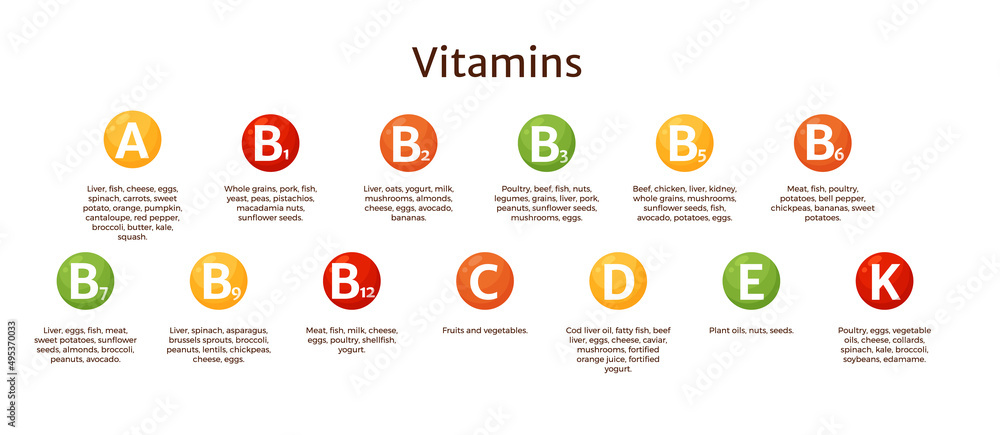
Vitamin A can be found in both animal and plant sources. Animal sources include liver and dairy products. Plant sources include carrots and spinach.
Vitamin B is mostly found in animal products like meat and eggs. Some plants like beans and nuts also contain vitamin B.
Vitamin C is mainly in fruits and vegetables. Oranges and strawberries are rich in vitamin C.
Vitamin D is available in fish and egg yolks. Some plants like mushrooms also provide vitamin D.
Vitamin supplements help you get vitamins if your diet lacks them. Multivitamins often contain vitamins A, B, C, and D.
Vitamin A supplements may come from fish liver oil. Vitamin B supplements often have multiple B vitamins.
Vitamin C is available as ascorbic acid in supplements. Vitamin D supplements are usually in the form of vitamin D3.
Deficiency Symptoms Comparison
Lack of Vitamin A causes night blindness. Vitamin B deficiency can lead to fatigue and weakness. Vitamin C deficiency might cause bleeding gums. Vitamin D deficiency can result in bone pain.
Without enough Vitamin A, vision can worsen. Long-term Vitamin B deficiency can cause nerve damage. Severe Vitamin C deficiency leads to scurvy. Vitamin D deficiency may result in osteoporosis.
Credit: stock.adobe.com

Credit: www.researchgate.net
Frequently Asked Questions
Why Are Vitamin Abc And D Important?
Vitamins A, B, C, and D boost immune function, improve vision, support metabolism, and strengthen bones respectively. They ensure overall health and well-being.
What Is The Function Of Vitamin A And D?
Vitamin A supports vision, immune function, and skin health. Vitamin D aids in calcium absorption, bone health, and immune support.
How To Get Vitamin Abc And D?
Get vitamin A from carrots, sweet potatoes, and spinach. B vitamins are in whole grains, meat, and eggs. Vitamin C is abundant in citrus fruits and bell peppers. Vitamin D can be obtained from sunlight, fortified milk, and fish.
What Is The Best Form Of Vitamin A For Eyes?
The best form of vitamin A for eyes is retinol. Retinol supports eye health and helps prevent night blindness.
Conclusion
Understanding the differences between vitamins A, B, C, and D is crucial for your health. Each vitamin plays a unique role in your body. Make sure to include a balanced variety of these vitamins in your diet. This will help you maintain optimal health and well-being.
Stay informed and healthy!

