






The Ultimate Guide to Vitamins and Supplements: Everything You Need to Know for Better Health

Vitamins and supplements play a vital role in supporting overall wellness, energy levels, immunity, and long-term vitality. In today’s fast-paced world, many people turn to vitamins and supplements to bridge nutritional gaps caused by busy lifestyles, processed foods, or limited sunlight. This comprehensive guide breaks down the essentials of vitamins, their functions, best food sources, and when supplements make sense. Whether you’re looking to optimize your diet or explore the best vitamins and supplements for specific needs, you’ll find practical, science-backed insights here.
What Are Vitamins and Supplements?
Vitamins are organic compounds your body needs in small amounts to function properly. Most come from the foods you eat, while a few (like vitamin D) your body can produce under certain conditions. Supplements, on the other hand, are concentrated forms of vitamins, minerals, or other nutrients designed to complement your diet when food alone isn’t enough.
The key difference? Whole foods provide vitamins alongside fiber, antioxidants, and other beneficial compounds. Supplements offer convenience and targeted support—especially for vitamin deficiencies—but they work best as a backup to a nutrient-rich diet.

Types of Vitamins: Fat-Soluble vs. Water-Soluble
There are 13 essential vitamins, divided into two main categories based on how your body absorbs and stores them.
Fat-Soluble Vitamins
These vitamins dissolve in fats and oils. Your body stores them in fatty tissue and the liver, so you don’t need them daily. However, excessive intake can build up over time.
- Vitamin A: Supports vision (especially in low light), immune function, and skin health.
- Vitamin D: helps your body absorb calcium for strong bones and teeth; also boosts immunity.
- Vitamin E: Acts as a powerful antioxidant, protecting cells from damage and supporting immune health.
- Vitamin K: Essential for blood clotting and maintaining bone strength.
Best Food Sources for Fat-Soluble Vitamins
| Vitamin | Food Sources | Approximate Content |
|---|---|---|
| Vitamin A | Carrots, Sweet potatoes, Spinach | 835–961 mcg per serving |
| Vitamin D | Salmon, Tuna, Eggs | 44–447 IU per serving |
| Vitamin E | Almonds, Sunflower seeds, Spinach | 2.1–8.3 mg per serving |
| Vitamin K | Kale, Broccoli, Spinach | 220–817 mcg per serving |
Water-Soluble Vitamins
These dissolve in water and are not stored in large amounts, so you need regular intake through diet or water-soluble vitamin supplements.
- Vitamin C: A potent antioxidant that aids healing, collagen production, and immune defense.
- Vitamin B Complex: Eight B vitamins that help convert food into energy, support red blood cell production, and maintain nervous system health.
Individual B Vitamins and Their Roles:
- B1 (Thiamine): Converts food to energy and supports nerve function.
- B2 (Riboflavin): Aids energy production and keeps skin healthy.
- B3 (Niacin): Supports digestion and energy metabolism.
- B5 (Pantothenic Acid): Helps produce new cells and metabolize fats/proteins.
- B6 (Pyridoxine): Assists protein use and red blood cell formation.
- B7 (Biotin): Breaks down carbs, fats, and proteins; promotes healthy hair and nails.
- B9 (Folate): Crucial for cell growth, especially important during pregnancy.
- B12 (Cobalamin): Supports red blood cell production and nervous system health.

Best Food Sources for Water-Soluble Vitamins
| Vitamin | Food Sources | Approximate Content |
|---|---|---|
| Vitamin C | Oranges, Strawberries, Broccoli | 59–89 mg per serving |
| B1 (Thiamine) | Whole grains, Pork, Fish | 0.2–1.2 mg per serving |
| B2 (Riboflavin) | Dairy, Eggs, Lean meats | 0.4–1.3 mg per serving |
| B3 (Niacin) | Poultry, Fish, Whole grains | 5–14 mg per serving |
| B5 | Chicken, Avocados, Seeds | 1–2 mg per serving |
| B6 (Pyridoxine) | Chickpeas, Tuna, Bananas | 0.4–1.1 mg per serving |
| B7 (Biotin) | Eggs, Almonds, Sweet potatoes | 1.5–10 mcg per serving |
| B9 (Folate) | Spinach, Asparagus, Brussels sprouts | 156–262 mcg per serving |
| B12 (Cobalamin) | Fish, Meat, Dairy | 1.2–2.4 mcg per serving |
Why Vitamins and Supplements Are Essential for Good Health
Vitamins regulate everything from immunity and energy to bone strength and cell repair. A deficiency can lead to fatigue, weakened immunity, poor vision, or more serious issues like anemia or osteoporosis. While a balanced diet is ideal, factors like age, pregnancy, vegan diets, or limited sun exposure often make vitamin supplements a smart addition. They help fill gaps without replacing real food.
How to Get Enough Vitamins and Supplements in Your Routine
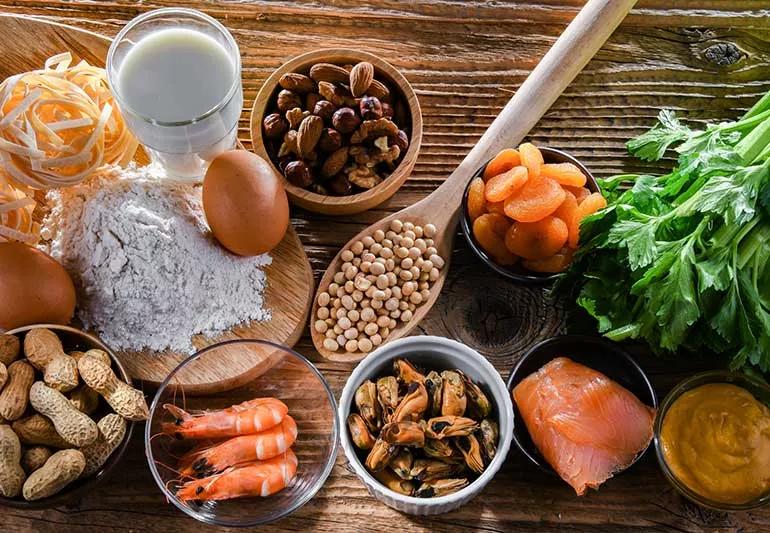
Prioritize variety: Fill your plate with colorful fruits, vegetables, whole grains, lean proteins, nuts, and seeds. For those with busy schedules or dietary restrictions, high-quality multivitamin supplements or targeted formulas (like vitamin D or B12) can help.
Tips for Taking Supplements Effectively:
- Take fat-soluble vitamins with meals containing healthy fats.
- Split water-soluble vitamins throughout the day for steady absorption.
- Consult a doctor before starting, especially if you have health conditions or take medications.

Choosing Quality Vitamins and Supplements
Look for third-party tested products with clear labeling. Avoid mega-doses unless prescribed. The best vitamins and supplements combine bioavailable forms (like methylfolate instead of folic acid) and pair well with your lifestyle.
Conclusion
Vitamins and supplements are powerful tools for supporting a healthier, more vibrant life—but they shine brightest when paired with nutrient-dense whole foods. By understanding the 13 essential vitamins, their roles, and smart ways to include them, you can take control of your wellness journey. Start with a colorful diet, add targeted supplements only when needed, and enjoy the benefits of balanced nutrition every day.
Frequently Asked Questions (FAQ)
What are the main benefits of vitamins and supplements? They strengthen immunity, improve vision and skin health, support bone strength, boost energy, and help prevent deficiencies that can lead to illness.
How do vitamins support the immune system? Vitamins C and D are especially powerful—they help your body fight infections, reduce inflammation, and produce immune cells more effectively.
Which foods are the richest in vitamins? A varied diet of fruits, vegetables, nuts, seeds, whole grains, dairy, fish, and lean meats provides the widest range of essential vitamins naturally.
Do I really need vitamin supplements if I eat healthy? Not always. Most people get enough from food, but supplements can help during pregnancy, aging, vegan diets, or low sunlight exposure.
What’s the best time to take vitamins and supplements? Fat-soluble vitamins work best with meals; B vitamins and vitamin C can be taken in the morning or split throughout the day for optimal energy and absorption.
Are there risks to taking too many vitamins? Yes—especially with fat-soluble vitamins, which can accumulate. Always follow recommended doses and consult a healthcare professional.

Health & Wellness Writer | Research-Informed Health Content Creator
A.K.M. Monjurul Hoque is a health and wellness writer specializing in health, beauty, fitness, nutrition and healthy living. His content is informed by health journals, books, seminars, training programs, and discussions with experienced healthcare professionals. He writes clear, practical and research-informed articles for general education and encourages readers to seek personalized advice from qualified medical professionals.