White chocolate is a sweet confectionery produced from cocoa butter, sugar, and milk solids. It does not contain cocoa solids, which gives it a creamy texture.
White chocolate, oh so delicious and sweet, is liked around the world. It doesn’t contain any cocoa solids, unlike dark and milk chocolate, and has instead more of a creamy, sweet flavor with little of the bitterness associated with other chocolates. White chocolate is made with cocoa butter, sugar, and milk solids, and has its own distinct taste.
Its creamy consistency and rich, buttery taste contribute to its popularity in desserts, confections and baking. So if it is eaten independently or if it is used as an ingredient, white chocolate is a nice and versatile food to turn into sweet snacks.
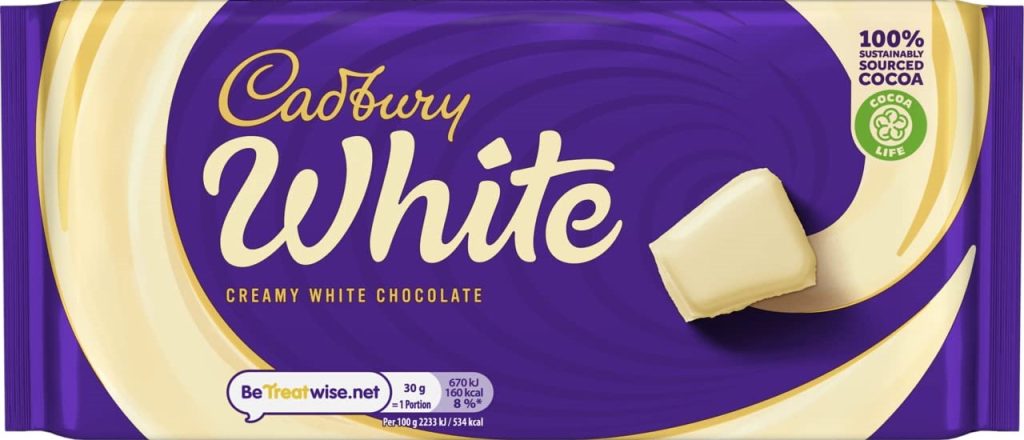
Credit: www.amazon.com
What Is White Chocolate?
Everyone loves a good treat and white chocolate is no different. It is creamy, mild and flavourless. But what is white chocolate, exactly? So let’s dig into why this confection is so special.
Definition
White chocolate is a kind of chocolate. It is created from cocoa butter, sugar and milk solids. White chocolate does not contain cocoa solids, unlike dark and milk chocolate. It imparts a pale ivory color and a unique flavor. WHAT IS WHITE CHOCOLATE: Here are some facts about white chocolate.
- No cocoa solids: This is what distinguishes white chocolate from its other chocolate family members.
- Creamy mouthfeel: White chocolate melts more smoothly in the mouth, due to the cocoa butter.
- Mild flavor: It has a punchy bitter note (dark chocolate) that is not in white chocolate.
White chocolate was first produced in the 1930s. It is salt mainly produced by the Swiss company Nestlé. It had już zyskał popularność na całym świecie. It’s enjoyed by many in forms like bars and chips and even as a coating for other sweets.
Composition
White chocolate has a simple structure and unique composition. These are the key ingredients:
| Ingredient | Percentage |
|---|---|
| Cocoa Butter | 20-45% |
| Sugar | Up to 55% |
| Milk Solids | Up to 30% |
Cocoa butter is the fat derived from cocoa beans. It offers the creamy texture and mouthfeel. It also adds sweetness to offset the heavy fat. These milk solids are what give white chocolate its creaminess and milky flavor.
White chocolate may also sometimes include lecithin and vanilla. Lecithin is an emulsifier that combines the ingredients nicely. A dash of vanilla lends subtle flavor and a little oomph.
Look for white chocolate with a high percentage of cocoa butter. When selecting your white chocolate, make sure to read the label. Steer clear of products containing too many artificial ingredients or fillers. This guarantees the best taste and texture possible.
History Of White Chocolate
White Chocolate: The Creamy Sweet Treat That Everyone Has Come To Love But do you know the history of white chocolate? It has an interesting history that spans a few decades. Join us as we explore the history of white chocolate, finding out how it came to be and why it got so popular.
Origin
White chocolate was born in the 1930s. The original was developed by the Swiss company Nestlé. They wished to employ excess cocoa butter, a byproduct of crafting conventional chocolate. By combining cocoa butter with milk solids and sugar, they developed another type of candy.
White chocolate doesn’t have cocoa solids in it. That is the reason it has a creamy color and is a more bland flavor than dark or milk chocolate. Most things in life have a history, including white chocolate. Here are some facts about the origin of white chocolate:
- Year of Creation: Early 1930s
- Inventor: Nestlé Company
- Main Ingredients: Cocoa butter, milk solids, sugar
- First Product: Nestlé’s Milkybar
This concept was not well received at first. The rich taste of dark and milk chocolate were what people were used to. But gradually its characteristic flavor and consistency attracted many fans..
Well, here’s a short summary of the origin in one table:
| Year | Company | Product |
|---|---|---|
| 1930s | Nestlé | Milkybar |
Popularity
The popularity of white chocolate began to increase in the middle of the 20th century. In the beginning, it was a niche product. But as more companies started producing their own versions, it became more common.
There were a number of reasons for its increasing popularity:
- Unique Flavor: It has a sweet and creamy taste that is unlike any other chocolates.
- Relevance: White chocolate is relevant in many recipes, from cookies to other candies.
- Marketing: It was said companies sold white chocolate as if it was a lavish, high-end product.
By the 1980s and 1990s, white chocolate was a household staple. Sometimes it was baked, given as a gift, or simply enjoyed when you’re craving something sweet.
Today, white chocolate is loved worldwide. That’s what he uses, in bars, chips and even hot chocolate. Its unique flavor still draws chocolate enthusiasts all over the globe.
Here is a brief history of its rise in popularity:
| Decade | Milestone |
|---|---|
| 1930s | Introduction by Nestlé |
| 1980s | Increased popularity in baking |
| 1990s | Global recognition |
More recently, innovations in white chocolate include flavored varieties and artisanal creations. Its evolution from a waste product to an adored delicacy is remarkable.
How Is White Chocolate Made?
White chocolate is a special treat for many to eat. But do you know how is white chocolate made? Knowing what goes in and how it is made can make you enjoy this delectable treat even more.
Ingredients
White chocolate consists of several key ingredients. Every one contributes to its distinct flavor and consistency. Here are the key ingredients:
- Cocoa butter: The fat that’s pressed from cocoa beans. It gives white chocolate its rich creamy texture.
- Milk solids: These matter for the creamy flavor. They are derived from milk powder or condensed milk.
- Sugar: Sweetens the chocolate and balances the flavors.
- Lecithin – An emulsifier. It aids in making the ingredients combine seamlessly.
- Vanilla: This gives the chocolate a warm, fragrant note.
Here is a simple chart that highlights what white chocolate is made of:
| Ingredient | Percentage |
|---|---|
| Cocoa butter | 20-40% |
| Milk solids | 14-25% |
| Sugar | 30-50% |
| Lecithin | 0.3-0.5% |
| Vanilla | 0.1-0.5% |
Manufacturing Process
Processing white chocolate step by step Each makes sure the result is smooth and tasty.
- Step 1: Melting the cocoa butter The cocoa butter is melted. This forms a liquid foundation for blending.
- Mixing of ingredients: Sugar, milk solids, lecithin, specification, and cocoa butter are blended together. The mixture is mixed until smooth.
- Refining: The mixture goes through rollers in several Weiterlesen This process will break sugar and milk particles into smaller pieces, making it more fine.
- Conching: The blended ingredients are kneaded for hours. This makes the texture smooth and allows the flavors to develop.
- Tempering: The chocolate is cooled and reheated gradually. This ensures that there is a shine and a solid snap.
- Molding and cooling: The tempered chocolate is poured into molds and cooled until solid.
Each stage in the manufacturing process is critical. This makes sure the white chocolate is made smooth, creamy texture and sweet delightful taste.
Differences Between White Chocolate And Milk/dark Chocolate
White chocolate — this is a unique one, since white chocolate is so distinct all other chocolates (milk and dark) which are similar to each other. All three are adored and loved by chocolatiers, but their differences are what makes each type unique. The main distinction between them revolves around their cocoa composition, taste, and nutritional composition. Grasping these components will aid in recognition of the special characteristics of each variant of chocolate.
Cocoa Content
The main difference between white chocolate and milk/dark chocolate is the amount of cocoa they contain. White chocolate has no cocoa solids, the primary ingredient in both milk and dark chocolate. What makes it different is that white chocolate is created only from cocoa butter, sugar, and milk solids. Here’s a quick breakdown:
- White Chocolate: Has cocoa butter but no cocoa solids.
- Milk Chocolate: Cocoa butter, cocoa solids, sugar, and milk solids.
- Dark chocolate: Has cocoa butter, a higher proportion of cocoa solids (35%-70%) and less sugar.
This absence of cocoa solids is responsible for white chocolate’s light color and creamy mouthfeel. Dark chocolate consists of a higher percentage of cocoa solids than milk chocolate, can be slightly bitter and is generally less sweet than milk chocolate. The dark chocolate has a higher ratio of cocoa to the other ingredients and presents a stronger, bolder flavor.
Flavor
White, milk, and dark chocolate have their own unique taste profiles based on the different ingredients they contain. The flavor of white chocolate is sweet and creamy primarily from the cocoa butter and milk solids. It does not have the bitterness of cocoa solids, making it a favorite with those who enjoy gentler, sweeter confections.
- White Chocolate: Hints of vanilla; sweet, creamy and rich.
- Milk Chocolate: Sweet cream, mild chocolate flavor, and subtle caramel.
- Dark Chocolate — Bitter and rich with intense chocolate notes.
Milk chocolate is made with cocoa solids and sugar, but also milk, which gives it a sweeter, more mellow chocolate flavor. In contrast, dark chocolate is rich and slightly bitter from its high percentage of cocoa solids and sugar. Different Taste Profile For Different People
Nutritional Profile
White chocolate, milk chocolate, and dark chocolate have vastly different nutritional profiles. White chocolate is the sweetest and highest in fat since there are no cocoa solids. Milk chocolate has a relatively high sugar and fat content, while dark chocolate is low in sugar and rich in other health benefits from the cocoa solids.
| Chocolate Type | Sugar Content | Fat Content | Antioxidants |
|---|---|---|---|
| White Chocolate | High | High (from cocoa butter) | Low |
| Milk Chocolate | Moderate | Moderate | Moderate |
| Dark Chocolate | Low | Moderate (depends on cocoa content) | High |
This increases the sugar and fat content of white chocolate, making it higher in calories. Honey and milk chocolate offer the best of both worlds for many without the extreme taste or experience. Dark chocolate is rich in antioxidants, which are important for health, due to its high cocoa content. There are three main types of chocolate, each with its own nutritional profile that may suit varying dietary requirements.
Uses Of White Chocolate
White chocolate is a tasty, adaptable substance. Its ingredients are cocoa butter, sugar and milk solids. It differs from regular chocolate being free of cocoa solids. This imparts a creamy, sweetness that complements countless recipes. White chocolate is used for a wide range of culinary applications, making it a staple in many kitchens.
Baking
White chocolate has been a frequently used ingredient for baking. It lends a luscious, creamy mouthfeel and a gentle sweetness to many baked items. Here are some common uses:
- Cookies: White chocolate chips or chunks work well in cookies. They melt perfectly and provide a sweet counterpoint to the dough.
- Cakes: White chocolate can be used in cake batters or as a glaze. It creates a moist, rich texture in cakes.
- Brownies: Change it up by making white chocolate brownies, or blondies. They are sweet and chewy.
- White chocolate chunks in muffins: Muffins will sparkle with this addition. They pool into pockets of sweetness.
Here’s a simple table that summarizes baked goods and how white chocolate complements them:
| Baked Good | Use of White Chocolate |
|---|---|
| Cookies | Chips or chunks |
| Cakes | Glaze or batter |
| Brownies | In batter |
| Muffins | Chunks or chips |
Desserts
White chocolate excels in a range of desserts. Remain a popular ingredient due to its creaminess and sweetness. Some famous desserts are:
- Mousse: A light, airy, and sweet treat, white chocolate mousse. It’s ideal for a special indulgence.
- Truffles: Creamy and rich, white chocolate truffles. They melt in your mouth.
- Pies: You can use white chocolate in pie fillings or as a topping. It adds a luxurious touch.
- Cheesecake: A creamy, decadent white chocolate cheesecake. It is a crowd-pleaser.
Here is a list of deserts with white chocolate:
- Mousse: Melted white chocolate is folded into whipped cream.
- Truffles: Cream mixed with white chocolate, and rolled into balls.
- Pies: White chocolate is blended into fillings or drizzled over them.
- Cheesecake: The cheesecake mixture is blended with white chocolate.
Beverages
Many drinks also feature a star: white chocolate. It introduces a sweet, creamy note. Here are some popular white chocolate drinks:
- Hot Chocolate: White hot chocolate is a warm, cozy treat. It’s made by melting white chocolate into milk
- Milkshakes: Decadent white chocolate milkshakes. White chocolate blended with ice cream and milk.
- Coffee white chocolate mocha coffee drinks Espresso and milk are melted into white chocolate.
- Smoothies: An added touch of white chocolate makes smoothies a bit extra special. It complements fruits and yogurt nicely.
Here are a few drinks and the impact of white chocolate on them –
- Hot Chocolate: Heated white chocolate milk.
- Milkshakes: Whipped with ice cream and milk.
- Coffee: Combined with espresso and milk.
- Smoothies: Combines fruits and yogurt in a blender.

Credit: en.wikipedia.org
Common Myths About White Chocolate
There are many myths and misconceptions associated with white chocolate. Such misconceptions lead to confusion among chocolate lovers. This blog post is to help dispel these myths and reveal the truth behind white chocolate.
Not Real Chocolate
They say that white chocolate is not chocolate. That is because it does not contain cocoa solids. Typical chocolate is made of cocoa solids, cocoa butter, and sugar. White chocolate, on the other hand, is made only from cocoa butter and sugar.
Here are a few reasons the public is skeptical of white chocolate:
- No Cocoa Solids: White chocolate lacks cocoa solids, the active component in dark and milk chocolate.
- Taste: It has a creamy, sweet flavor that does not have the same cocoa note as standard chocolate.
- Color: Very white or pale, as opposed to dark brown, as seen in fine chocolate.
Despite all these aspects, white chocolate is still considered a type of chocolate. It utilizes cocoa butter derived from cocoa beans. So, even minus cocoa solids, it’s still part of the chocolate family.
| Component | Dark/Milk Chocolate | White Chocolate |
|---|---|---|
| Cocoa Solids | Yes | No |
| Cocoa Butter | Yes | Yes |
| Sugar | Yes | Yes |
Health Benefits
People completely forget that white chocolate does not contain any healthy ingredients. It has some sugar, but it has some nice things too. White chocolate does have cocoa fat in it, which has healthy fats.
Some Health Benefits of White Chocolate:
- Calcium-Rich: White chocolate is a beneficial source of calcium. Calcium is important for maintaining strong bones.
- Antioxidants: Cocoa butter is also an antioxidant. These protect against oxidative damage to cells.
- Help You Brighten Up: Gives you energy due to its sugar content.
White chocolate includes some vitamins too. These are vitamin E, which contributes to healthy skin. Cocoa butter is also beneficial for the heart because of its fats.
White chocolate can be included in a healthy diet if consumed in moderation. It also has its own different health benefits as it is a healthy and nutritious treat.
White Chocolate Recipes
Many people love white chocolate — it is sweet, creamy, and delicious! It’s composed of cocoa butter, sugar and milk solids, which gives it a rich flavor. There are several recipes you can experiment with white chocolate. They’re fun, they’re easy, and they’re delicious. Here are some well-liked white chocolate recipes you can try making at home.
White Chocolate Mousse
White chocolate mousse is a sweet and airy dessert. It’s great for any occasion. This treat requires only a handful of ingredients. The take on white chocolate mousse: Here’s how you can make it.
- 200 grams of white chocolate
- 3 large eggs, separated
- 50 grams of sugar
- 300 ml of heavy cream
Follow these simple steps:
- Place the white chocolate in a heatproof bowl set over simmering water and melt.
- Cool slightly, then add egg yolks one at a time. Stir well.
- In a separate bowl, beat egg whites to soft peaks. Add the sugar gradually, beating until stiff peaks form.
- In another bowl, make soft peaks with cream.
- Carefully fold the chocolate mixture in the whipped cream.
- Beat in the egg whites, stirring until fully incorporated.
- Divide the mousse among serving glasses and refrigerate for at least 2 hours.
Serve white chocolate mousse with fresh fruits or sprinkle with cocoa powder.
White Chocolate Bark
That’s white chocolate bark, an easy and adaptable treat. It’s great to got on holiday or as a DIY gift. It is adaptable to your favorite toppings. Here’s how you make white chocolate bark:
- 300 grams of white chocolate
- Your choice of toppings (nuts, dried fruits, sprinkles, etc.)
Follow these easy steps:
- Melt the white chocolate in a microwave-safe bowl or over simmering water.
- Line a baking sheet with parchment paper.
- Pour the melted chocolate onto the parchment paper and spread it evenly with a spatula.
- Sprinkle your chosen toppings over the chocolate.
- Press the toppings gently into the chocolate to make sure they stick.
- Let the chocolate set at room temperature or refrigerate until firm.
- Break the bark into pieces and store them in an airtight container.
White chocolate bark is a fun way to get creative in the kitchen. The combination of topping can set a different room for the taste.
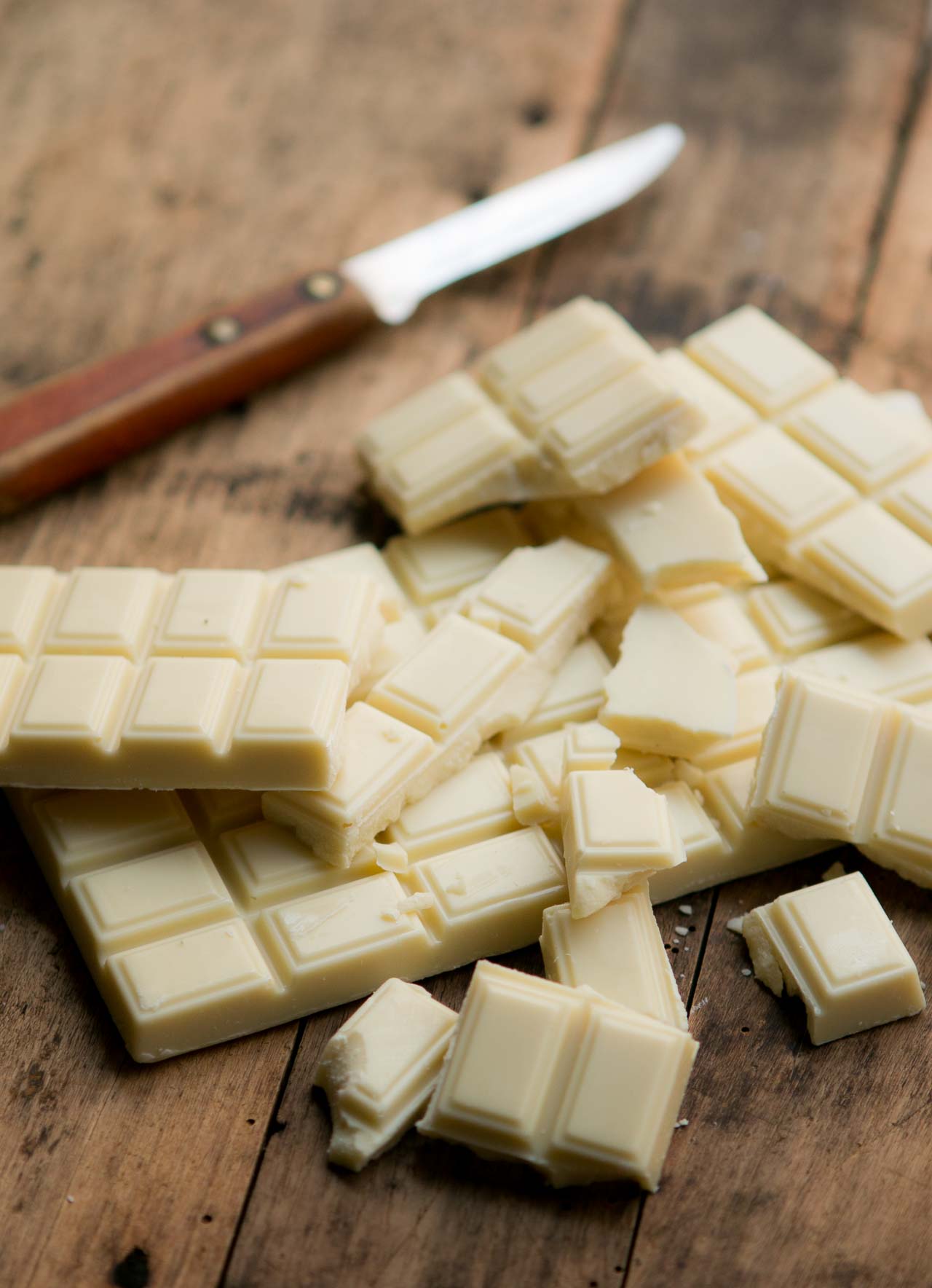
Credit: www.davidlebovitz.com
WASTELAND OF RE RE LEARN — White Chocolate In Popular CultureTOO DUMB TO HAVE FUN
White chocolate is a sweet treat for many people. It is distinguished by its creamy texture and flavor. But white chocolate, more than its taste, has also entered popular culture. It pops up in movies, books, and such, becoming integrated into our daily lives.
Movies
White chocolate frequently appears in movies. It can be a sign of affluence or a simple pleasure. Here are some examples:
- Charlie and the Chocolate Factory: White chocolate also makes it to this timeless movie, thanks to Willy Wonka’s magical world.
- So we open with Ratatouille, that’s part of the chefs using white chocolate to make wonderful cakes.
- Chocolat: A sleepy town is shaken up by a chocolate shop. They offer many treats, including white chocolate.
nlike the whipped crème de cacao, white chocolate is not a prop It can be integrated into a story, too. In Forrest Gump, you might recall that the famous quote ”Life is like a box of chocolates” features white chocolates. Meaning white chocolate is a staple of everyday life.
White chocolate is used in movie food to imply warmth and comfort. It is a common treat that a lot of people can appreciate, allowing the audiences to find something relatable.
Books
White chocolate pops up in a lot of books, too. Writers apply it to evoke flavors, moments and nostalgia. Here are some examples:
- Harry Potter books — Chocolate is often used to lift the spirits of characters. Most students at Hogwarts love white chocolate.
- Chocolat by Joanne Harris: Just like the REAL movie, but MORE chocolate shop. White chocolate is one of the key features.
- This is a story about a group of chocolate loving friends. Their meetings involve a lot of white chocolate.
In books, white chocolate is a confection with career aspirations. It can represent love, care, and friendship. It’s something writers employ to bind characters together and create memorable scenes.
Literary white chocolate helps outline character and scenery. It lets the reader almost taste and smell the yummy treats talks about. It improves the reading experience.
Frequently Asked Questions
The White Chocolate is healthy?
It is not technically chocolate, as it is not derived from cocoa solids. It has cocoa butter, sugar and milk, so technically it’s not real chocolate.
What Is The Difference Between White Chocolate And Chocolate?
White chocolate is made up of cocoa butter, sugar, and milk solids. Ordinary chocolate is made up of cocoa solids, cocoa butter and sugar. They contain no cocoa solids, so they taste and feel different.
What Is In White Chocolate?
Cocoa butter, sugar, milk solids and vanilla are used to make white chocolate. Unlike dark or milk chocolate, it has no cocoa solids.
Conclusion
White chocolate provides a fun alternative to regular chocolate sweets. It is distinct with a creamy texture and sweet flavor. Use it in recipes or by itself. Here is something that may become a new favorite for dessert lovers: White chocolate.
Treat yourself to this ”sweet,” and enjoy a new high.