





4 Best Exercises for Better Sleep: Natural Ways to Beat Insomnia and Sleep Deeper
Struggling with insomnia or poor sleep quality? You’re not alone—millions toss and turn nightly, searching for ways to fall asleep faster, stay asleep longer, and wake up refreshed. Before turning to sleep aids or costly therapies, consider this: simple exercises could be your key to better sleep.
A 2025 network meta-analysis from researchers at Beijing University of Chinese Medicine reviewed 22 randomized controlled trials with over 1,300 adults. It compared various interventions for insomnia and found that certain exercises for sleep—like yoga, Tai Chi, walking/jogging, and strength training—offer powerful, targeted benefits. These low-cost, accessible activities rival traditional treatments and come with minimal side effects.
Here are the top four exercises to improve sleep, backed by the study:
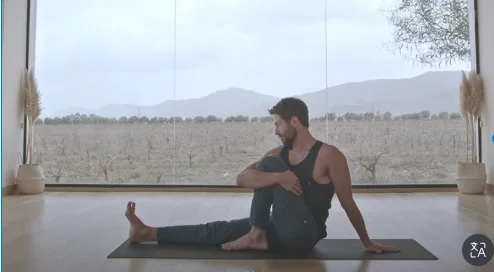
1. Yoga: Boost Total Sleep Time and Sleep Efficiency
If you’re short on sleep hours, yoga tops the list. Participants gained nearly an extra hour (or up to two in some analyses) of shut-eye per night.
Yoga combines poses, mindful breathing, and focus to calm the nervous system and reduce anxiety—common sleep saboteurs.


Tip: Practice 2–6 sessions per week, 45–60 minutes each, ideally in the evening.
2. Tai Chi: Fall Asleep Faster and Stay Asleep
This gentle, flowing practice helped people doze off 15–25 minutes quicker and added 30–50+ minutes of total sleep, especially for older adults.
Tai Chi activates relaxation responses, lowers stress hormones, and may boost melatonin.


Tip: Aim for 2–3 sessions weekly, 45–60 minutes, with benefits lasting up to two years.
3. Walking or Jogging: Reduce Daytime Fatigue and Insomnia Severity
Brisk walks or jogs outdoors cut insomnia symptoms dramatically while fighting brain fog and mood dips.
These cardio activities regulate your circadian rhythm, lower cortisol, and enhance deep sleep.


Tip: Do 3–5 sessions per week, 30–75 minutes, preferably during the day.
4. Strength Training: Achieve Deeper, More Uninterrupted Sleep
Resistance exercises (bodyweight, bands, or weights) promote slow-wave (deep) sleep and build resilience against nighttime wake-ups from anxiety or disruptions.


Tip: 2 sessions per week, 45–60 minutes, in the afternoon or early evening.
While cognitive behavioral therapy remains a gold standard, these natural sleep remedies provide a personalized, sustainable alternative.
Improving sleep through movement isn’t just about the hours in bed—it’s about waking up feeling truly rested and ready for your day. I’ve heard from so many people who started with just a short walk or gentle yoga flow and noticed real changes: less tossing and turning, more energy, and a calmer mind. Give one (or a combo) of these a try consistently for a few weeks. Your body might thank you with the deep, rejuvenating sleep you’ve been craving. Sweet dreams!
FAQ: Exercises for Better Sleep
Q: When is the best time to exercise for sleep? A: Evening for yoga or Tai Chi to wind down; daytime or early evening for walking/jogging and strength training to avoid energizing too close to bed.
Q: How long until I see sleep improvements from exercise? A: Many studies showed benefits after 8–12 weeks of consistent practice, though some noticed changes sooner.
Q: Can I combine these exercises? A: Yes! Mixing them (e.g., yoga + walking) can target multiple sleep issues for even better results.
Q: Is exercise safe if I have insomnia? A: Absolutely—these are low-risk and accessible. Start slow and consult a doctor if you have health concerns.
Q: What if I can’t do intense workouts? A: Gentle options like Tai Chi and walking are ideal for beginners, older adults, or those with limitations.

Health & Wellness Writer | Research-Informed Health Content Creator
A.K.M. Monjurul Hoque is a health and wellness writer specializing in health, beauty, fitness, nutrition and healthy living. His content is informed by health journals, books, seminars, training programs, and discussions with experienced healthcare professionals. He writes clear, practical and research-informed articles for general education and encourages readers to seek personalized advice from qualified medical professionals.