


How Wedding Diet Obsession Led to Hypothalamic Amenorrhea and Nearly Cost This Woman Her Chance at Motherhood
Many brides-to-be dream of looking their absolute best on their wedding day. But for one woman, the intense pressure to achieve the “perfect” bridal body turned a joyful time into a health crisis that threatened her fertility. This real-life story highlights the hidden dangers of extreme dieting and over-exercising, especially when it leads to hypothalamic amenorrhea — a condition where stress on the body shuts down the menstrual cycle.


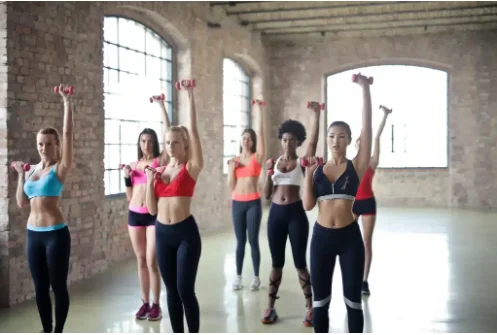
In 2010, when Cynthia received her sparkling engagement ring, excitement quickly mixed with societal pressure to become the ideal bride. What began as a positive goal to get fit escalated into a rigid regimen of calorie cutting and intense workouts.
“I got really disciplined — slashing calories and training harder than ever,” Cynthia shares. “My mind was fixated on slipping into that dream dress and finally having the body I’d always envisioned. In hindsight, I was utterly miserable. Wedding planning, which should have been fun, lost all its joy.”
The Hidden Cost: Losing Her Period and Facing Fertility Fears
This laser-focused approach exacted a heavy toll. Cynthia’s periods stopped completely. At first, she brushed it off, thinking it was lingering effects from years on birth control. But after discontinuing the pill following her honeymoon, with no return of her cycle, anxiety set in.
What followed was an exhausting series of doctor visits. Early appointments dismissed her concerns or wrongly diagnosed her with Polycystic Ovarian Syndrome (PCOS). As time passed, Cynthia’s fear grew — not just about an elusive “perfect” body, but about whether she’d ever become a mother.
“But the idea that I might never be able to have them? That terrified me.”

How Stress Affects Your Menstrual Cycle | UT Physicians
After seeing several specialists, a reproductive endocrinologist finally pinpointed the issue: hypothalamic amenorrhea (HA). Extreme dieting and exercise had thrown off the delicate hormone signals from her hypothalamus, essentially pausing ovulation and menstruation.
The diagnosis shocked Cynthia. “Here I was, a dietitian who thrived on healthy eating and fitness — it was part of who I was! The doctor advised me to eat more and exercise less. It sounded completely backward.”
She didn’t match the typical image of someone with an eating disorder or extreme underweight. Cynthia was simply a dedicated gym enthusiast, passionate about CrossFit, pushing “healthy” habits to the limit.
The Road to Recovery: Choosing Nourishment Over Restriction
Torn between conflicting advice, Cynthia resisted at first. But her longing for a family won out. She committed to properly fueling her body — a shift that felt rebellious after years of restriction.
Even then, pregnancy didn’t come quickly. She underwent fertility treatments like intrauterine insemination (IUI), describing the process as “draining both mentally and physically.”
Persistence paid off. In August 2016, Cynthia gave birth to her son, Brian, after a healthy pregnancy.
“Holding him for the first time was pure magic,” she recalls, voice full of emotion. “It was everything I’d dreamed of.”


Her cycle returned naturally a year later while breastfeeding. Soon after, a wonderful surprise: she conceived her second son, Brayden, without assistance. He arrived in September 2018. Today, the brothers are inseparable best buddies.
Finding Balance and Helping Others
Now a registered dietitian and host of The Period Recovery Podcast, Cynthia channels her experience into supporting women facing similar struggles. She emphasizes viewing your period as a key vital sign of health.
Her top tip? “Be your own advocate. If one doctor doesn’t give you answers, keep seeking until you find clarity.”

nutritionsource.hsph.harvard.edu

Conclusion: Prioritizing True Health Over Perfection
Cynthia’s journey serves as a poignant warning in our image-obsessed culture. Chasing an unrealistic “wedding body” through extreme measures can disrupt hormones, fertility, and overall well-being — even for those who seem “healthy” on the surface.
True strength isn’t found in deprivation or endless workouts. It’s in listening to your body, nourishing it fully, and embracing balance. By honoring our health holistically, we open the door to life’s greatest joys, like motherhood. Cynthia’s story reminds us: your body isn’t something to conquer — it’s your lifelong partner worth treating with kindness.
FAQ: Common Questions About Hypothalamic Amenorrhea and Wedding Fitness Pressure
What is hypothalamic amenorrhea? Hypothalamic amenorrhea (HA) occurs when the brain’s hypothalamus halts hormone production due to stressors like low calorie intake, excessive exercise, or emotional pressure. This stops ovulation and periods, impacting fertility.
Can “healthy” dieting for a wedding cause infertility? Yes. Even without being underweight or having an eating disorder, intense calorie restriction and overtraining can trigger HA, delaying or preventing conception.
How long does it take to recover from hypothalamic amenorrhea? Recovery varies, often taking months to years. It typically involves increasing food intake, reducing exercise, managing stress, and sometimes fertility support.
Is it safe to diet intensely before your wedding? Moderate, sustainable changes are fine, but extreme approaches risk long-term health issues. Focus on feeling strong and energized rather than a specific size.
What are signs you might have hypothalamic amenorrhea? Missing periods for 3+ months (not due to pregnancy, menopause, or other conditions), low energy, hair loss, cold intolerance, or mood changes.
How can I support my period health while preparing for my wedding? Eat balanced, nourishing meals; include carbs, fats, and proteins; avoid over-exercising; prioritize rest and joy in planning.
If you’re experiencing missing periods or fertility concerns, consult a reproductive endocrinologist or dietitian specializing in hormonal health. Your body deserves care, not punishment.

Health & Wellness Writer | Research-Informed Health Content Creator
A.K.M. Monjurul Hoque is a health and wellness writer specializing in health, beauty, fitness, nutrition and healthy living. His content is informed by health journals, books, seminars, training programs, and discussions with experienced healthcare professionals. He writes clear, practical and research-informed articles for general education and encourages readers to seek personalized advice from qualified medical professionals.