




Vitamin D Slows Aging: New VITAL Study Proves 2000 IU Daily Protects Telomeres and Fights Cellular Aging by Up to 3 Years

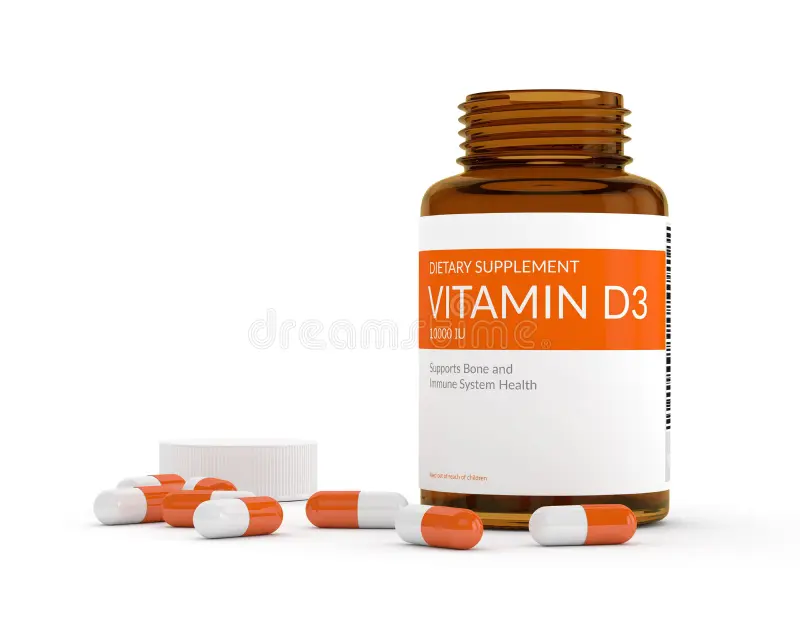
3d Render of Vitamin D3 Pills in Bottle Over White Stock Illustration – Illustration of vitamin, render: 102632603
We all chase youth. But what if the secret to staying biologically younger isn’t expensive creams or extreme diets—but a simple, affordable vitamin D pill? A major new analysis from the landmark VITAL trial delivers the strongest evidence yet: daily vitamin D3 supplementation significantly slows telomere shortening, the key marker of cellular aging.
This isn’t hype. It’s hard data from over 1,000 participants showing vitamin D can preserve your cells’ “youth clock” by the equivalent of nearly three years. Here’s exactly what the science says—and what it means for you.
The Hidden Driver of Aging: Why Telomeres Matter
Every cell in your body carries chromosomes—long strands of DNA. At their tips sit protective caps called telomeres, like the plastic ends on shoelaces. Every time a cell divides, telomeres shorten a bit. When they get too short, cells stop working properly, triggering inflammation, disease, and the visible signs of aging.
Shorter telomeres = faster biological aging and higher risk of heart disease, cancer, and cognitive decline. Longer telomeres = healthier, more resilient cells.
Here’s what telomere shortening looks like over time:

Telomeres Shortening Stock Illustrations – 30 Telomeres Shortening Stock Illustrations, Vectors & Clipart – Dreamstime
The VITAL Trial Breakthrough: Vitamin D3 Slows Telomere Loss
The VITAL trial—one of the largest and longest randomized, placebo-controlled studies ever conducted—tested 2,000 IU of vitamin D₃ daily (with or without omega-3s) in adults over 50. Researchers measured telomere length in white blood cells at the start, after 2 years, and after 4 years.
The results hit hard:
- The vitamin D3 group lost 140 fewer base pairs of telomere length over 4 years compared to the placebo.
- That’s roughly 3 years less cellular aging.
- The benefit showed up clearly by year 4 and held even when combined with omega-3s.

The Telomere Effect: Taking Control of Your Cellular Aging
Why Vitamin D Works—But Omega-3s Don’t
Omega-3 fatty acids are excellent for heart and brain health, but they showed zero effect on telomere length in this trial. Vitamin D3, however, stood out.
Researchers believe vitamin D reduces chronic low-grade inflammation—one of the biggest accelerators of telomere shortening. Lower inflammation means your cells stay healthier longer. This is the first large-scale, long-term randomized trial to prove vitamin D directly protects telomeres.
Should You Start Taking Vitamin D for Anti-Aging?
2,000 IU per day worked in the study—well above the basic 600–800 IU recommendation but still considered safe for most healthy adults. However:
- Get tested first. Many people (especially in cloudy climates or with darker skin) are deficient.
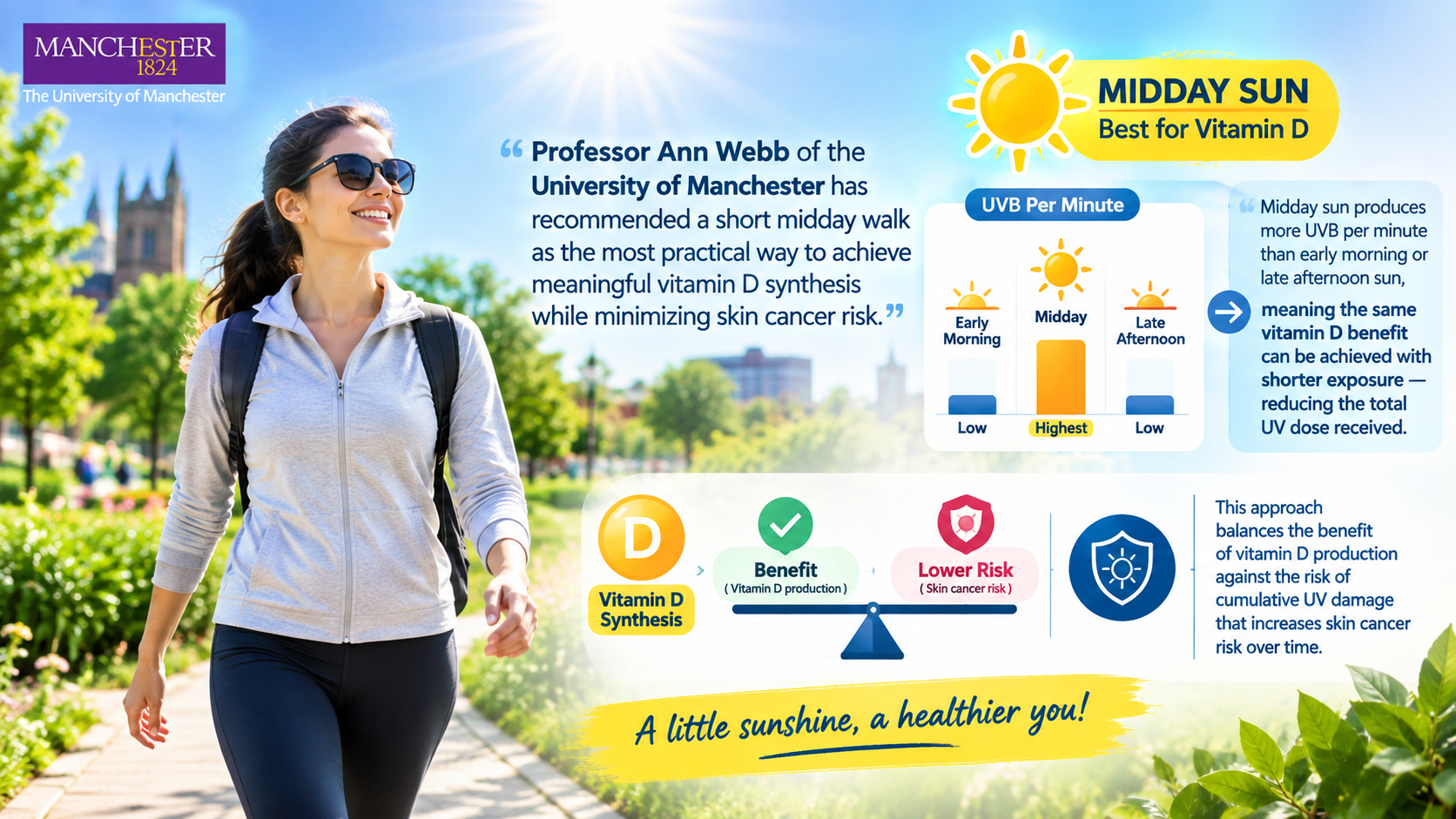
- Natural sources help: 15–20 minutes of midday sun, fatty fish, eggs, and fortified foods.
- Talk to your doctor. High doses aren’t for everyone—especially if you have certain medical conditions or take medications.
Real-world tip: Pair vitamin D with magnesium and vitamin K2 for better absorption and bone/heart benefits.
Here’s what healthy aging looks like when your cells stay younger:

Embracing Active Aging for a Healthier Senior Lifestyle
What’s Next for Vitamin D Research?
Scientists are now exploring whether vitamin D delivers the same telomere protection in younger adults or people with chronic diseases. They’re also studying how genetics, lifestyle, and dosage timing influence results. One thing is clear: this is just the beginning of understanding vitamin D’s full anti-aging power.
Conclusion: Vitamin D Isn’t Magic—But It’s One of the Strongest Tools We Have
This VITAL sub-study doesn’t claim vitamin D is a fountain of youth. But it delivers the clearest proof yet that a daily 2,000 IU dose can meaningfully slow one of the core mechanisms of aging at the cellular level. Combined with exercise, sleep, and a nutrient-rich diet, it could help you stay biologically younger for longer.
The bottom line? Don’t wait for perfect health. Check your vitamin D levels, talk to your doctor, and consider making this simple supplement part of your daily routine. Your future cells will thank you.
Ready to take control of how you age? The science is in—vitamin D just became your new anti-aging ally.
FAQs About Vitamin D and Aging
Q1: How much vitamin D slows aging according to the VITAL study? A: 2,000 IU of vitamin D3 daily reduced telomere shortening by the equivalent of nearly 3 years over 4 years of use.
Q2: Does vitamin D really add years to your life? A: It slows cellular aging, which is linked to longer healthspan. It doesn’t extend lifespan directly in this study, but healthier cells mean fewer age-related diseases.
Q3: Why didn’t omega-3s help telomeres? A: Omega-3s offer many benefits, but the VITAL telomere analysis showed they had no significant effect on shortening rates—unlike vitamin D3.
Q4: Is 2,000 IU of vitamin D safe? A: Yes for most adults, but blood testing is essential to avoid excess. Always consult your physician.
Q5: Can younger people benefit from vitamin D for anti-aging? A: The study focused on adults 50+, but maintaining optimal levels earlier may help prevent telomere loss over decades. More research is coming.
Q6: How do I know if I need vitamin D supplements? A: Ask for a 25-hydroxyvitamin D blood test. Levels below 30 ng/mL are common and easily corrected with supplementation.
Q7: What’s the best way to get vitamin D naturally? A: Safe sun exposure, vitamin D-rich foods (salmon, sardines, egg yolks), and fortified dairy or plant milks. Supplements fill the gap when needed.
Sources include peer-reviewed findings from the VITAL telomere sub-study published in the American Journal of Clinical Nutrition (2025).

Health & Wellness Writer | Research-Informed Health Content Creator
A.K.M. Monjurul Hoque is a health and wellness writer specializing in health, beauty, fitness, nutrition and healthy living. His content is informed by health journals, books, seminars, training programs, and discussions with experienced healthcare professionals. He writes clear, practical and research-informed articles for general education and encourages readers to seek personalized advice from qualified medical professionals.