




Midlife Carbs: The Surprising Key to Thriving in Your 70s and Beyond, New 30-Year Study Reveals
Aging doesn’t have to mean slowing down, fogging up, or battling one chronic illness after another. What if the carbs on your plate right now—in your 40s or 50s—could literally decide whether you stay strong, sharp, and independent well into your 70s and 80s? A groundbreaking long-term study says they can. And the difference isn’t about cutting carbs entirely—it’s about choosing the right ones.

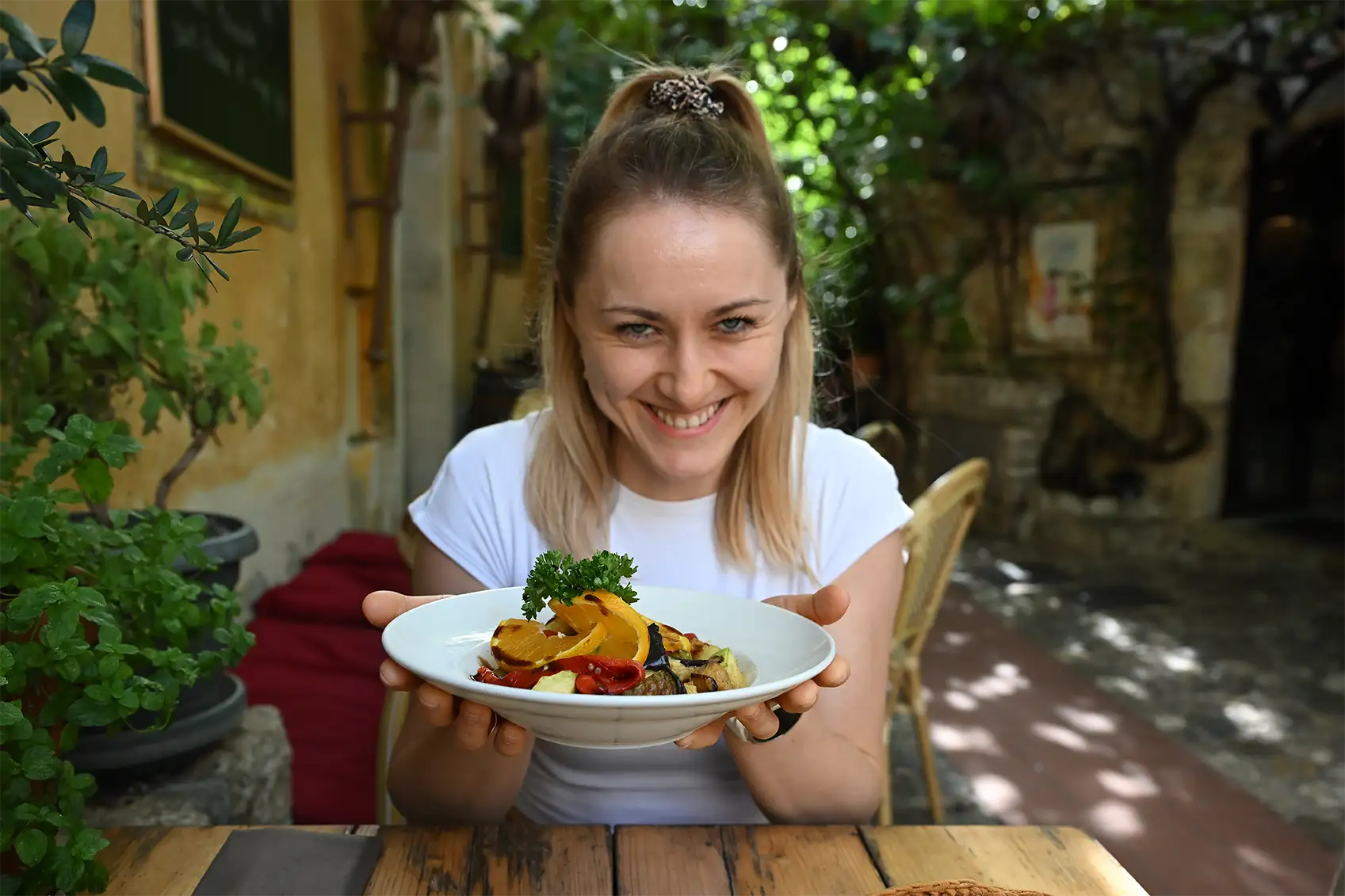
The Mediterranean Diet—Discover the Principles and Foods of the Healthiest Cuisine in the World! – Made By Diet – EUR
Not Every Carb Deserves a Place on Your Plate
For decades, carbs have been unfairly demonized. But this research flips the script: it’s quality, not quantity, that matters most for women’s long-term health. Researchers followed nearly 47,000 women starting in 1984 for more than 30 years. The verdict is crystal clear—high-quality carbohydrates from whole grains, fruits, vegetables, and legumes are powerfully linked to graceful aging, while refined carbs like white bread, pastries, and sugary snacks actively sabotage it.
What “Healthy Aging” Actually Means (It’s Not Just Living Longer)
Hitting 70 isn’t the win. True healthy aging means showing up to life fully alive: no major chronic diseases like heart disease, diabetes, or cancer; crystal-clear thinking with no cognitive decline; full physical independence; and rock-solid mental health. Out of those 47,000 women, only about 3,706—roughly 8%—checked every single box. Their secret? Diets packed with fiber and superior carbs decades earlier.
High-Quality Carbs Deliver a 31% Boost to Healthy Aging
Here’s the hard-hitting number that should make you rethink your next meal: women who bumped up their intake of whole grains, fruits, and vegetables by just 10% had a 31% higher chance of aging well. Meanwhile, those who leaned into refined carbs faced a 13% lower likelihood of thriving later in life.
Senior author Qi Sun put it bluntly: this backs up what we already know about whole foods fighting chronic disease, but now we see they also safeguard physical mobility, brain power, and emotional resilience for the long haul.

190,334 Elderly People Smiling Stock Photos—Free & Royalty-Free Stock Photos from Dreamstime
Fiber: The Real MVP of Midlife Eating
Fiber isn’t just for digestion—it’s your brain’s bodyguard, your body’s mobility coach, and your mood’s best friend. Every standard increase in total fiber intake raised the odds of healthy aging by 17%. Break it down further:
- Fruit fiber → 14% better odds
- Vegetable fiber → 11% advantage
- Cereal fiber (yes, even from whole grains) → 7% boost
These aren’t tiny tweaks. They’re the kind of consistent choices that compound into decades of vitality.
Blood Sugar Rollercoasters vs. Fiber’s Protective Power
High-glycemic foods that spike blood sugar fast can quietly damage your future health. Interestingly, some high-glycemic-load foods showed a temporary link to better mental health—but that benefit vanished once researchers adjusted for fiber. The takeaway? Fiber appears to neutralize many of the downsides of higher-GI foods, keeping blood sugar steadier and inflammation lower over time.
Tiny Swaps, Life-Changing Results
You don’t need a total diet overhaul. Simple substitutions pack a serious punch:
- Swap refined carbs for whole grains, beans, or extra vegetables → 8% to 16% higher odds of healthy aging.
Lead author Andres Ardisson Korat nailed it: “What you eat in your 40s and 50s literally shapes your 70s and 80s.” Short-term fad diets won’t cut it. Consistent, smart carb choices do.

High-Fiber Foods and Their Health Benefits
Small Study Limitations, Massive Real-World Message
The participants were mostly white and highly educated, and diet info relied on self-reports (which can have some inaccuracies). Even so, the pattern is undeniable and aligns with broader science: prioritizing high-quality carbs and fiber in midlife isn’t just “nice to do”—it’s one of the most powerful levers you have for a vibrant second half of life.
Conclusion: Your Plate Today Writes Your Future Story
Aging well isn’t luck. It’s a choice you start making now. The women who thrived didn’t follow extreme diets or pop miracle pills—they simply ate more whole, fiber-rich carbs and far fewer refined ones during midlife. The payoff? Sharper minds, stronger bodies, and fewer diseases decades later. Stop waiting for “someday.” Your next meal is the perfect place to begin. Choose the carbs that build a stronger, healthier you for the long run—because your 70s and 80s are counting on the decisions you make today.

What Are Refined Carbs, and Can Cutting Back Help You Lose Weight?
FAQ: Your Midlife Carb Questions Answered
Q1: What exactly counts as “high-quality” carbs? Whole grains (oats, quinoa, brown rice), fruits, non-starchy vegetables, and legumes like beans and lentils. These deliver fiber, nutrients, and steady energy without the blood-sugar crash.
Q2: How much fiber should I aim for daily? Most experts recommend 25–30+ grams. Focus on variety—mix fruit, vegetable, and whole-grain sources for maximum benefit.
Q3: Do I have to cut all carbs to age well? Absolutely not. The study shows the right carbs protect and enhance healthy aging. It’s refined, processed carbs that drag you down.
Q4: Can men benefit from these findings too? While the study focused on women, the underlying mechanisms (fiber, blood-sugar control, reduced inflammation) apply to everyone. Quality carbs matter across the board.
Q5: Is it too late if I’m already in my 60s? Never. While midlife offers the biggest window, switching to high-quality carbs and fiber at any age can still improve energy, cognition, and overall health.
Q6: What’s one easy swap I can make today? Replace white bread or pasta with whole-grain versions, or trade chips for a handful of nuts plus fresh fruit. Small, repeatable changes create the biggest long-term wins.
Q7: Where can I learn more about this study? The findings were published in a major nutrition journal and highlight the critical role of carbohydrate quality over decades.
Make the shift today. Your future self will thank you—loudly and with far more energy than you ever imagined.

Health & Wellness Writer | Research-Informed Health Content Creator
A.K.M. Monjurul Hoque is a health and wellness writer specializing in health, beauty, fitness, nutrition and healthy living. His content is informed by health journals, books, seminars, training programs, and discussions with experienced healthcare professionals. He writes clear, practical and research-informed articles for general education and encourages readers to seek personalized advice from qualified medical professionals.