




Creatine Benefits Beyond Muscle Growth: Why This Supplement Is Exploding in Popularity in 2026 (Even for Women, Seniors & Everyday People)
Creatine isn’t just surviving the supplement aisle anymore — it’s dominating it.
You’ve seen the TikToks, the Instagram reels, the gym bags stuffed with that white powder. But here’s the hard truth most people miss: creatine sales at The Vitamin Shoppe exploded over 320% between 2019 and 2024, and the global market is projected to keep surging from roughly $1.11 billion in 2024 toward $4.28 billion by 2030.
This isn’t hype from bodybuilders alone. Middle-aged women, seniors, and regular health-conscious adults are loading up too—chasing strength, sharper thinking, stronger bones, and better moods. If you’ve written creatine off as “bro science,” it’s time to rethink everything.
Why Creatine Is Suddenly Everywhere — And Who’s Actually Taking It

Your body makes a little creatine naturally in the liver, kidneys, and pancreas. But most of us don’t get enough from food (red meat and fish are the main sources) to max out our stores—especially if you’re vegetarian, over 40, or training hard.
The old narrative? Creatine = bulky muscles for guys in the gym.
The 2026 reality? It’s a daily performance and longevity tool for everyone. Women in perimenopause are discovering it supports bone density as estrogen drops. Seniors are using it to fight muscle loss and stay independent. Busy professionals swear it sharpens focus when sleep is short. And athletes? They’ve known the edge for decades.
The Real Game-Changing Benefits of Creatine (Backed by Science)

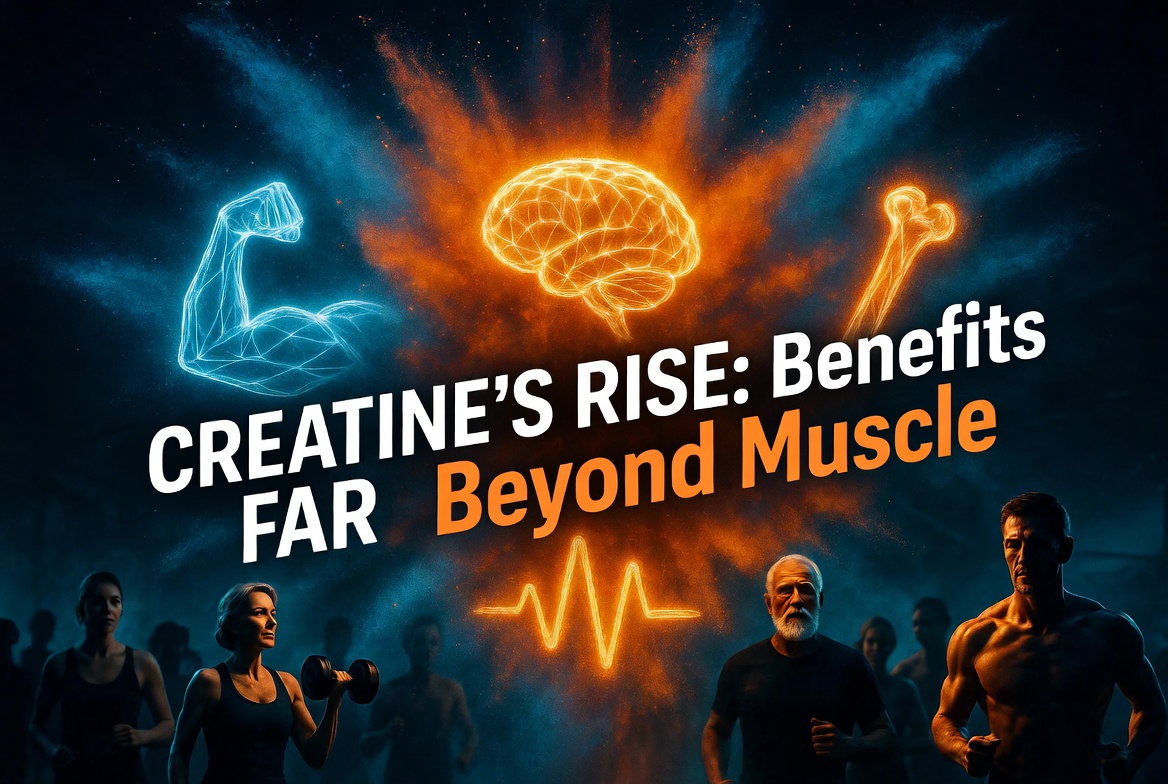
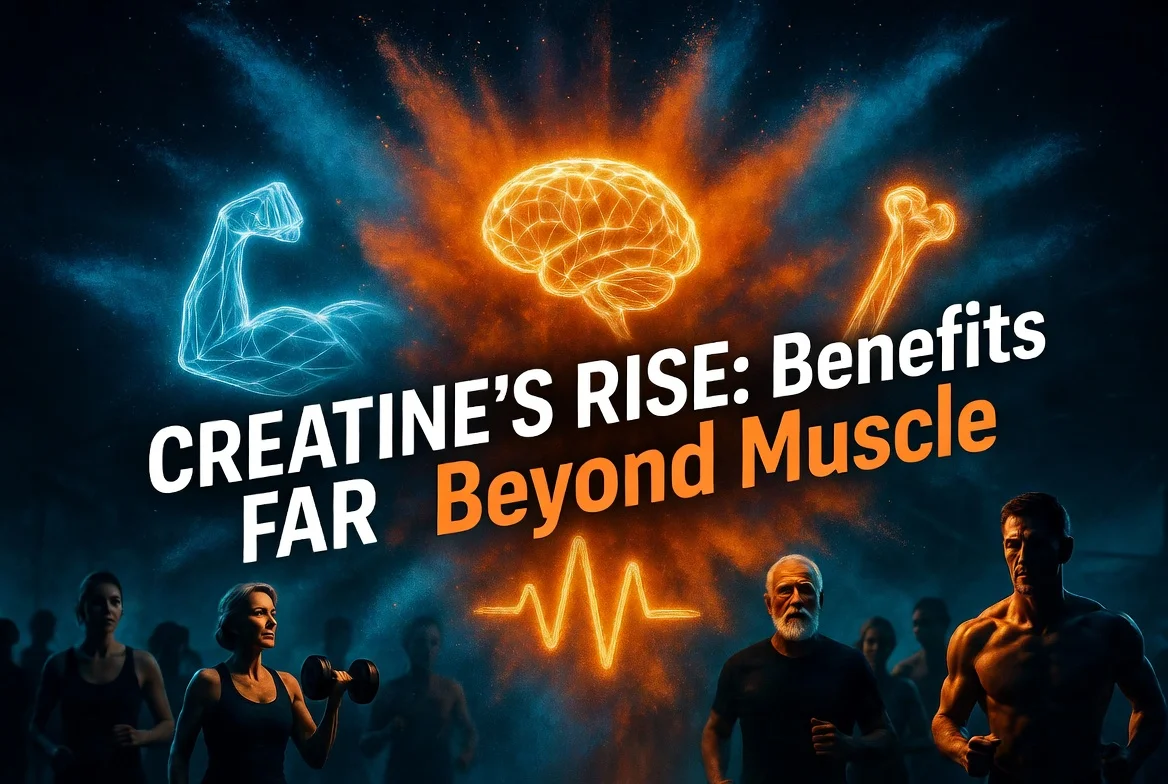
Creatine isn’t just about bigger biceps anymore. Cutting-edge research keeps uncovering ways it powers your entire body and brain:
- Muscle growth and recovery: Faster strength gains, quicker bounce-back after workouts — the classic benefit that started it all.
- Bone health: Emerging data shows creatine may support bone density, especially when paired with resistance training—critical for women post-menopause and aging adults fighting osteoporosis.
- Cognitive function: It boosts brain energy stores, helping memory, processing speed, and mental clarity—particularly under stress, sleep deprivation, or mental fatigue.
- Better sleep quality: Users report deeper rest and faster recovery; research links it to improved energy metabolism that supports restorative sleep.
- Reduced symptoms of depression and anxiety: Early studies suggest creatine can ease mood struggles by supporting brain chemistry and cellular energy — a promising add-on for mental health.
Scientists call it one of the most researched supplements on the planet for good reason. The evidence keeps stacking up.
Creatine Dosage: Simple, Effective, No Guesswork

Keep it straightforward: 5 grams of creatine monohydrate per day is the gold-standard dose for most people.
Some researchers note that 10 grams daily can deliver even stronger results for cognitive and recovery benefits, especially if you’re older or under high stress.
No need for fancy loading phases unless you’re in a hurry — just consistent daily use gets you there in about 3–4 weeks. Mix it in water, a smoothie, or your morning coffee. It’s flavorless and cheap.
Creatine Side Effects: Why Even Skeptics Are On Board

Here’s the no-BS part: creatine is remarkably safe for healthy adults.
Most reports show minimal to zero side effects at standard doses. Your body actually uses it to protect cells from damage. The old myths about kidney strain or bloating? Largely debunked for people without pre-existing conditions.
Even Dr. Eric Topol—director of the Scripps Research Translational Institute and a vocal critic of unnecessary supplements—gives creatine a rare thumbs-up. He calls it inexpensive, with no serious side effects and proven for post-workout recovery. He notes more research is still needed on its full role in healthy aging, but if he had to pick one supplement, this would be it.
Conclusion: Creatine Is the Smartest, Simplest Upgrade You Can Make Right Now
Whether you’re chasing PRs in the gym, sharper focus at work, stronger bones as you age, or just better daily energy and mood—creatine delivers results with almost zero downside.
It’s affordable, backed by mountains of research, and finally getting the mainstream respect it deserves.
Bottom line: Stop overcomplicating your supplements. Creatine works.
Always talk to your healthcare provider before starting, especially if you have kidney issues or any underlying conditions. But for the vast majority of us? It’s time to make creatine a non-negotiable part of your routine.
Creatine FAQ: Your Top Questions Answered
What exactly is creatine, and how does it work? Creatine is a natural compound that helps your cells produce energy fast (ATP). Supplementation tops up your muscle and brain stores for better performance, recovery, and cognitive function.
Is creatine only for athletes or bodybuilders? Absolutely not. In 2026, women, seniors, and non-gym-goers are the fastest-growing users because of its brain, bone, and mood benefits.
How long until I see results from creatine? Muscle and strength gains often show in 2–4 weeks. Cognitive and mood benefits can appear even faster with consistent daily use.
Can women take creatine without getting bulky? Yes. Women typically see improved strength, tone, and recovery without unwanted bulk—especially when combined with proper training and diet.
Are there any real side effects or risks? For healthy people, side effects are rare. Stay hydrated and stick to proven creatine monohydrate. Consult a doctor if you have kidney concerns.
What’s the best form of creatine? Creatine monohydrate is the most researched, effective, and affordable form. Skip the expensive “new and improved” versions unless you have a specific reason.
Ready to level up? Your future self (and your brain, bones, and muscles) will thank you.

Health & Wellness Writer | Research-Informed Health Content Creator
A.K.M. Monjurul Hoque is a health and wellness writer specializing in health, beauty, fitness, nutrition and healthy living. His content is informed by health journals, books, seminars, training programs, and discussions with experienced healthcare professionals. He writes clear, practical and research-informed articles for general education and encourages readers to seek personalized advice from qualified medical professionals.