Until recently, the only way to produce a polished image was to master a complex design program, hire a graphic designer, or spend hours editing graphics on your own. Today, that’s no longer the case.
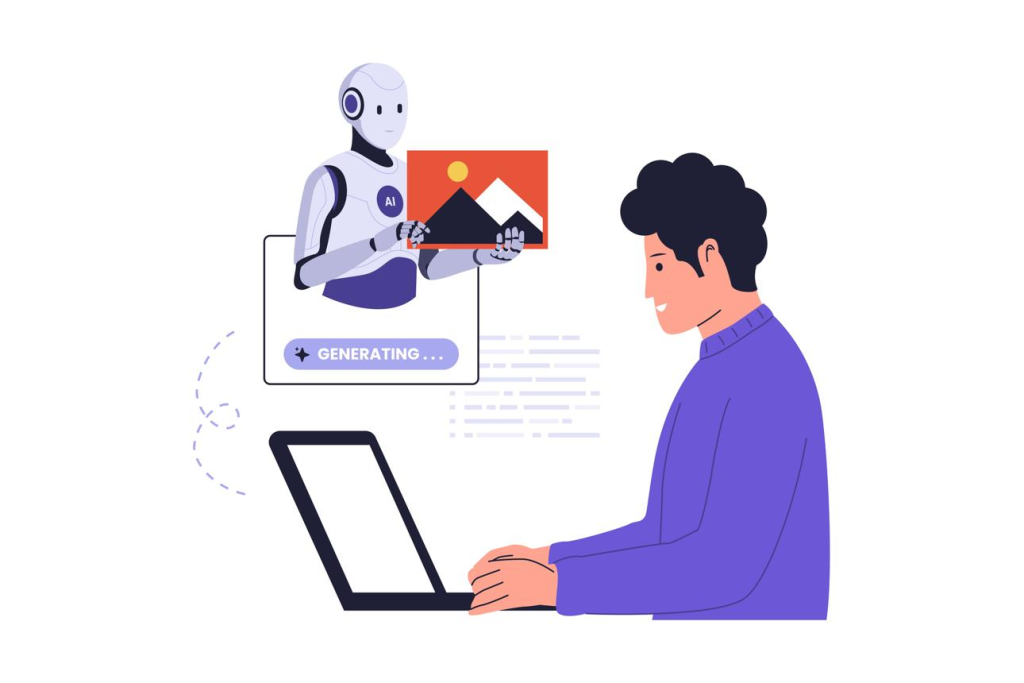
With the help of artificial intelligence, everyone can produce amazing visuals in seconds. It only takes an idea and a couple of words.
From blogging to business or even social media to exploring creativity, a free AI image generator can transform a basic description into a distinct image in mere moments.
Whether in the form of photos, digital paintings, product concepts, or fantasy art, visual creation is more accessible than ever with these tools.
What Is a Free AI Image Generator?
Generally speaking, a free AI image generator is a tool that translates text into images.
All you have to do is explain the type of picture you want, and the AI will produce it.
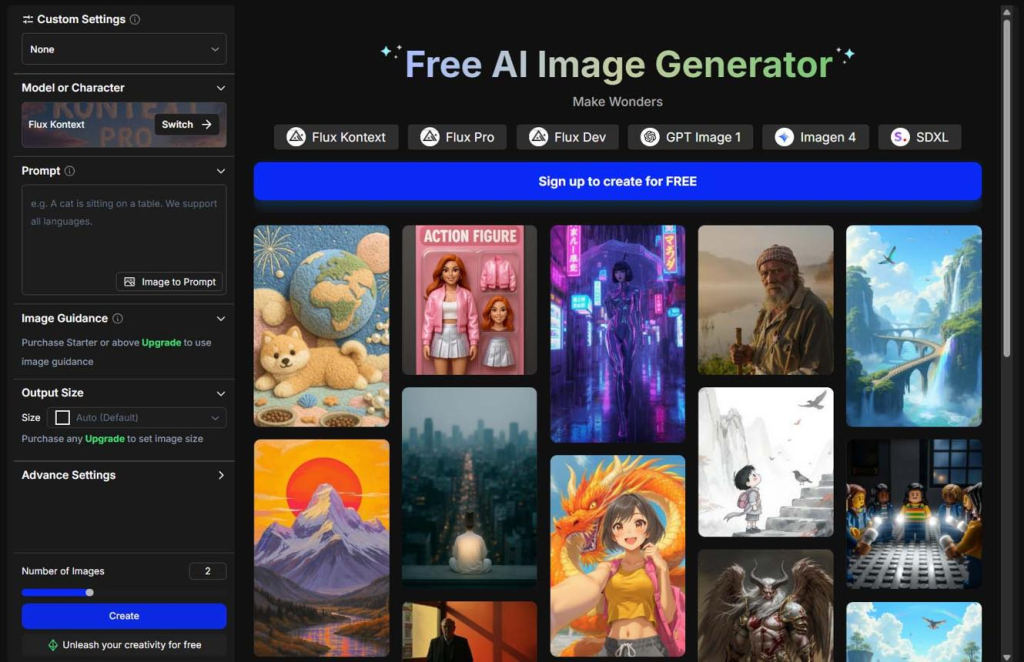
For example, when you type the following:
A scene set in a futuristic city, featuring a sunset, flying cars, and neon lights illuminating glass skyscrapers.
In an instant, the AI creates an image based on that description.
Makes you feel like a magician when you use it for the first time. However, it’s complex machine learning systems working behind the scenes to do all the heavy lifting.
Today’s image-generator models are trained on huge collections of images. They learn patterns, styles, shapes, lighting, and composition and can produce images that can frequently appear very realistic—or very artistic, depending on what you’re after.
How Does an AI Image Generator Work?
Actually, the process is quite simple and not as complicated as people imagine.
Firstly, you put in a text prompt.
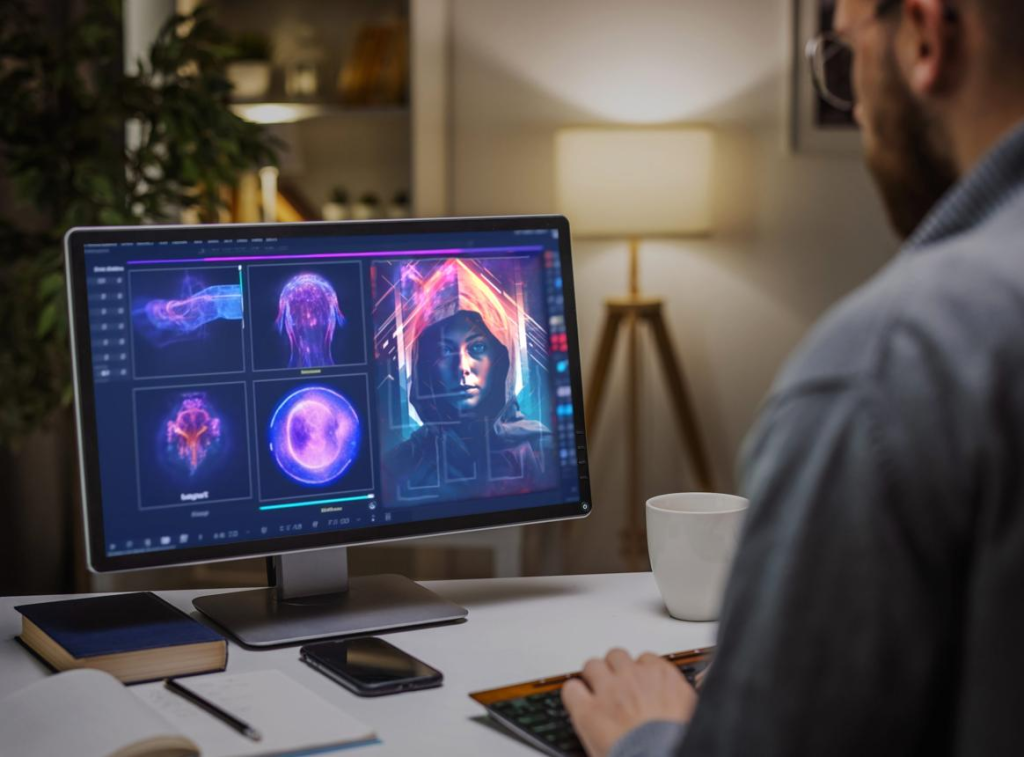
The AI reads the words, understands the context of what you are asking for, and starts creating visual elements that align with your request. It will use the patterns it has learned during training and produce one or more original images.
That’s it.
How good the result is can often be determined by how good the prompt is. A vague description might result in a generic text, whereas a detailed prompt provides the AI with more information to work with.
Often, details of style, lighting, mood, and composition can make a huge difference in the final image.
Why So Many People Use Free AI Image Generators
They Save an Incredible Amount of Time
If you’re doing custom graphics, it can be hours of work. AI can frequently provide useful information in less than a minute.
This speed can significantly impact bloggers, marketers, and content creators who are required to adhere to deadlines.
They Reduce Design Costs
Not every project is going to have the funds to employ the services of a professional designer.
Budget-free AI tools enable individuals and small businesses to produce visual content without having large software budgets or outsourcing.
They unlock creativity.
The most exciting thing about generating images with AI is that there is no need to be limited.
Looking for a dragon to fly over a cyberpunk city? A cat in a suit in watercolor? Or a mountain scene, such as a sunrise movie?
All with the power of AI.
Anyone Can Use Them
Don’t need to have years of design experience.
It’s not necessary to know Photoshop.
If you can accurately describe how to create an image, you can create an image.
They Help Content Stand Out
People like to look at visual content. An article with an interesting image is more likely to have a higher performance than one without images, and a social media post with a compelling image is likely to have more engagement than one without.
AI makes it a lot easier to create those visuals.
Some of the Best Free AI Image Generators
ChatGPT Image Generation
Creators, students, teachers, and marketers can use ChatGPT to create detailed images from any natural language description.
Best for:
- Blog illustrations
- Social media graphics
- Marketing visuals
- Creative artwork
Canva AI Image Generator
Canva combines an easy-to-use design platform with the convenience of image creation.
The Canva workflow is straightforward and effective if you’ve already made presentations, social posts, or marketing materials.
Best for:
- Presentations
- Social content
- Marketing materials
Microsoft Designer
Microsoft Designer is primarily about the graphics design tools and how they can be used with AI-generated visuals. tools.
This is a great addition for promotional material and short-term design projects.
Best for:
- Business graphics
- Social media designs
- Promotional materials
Adobe Firefly
In addition to its impressive image creation capabilities, Adobe Firefly also includes creative controls that appeal to designers and professionals.
Best for:
- Professional projects
- Creative illustrations
- Commercial content
How to Create Better AI Images
A lot of individuals are uncertain about why their outcomes aren’t as appealing as the ones they see online.
Typically, these discrepancies are in your descriptions.
Instead of writing:
“A dog in the park”
Try something like:
A realistic and highly detailed image of a golden retriever dog running through a green park during golden hour with a shallow depth of field.
These additional details give the AI a clearer idea of what you’re looking for.
Mention a Style
Content is as important as what you’re posting.
Consider specifying:
- Realistic photography
- Watercolor painting
- Oil painting
- Anime art
- 3D render
- Cinematic photography
Think About Lighting
Often a picture can be ordinary or extraordinary because of the lighting!
Useful descriptions include:
- Golden hour
- Soft natural light
- Neon city lights
- Dramatic shadows
- Studio lighting
Don’t Forget Composition
The composition will instruct the AI on how to frame the scene.
Examples include:
- Close-up portrait
- Wide-angle landscape
- Aerial view
- Professional studio shot
It can make all the difference in a final product with a few changes like these.
Popular Uses for AI-Generated Images
AI-generated illustrations are ubiquitous on the internet.
Common uses include:
- Blog illustrations
- YouTube thumbnails
- Social media posts
- Advertising campaigns
- Educational content
- Product mockups
- Book covers
- Presentation slides
- Website graphics
With the advancement of technology, new applications are constantly being created.
Are Free AI Image Generators Worth It?
For most users for sure.
They offer a quick and cheap method for developing custom visuals without requiring a specialist skill set or high-dollar software.
Although some people might choose to use a higher image limit, advanced editing, and faster processing with premium plans, most free options would suffice for their personal projects, blogs, educational work, and social media content.
They’re the simplest way to get started in digital design for many.
Conclusion
In no time at all, AI image generators have revolutionized the creative landscape.
Tasks that used to need lots of technical know-how can now be done with a written prompt. These tools are perfect for creating graphics for blogs, marketing materials, social media content, or simply exploring new ideas and making visual design more accessible and faster than ever.
It is not only about the AI but also about how to effectively convey ideas. The more effective your prompts are, the more effective your results will be.
The more AI technology advances, the closer you’ll get to seeing the things you can only imagine.
Frequently Asked Questions (FAQ)
What is the best free AI image generator?
There isn’t a single answer for everyone. ChatGPT, Canva AI, Microsoft Designer, and Adobe Firefly are among the most popular options, each offering different strengths depending on your goals.
Can I use AI-generated images commercially?
In many cases, yes. However, licensing rules vary by platform, so it’s important to review the terms of use before using AI-generated images in commercial projects.
Are AI image generators completely free?
Many platforms offer free access with certain limits. Some advanced features, higher-quality outputs, or additional image generations may require a subscription.
Do I need design experience?
Not at all. Most AI image generators are built for beginners. If you can describe an idea, you can create an image.
Can AI generate realistic photos?
Yes. Modern AI models are capable of producing highly realistic images that can closely resemble professional photography.
How do I get better results?
Focus on writing detailed prompts. Include information about the subject, style, lighting, mood, and composition. Experimentation is often the fastest way to improve your results.