Greenland’s vast ice sheets hold more than just frozen water. Beneath the ice lies a treasure trove of minerals, waiting to be discovered.
Greenland, the world’s largest island, is known for its icy landscape. But there’s a hidden story beneath all that ice. Rich deposits of minerals such as rare earth elements, gold, and uranium lie buried deep. These minerals are crucial for modern technology and the green energy revolution.
The hunt for these hidden treasures is not just about economic gain. It also raises important questions about environmental impact and indigenous rights. As the ice melts, the secrets of Greenland’s mineral wealth slowly come to light, promising both opportunities and challenges. Let’s explore what really lies beneath Greenland’s ice.
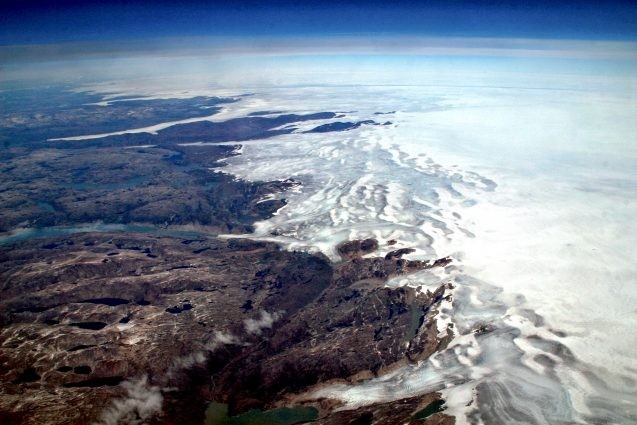
Credit: lamont.columbia.edu
Introduction To Greenland’s Minerals
Greenland is known for its vast ice sheets. But beneath the ice, there is a hidden treasure. Greenland holds a wealth of minerals. These minerals are essential for modern technology. Rare earth elements, gold, and precious metals are just a few examples. The potential is immense. Understanding this hidden wealth is crucial for the future.
Geological Significance
Greenland’s geology is unique. The island sits on ancient rocks that are billions of years old. These rocks contain valuable minerals. Greenland’s mineral wealth includes rare earth elements, gold, and other metals. The ice sheet covers most of the land. But beneath it lies untapped resources.
Scientists have used modern technology to study the geology. Satellite images and drilling have revealed much. They have found rich deposits of minerals. Rare earth elements are among the most important. These are crucial for electronics and renewable energy. Gold and other precious metals are also abundant. The mineral wealth could be significant for the global economy.
Mineral exploration in Greenland has increased. Many countries and companies are interested. They see the potential for mining. But the icy conditions make it challenging. Despite this, the interest in Greenland’s minerals continues to grow.
Historical Context
The history of mining in Greenland is long. Indigenous people have known about the minerals for centuries. They used these resources for tools and trade. European explorers noted the mineral wealth as early as the 10th century. But large-scale mining didn’t start until the 20th century.
In the 1970s, Greenland saw a mining boom. This was due to the discovery of rare earth elements and other valuable minerals. Mining companies from around the world came to explore. But the harsh climate and remote locations were obstacles. Many projects were abandoned due to these challenges.
Recently, interest has revived. Advances in technology have made mining more feasible. Greenland’s government has also supported exploration. They see mining as a way to boost the economy. Environmental concerns remain, but the potential rewards are significant.
Today, Greenland is at a crossroads. The mineral wealth beneath the ice could shape its future. Understanding the historical context helps us appreciate the challenges and opportunities ahead.
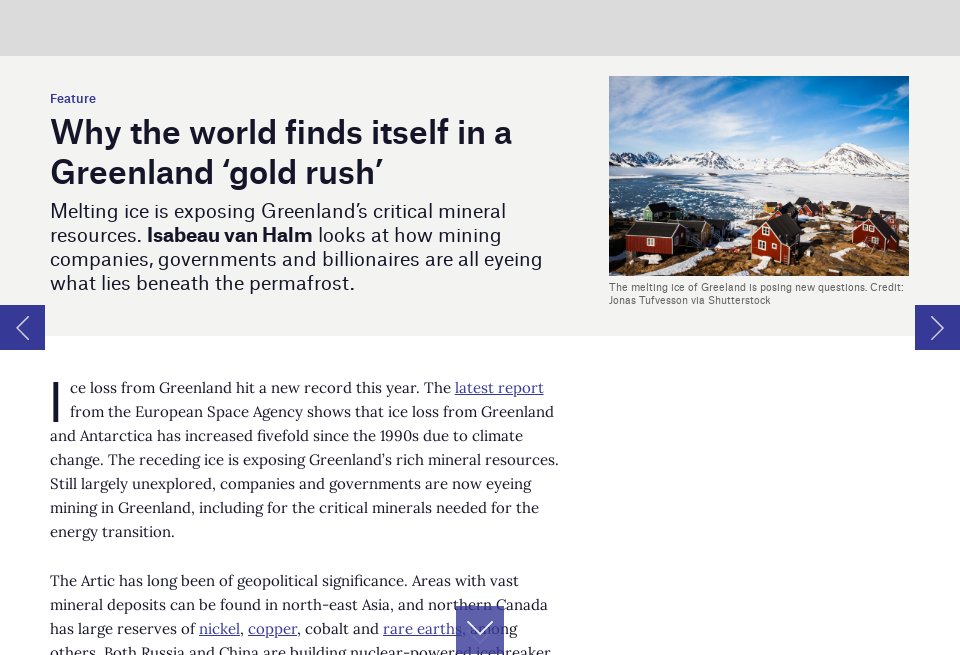
Credit: mine.nridigital.com
Types Of Minerals Found
Greenland is a vast island covered in ice, but beneath its frozen surface lies a treasure trove of minerals. The island is rich in various types of minerals, making it a focal point for global mining interests. Understanding the types of minerals found in Greenland can help us appreciate its untapped potential.
Rare Earth Elements
Greenland holds significant deposits of rare earth elements (REEs). These minerals are crucial for modern technology. They are used in smartphones, electric cars, and wind turbines. REEs include elements like neodymium, praseodymium, and dysprosium.
Greenland’s Kvanefjeld area is known for its rich deposits of REEs. This area has been the subject of many geological surveys. The potential for mining these elements is immense. Here are some key points about Greenland’s REEs:
- Neodymium: Used in powerful magnets and electric motors.
- Praseodymium: Essential for aircraft engines and glass manufacturing.
- Dysprosium: Critical for making strong permanent magnets.
Mining these elements could greatly boost Greenland’s economy. It can provide jobs and infrastructure development. However, environmental concerns need to be addressed. Sustainable mining practices are essential to protect Greenland’s unique ecosystem.
Gold And Silver Deposits
Greenland is also rich in gold and silver deposits. These precious metals have been found in various parts of the island. Gold is often found in quartz veins, while silver is commonly found alongside other minerals.
One of the most promising areas for gold mining is the Nuuk region. This area has shown high concentrations of gold. The potential for economic growth is significant. Here are some facts about Greenland’s gold and silver deposits:
- Gold: Found in quartz veins, essential for jewelry and electronics.
- Silver: Used in electronics, jewelry, and as an investment.
Mining these metals can provide economic benefits. It can help in diversifying Greenland’s economy. However, careful planning is needed. Environmental protection and sustainable practices are crucial. Ensuring minimal impact on the ecosystem is vital.
Mining Potential And Opportunities
Greenland, known for its vast ice sheets, holds a secret beneath its frozen surface. The island is rich in minerals like gold, uranium, and rare earth elements. These resources could transform Greenland’s economy and provide new opportunities for mining companies. The potential for mining is enormous, but challenges like harsh climates and environmental concerns exist. Understanding the current projects and future prospects is key to grasping Greenland’s mining potential.
Current Mining Projects
Several mining projects are active in Greenland today. Each project aims to harness the island’s mineral wealth.
One of the main projects is the Kvanefjeld project. It focuses on rare earth elements, uranium, and zinc. This project is vital due to the global demand for rare earth elements.
Another significant project is the Citronen Fjord. This project targets zinc and lead. The Citronen Fjord project is one of the world’s largest undeveloped zinc-lead resources. Its location in northern Greenland presents unique logistical challenges.
Key points about current projects:
- Kvanefjeld Project: Rare earth elements, uranium, zinc.
- Citronen Fjord Project: Zinc, lead.
- High demand for rare earth elements globally.
- Logistical challenges due to harsh climates.
In addition to these, Greenland also has gold mining projects. The Nalunaq Gold Mine is a notable example. It has produced high-quality gold and continues to be a significant player in Greenland’s mining sector.
Future Prospects
Greenland’s future in mining looks promising. New technologies make it easier to explore and extract minerals from beneath the ice. The island’s mineral wealth could attract more international investments.
Potential future projects include:
- Exploration of more rare earth elements.
- New gold mining ventures.
- Possible extraction of uranium for energy needs.
Greenland’s government is also supportive of mining. They offer incentives to attract mining companies. This could lead to more projects in the future. The focus is on sustainable and environmentally friendly practices.
Challenges remain, including environmental concerns and the impact on local communities. But with careful planning, Greenland’s mineral wealth could be a boon for its economy. The island has the potential to become a key player in the global mining industry.
Environmental Impact
Greenland is known for its vast ice sheets and stunning landscapes. Beneath the ice lies a treasure trove of minerals. These minerals can be very valuable. But mining them could have big impacts on the environment. It is important to understand these impacts before starting any mining activities.
Ecosystem Concerns
Greenland’s ecosystems are unique and fragile. Mining can cause serious damage. Here are some key concerns:
- Habitat destruction: Mining operations can destroy habitats for wildlife.
- Water contamination: Chemicals from mining can pollute water sources.
- Soil erosion: Removing topsoil for mining can lead to erosion.
These issues can have lasting effects. For example, water contamination can affect fish populations. This, in turn, impacts birds and other animals that rely on fish. Soil erosion can make it hard for plants to grow back. This affects the animals that depend on those plants for food.
Climate Change Effects
Mining in Greenland can also affect the climate. Here are some ways mining and climate change are linked:
- Ice melting: Mining equipment generates heat. This can cause local ice to melt.
- Greenhouse gas emissions: Mining operations can release gases that trap heat in the atmosphere.
- Permafrost thawing: Mining can disturb permafrost. When permafrost thaws, it releases methane, a potent greenhouse gas.
These effects can contribute to global warming. Melting ice raises sea levels, which can flood coastal areas worldwide. Greenhouse gas emissions add to the problem. Thawing permafrost can release large amounts of methane, accelerating climate change.
Economic Implications
Greenland, known for its vast ice sheets, holds more than just frozen water. Beneath the ice, there are rich mineral resources waiting to be discovered. These minerals can transform Greenland’s economy. They provide new economic opportunities and have significant implications for job creation and investments.
Job Creation
Mining in Greenland can create thousands of jobs. These jobs range from direct roles in mining to support roles in logistics and administration. Local communities can benefit greatly from these opportunities.
Here are some potential job sectors:
- Mining Operations: Workers needed for extracting minerals.
- Transport and Logistics: Jobs in moving minerals to ports.
- Administration: Office roles to manage operations.
- Support Services: Catering, cleaning, and other support roles.
Additionally, training programs can help locals gain necessary skills. This ensures that Greenlanders are first in line for new jobs. Employment growth also boosts local businesses and services, leading to a stronger economy.
Investment Opportunities
Mineral wealth in Greenland attracts investors from all over the world. These investments can help develop infrastructure, such as roads and ports, making it easier to transport minerals. Foreign companies and governments are keen to invest in these rich resources.
Some key areas for investment include:
- Mining Equipment: Investing in modern machinery for efficient mining.
- Infrastructure: Building roads, ports, and facilities.
- Energy: Developing sustainable energy sources for mining operations.
- Research: Funding studies to find more mineral deposits.
Greenland’s stable political environment also adds to its appeal. Investors are assured that their investments are secure. This influx of capital can lead to rapid economic growth and development in the region.

Credit: news.climate.columbia.edu
Indigenous Perspectives
Greenland is known for its vast icy landscapes. But beneath this ice, there are valuable minerals. These minerals hold great potential for the world. Indigenous communities have a unique perspective on this wealth. Their traditions and culture are deeply connected to the land. Understanding their views is important for any mining activities. Let’s explore these perspectives further.
Traditional Land Use
Indigenous people have used the land for centuries. Their activities are sustainable and respectful of nature. They rely on hunting, fishing, and gathering. These practices provide food and materials for daily life. The land is not just a resource; it is part of their identity.
Some key traditional land uses include:
- Hunting: Essential for food and clothing.
- Fishing: A major source of protein.
- Gathering: Collecting berries and plants for medicine.
These activities are done with deep respect for the environment. They ensure balance and sustainability. Modern mining could disrupt these practices. It’s crucial to consider the impact on indigenous ways of life.
Cultural Significance
The land is more than a physical space for indigenous people. It holds cultural and spiritual value. Many stories and traditions are tied to specific locations. These places are seen as sacred and are treated with honor.
Some aspects of cultural significance include:
- Spiritual Connection: The land is seen as a living entity.
- Traditional Knowledge: Passed down through generations.
- Community Identity: The land shapes their way of life.
Disrupting these lands can harm their cultural heritage. Mining activities must respect these sacred sites. Working with indigenous communities is crucial. Their input can guide sustainable and respectful practices. This ensures their culture is preserved for future generations.
Regulatory Framework
Greenland is known for its vast ice sheets. Beneath this ice lies a treasure of minerals. These resources include rare earth elements, gold, and iron ore. Exploring these minerals can boost Greenland’s economy. But, there are rules to follow. The regulatory framework plays a key role in mining activities.
Mining Laws
Greenland has strict mining laws. These laws ensure that mining activities are safe and sustainable. The Mineral Resources Act is the main law governing mining in Greenland. It was enacted in 2009. This act covers all aspects of mineral exploration and exploitation.
Here are some key points of the Mineral Resources Act:
- Companies must get a license to explore or mine.
- Environmental protection is a priority.
- Local communities must be consulted.
- Revenue from mining should benefit Greenland.
Licenses are given for different stages of mining. Exploration licenses are for finding minerals. Exploitation licenses are for mining them. These licenses can last up to 30 years. Companies must follow strict rules to keep their licenses.
International Agreements
Greenland is part of many international agreements. These agreements ensure that mining follows global standards. They also help protect the environment. One key agreement is the Arctic Council. This council includes countries with Arctic territories. They work together to protect the Arctic environment.
Another important agreement is the Paris Agreement. This agreement focuses on climate change. It aims to reduce greenhouse gas emissions. Greenland must ensure that mining does not harm the climate. Companies must use clean technologies in mining operations.
Greenland also works with the European Union. They collaborate on sustainable mining practices. This includes sharing knowledge and technologies. These partnerships help Greenland develop its mineral wealth responsibly.
Global Demand For Minerals
Greenland’s vast ice sheets hide a treasure trove of minerals. These resources are increasingly important as the global demand for minerals rises. Greenland has rich deposits of rare earth elements, gold, and uranium. These minerals are key for technology, energy, and various industries. The potential for mining in Greenland is huge. This could have significant economic and geopolitical impacts.
Market Trends
The global market for minerals is growing rapidly. Increased technology use and green energy projects drive this growth. Many industries rely on rare earth elements and other minerals. These include electronics, renewable energy, and aerospace.
Several key market trends affect Greenland’s mining potential:
- Rising demand for rare earth elements: These are crucial for high-tech products.
- Increased need for green energy materials: Minerals for wind turbines and solar panels are essential.
- Growing investment in mining: Companies are looking for new sources of minerals.
These trends create a favorable market for Greenland’s mineral wealth. The demand for these resources is expected to keep rising. This makes Greenland an attractive location for future mining projects.
Geopolitical Factors
Geopolitical factors play a significant role in Greenland’s mineral potential. The Arctic region is becoming more important on the global stage. Countries are interested in the resources found there. This includes Greenland’s mineral wealth.
Several geopolitical factors influence Greenland’s mining industry:
- Strategic location: Greenland’s location makes it a key point for global shipping routes.
- International interest: Countries like the USA, China, and Russia have shown interest in Greenland’s minerals.
- Environmental concerns: Climate change and environmental protection are important issues for mining projects.
The geopolitical landscape shapes how Greenland’s mineral resources are developed. Countries compete for access to these valuable resources. This can lead to partnerships or conflicts over mining rights. Environmental regulations also impact how mining projects are approved and managed.
Frequently Asked Questions
What Minerals Are Found In Greenland?
Greenland is rich in various minerals, including gold, diamonds, rare earth elements, and uranium.
How Is Greenland’s Ice Affecting Mineral Extraction?
The ice cover makes mineral extraction challenging, but melting ice is revealing new mining opportunities.
Why Is Greenland’s Mineral Wealth Important?
Greenland’s mineral wealth is crucial for its economy and offers potential for global resource supply.
What Challenges Face Mining In Greenland?
Harsh climate, remote locations, and environmental concerns are significant challenges for mining operations in Greenland.
Conclusion
Greenland’s mineral wealth holds great potential. Beneath the ice, treasures await discovery. These resources can boost the economy. They offer new opportunities for growth. Responsible mining practices are crucial. Environmental impacts must be minimized. The future of Greenland’s minerals is promising.
Careful management is key. Balancing development and conservation remains essential. Greenland’s path forward must be thoughtful. The world watches with keen interest.