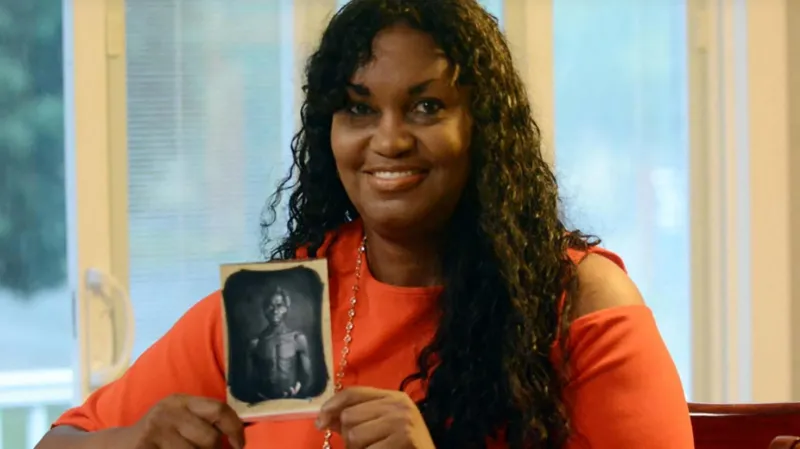
In a landmark resolution, Harvard University has agreed to transfer a collection of 19th-century photographs—believed to be among the earliest images of enslaved people in the U.S.—to the International African American Museum (IAAM) in South Carolina. The decision concludes a years-long legal dispute with Tamara Lanier, a Connecticut author who claims ancestry to two of the individuals depicted.
The Photos and Their Controversial History
The daguerreotypes, an early form of photography, were taken in 1850—15 years before slavery was abolished in the U.S. They were commissioned by Harvard professor Louis Agassiz, a zoologist who used them in now-debunked racist research attempting to prove white superiority. The images were rediscovered in 1976 at Harvard’s Peabody Museum of Archaeology and Ethnology.
Among the 15 photographs are depictions of individuals identified as Renty, Delia, Alfred, Drana, Fassena, Jack, and Jem—enslaved people from South Carolina plantations. Lanier, who asserts she is a direct descendant of Renty and Delia, has long fought for their rightful stewardship.
A Legal Battle Over Ownership and Legacy
Lanier sued Harvard in 2019, accusing the university of profiting from the images through licensing fees and failing to acknowledge their violent origins. Though courts dismissed her ownership claim in 2022, they recognized Harvard’s “complicity” in the exploitative history of the photos and allowed her to seek damages for emotional distress.
Harvard maintained that while it could not confirm Lanier’s lineage, it always intended for the photos to be housed in an institution that could provide proper historical context.
A Homecoming in South Carolina
The IAAM, located in Charleston, where many of the photographed individuals were enslaved, will now preserve and display the images. Lanier expressed joy at the decision, stating:
“This is where they belong.”
Tonya Matthews, president of the IAAM, emphasized the museum’s commitment to presenting the photos “with truth and empathy.”
“But we must confront this history to understand its echoes in today’s world.”
A Step Toward Reparative Justice
This case reflects broader debates about universities reckoning with ties to slavery. In 2016, Harvard Law School changed its shield due to its connection to an 18th-century slaveholder. The transfer of the daguerreotypes marks another step in addressing historical injustices.
For Lanier, the settlement is a personal and symbolic victory:
“I couldn’t care for these images alone—but now they’ll be honored where they should be.”
Why This Matters for Black History
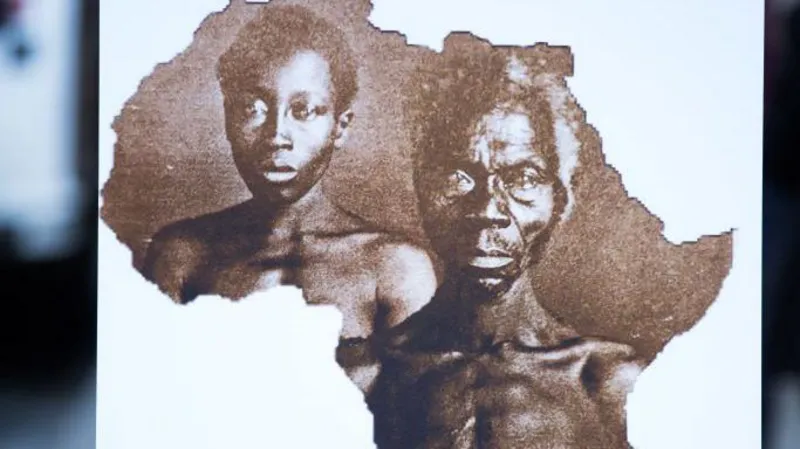
The photos serve as a rare and harrowing record of enslaved individuals, offering critical insight into America’s past.