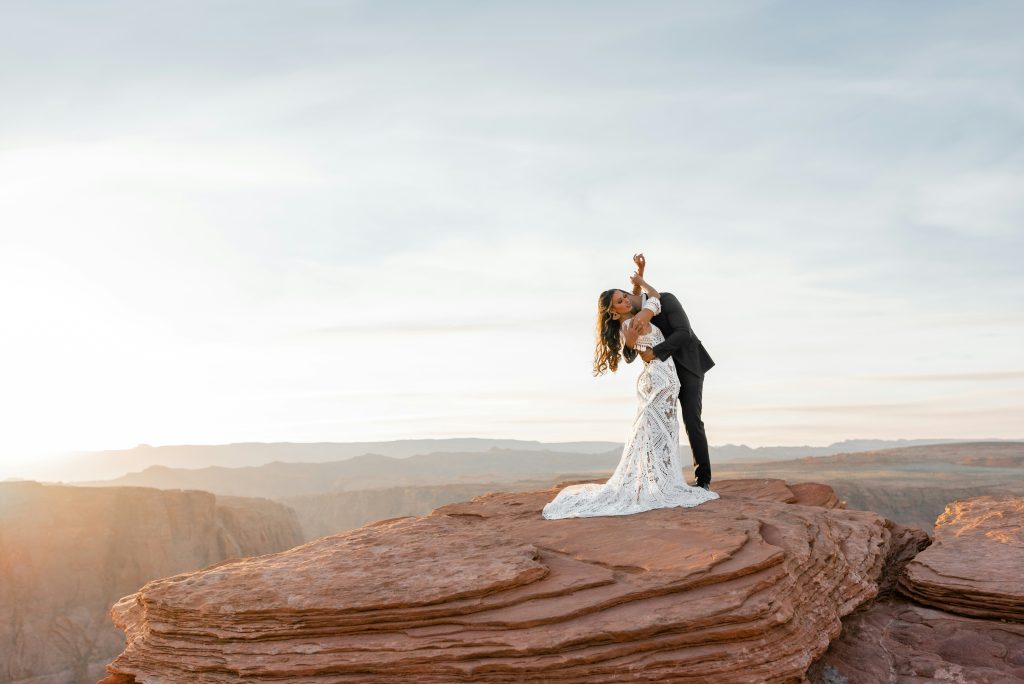
Remember the old shoebox tucked away in a closet? It was filled with physical treasures—faded Polaroids, glossy prints from disposable cameras, and slightly out-of-focus shots of birthday celebrations or family vacations. Each photo felt special, a tangible window into a cherished memory you could hold and flip through deliberately.
Today, our “shoebox” is digital and endless. We snap thousands of photos annually—far more than previous generations took in a lifetime. Smartphones make capturing moments effortless, but this abundance has shifted something fundamental. Photography, once about preserving real experiences, now often serves to build and project our personal brand. Our images reveal deeper truths about modern anxieties: the need for validation, fear of missing out, and difficulty staying fully present in a hyper-connected world.
The Selfie Era: Putting Ourselves in the Frame
The selfie defines our digital age. Flipping the camera inward, we declare, “Here I am experiencing this amazing thing.”
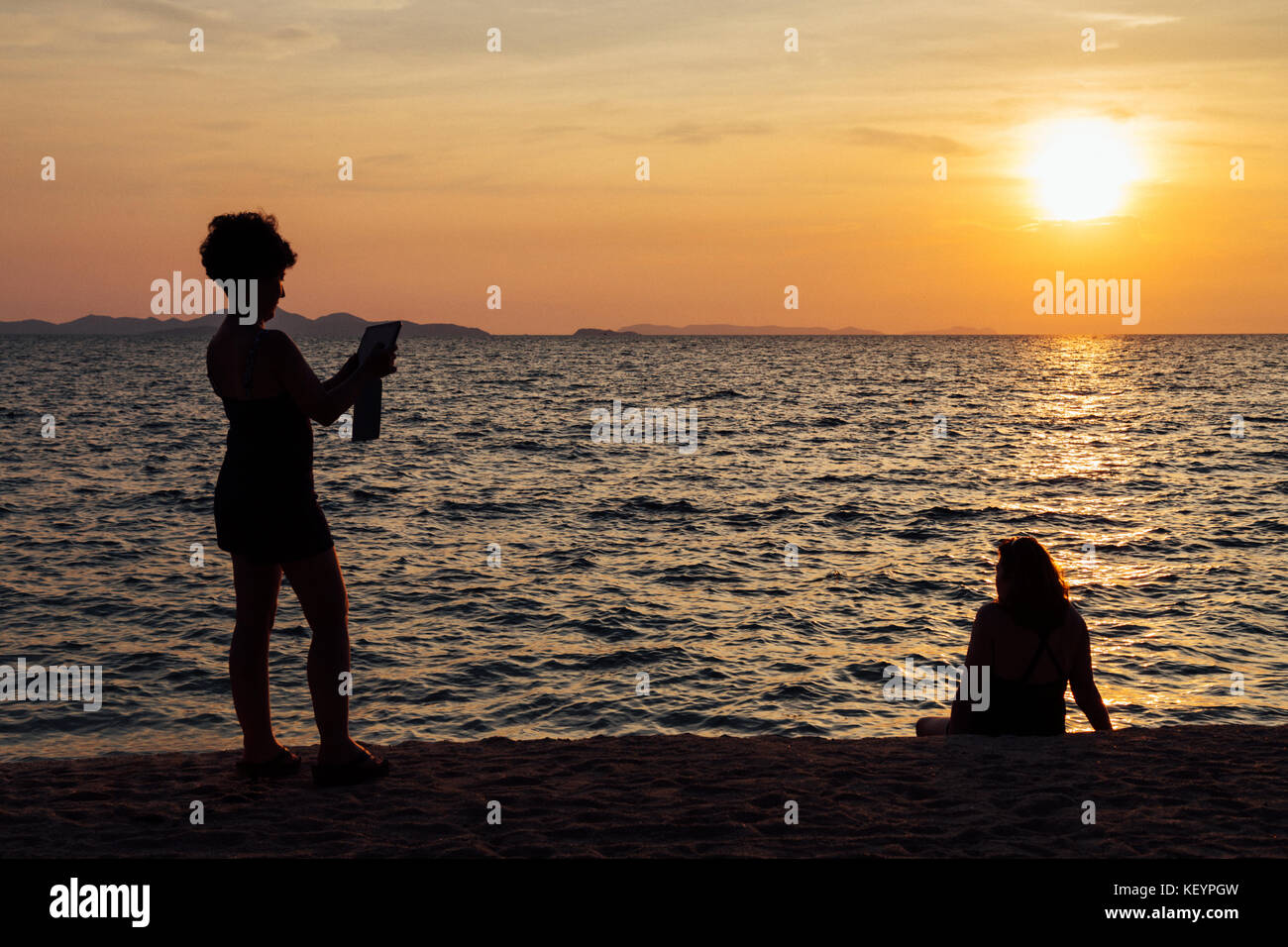

This isn’t mere narcissism; it’s a quest for evidence in an era of ephemeral moments. A selfie proves “I was here—I lived this.” Yet, when perfecting the shot overshadows the moment, the sunset or landmark becomes secondary. We’ve all experienced that urge to pose at a breathtaking spot, prioritizing the photo over immersion. Likes and comments provide instant gratification, turning experiences into performances where approval matters more than genuine enjoyment.
Curated Perfection: The Pressure of Lifestyle Envy
Social media feeds brim with idealized snapshots: artisanal coffees, luxurious getaways, and flawless relationships.


This “highlight reel” culture has spawned an industry of illusions—services renting private jets (grounded, of course), designer accessories, or exotic backdrops solely for photoshoots. Even everyday users feel compelled to curate: sharing triumphs while hiding struggles. The outcome? Widespread burnout from upholding facades and constant comparison to others’ edited realities. True authenticity often takes a backseat when performative happiness garners more engagement.
The Documentation Dilemma: Capturing vs. Experiencing
At concerts, weddings, or events, audiences form a sea of raised phones, viewing life through screens.

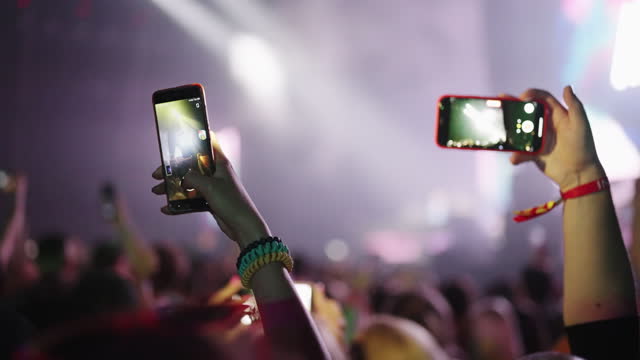
In fearing we’ll forget, we risk missing the raw emotion. Meals cool while we hunt for angles; wonders unfold behind lenses. Psychological research, including Linda Henkel’s pioneering 2014 study on the “photo-taking impairment effect,” shows that photographing events can weaken personal recall. The brain offloads memory to the device, diminishing vivid, sensory details.
Branding Life: When Everything Becomes Content
Influencer culture has commodified existence. Vacations, milestones, and even vulnerabilities turn into sponsored “content.” For younger generations growing up online, privacy erodes as childhood moments feed algorithms without consent. This blurs lines between authentic living and production, raising questions about what remains truly private.
Gear Obsession: Chasing Equipment Over Vision
In photography circles, “Gear Acquisition Syndrome” (GAS) thrives—the idea that the latest camera or lens unlocks creativity.

$900 vs $9000 Camera — Do You Need Expensive Gear?
Forums buzz with tech specs, sidelining discussions of composition, light, or emotion. Buying gear feels easier than honing a personal style, but it often creates barriers based on budget rather than skill.
Rediscovering Intentional Photography: A Way Forward
The camera isn’t the problem—it’s a powerful mirror reflecting our distractions and desires. The key is mindfulness: pause before snapping and ask, “Am I capturing this to remember deeply, or to impress others?”
By photographing with purpose—focusing on overlooked beauty, genuine emotions, and real connections—we reclaim the medium. Let’s create images that evoke feeling and preserve meaningful memories, not just data for feeds. In doing so, we might rediscover the joy of truly seeing the world around us.
FAQ: Common Questions About Photography and Presence in the Digital Age
Does taking photos really hurt my memory of events? Yes, according to studies like Linda Henkel’s “photo-taking impairment effect.” Photographing can reduce recall of details because we rely on the device to “remember” for us. However, intentional zooming or mindful shooting may mitigate this.
Are selfies bad for experiencing moments? Not inherently, but when the pose eclipses the experience, yes. Balance by enjoying first, then capturing if it adds value.
How can I avoid falling into curated perfection on social media? Share unfiltered realities alongside highlights. Remember, most feeds are edited—focus on your offline life for fulfillment.
What is Gear Acquisition Syndrome (GAS), and how do I overcome it? GAS is the urge to constantly buy new equipment thinking it’ll improve your photos. Combat it by setting gear limits, investing in experiences (travel, workshops), and prioritizing practice over purchases.
How can I take better, more meaningful photos? Shoot with intention: seek unique perspectives, natural light, and emotional stories. Put the phone down sometimes to fully immerse, then capture what moves you personally.