




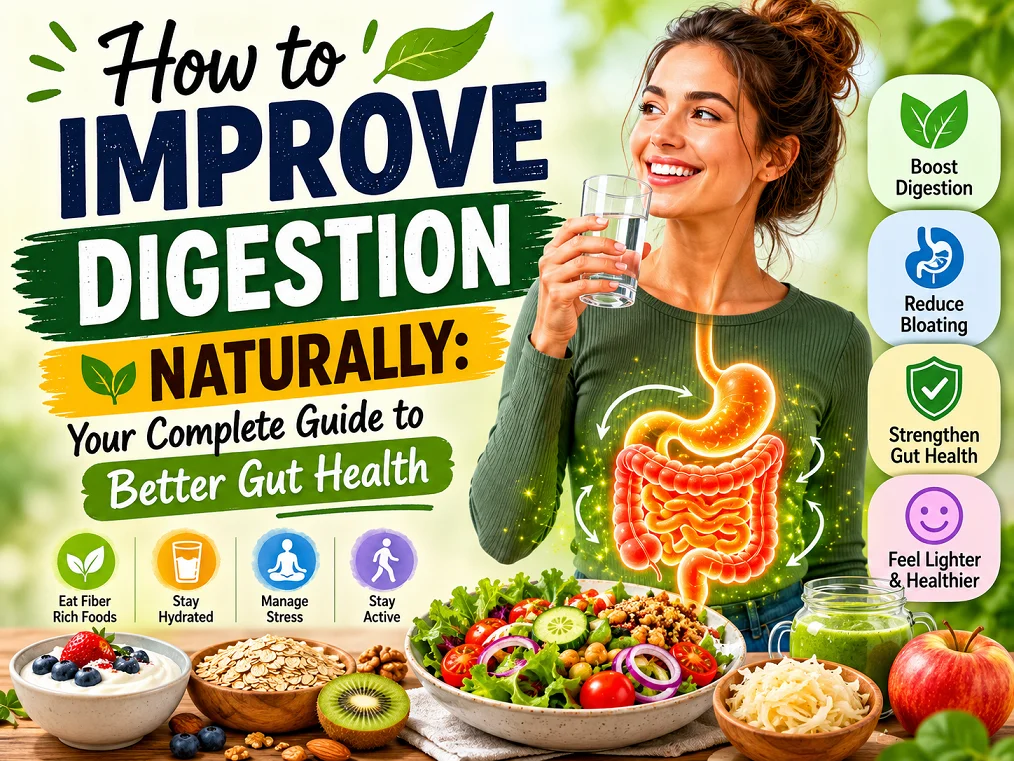
How to Improve Digestion Naturally: Your Complete Guide to Better Gut Health
If you’ve ever experienced bloating, discomfort, or irregular bowel movements, you’re not alone. Millions of people struggle with digestive issues daily, but the good news is that you can improve your digestion naturally without relying solely on medications. In this comprehensive guide, we’ll explore proven strategies to optimize your digestive health and feel your best.
Why Digestive Health Matters More Than You Think

Your digestive system does far more than just break down food. It’s home to trillions of bacteria that influence everything from your immune system to your mental health. When your digestion isn’t working properly, it can affect your energy levels, mood, skin health, and overall well-being.
Poor digestion can lead to uncomfortable symptoms like gas, bloating, constipation, diarrhea, and acid reflux. But beyond the discomfort, chronic digestive issues may signal deeper imbalances that need attention.
Eat More Fiber-Rich Foods
One of the most effective ways to improve digestion naturally is to increase your fiber intake. Fiber acts like a broom for your digestive tract, helping move food through your system smoothly and feeding beneficial gut bacteria.
The Two Types of Fiber You Need
Soluble fiber dissolves in water and forms a gel-like substance that slows digestion. You’ll find it in oats, beans, apples, and carrots. This type of fiber helps regulate blood sugar and can lower cholesterol.
Insoluble fiber doesn’t dissolve in water and adds bulk to your stool, preventing constipation. Good sources include whole grains, nuts, seeds, and vegetables like broccoli and cauliflower.
Aim for at least 25-35 grams of fiber daily, but increase your intake gradually to avoid bloating and gas. Make sure to drink plenty of water as you add more fiber to your diet.
Stay Hydrated Throughout the Day
Water is essential for healthy digestion. It helps break down food so your body can absorb nutrients more effectively and softens stool to prevent constipation.
Many people don’t realize that dehydration is a common cause of digestive problems. When you’re not drinking enough water, your colon pulls water from stool, making it harder and more difficult to pass.
Pro tip: Start your day with a glass of warm water with lemon. This simple habit can stimulate digestion and help your body eliminate waste more efficiently.
Include Probiotic and Prebiotic Foods
Your gut microbiome plays a crucial role in digestion, and you can support it by eating the right foods.
Probiotics: The Good Bacteria
Probiotics are live, beneficial bacteria found in fermented foods. They help balance your gut flora, improve nutrient absorption, and strengthen your immune system. Excellent sources include:
- Yogurt with live active cultures
- Kefir
- Sauerkraut
- Kimchi
- Kombucha
- Miso
- Tempeh
Prebiotics: Food for Good Bacteria
Prebiotics are types of fiber that feed your beneficial gut bacteria. Think of them as fertilizer for your microbiome. Rich sources include:
- Garlic and onions
- Leeks and asparagus
- Bananas (especially slightly green ones)
- Oats and barley
- Apples
- Chicory root
Chew Your Food Thoroughly
This might sound simple, but proper chewing is often overlooked. Digestion actually begins in your mouth, where enzymes in your saliva start breaking down food.
When you chew thoroughly, you:
- Make it easier for your stomach to process food
- Reduce the burden on your digestive system
- Extract more nutrients from your meals
- Eat more slowly, which helps prevent overeating.
Aim to chew each bite 20-30 times before swallowing. Put your fork down between bites and make mealtime a mindful experience rather than rushing through it.
Manage Stress for Better Digestion
Your gut and brain are intimately connected through what scientists call the gut-brain axis. When you’re stressed, your body diverts resources away from digestion, which can lead to problems like stomach pain, diarrhea, or constipation.
Stress-Reducing Techniques That Help Digestion
- Deep breathing exercises: Practice diaphragmatic breathing before meals to activate your parasympathetic nervous system, which promotes digestion.
- Regular meditation: Even 10 minutes daily can significantly reduce stress levels.
- Yoga: Certain poses specifically target digestive health by massaging internal organs.
- Adequate sleep: Poor sleep disrupts gut bacteria and digestive function.
Exercise Regularly
Physical activity isn’t just good for your heart and muscles—it’s essential for healthy digestion. Exercise helps food move through your digestive system, reduces constipation, and may even decrease your risk of colon cancer.
You don’t need intense workouts. A 30-minute walk after meals can significantly improve digestion. The movement helps stimulate the muscles in your GI tract, encouraging regular bowel movements.
Limit Processed Foods and Sugar
Highly processed foods and excessive sugar can wreak havoc on your digestive system. They feed harmful bacteria, promote inflammation, and provide little nutritional value.
Processed foods often lack fiber and contain additives that may irritate your gut lining. Instead, focus on whole foods that are as close to their natural state as possible.
Eat Mindfully and Avoid Overeating
How you eat is just as important as what you eat. Eating too quickly or too much puts extra strain on your digestive system.
Mindful eating practices:
- Eat without distractions (no TV, phone, or computer)
- Pay attention to hunger and fullness cues
- Eat until you’re 80% full, not stuffed.
- Create a calm environment during meals
Stay Regular with Meal Timing
Your digestive system thrives on routine. Eating at consistent times each day helps regulate your digestive processes and can improve bowel regularity.
Try to:
- Eat breakfast within an hour of waking
- Space meals 3-4 hours apart
- Finish eating at least 2-3 hours before bedtime
- Avoid late-night snacking, which can disrupt digestion and sleep
Consider Digestive Enzymes
If you struggle with digestion despite dietary changes, you might benefit from digestive enzymes. These are proteins that help break down the food you eat into nutrients your body can absorb.
Natural sources of digestive enzymes include the following:
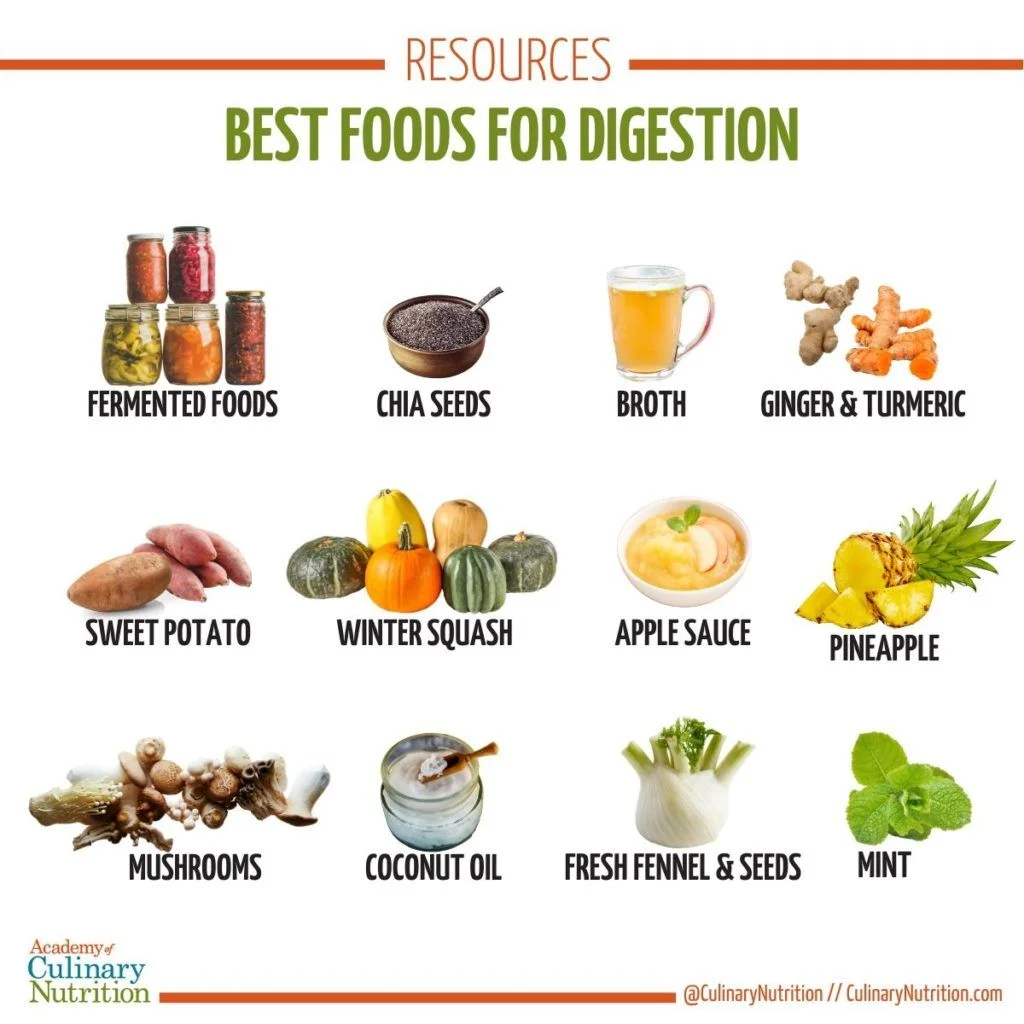
- Pineapple (contains bromelain)
- Papaya (contains papain)
- Mango
- Honey
- Ginger
Reduce Inflammatory Foods
Some foods can trigger inflammation and digestive distress, especially if you have sensitivities. Common culprits include:
- Excessive alcohol
- Caffeine (in large amounts)
- Spicy foods (for some people)
- Fried and fatty foods
- Artificial sweeteners
Pay attention to how your body responds to different foods. Keeping a food diary can help you identify triggers.
The Power of Ginger and Peppermint
Certain herbs have been used for centuries to improve digestion, and modern research supports their benefits.
Ginger can help with nausea, reduce inflammation, and speed up stomach emptying. Try ginger tea or add fresh ginger to meals.
Peppermint relaxes the muscles in your digestive tract and can relieve symptoms of IBS. Peppermint tea after meals is particularly soothing.
When to See a Doctor
While natural approaches can significantly improve digestion, some symptoms warrant medical attention:
- Persistent abdominal pain
- Unintentional weight loss
- Blood in stool
- Severe or chronic diarrhea or constipation
- Difficulty swallowing
- Persistent heartburn or acid reflux
Don’t ignore warning signs. Early intervention can prevent more serious conditions.
Conclusion
Improving your digestion naturally is a journey that requires patience and consistency. By incorporating more fiber-rich foods, staying hydrated, managing stress, exercising regularly, and being mindful of what and how you eat, you can transform your digestive health.
Remember that everyone’s digestive system is unique. What works for one person might not work for another, so pay attention to your body’s signals and adjust accordingly. Start with one or two changes and gradually build healthy habits that support your gut health for life.
The benefits extend far beyond just feeling comfortable after meals. Better digestion means better nutrient absorption, stronger immunity, improved mood, and enhanced overall wellness. Your gut is truly the foundation of good health—treat it well, and it will reward you.
Frequently Asked Questions (FAQ)
Q: How long does it take to improve digestion naturally?
A: Most people notice improvements within 2-4 weeks of making dietary and lifestyle changes. However, rebuilding your gut microbiome can take several months. Be patient and consistent with your new habits.
Q: Can I improve digestion without changing my diet?
A: While lifestyle factors like stress management, exercise, and proper chewing help, diet plays the most significant role in digestive health. You’ll see the best results by combining dietary changes with lifestyle modifications.
Q: Are probiotics better than prebiotics for digestion?
A: Both are important! Probiotics introduce beneficial bacteria, while prebiotics feed the good bacteria already in your gut. For optimal results, include both in your diet through food sources or supplements.
Q: Why do I feel bloated even when eating healthy foods?
A: Bloating can occur when you suddenly increase fiber intake, eat too quickly, or have food sensitivities. Try increasing fiber gradually, chewing thoroughly, and identifying potential trigger foods. If bloating persists, consult a healthcare provider.
Q: Is it normal for digestion to slow down with age?
A: Yes, digestive processes naturally slow with age due to decreased muscle tone in the digestive tract and changes in enzyme production. However, the strategies in this article can help counteract these effects at any age.
Q: Can stress really cause digestive problems?
A: Absolutely. The gut-brain connection is powerful. Stress can alter gut bacteria, increase inflammation, and change how your digestive system functions. Managing stress is crucial for optimal digestive health.
Q: Should I take digestive enzyme supplements?
A: If you’re eating a varied, whole-food diet and still experiencing digestive issues, enzymes might help. However, it’s best to consult with a healthcare provider to ensure they’re appropriate for your specific situation.
Q: How much water should I drink for good digestion?
A: A general guideline is 8-10 glasses (64-80 ounces) daily, but individual needs vary based on activity level, climate, and diet. A good indicator is pale yellow urine—if it’s darker, you likely need more water.
Q: Can intermittent fasting improve digestion?
A: Some people find that intermittent fasting gives their digestive system a rest and improves symptoms. However, it’s not for everyone. If you have certain health conditions or digestive issues, consult a healthcare provider first.
Q: What’s the single most important thing I can do for better digestion?
A: While there’s no one-size-fits-all answer, increasing fiber intake and drinking adequate water are foundational. These two changes alone can dramatically improve digestion for most people.

Health & Wellness Writer | Research-Informed Health Content Creator
A.K.M. Monjurul Hoque is a health and wellness writer specializing in health, beauty, fitness, nutrition and healthy living. His content is informed by health journals, books, seminars, training programs, and discussions with experienced healthcare professionals. He writes clear, practical and research-informed articles for general education and encourages readers to seek personalized advice from qualified medical professionals.