





Broccoli and Fenugreek: Natural Allies Against Diabetic Complications
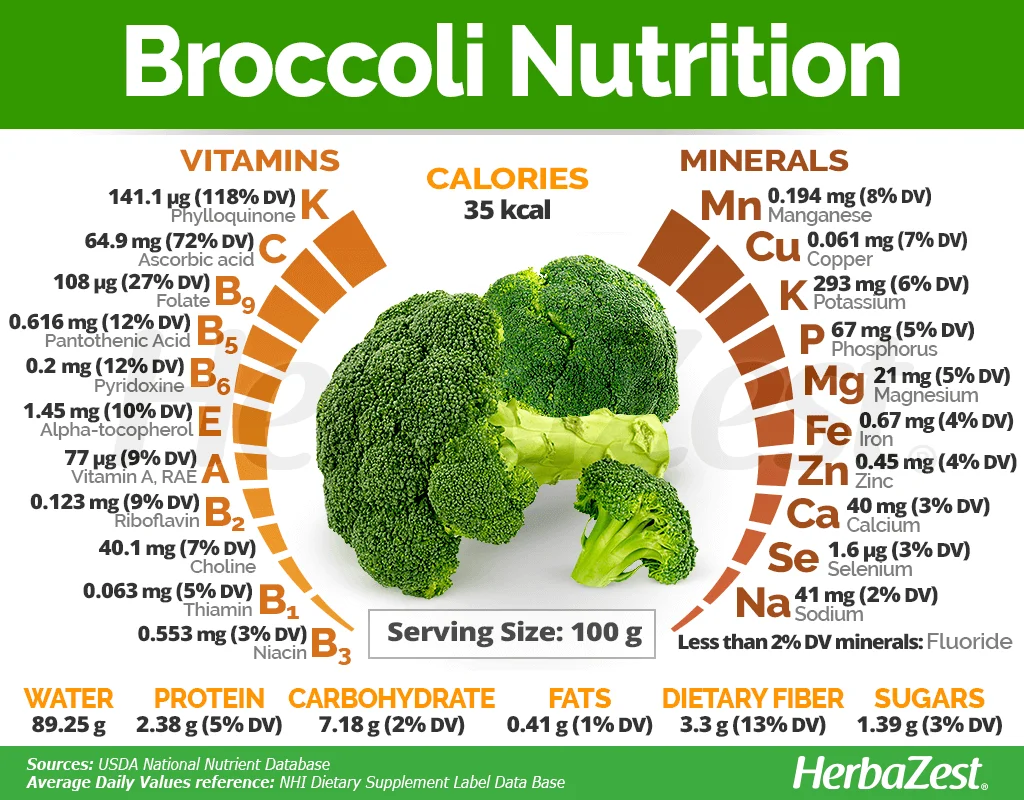
The Power of Broccoli for Diabetic Neuropathy

When it comes to managing diabetes, the right vegetables can make all the difference—not just for blood sugar control, but for addressing the painful complications that often accompany the condition. Broccoli stands out as an exceptional choice, particularly for those suffering from diabetic neuropathy.
This valuable vegetable is packed with vitamin C, a powerful antioxidant that plays multiple protective roles in the body. But what makes broccoli truly remarkable is its comprehensive nutritional profile that directly addresses one of diabetes’s most debilitating complications: diabetic neuropathy. ### Relief for Nerve Pain
For people who have been living with diabetes for an extended period, diabetic neuropathy can bring daily suffering. The symptoms are unmistakable and distressing:
- Sharp, shooting pains in the legs and feet
- Burning sensations in the soles of the feet
- A feeling like pins and needles constantly pricking the skin
- Burning or heat sensations in the palms of the hands
- Numbness and reduced sensation
If you’re experiencing any of these symptoms, broccoli should become a regular part of your diet. The combination of B vitamins (B6 and B12), vitamin E, and abundant vitamin C works synergistically to support nerve health and potentially reduce neuropathic pain.
A Blood Sugar-Friendly Choice
Beyond its neuroprotective benefits, broccoli is exceptionally safe for diabetics from a blood sugar perspective. With a glycemic index of less than 15, you can eat it regularly without worrying about blood sugar spikes. This low glycemic index means the glucose from broccoli enters your bloodstream slowly and steadily, avoiding the rapid rises that can damage blood vessels and nerves over time.
Fenugreek: The Traditional Blood Sugar Regulator

Fenugreek Leaves (Methi Shaak)
Many people are familiar with fenugreek seeds, but the leaves deserve equal attention. Fenugreek leaves are nutritional powerhouses, rich in amino acids and soluble fiber—two components that work in tandem to control blood sugar levels.
The soluble fiber in fenugreek leaves slows down carbohydrate absorption in the digestive system. This means that even when you eat other foods containing carbohydrates, the fiber from fenugreek helps prevent rapid glucose absorption, keeping your blood sugar levels more stable.
The amino acids present in fenugreek leaves serve another crucial function: they help address abnormalities in the pancreas, the organ responsible for insulin production. By supporting pancreatic health, fenugreek leaves help your body maintain better natural blood sugar control.
With a glycemic index of less than 12, fenugreek leaves can be consumed two to three times per week without any concerns about raising blood sugar levels. Whether you eat them as a cooked vegetable or incorporate them into salads, they’re a safe and effective addition to a diabetic diet.
The Fenugreek Seed Protocol
While fenugreek leaves are excellent, the seeds offer a simple and powerful daily ritual for blood sugar management. Here’s the traditional method that has helped countless people:
Overnight Soaking Method:
- Take one to one and a half tablespoons of fenugreek seeds
- Add them to a glass of water before going to bed
- Let them soak overnight
- In the morning, first drink the water
- Then chew and eat the soaked seeds thoroughly
If you follow this protocol consistently for one to two weeks, you may see significant improvements in your blood sugar levels—potentially even without increasing your medication. The compounds in fenugreek seeds work to enhance insulin sensitivity and improve glucose uptake by cells.
Understanding Glycemic Index: Why It Matters
The glycemic index (GI) is a crucial concept for anyone managing diabetes. It measures how quickly foods convert to glucose and enter your bloodstream after eating. Foods with a low glycemic index (under 55) release glucose slowly and steadily, while high GI foods (over 70) cause rapid blood sugar spikes.
Both broccoli (GI < 15) and fenugreek leaves (GI < 12) fall into the “very low” category, making them ideal choices for maintaining stable blood sugar levels throughout the day.
Conclusion
Managing diabetes effectively requires more than just medication—it demands a holistic approach that includes smart dietary choices. Broccoli and fenugreek represent two powerful, natural allies in this ongoing battle against high blood sugar and its complications.
Broccoli offers comprehensive support, particularly for those struggling with diabetic neuropathy. Its rich vitamin profile, especially the powerful combination of vitamin C, B vitamins, and vitamin E, provides targeted relief for nerve pain while maintaining excellent blood sugar control with its remarkably low glycemic index.
Fenugreek, in both leaf and seed form, brings centuries of traditional wisdom backed by modern understanding of its mechanisms. The soluble fiber slows carbohydrate absorption, while amino acids support pancreatic function. The simple overnight soaking protocol for fenugreek seeds offers an easy, medication-free approach that can complement your existing diabetes management plan.
The key to success lies in consistency. These aren’t miracle cures that work overnight, but rather sustainable dietary additions that, when consumed regularly as part of a balanced approach, can help you:
- Reduce blood sugar fluctuations
- Alleviate symptoms of diabetic neuropathy
- Potentially reduce medication requirements over time
- Improve overall metabolic health
- Enhance quality of life
Remember, diabetes management is a journey, not a destination. By incorporating these vegetables into your daily routine, staying active with 30-40 minutes of exercise, and working closely with your healthcare provider, you can take control of your condition rather than letting it control you.
The path to better diabetes management is literally growing in gardens and available at your local market. Make broccoli and fenugreek regular guests at your table, and give your body the natural support it needs to thrive.
Frequently Asked Questions (FAQ)
Q1: How much broccoli should I eat daily for diabetes management?
A: You can safely consume 100-150 grams of broccoli daily. This amount provides approximately 85% of your daily vitamin C requirement while keeping blood sugar stable due to its very low glycemic index (less than 15). You can eat it raw, steamed, stir-fried, or in salads.
Q2: Can fenugreek seeds replace my diabetes medication?
A: No, fenugreek seeds should not replace prescribed medication without consulting your doctor. However, when used consistently alongside proper medication, diet, and exercise, fenugreek may help improve blood sugar control to the point where your doctor might adjust your medication dosage. Always consult your healthcare provider before making any changes to your medication regimen.
Q3: What’s the best way to consume fenugreek for maximum benefit?
A: For fenugreek seeds, the overnight soaking method is most effective: soak 1-1.5 tablespoons in a glass of water overnight, drink the water in the morning, then chew and swallow the seeds. For fenugreek leaves, consume them 2-3 times per week as a cooked vegetable or in salads. Both forms are beneficial, and you can use them together.
Q4: Will broccoli help with diabetic nerve pain immediately?
A: Broccoli’s benefits for diabetic neuropathy develop over time with consistent consumption. While it won’t provide instant pain relief like medication, regular intake over weeks to months can help reduce nerve pain symptoms due to its rich B-vitamin complex and antioxidants. It works by supporting nerve health and reducing oxidative stress.
Q5: Are there any side effects of consuming fenugreek daily?
A: Fenugreek is generally safe, but some people may experience the following:
- Mild digestive discomfort or gas (especially when starting)
- A maple syrup-like body odor (harmless)
- Potential interactions with blood-thinning medications
Start with smaller amounts and gradually increase. If you’re pregnant, nursing, or taking medications, consult your doctor before adding fenugreek to your routine.
Q6: Can I eat broccoli if my blood sugar is already well-controlled?
A: Absolutely! Broccoli is beneficial for everyone, not just those with high blood sugar. Its low glycemic index, high fiber content, and rich nutrient profile make it an excellent choice for maintaining good blood sugar control and preventing complications.
Q7: How long does it take to see results from the fenugreek seed protocol?
A: Many people notice improvements in blood sugar levels within 5-7 days of consistent use. However, for optimal results, commit to the protocol for at least 2-4 weeks while monitoring your blood sugar regularly. Results vary based on individual factors, diet, exercise, and medication compliance.
Q8: Can I cook broccoli, or does it lose its benefits?
A: Broccoli retains most of its beneficial compounds when lightly cooked. Steaming for 3-5 minutes or stir-frying briefly actually makes some nutrients more bioavailable. Avoid overcooking or boiling for extended periods, which can destroy vitamin C and other heat-sensitive nutrients. Raw broccoli is also excellent if you enjoy the texture.
Q9: What’s the difference between fenugreek leaves and seeds?
A: Both are beneficial but work slightly differently:
- Seeds: Higher concentration of compounds that directly affect blood sugar; best used in the overnight soaking protocol
- Leaves: Rich in fiber and amino acids; work more on slowing carbohydrate absorption and supporting pancreatic health
Ideally, incorporate both into your diet for comprehensive benefits.
Q10: Will these vegetables interfere with my diabetes medication?
A: Broccoli and fenugreek generally work synergistically with diabetes medications, but fenugreek can enhance the blood sugar-lowering effects of medications. This is positive but requires monitoring:
- Check your blood sugar more frequently when starting fenugreek
- Watch for signs of hypoglycemia (excessive sweating, shakiness, confusion)
- Inform your doctor so they can adjust medication if needed
Never stop or reduce medication on your own—work with your healthcare provider.
Q11: Can type 1 diabetics also benefit from these vegetables?
A: Yes! While type 1 diabetes requires insulin therapy, both broccoli and fenugreek can help:
- Stabilize blood sugar fluctuations
- Reduce insulin requirements
- Prevent diabetic neuropathy
- Provide essential nutrients
Type 1 diabetics should work closely with their endocrinologist when adding these to their diet, as insulin doses may need adjustment.
Q12: Where can I buy fenugreek leaves if they’re not in regular grocery stores?
A: Fenugreek leaves (fresh methi) are often available at the following:
- Indian or South Asian grocery stores
- Middle Eastern markets
- Farmers’ markets during growing season
- Online retailers (fresh or dried)
If fresh leaves aren’t available, dried fenugreek leaves (kasuri methi) can be rehydrated and used, though fresh is preferable for maximum benefit.

Health & Wellness Writer | Research-Informed Health Content Creator
A.K.M. Monjurul Hoque is a health and wellness writer specializing in health, beauty, fitness, nutrition and healthy living. His content is informed by health journals, books, seminars, training programs, and discussions with experienced healthcare professionals. He writes clear, practical and research-informed articles for general education and encourages readers to seek personalized advice from qualified medical professionals.