





Best Foods For Gut Health: Your Complete Guide to a Happy Digestive System

Introduction
There are billions of bacteria in your gut right now and most of them are working for you. Whether you think about them or not, they are doing their job. The bottom line is that what you eat either helps these bacteria, or it doesn’t. The difference is how you feel.
This guide is about the foods that really help the bacteria in your gut.
Why gut health matters
Most people think of the gut and picture digestion—food going in, waste coming out. But it’s stranger and more interesting than that.
About 70% of your immunized system is housed in your gut. Your gut also produces a significant share of the chemicals that regulate your mood. A gut that’s struggling to absorb nutrients properly drags your energy down. The skin, weight, sleep — it all connects back, one way or another. It sounds like a lot, but the basic idea is simple: the gut is far more central than most people realize.
The top 10 foods
1. Yogurt
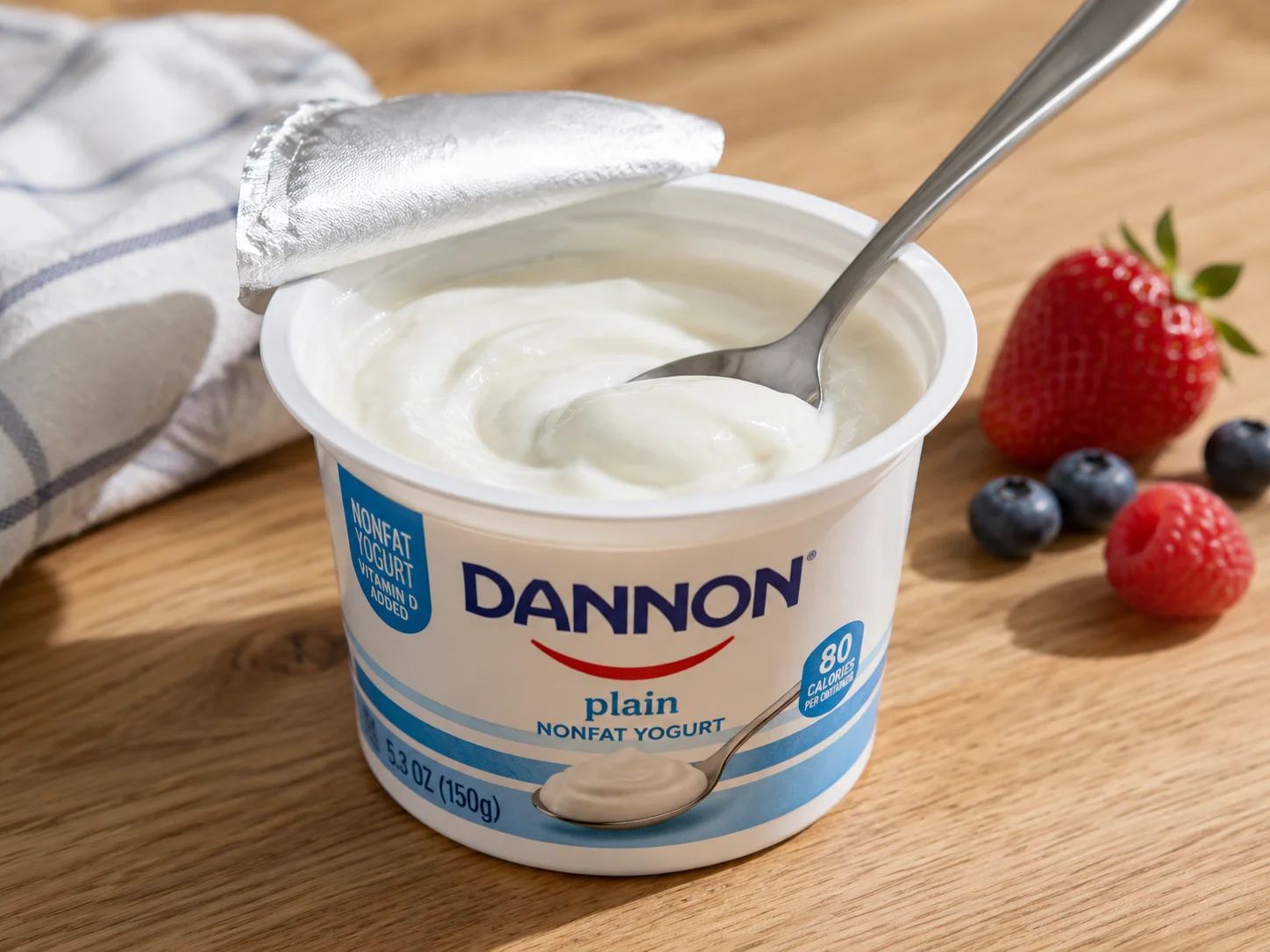
The most well-known food for gut health is yogurt, and there’s a reason for that. Yogurt contains live bacteria—specifically strains like Lactobacillus and Bifidobacterium—that help keep your digestive system in balance. Not all yogurts have this quality. Avoid sweetened yogurts with added sugar. Look for yogurt, especially Greek or Icelandic skyr, that says “live and active cultures” on the label. It tastes really good mixed with a little honey and some berries.
2. Kefir
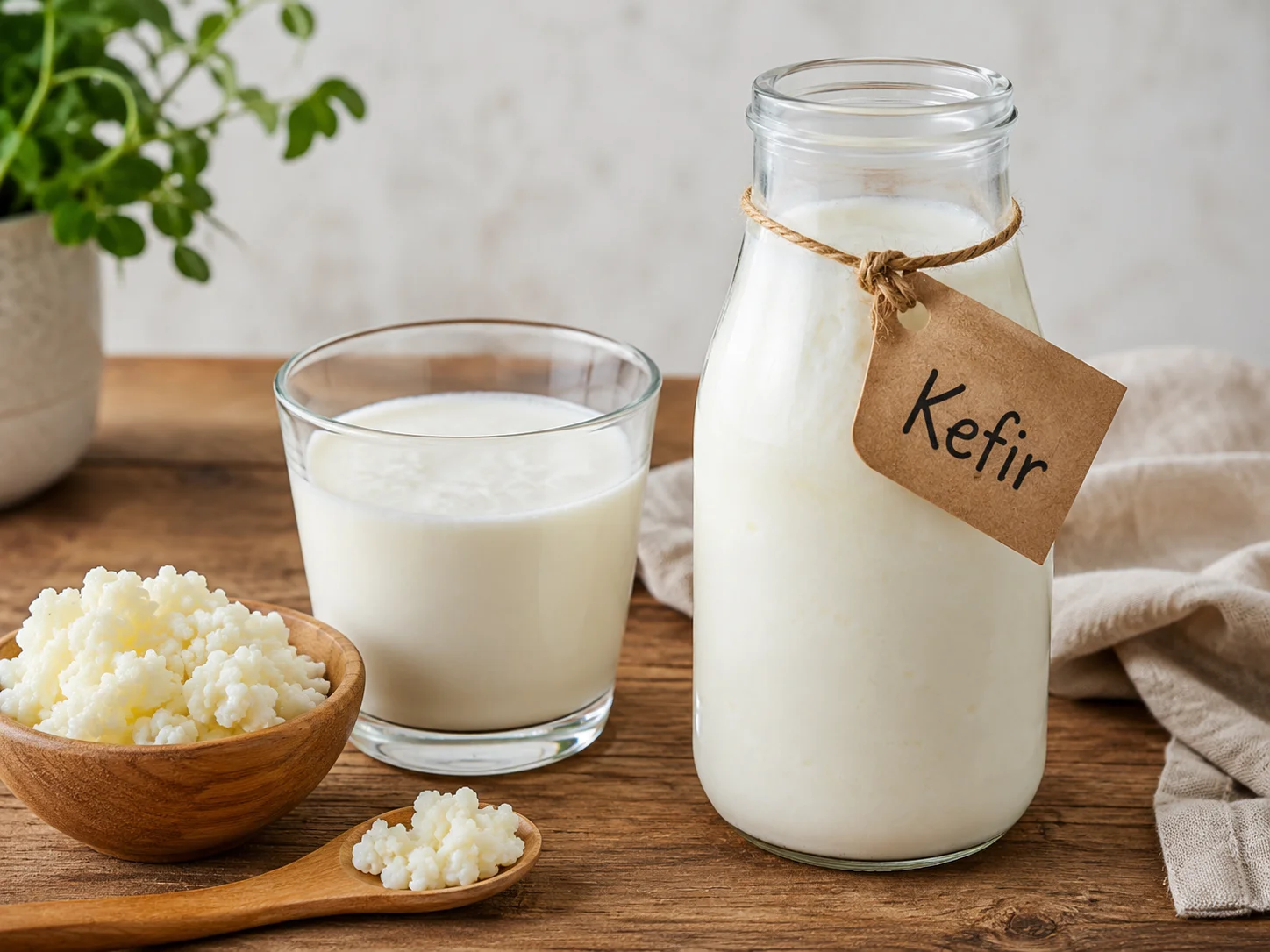
Think of kefir as yogurt’s more intense relative. It’s a fermented milk drink, and where yogurt might contain a handful of bacterial strains, kefir can have up to sixty. It’s also easier to digest than regular milk, which surprises people—the fermentation process breaks down much of the lactose. If the flavor is too sharp at first, blend it into a smoothie. Start with half a cup per day.
3. Sauerkraut

Just fermented cabbage — but that fermentation process is doing serious work, creating beneficial bacteria and making nutrients more bioavailable. The key thing here: buy it from the refrigerated section, unpasteurized. Pasteurized sauerkraut is shelf-stable and effectively dead from a probiotic standpoint. A spoonful on the side of a meal is all it takes.
4. Kimchi

Korea’s version of this is spicy, complex, fermented vegetables. It carries probiotics and vitamins A, B, and C, and there’s some evidence the spices may nudge metabolism a little too. People use it as a side dish, in rice bowls, and stirred into eggs. It’s become popular globally for good reason.
5. Kombucha

Fermented tea. It’s fizzy, a bit tangy, and the fermentation produces probiotics and organic acids that support the gut. Where this one gets complicated: some commercial brands load up on sugar, which undercuts the benefit. Check the label. You want less than five grams of sugar per serving. Start with four to eight ounces a day.
6. Bananas

Here the mechanism is different. Bananas — especially slightly underripe ones — aren’t probiotics themselves. They’re prebiotics, meaning they feed the good bacteria you already have. The resistant starch and pectin act as fuel. One banana a day, a little green if you can stand it, is plenty.
7. Oats

Oats contain beta-glucan, a fiber that good gut bacteria genuinely thrive on. Steel-cut or rolled oats are better than instant. Add berries, nuts, and honey. Overnight oats are an easy option if mornings are rushed.
8. Garlic

Garlic contains inulin, a fiber that specifically promotes the growth of Bifidobacteria. It’s a prebiotic, not a probiotic — it feeds the good bacteria rather than being one. One or two cloves a day, cooked into food, makes a difference. If you chop it and let it sit for ten minutes before cooking, certain beneficial compounds become more active.
9. Apples

Apples contain pectin, another prebiotic fiber. It feeds good bacteria and helps produce short-chain fatty acids, which are compounds the gut lining depends on. Eat the whole apple—skin included; that’s where a lot of the fiber lives. Different varieties offer slightly different compounds, so varying it doesn’t hurt.
10. Whole grains
Brown rice, quinoa, and whole wheat. The fiber feeds beneficial bacteria and keeps things moving. The simplest starting point: swap one refined grain for a whole grain today. Just one. That’s genuinely enough to begin.
What to avoid
Worth mentioning briefly: ultra-processed foods, artificial sweeteners, excess sugar, excessive alcohol — all of these tend to shift the gut microbiome in the wrong direction. That doesn’t mean avoiding them completely or obsessing over it. It just means they’re working against you when you have too much.
A simple daily approach
Morning: water first, then yogurt or kefir with some fruit. Lunch: a spoonful of kimchi or sauerkraut alongside whatever you’re eating. Snack: an apple or banana. Dinner: garlic in the cooking and whole grain instead of white rice. Evening: kombucha or herbal tea if you want something.
That’s it. It doesn’t need to be complicated.
How long until something changes?
Week 1 or 2: Digestion improves and flatulence decreases. Week 3 to 4: Bowel movements become more regular, sometimes with a noticeable increase in energy. Week 6 to 8: Immunity improves, skin becomes clearer. Month 3: This is the time when real changes in the gut microbiome have had enough time to take hold.
Be patient with this. These changes happen gradually.
A few habits that help everything else
Drink plenty of water — because fiber doesn’t do much without it. Chew your food slowly; digestion starts in the mouth. Manage stress where possible, because the gut-brain connection is real and stress really does disrupt gut bacteria. Exercise. Sleep. Only take antibiotics if absolutely necessary.
Conclusion
None of these ten foods require major changes. Choose two or three foods from this list and eat them this week. See how you feel. Over time, when it feels natural, add more foods.
Your gut bacteria are doing their job day and night. Give them a few days to do their job and the results will be improvements in energy, immunity, digestion, and mood.
FAQ
What’s the single best food for gut health? There isn’t one. But if you’re starting from zero, yogurt or kefir gives you live bacteria directly, while bananas and garlic feed the bacteria you already have. The combination of both types matters more than picking one thing.
How quickly can I see results? Some people notice better digestion in a week or two. Meaningful, lasting changes usually take six to eight weeks of consistency. Full microbiome rebalancing takes months. Don’t expect overnight transformations.
Can I just take probiotic supplements instead? They can help, but food has things supplements don’t—fiber, vitamins, minerals, and compounds that work together. Supplements are also higher-dose and can sometimes feel harsh. Food tends to be gentler and more sustainable. The honest answer is both are better than either alone.
What should I eat first thing in the morning? A glass of warm water, then yogurt or kefir with something prebiotic on top — banana, oats, a drizzle of honey. That combination feeds good bacteria and starts digestion gently.
Are fermented foods safe for everyone? Mostly yes, but start slow — a tablespoon or two, not a full serving. People with compromised immune systems or histamine sensitivity should check with a doctor before loading up on fermented foods.
How much fermented food daily? One to two tablespoons of fermented vegetables, or half a cup of yogurt or kefir, is a reasonable starting point. As your gut adjusts, two or three servings of different fermented foods a day works well for most people. Everyone’s different — pay attention to how your body responds.
Will this help with weight loss? Gut health can support weight management through its effects on metabolism, inflammation, and appetite hormones. But it’s one piece, not the whole picture. It won’t replace exercise and overall diet quality.
What are signs it’s working? Less bloating and gas. More regular digestion. Better energy. Clearer skin, sometimes. Improved mood. Fewer food cravings. Getting sick less often. Better sleep. These don’t all show up at once, and they’re subtle, but they accumulate.

Health & Wellness Writer | Research-Informed Health Content Creator
A.K.M. Monjurul Hoque is a health and wellness writer specializing in health, beauty, fitness, nutrition and healthy living. His content is informed by health journals, books, seminars, training programs, and discussions with experienced healthcare professionals. He writes clear, practical and research-informed articles for general education and encourages readers to seek personalized advice from qualified medical professionals.