



How to Reduce Stress Naturally: 15 Proven Techniques for a Calmer Life in 2026
In today’s fast-paced world, stress has become a constant companion for many. From demanding jobs and family responsibilities to constant digital notifications, chronic stress can harm your physical health, mental well-being, and overall quality of life. The good news? You can reduce stress naturally without relying on medications or expensive therapies. This comprehensive guide shares practical, science-backed strategies that you can start implementing today for lasting calm and balance.

Why Natural Stress Reduction Works Better Long-Term
Natural methods address the root causes of stress by balancing hormones like cortisol, improving sleep, and enhancing emotional resilience. Unlike quick fixes, these approaches build sustainable habits that improve your overall health.
1. Practice Mindful Breathing Exercises Daily
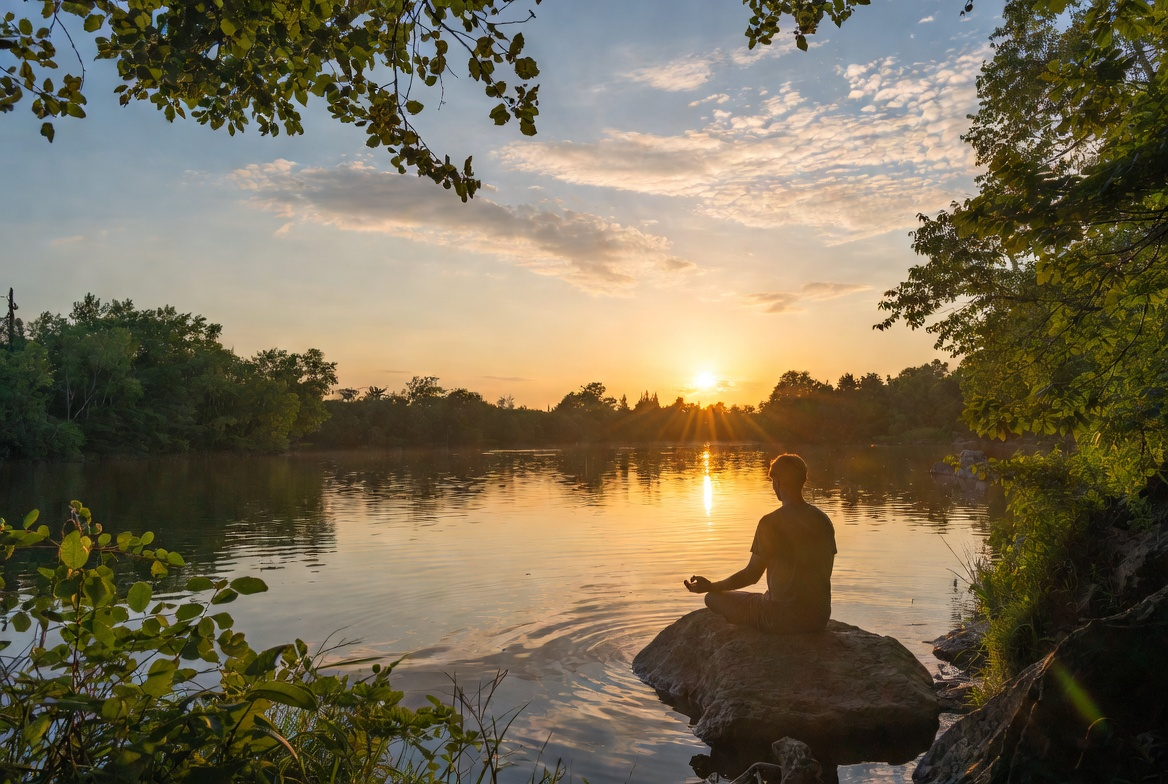
Deep breathing activates your body’s relaxation response. Try the 4-7-8 technique: Inhale for 4 seconds, hold for 7, exhale for 8. Do this for 5 minutes twice a day.
Pro Tip: Set phone reminders during high-stress periods like morning commutes or after meetings.

2. Spend Time in Nature (Forest Bathing)
Japanese “shinrin-yoku,” or forest bathing, lowers cortisol levels significantly. Even 20-30 minutes in a park or garden can reduce stress hormones.
Actionable Step: Schedule weekly nature walks without your phone. Notice the sounds, smells, and textures around you.
3. Regular Physical Movement
Exercise releases endorphins, your body’s natural mood boosters. Aim for 30 minutes of moderate activity like brisk walking, yoga, or swimming most days.

4. Prioritize Quality Sleep
Poor sleep amplifies stress. Create a wind-down routine: dim lights, avoid screens 1 hour before bed, and maintain consistent sleep times. Herbal teas like chamomile can help.
5. Nourish Your Body with Stress-Relieving Foods
Certain foods naturally combat stress:
- Omega-3 rich foods (salmon, walnuts, flaxseeds)
- Magnesium-packed options (leafy greens, dark chocolate, almonds)
- Vitamin C sources (citrus fruits, bell peppers)
Limit caffeine and sugar, which can spike anxiety.
6. Cultivate Gratitude and Journaling
Writing down three things you’re grateful for each day rewires your brain for positivity. Keep a dedicated gratitude journal by your bedside.

7. Try Progressive Muscle Relaxation
Tense and release muscle groups from toes to head. This technique is excellent before bed and takes only 10 minutes.
8. Connect with Loved Ones
Social support buffers stress. Schedule regular catch-ups with friends or family, even if virtual.
9. Listen to Soothing Music or Nature Sounds
Music therapy reduces cortisol. Create playlists with classical, ambient, or nature sounds for different moods.
10. Practice Digital Detox Periods
Constant connectivity fuels stress. Designate tech-free hours daily, especially before bed.

11. Use Aromatherapy with Essential Oils
Lavender, chamomile, and bergamot oils promote relaxation. Use a diffuser or dilute it for topical application.
12. Engage in Creative Hobbies
Painting, gardening, knitting, or playing music channels energy positively and provides flow states that reduce rumination.
13. Stay Hydrated
Dehydration increases stress hormones. Aim for 8-10 glasses of water daily. Add lemon or cucumber for flavor and extra benefits.
14. Set Healthy Boundaries
Learn to say “no” to extra commitments. Protect your time and energy as your most valuable resources.
15. Practice Yoga or Tai Chi
These mind-body practices combine movement, breath, and mindfulness for powerful stress relief.

Conclusion
Reducing stress naturally is about creating consistent, small habits that compound over time into significant improvements in your well-being. Start with just 2-3 techniques from this list that resonate most with you, and gradually build from there. Your body and mind will thank you with better energy, clearer thinking, and greater joy in daily life. Remember, seeking professional help is wise if stress feels overwhelming.
Take the first step today — your calmer, more balanced self is waiting.
Frequently Asked Questions (FAQ)
Q1: How long does it take to reduce stress naturally? Most people notice improvements within 1-2 weeks of consistent practice, with deeper benefits building over 1-3 months.
Q2: Can natural methods replace therapy or medication? Natural techniques work wonderfully alongside professional care. Always consult healthcare providers for severe or persistent stress and anxiety.
Q3: What is the fastest way to reduce stress naturally? Deep breathing exercises and short nature walks provide the quickest relief, often within minutes.
Q4: Which foods help reduce stress the most? Foods rich in magnesium, omega-3 fatty acids, and antioxidants (like dark leafy greens, nuts, fatty fish, and berries) are most effective.
Q5: Is it normal to feel more stressed when starting new habits? Mild adjustment is common. Be patient and kind to yourself during the transition period.

Health & Wellness Writer | Research-Informed Health Content Creator
A.K.M. Monjurul Hoque is a health and wellness writer specializing in health, beauty, fitness, nutrition and healthy living. His content is informed by health journals, books, seminars, training programs, and discussions with experienced healthcare professionals. He writes clear, practical and research-informed articles for general education and encourages readers to seek personalized advice from qualified medical professionals.