
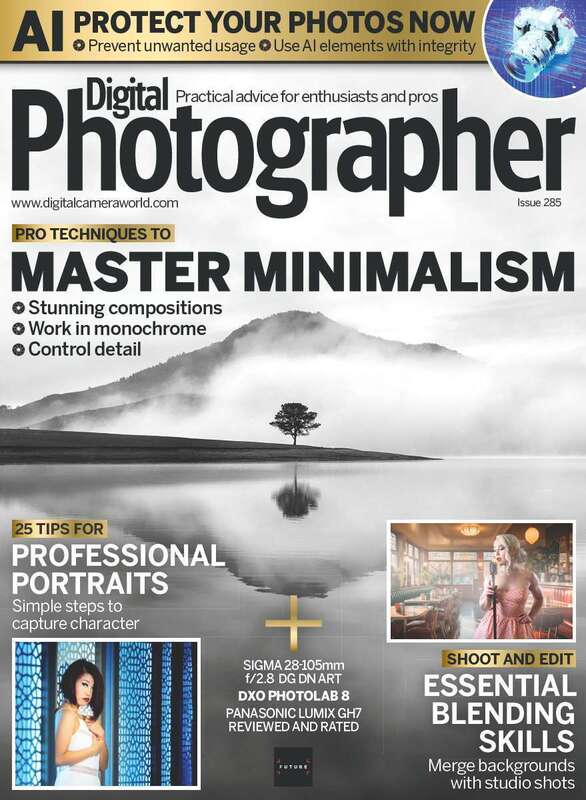
Minimalist photography captures the beauty in simplicity. It uses a minimal amount of elements to bring out the essence of a subject.
For those who love clean, uncluttered images, this medium is a great choice. In general: Minimalist photography focuses on the essentials. It removes distractions, allowing the main subject to shine. The technique uses space, lines, and light to transform ordinary scenes into extraordinary images.
Whether you’re a beginner or an expert, mastering minimalist photography can enhance your skills. The key here is not what you add, but what you take away. By embracing minimalism, you can create powerful and striking images. This blog will guide you through some practical tips for taking simple yet beautiful photos. Ready to explore the beauty of less? Let’s get started!
Minimalist Photography Introduction
Minimalist photography is said to be about simplicity and minimal aspects. This style’s primary objective is to eliminate the waste. The basic concept is to use a simple background to draw attention to the subject. All the components of the case are significant. Each has a purpose.
What is the Minimalist Photography?
Minimalism in photography is a few elements. To make a strong impact through visuals. The image needs to be effective and simple. There is often a lot of ‘negative space’. This area can be used to catch the viewer’s attention to the focus. The topic is clearly stated and easily understood. There is a tendency for colors to be subdued or there are few colors being used. This style can be to calm and concentrate.
Importance of Simplicity
Simplicity is key in minimalist photography. It can be used to create a strong focal point. The viewer’s attention is captured towards the primary focus. Other things can be distractive. The viewer may not know “what to look at”. Sometimes, a simple picture is more attractive. Can cause a lasting impact. It can also be simple, with a feeling of peace and clarity. The selection of the right camera is very essential. Any mirrorless camera or DSLR will do. Use a prime lens. Prime lenses have sharpness with clarity.
The best lens is either a 50mm or 35mm lens. These lenses are designed to allow you to concentrate on the subject. A zoom lens can also be used. They are frequently big and bulky, however. Lightweight equipment is best for minimalist shots.
A good tripod is of paramount importance. Helps to stabilize your camera. Look for a light tripod. It also helps to have a remote shutter. It stops camera shake when taking the picture. Extra batteries are a must. Just because of the minimalist shots, patience is required. Don’t want to be held up with a charger.
Selecting an appropriate topic
Look for subjects that have simple lines and shapes. There’s a lot in nature: one flower, a tree in the sky, a single rock on a beach. Even everyday objects like a chair, cup or book can make great subjects if they’re captured correctly. Don’t over-complicate or clutter.
Use a plain background to make your subject stand out. A wall, the sky or a piece of cloth is good. Close up shots will draw attention to details. Use a shallow depth of field. This will make the backdrop fuzzy and emphasize the subject. Experiment with position for optimal angle. Continue to adjust the position until the subject is definitely in focus.
Mastering Composition
Here are some tips for taking simple, yet stunning photos, and capturing the minimalist essence. To produce compelling images use clean lines, lots of negative space and essential elements.
Rule of Thirds
Use the ‘Rule of Thirds’ for better photographs. Mark off squares across and down the frame. Put the topic at the intersection of these two parts. This will help to create a more balanced shot. It also involuntarily attracts the viewer’s gaze naturally. Your pictures will appear to be professional. Never center the subject of the picture.
Negative Space
Negative space is space that is empty of subject matter. It is used to highlight the topic. Apply it to your image to make it simpler. Clarifies and focuses the image. It immediately focuses the reader’s attention on the topic. Don’t let there be anything distracting in the background. Minimalist photography, where ‘less is more’. Make sure to shoot simple, clean shots.
Lighting Techniques
The best light for minimalism photography is natural light. Mornings are soft and lovely. Long shadows are formed by the evening light. Both times are ideal for easy shots. Find good lighting by keeping away from bright lights. It’s also wonderful on cloudy days! They even provide illumination. Try moving about to get the angle right. Beautiful photos can be created using natural light.
Artificial light may be helpful as well. Lamps and bulbs are easy to use. A soft light is preferable. Fill lampshades to tone down the light. Do not use direct light on subjects. Position the light for optimum results. More than one light can be used. It helps to remove shadows. Try different angles. Try, try and try again until you find the desired effect. Great photos can be made with simple setups.
Color and Contrast
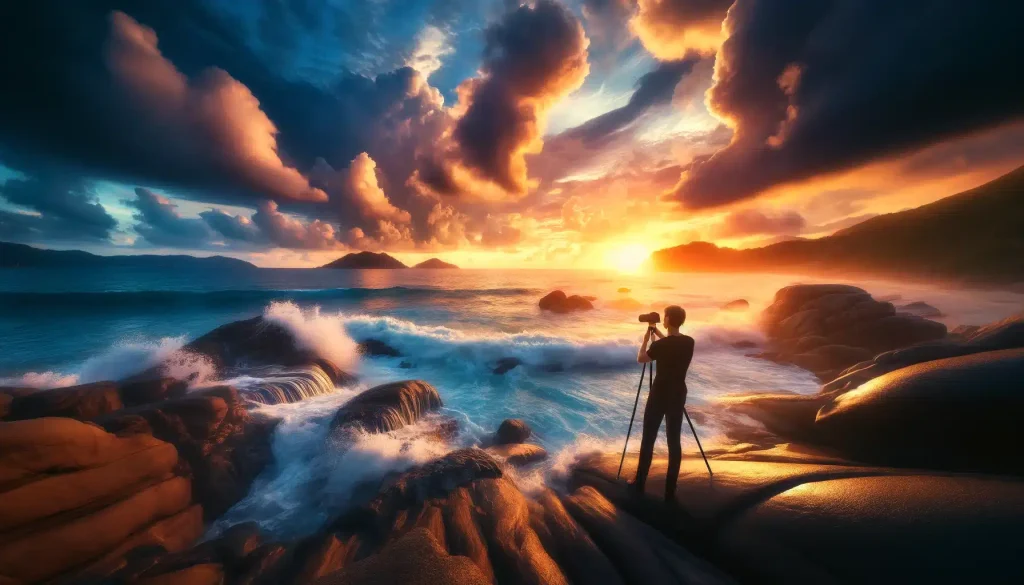
Contrast and color are an important part of minimalist photography. Explore bold colors and strong contrasts to compose bold, simple imagery. This will catch viewers’ attention, making your photos attractive.
Using Monochrome
Monochrome photographs are one color or shades of one color. It can create a tranquil and hygienic atmosphere for the image. Black and white are frequently used. It helps to concentrate on shapes and lines. This eliminates other color distractions.
Use light and dark colours where possible. This will give the picture depth. One colour may even establish a mood. For instance, blue is a cool, calm color. Monochrome is a fairly straightforward and impactful color scheme.
Playing With Contrast
Light and dark make a contrast. High-contrast photos have high contrast differences. This can help the topic to stand out. Low contrast photos are more gentle and soft.
Play with shadows and highlights. Dark shadows may help to create mystery. Using bright highlights can create a distraction. Natural light is best. The best light is either early morning or late afternoon
Using basic editing tools can enhance your minimalist photos. Adjust brightness and contrast for better light balance. Cropping helps remove unwanted elements. Saturation changes the color intensity. Sharpness makes edges clearer. Experiment with these tools to improve your photos.
Post-processing Tips
You can do some simple photo editing to improve your minimalist photographs. Fine tune brightness and contrast to level lighting. Saturation affects the amount of intensity in the color. Sharpness helps to define edges. Try these to enhance your photos.
Enhance minimalism by reducing distractions. Eliminate any distracting items to concentrate on the main subject. Make use of negative space. Avoid using a complex background. Add simplicity with black and white filters. So if you’re looking to add some minimalism to your photos, here are some tips to get you started.
Inspiration and Practice
Explore minimalist photography techniques with clean lines and basic compositions. Use negative space to help emphasize the subject. For an amazing effect, ensure that your shots remain uncluttered.
Studying Minimalist Artists
Read about artists with minimalist style.Note how they make use of negative space. Notice that they are using just simple shapes and lines. Notice their detail reduction! Understand their composition techniques. These artists are inspirational and instructive. Their art is the strength of simplicity.
Consistent Practice
Shoot in a minimalist style every day. Take pictures of simple objects. Use natural light. Try out different angles. Maintain uncomplicated compositions. Do one topic at a time. Review your photos. Don’t be afraid to make mistakes because you will learn from them. We become consistently better, the more consistent we are. You will get better at your skills with time.
Frequently Asked Questions
Conclusion
Embrace the beauty of simplicity in your photography. Do clear, clean compositions. Use natural light to enhance subjects. Try out angles and perspectives. In minimalist photography, often less is more. Photograph scenes without the distractions. Do lots of repetition to hone skills.
Be sure to take pleasure in the process and make it fun. With their simplicity, your photos will say it all. Continue perfecting your skills and soon you’ll be producing amazing minimalist photographs.

Your article helped me a lot, is there any more related content? Thanks!