





AI-driven diagnostics in digital health: game-changers
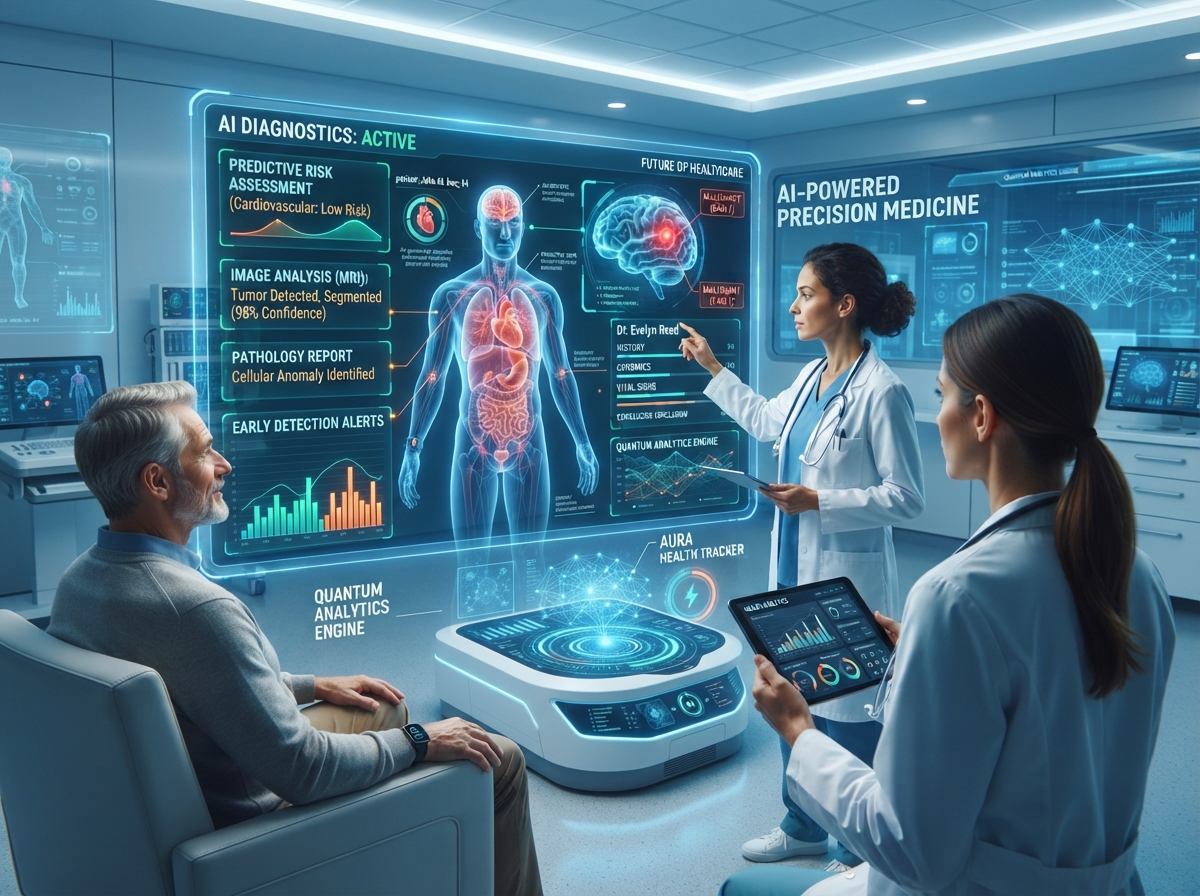
The future of healthcare is undergoing an unprecedented transformation as artificial intelligence (AI) continues to make a significant impact. AI diagnostics are in the lead.
AI is now being used for the diagnosis of diseases in the field of digital healthcare. This trend is changing the way that patients are cared for. It aids in quick and accurate decision-making in the hands of doctors. AI tools are able to handle tons of data in seconds. This allows for quicker diagnosis and improved treatment options.
Customized care for patients. The diagnostic use of AI is set to expand further. Digital health is an exciting time! It is essential for health care practitioners and patients to be aware of these trends. Let’s delve into the future of healthcare where AI-driven diagnostics are taking the center stage.

Integrating with medical devices.
Wearable health monitors monitor vital signals of the body. They record heart rate, sleep and step data. This data is analysed by AI-powered diagnostics. They discover various patterns and notify the user. This is useful in detecting all the health issues at an early stage. It is easier with wearable technology such as smartwatches.They will provide instant feedback. They sync with smartphones as well. This makes it easy and convenient to track your health.
Smart imaging systems are the type of systems based on the application of AI to read medical images. They perform X-ray, MRI, and computed tomography (CT) scans. AI helps in detecting abnormalities. This will expedite the diagnosis process. Physicians are able to obtain quicker and more precise results. Smart imaging systems save time. These enhance patient care.
Impact On Patient Care
AI can create treatment plans for each patient. It allows reviewing patient information and recommending the most suitable alternatives. Assists physicians in decision making. Treatment is provided according to the need of the patient. They believe that they are being better cared for.
AI can aid in proper diagnosis. Scans medical information more quickly. Physicians receive information in a timely manner. Patients have the appropriate care sooner. This quickness and precision can save lives.
Integration With Medical Devices
Wearable health monitors track the body’s vital signs. They collect data on heart rate, sleep, and steps. AI-powered diagnostics analyze this data. They find different patterns and alert the user. This helps in identifying all health problems at an early stage. Wearable devices like smartwatches make this task easier. They provide real-time feedback. They also sync with smartphones. This makes health tracking easy and convenient.
Smart imaging systems use AI to read medical images. They scan X-rays, MRIs, and CT scans. AI helps in detecting abnormalities. This speeds up the diagnosis. Doctors get faster and more accurate results. Smart imaging systems save time. They improve the quality of patient care.
Advancements In Predictive Analytics
Artificial Intelligence (AI) is enhancing disease predictive models. These models are useful for the early detection of diseases. Physicians are able to make more informed decisions. Patients can receive assistance quicker. AI is able to learn from trends and data in healthcare. It is then able to forecast potential health problems. This increases the effectiveness of the treatment. In the long run, it also reduces costs.
AI provides new risk assessment tools. These tools are used to evaluate health risks. There are lots of things that they take into account. Age, lifestyle and history is the key. The tools provide a straightforward risk score. This will aid in doctor’s planning the best treatment. Patients are more aware of their risk. They can make health enhancing efforts.
This personalizes and ensures more accurate care.
Ethical Considerations
The ethical aspects of AI diagnostics involve protecting patient privacy rights, data protection, and algorithmic fairness. Transparency and accountable management is important.
Patient Privacy
Artificial intelligence (AI) used in healthcare collects a lot of data. This information contains personal health information. Ensuring the security of all this information is essential. Patient privacy may become an issue if the data is not secure. There has to be adequate security measures. Encryption is used to ensure security of data. Patient data is only accessible by authorized persons. Patients should be made aware of the use of their data. Consent is important. Digital health can be very untrustworthy if there are data breaches. Always remember: Trust is key to success!
Bias In Algorithms
AI can have biases. Biases can influence a diagnosis. Less accurate results may be obtained by some groups. This can impact minorities. Diverse training data should be used. Heterogeneous data can help minimize bias. Routine audits of AI systems can aid. Bias detection tools come in handy. Equal treatment for the all is required. But it’s the responsibility of the developers to make sure that it’s fair. The aim is to provide equal care to all. Everyone should have precise health care. Everyone benefits from Fair AI, all patients.
Regulatory Challenges
One of the key elements of overcoming barriers to the development of AI-powered diagnostics in digital health is addressing regulatory issues. It is a challenge to keep up with changing standards and be compliant with them. Strategies that work ensure continued trust and reliability in AI technologies.
Compliance With Standards
There are strict standards that need to be placed on AI-driven diagnostics. These standards are for safety and accuracy. These guidelines are the work of experts. It is their duty to follow the ones companies are obligated to follow. To safeguard patients. It also helps to establish trust in AI tools.
Approval Processes
Approval for AI tools can be a lengthy process. There are numerous steps involved in the process. One, of course, developers have to test the tool. These they return to regulators. The data is submitted for regulators’ review. They look for hazards, as well as efficiency. The tool can only be used in healthcare upon approval. To make AIs safe for all.
Future Prospects
AI can transform the healthcare industry. In the case of using the smart diagnostics, the diseases can be detected at their early stages. This can save many of lives. Machine learning assists the doctors to observe pattern. These patterns are not readily visible. AI can complete the scan and reading of X-rays faster. They are also tend to make fewer errors. There are some new applications that can monitor health indicators every day. This data helps make an early diagnosis. Alerts can be sent by wearable devices. These raise alerts to health risks in real-time.
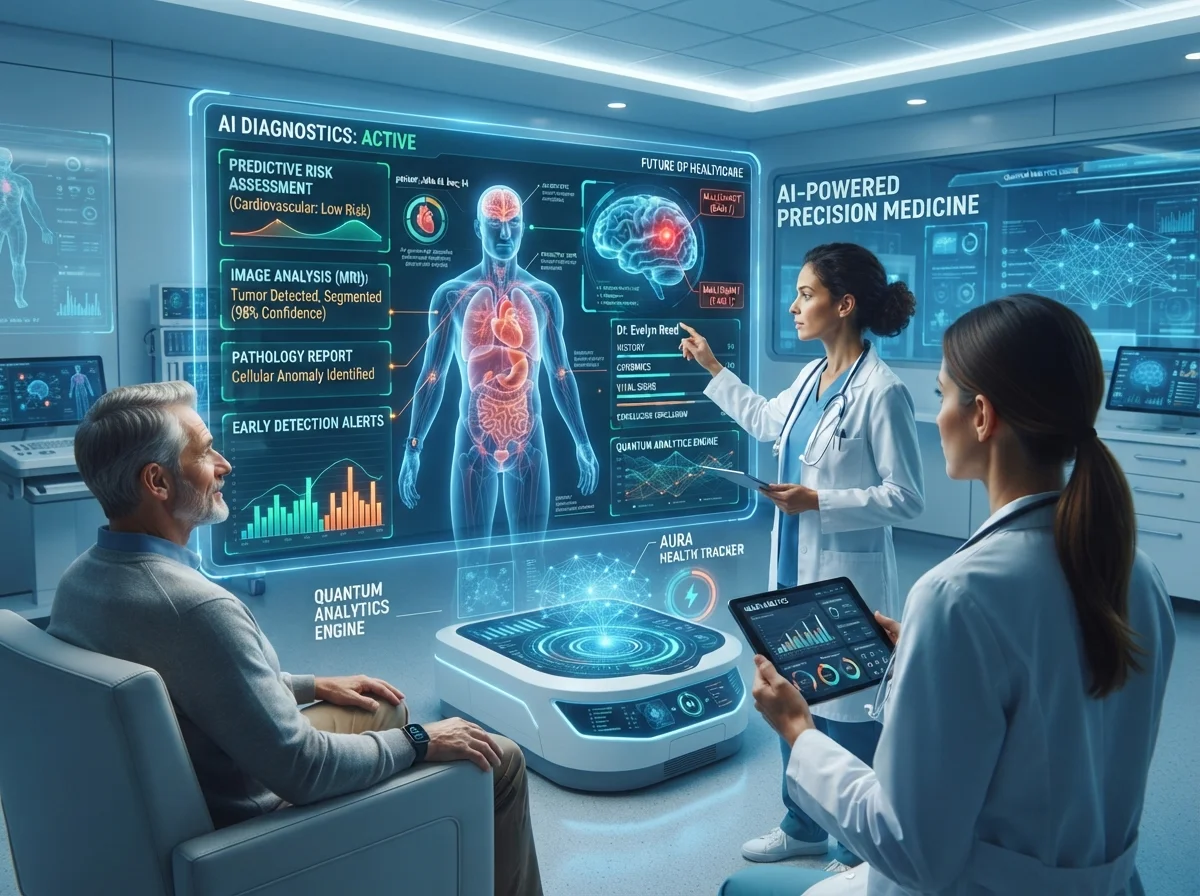
AI diagnostics can help reduce medical expenses. Efficiency translates to reduced waste. Treatment can occur earlier, before symptoms get worse. This could optimize over-hospitalization. AI systems also “learn” and grow with time. They improve over time, as they gather more data. This means that the results are more accurate. remote areas can benefit from AI tools. Access to good care is available to people in rural locations. AI can help make global health better. It polarizes health care to be more equal for all.
The healthcare sector has evolved with the help of AI tools. AI technologies enable doctors to identify diseases quickly. How AI works in radiology to aid in cancer detection occurs in several ways. This saves lives. Artificial Intelligence in Pathology is also beneficial. Can detect slide issues which would otherwise be missed by humans.
One such case is artificial intelligence in Dermatology. Useful for physicians in the detection of skin disorders. This helps treatments to be faster. There are improvements to patient care. AI can also make predictions on heart-related issues. Examines heart images and provides instant conclusions.
AI needs good data. If the data aren’t good, the results won’t be good. Progressing AI training is a crucial part, too. There are a lot of instances from which it needs to learn. There must be hand in hand collaboration between doctors and AI. This results in the very best treatment. Positive outcomes foster trust in AI. Patients feel safer.
There are challenges. Privacy is one. Data must be safe. AI must be fair. It is to be for all, it is not to be for some. Continuous learning is key. Reduction in charge for AI should continue. This helps in giving better care.
Frequently Asked Questions
Conclusion
The future of AI in diagnostics for digital health is promising. All of these improvements contribute to better patient care. They also help to improve the accuracy of diagnostics. Quick results in clinics and hospitals. People are treated better and are treated individually. AI is still advancing in health care. It is essential to have information about these trends.
The incorporation of AI is forging the contours of contemporary medication. Thus, it is necessary to take advantage of these innovations. Their key is to a healthier future.
Extranal Links

Health & Wellness Writer | Research-Informed Health Content Creator
A.K.M. Monjurul Hoque is a health and wellness writer specializing in health, beauty, fitness, nutrition and healthy living. His content is informed by health journals, books, seminars, training programs, and discussions with experienced healthcare professionals. He writes clear, practical and research-informed articles for general education and encourages readers to seek personalized advice from qualified medical professionals.