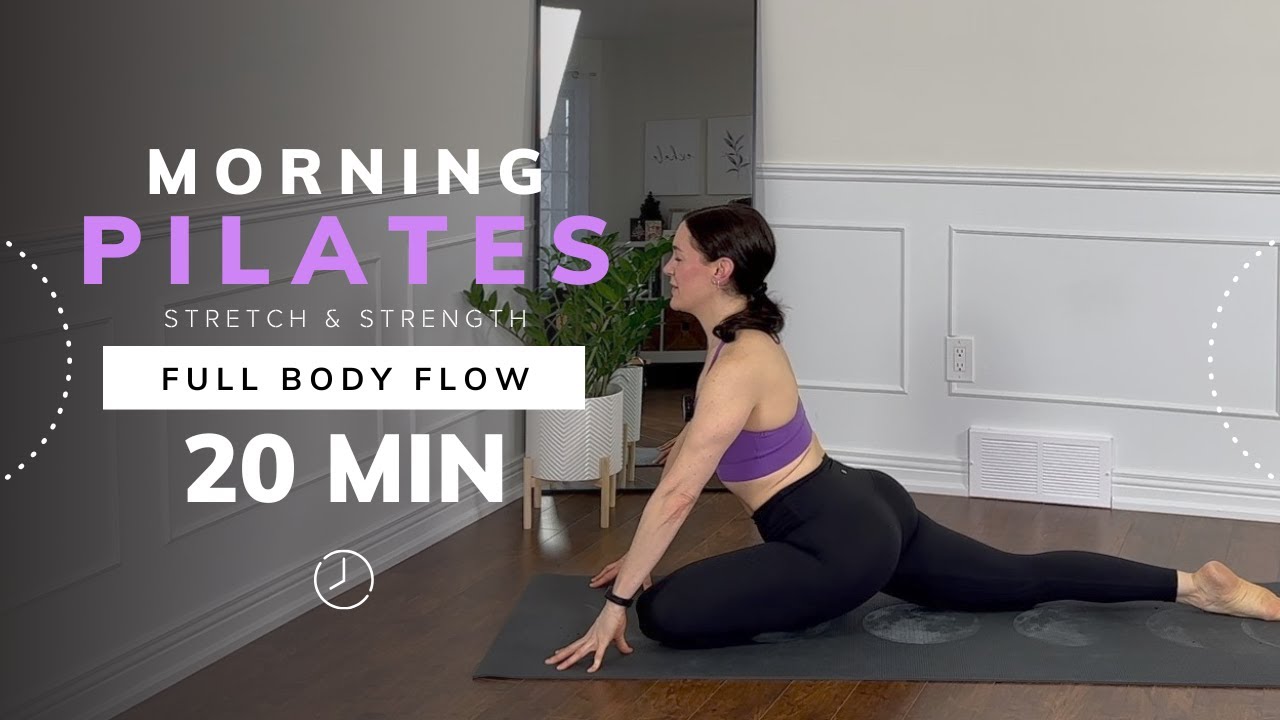
Pilates is a great way to enhance your flexibility, strength, and posture. This low-impact exercise method focuses on controlled movements and proper alignment.
Incorporating Pilates into your routine can bring many physical benefits. It targets core muscles, improves balance, and reduces the risk of injury. Whether you’re new to exercise or an experienced athlete, Pilates offers a versatile workout. You can do it at home or in a studio, with minimal equipment.
This Pilates flow is perfect for anyone looking to boost their fitness levels. With consistent practice, you’ll notice better body awareness and a stronger physique. Ready to transform your workout? Let’s dive into this effective Pilates flow.
Credit: www.fitandwell.com
Benefits Of Pilates
Pilates is a wonderful way to improve your overall health. It helps in enhancing flexibility, building strength, and improving posture. These benefits can make your daily activities easier and reduce the risk of injuries. Doing Pilates regularly can also improve your mental well-being. This blog post will explore the various benefits of Pilates.
Enhancing Flexibility
Pilates exercises are designed to stretch and lengthen your muscles. This helps to increase your range of motion. Flexibility is vital for maintaining a healthy and active lifestyle. Here are some key points:
- Reduces muscle stiffness
- Improves joint mobility
- Helps in performing daily tasks with ease
When muscles are flexible, they are less likely to strain or tear. Pilates exercises like the spine stretch, leg circles, and mermaid stretch help to improve flexibility. These exercises target different muscle groups and make them more elastic.
Regular practice can lead to significant improvements in flexibility. This can also help in reducing pain and discomfort in the body. Flexibility gained through Pilates can make other physical activities more enjoyable and less challenging.
Building Strength
Pilates is great for building strength without adding bulk. It focuses on core strength, which is crucial for stability and balance. Here are the primary benefits:
- Strengthens the core muscles
- Enhances muscle tone
- Improves overall body strength
Core strength is essential for protecting your back and improving your posture. Pilates exercises like the plank, the hundred, and leg lifts are excellent for strengthening the core. These exercises engage multiple muscle groups at the same time.
Building strength through Pilates can also boost your metabolism. Strong muscles burn more calories, even at rest. This can help in maintaining a healthy weight. Additionally, strength gained from Pilates can enhance your performance in other sports and physical activities.
Improving Posture
Good posture is important for overall health and well-being. Pilates can help to correct poor posture and align your body properly. Here are some points to consider:
- Reduces back pain
- Prevents injuries
- Enhances physical appearance
Many people suffer from poor posture due to long hours of sitting or improper body mechanics. Pilates exercises focus on strengthening the muscles that support the spine. This helps in maintaining an upright position.
Pilates exercises like the roll-up, the spine twist, and the shoulder bridge can improve your posture. These exercises train your body to stay aligned and balanced. With regular practice, you will notice a significant improvement in your posture.
Good posture can also boost your confidence. When you stand tall and straight, you project a positive image. Pilates helps in achieving and maintaining that posture effortlessly.

Credit: www.facebook.com
Essential Pilates Principles
Pilates is a popular exercise method that helps improve flexibility, strength, and posture. This low-impact workout focuses on controlled movements and breathing techniques. By practicing Pilates regularly, you can develop a strong core, better balance, and enhanced body awareness. This Pilates flow incorporates essential principles that can transform your body and mind.
Control
Control is a vital principle in Pilates. Each movement should be deliberate and smooth. Proper control helps prevent injury and maximizes the effectiveness of your workout. Here are some key points to remember:
- Move slowly and with intention.
- Engage your muscles fully.
- Maintain proper alignment.
By focusing on control, you can target specific muscle groups more effectively. This leads to better results in less time. Control also helps you stay mindful during your practice. This mindfulness can extend to other areas of your life, improving overall well-being.
Concentration
Concentration is another essential principle of Pilates. Paying attention to each movement ensures you are performing exercises correctly. This focus helps you get the most out of your workout. Here are some tips for improving concentration:
- Clear your mind before starting.
- Focus on your breath.
- Visualize the muscles you are working.
Concentration helps you stay present during your practice. This presence can reduce stress and improve mental clarity. Over time, this can lead to better performance and greater satisfaction with your progress.
Centering
Centering involves focusing on the core, or “powerhouse,” of your body. This area includes the abdomen, lower back, and hips. A strong core is crucial for stability and balance. Here are some ways to engage your core:
| Exercise | Description |
|---|---|
| Plank | Hold your body in a straight line, engaging your core. |
| Bridge | Lift your hips off the floor, squeezing your glutes and core. |
| Roll-Up | Slowly roll your spine up and down, engaging your abs. |
By focusing on centering, you can develop a strong foundation for all movements. This leads to better posture and reduced risk of injury. A strong core also helps improve performance in other physical activities.
Key Pilates Movements
Pilates is a great way to improve flexibility, strength, and posture. It uses controlled movements that focus on your core muscles. This Pilates flow will help you get stronger and more flexible. You will also learn to hold your body in better alignment. Let’s dive into some key Pilates movements.
The Hundred
The Hundred is a classic Pilates exercise. It warms up the body and gets the blood flowing. This movement also strengthens the core muscles. Start by lying on your back. Lift your legs to a tabletop position. Raise your head, neck, and shoulders off the mat. Extend your arms straight and pump them up and down.
Remember to breathe deeply. Inhale for five counts and exhale for five counts. Repeat this cycle ten times. You will feel your abdominal muscles working hard. This exercise improves stamina and stability. It’s a great way to start your Pilates routine.
Roll Up
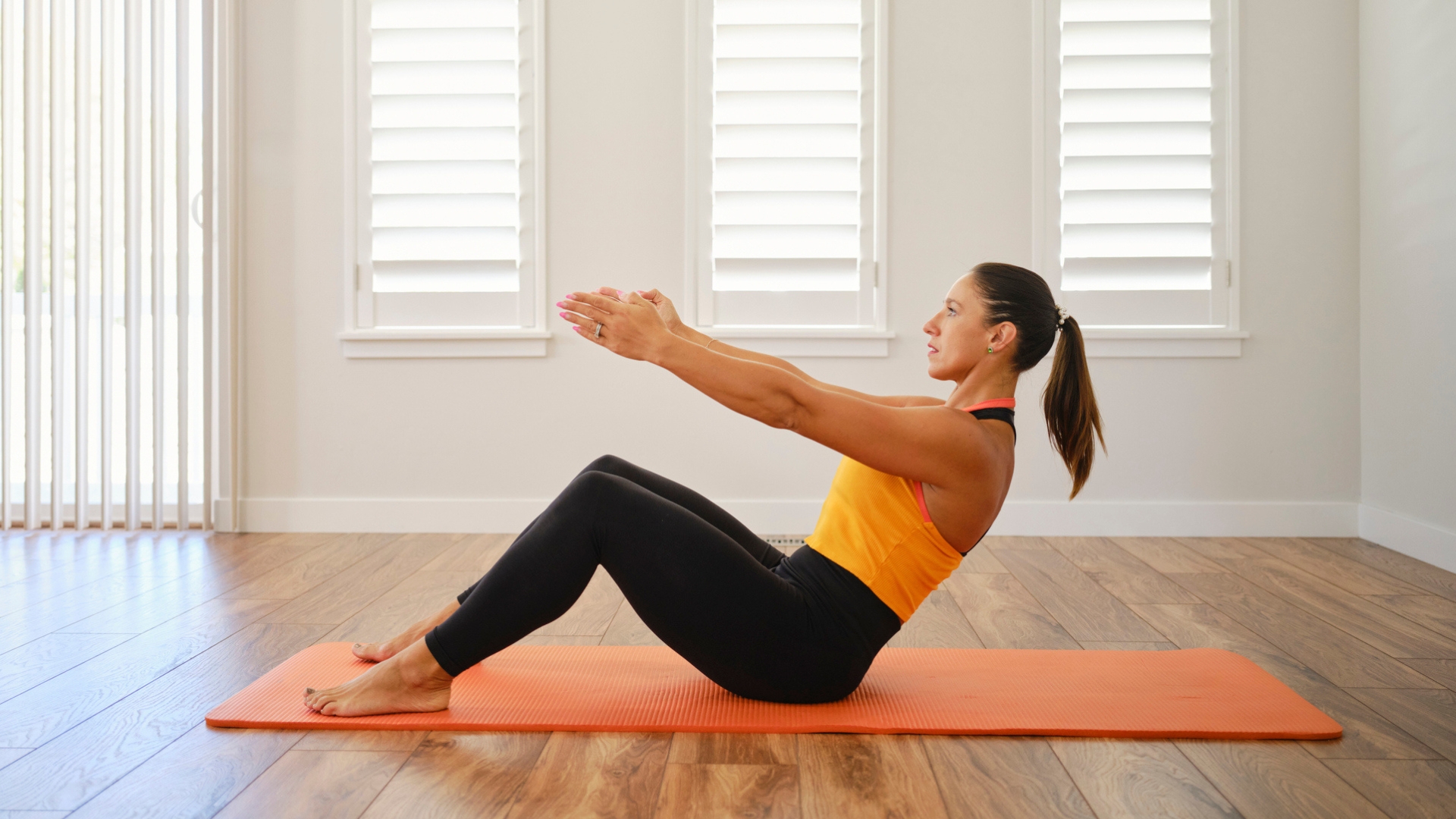
The Roll Up is another effective Pilates move. It targets the abdominal muscles and stretches the spine. Begin by lying flat on your back. Extend your legs and arms straight. Inhale as you lift your arms towards the ceiling. Slowly curl your spine off the mat. Reach towards your toes.
Exhale as you roll back down, one vertebra at a time. This exercise should be done slowly and with control. It helps improve flexibility in the spine. Also, it strengthens the core muscles. Performing the Roll Up regularly can help you achieve a more flexible and strong body.
Leg Circles
Leg Circles are perfect for improving hip mobility. They also strengthen the core and legs. To start, lie on your back with one leg extended towards the ceiling. Keep the other leg flat on the mat. Circle the raised leg outward, then inward.
Make sure to keep the movements controlled. Do five circles in each direction. Switch legs and repeat. This exercise helps in opening up the hip joints. It also challenges your balance and coordination. Leg Circles are excellent for building strength and flexibility in the lower body.
Creating A Flow Sequence
Pilates is a great way to improve flexibility, strength, and posture. It combines precise movements and controlled breathing. This helps in building a strong core and a flexible body. The flow of movements in Pilates can make your workouts more effective. This article will guide you on creating a flow sequence for your Pilates routine.
Warm-up Techniques
Warming up before any exercise is crucial. This prepares your body and reduces the risk of injury. Here are some effective warm-up techniques for Pilates:
- Breathing Exercises: Start with deep, controlled breathing. Inhale through your nose and exhale through your mouth. This helps in oxygenating your muscles.
- Cat-Cow Stretch: This stretch helps in mobilizing your spine. Start on all fours. Inhale, arch your back (cow pose), then exhale and round your spine (cat pose).
- Arm Circles: Stand with your feet hip-width apart. Extend your arms out to the sides. Make small circles with your arms, gradually making them larger.
- Leg Swings: Stand next to a wall for support. Swing one leg forward and backward. This helps in loosening your hip joints.
These warm-up techniques are simple yet effective. They prepare your body for a Pilates workout. Spend about 5-10 minutes on these exercises.
Flow Structure
Creating a flow sequence involves linking movements smoothly. This not only makes the workout more enjoyable but also more effective. Here is a simple flow structure:
- The Hundred: Start by lying on your back. Lift your legs to a tabletop position and raise your head and shoulders. Pump your arms up and down while breathing in and out.
- Roll-Up: Lie down with your arms extended overhead. Inhale and lift your arms, head, and shoulders. Exhale and roll up to a seated position, reaching for your toes.
- Single Leg Circles: Lie on your back with one leg extended towards the ceiling. Make small circles with your leg, gradually making them larger. Repeat with the other leg.
- Rolling Like a Ball: Sit on the mat with your knees bent and hands on your shins. Roll back onto your shoulders and then back up to the seated position.
- Plank: Get into a push-up position. Hold this position while engaging your core. This strengthens your entire body.
This flow structure targets different muscle groups. It helps in building strength and flexibility. Practice this flow regularly for the best results.
Cool Down Essentials
Cooling down is as important as warming up. It helps in relaxing your muscles and brings your heart rate down. Here are some cool-down essentials:
- Child’s Pose: Kneel on the mat and sit back on your heels. Extend your arms forward and lower your forehead to the mat. This stretches your back and relaxes your body.
- Seated Forward Bend: Sit with your legs extended in front of you. Reach for your toes while keeping your back straight. This stretches your hamstrings and lower back.
- Spinal Twist: Sit with your legs crossed. Place your right hand on your left knee and twist your torso to the left. Hold for a few breaths and repeat on the other side.
- Butterfly Stretch: Sit with your feet together and knees bent out to the sides. Hold your feet and gently press your knees towards the floor.
These cool-down exercises help in reducing muscle stiffness. Spend about 5-10 minutes on these stretches after your Pilates session. This will aid in muscle recovery and improve flexibility.
Tools And Props
Pilates is a great way to improve flexibility, strength, and posture. Using the right tools and props can make a big difference. They help you get the most out of your Pilates flow. Here, we will discuss some essential tools and props. These include mats, bands, and stability balls.
Using A Mat
A mat is one of the most important tools in Pilates. It provides a cushioned surface. This makes exercises more comfortable and safe. Mats help protect your joints and spine. They also give you a stable base for your workouts.
When choosing a mat, consider the following:
- Thickness: Thicker mats provide more cushioning.
- Material: Look for non-slip materials for better grip.
- Portability: Lightweight mats are easier to carry around.
Some popular mat materials include:
| Material | Benefits |
|---|---|
| Rubber | Eco-friendly, good grip |
| PVC | Durable, easy to clean |
| TPE | Lightweight, good cushioning |
Incorporating Bands
Bands are another useful prop in Pilates. They add resistance to your exercises. This helps build strength and endurance. Bands are also versatile. You can use them in many different ways.
Some benefits of using bands include:
- Improved muscle activation
- Enhanced flexibility
- Portable and easy to store
Bands come in various resistance levels. Choose the right one for your needs. Start with a lighter band. Increase resistance as you get stronger.
Here are some common types of bands:
| Type | Usage |
|---|---|
| Loop Bands | Great for lower body exercises |
| Flat Bands | Good for upper body and stretching |
| Tubing Bands | Useful for full-body workouts |
Benefits Of A Stability Ball
A stability ball is a fun and effective prop. It adds an element of balance to your workouts. This engages your core muscles more. Using a stability ball can improve your posture and stability.
Some key benefits of a stability ball include:
- Enhanced core strength
- Better balance and coordination
- Increased flexibility
Stability balls come in different sizes. Choose the right size based on your height. Make sure the ball is properly inflated. This ensures safety and effectiveness during exercises.
Here are some tips for using a stability ball:
- Start with basic exercises
- Maintain proper form
- Use the ball in a controlled manner
Common Mistakes
Incorporating Pilates into your routine can help improve your flexibility, strength, and posture. Yet, many people make common mistakes that reduce the benefits. Recognizing and avoiding these errors can enhance your Pilates experience. Let’s explore some of these mistakes and how to correct them.
Poor Form
One of the most common mistakes in Pilates is poor form. Proper form is crucial to achieve the best results and avoid injury. Here are some key points to consider:
- Engage your core: Always keep your abdominal muscles tight.
- Align your spine: Ensure your back is straight and shoulders are relaxed.
- Avoid locking joints: Keep a slight bend in your elbows and knees.
Maintaining correct form can be challenging, especially for beginners. It may be helpful to use a mirror or have someone watch your movements. Adjustments and corrections can significantly improve your technique.
Practice makes perfect. With regular practice, maintaining good form will become second nature.
Rushing Through Moves
Another common mistake is rushing through the movements. Pilates requires slow, controlled movements to be effective. Speeding through exercises can lead to poor form and reduced benefits. Here are some tips to avoid rushing:
- Focus on each movement: Pay attention to how your body feels.
- Breathe slowly: Coordinate your breath with each movement.
- Set a pace: Follow a rhythm that allows for full range of motion.
Remember, the quality of each movement is more important than the quantity. Take your time to execute each exercise with precision.
Neglecting Breathing
Neglecting proper breathing is a mistake that can undermine your Pilates practice. Breathing correctly helps with muscle engagement and relaxation. Here are some guidelines for breathing during Pilates:
- Inhale deeply: Fill your lungs completely.
- Exhale fully: Empty your lungs to release tension.
- Match breath to movement: Inhale on preparation, exhale on exertion.
Focusing on your breath can also enhance your concentration. Mindful breathing ensures you are fully engaged in each exercise.
Practice breathing techniques regularly to integrate them into your routine. This will make your Pilates sessions more effective and enjoyable.
Tips For Beginners
Pilates is a great way to improve flexibility, strength, and posture. It’s gentle on the body and helps build core strength. Whether you’re new to Pilates or have some experience, these tips for beginners can guide you. Starting slow, focusing on form, and staying consistent are key. Let’s dive into these tips to help you get the most out of your Pilates practice.
Start Slow
Beginners should start slow to avoid injuries. It’s important to listen to your body. Allow it to adapt to new movements. Here are some tips to help you get started:
- Begin with basic exercises that focus on core strength.
- Gradually increase the intensity of your workouts as you become more comfortable.
- Take breaks when needed to prevent overexertion.
Starting slow helps your body to build strength and flexibility gradually. This ensures you don’t strain your muscles. It’s also important to warm up before starting your Pilates routine. A simple warm-up can prepare your muscles and joints. This reduces the risk of injury. Remember, consistency is more important than intensity in the beginning.
Focus On Form
Proper form is crucial in Pilates. It ensures that you get the most benefits from each exercise. Here are some tips to help you focus on form:
- Engage your core muscles throughout each exercise.
- Maintain a neutral spine to avoid putting strain on your back.
- Keep your movements controlled and avoid rushing through exercises.
Focusing on form helps you perform exercises correctly. This maximizes the effectiveness of your workouts. You can use a mirror to check your posture and alignment. If possible, seek guidance from a certified Pilates instructor. They can provide valuable feedback on your form. Correct form also helps prevent injuries and ensures you’re working the right muscles.
Stay Consistent
Consistency is key to seeing results in Pilates. Regular practice helps build strength, flexibility, and improve posture. Here are some tips to help you stay consistent:
- Set a regular schedule for your Pilates workouts.
- Start with short sessions and gradually increase the duration.
- Track your progress to stay motivated and see improvements.
Staying consistent with your Pilates practice will yield the best results. It’s better to do shorter sessions regularly than long ones sporadically. Keeping a journal of your workouts can help you stay on track. Celebrate your progress, no matter how small. This will keep you motivated and committed to your Pilates journey.
Credit: www.fitandwell.com
Advanced Techniques
Pilates is a great way to improve flexibility, strength, and posture. This workout focuses on controlled movements and breathing. Advanced techniques can take your Pilates practice to the next level. This blog will explore three main areas: incorporating resistance, dynamic movements, and balancing challenges.
Incorporating Resistance
Adding resistance to your Pilates routine can enhance muscle engagement. Resistance bands or weights can help in this process. Here are some benefits:
- Increased muscle strength
- Better muscle tone
- Improved endurance
Using resistance bands is simple. Attach the band to a stable point. Hold the other end while performing your exercises. This will make your muscles work harder.
| Exercise | Equipment | Benefits |
|---|---|---|
| Leg Press | Resistance Band | Strengthens legs |
| Arm Curl | Weights | Tones arms |
| Chest Fly | Resistance Band | Builds chest muscles |
Dynamic Movements
Dynamic movements add variety and increase heart rate. These movements can make your workout more effective. Examples include:
- Jumping Jacks
- High Knees
- Mountain Climbers
These exercises improve cardiovascular health. They also help in burning more calories. Adding these to your Pilates flow can create a balanced workout. Here’s a quick routine:
| Exercise | Reps | Duration |
|---|---|---|
| Jumping Jacks | 20 | 30 seconds |
| High Knees | 20 | 30 seconds |
| Mountain Climbers | 20 | 30 seconds |
Balancing Challenges
Balancing exercises are crucial for stability and core strength. They help in improving posture and coordination. Some effective balancing challenges include:
- Single-Leg Stands
- Tree Pose
- Balance Ball Exercises
These exercises force your body to engage stabilizer muscles. This leads to better balance and coordination. Single-leg stands are simple. Stand on one leg for 30 seconds. Switch legs and repeat.
Tree pose is another great exercise. Stand on one leg. Place the other foot on the inner thigh. Hold for 30 seconds. These balancing challenges can be added to your Pilates flow for improved results.
Frequently Asked Questions
What Are The Benefits Of Pilates Flow?
Pilates flow improves flexibility, strength, and posture. It enhances core stability and balance. It also promotes overall body awareness and coordination.
How Often Should I Do Pilates For Best Results?
For optimal results, practice Pilates 2-3 times per week. Consistency is key to experiencing significant improvements in flexibility and strength.
Can Beginners Do This Pilates Flow?
Yes, beginners can do this Pilates flow. It’s adaptable to all fitness levels. Always listen to your body and modify as needed.
What Equipment Do I Need For Pilates Flow?
You need a comfortable mat for Pilates flow. Optional equipment includes a resistance band and small hand weights for added intensity.
Conclusion
Pilates can greatly improve your flexibility, strength, and posture. This flow is easy to follow. Perfect for beginners and advanced alike. Practice regularly for the best results. Feel more balanced and energized each day. Your body will thank you. Enjoy the journey to better health and wellness.
Start your Pilates routine today.