




Essential Fitness Insights from Personal Trainers for 2026: Expert Tips for Longevity and Performance
Introduction: The Shift from Aesthetics to Durability
The fitness landscape has undergone a profound transformation. As we navigate through 2026, the conversation in the wellness industry has decisively shifted away from short-term aesthetic fixes and 30-day transformation challenges toward long-term durability, metabolic health, and holistic well-being [1] [2]. Personal trainers and fitness experts are no longer just guiding clients through heavy lifting or high-intensity intervals; they are orchestrating comprehensive health strategies that prioritize healthspan—the number of years a person lives free from chronic disease and debilitating physical decline [3].
Whether you are a seasoned athlete or someone just beginning your wellness journey, understanding the methodologies championed by professional trainers today can revolutionize your approach to health. Drawing from cutting-edge wearable technology, AI-driven programming, and a renewed emphasis on nervous-system recovery, the 2026 fitness paradigm is smarter, more personalized, and deeply sustainable.
1. The Tech Revolution: AI, Wearables, and Bio-Harmonization
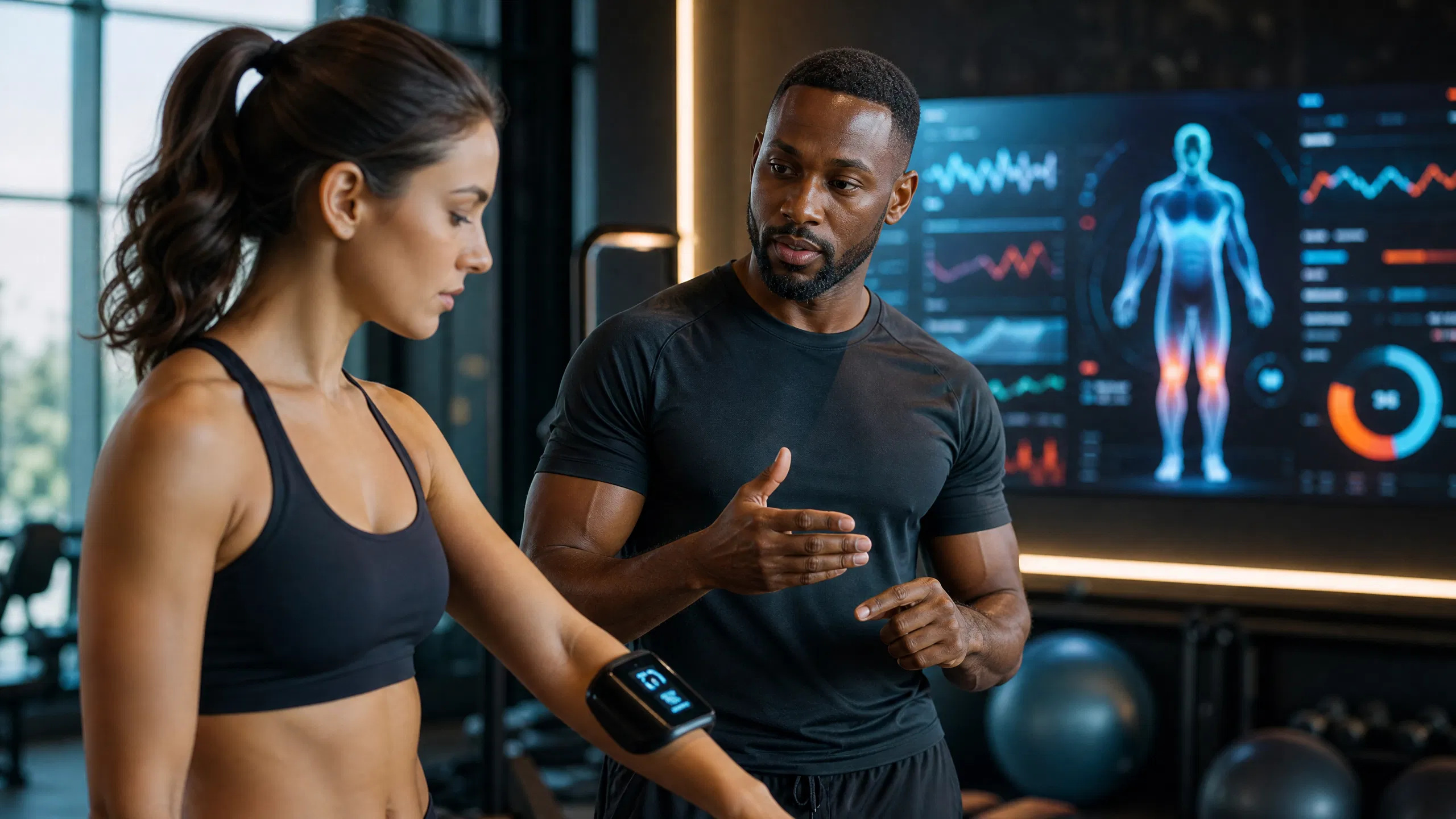
Technology in fitness has evolved past simple step-counting and basic heart-rate monitoring. According to the American College of Sports Medicine (ACSM), wearable technology remains the reigning trend [4], but its application has grown exponentially more sophisticated. In 2026, fitness trackers and mobile apps function as real-time bio-harmonization tools, tracking everything from continuous glucose levels and cortisol spikes to heart rate variability (HRV) and sleep architecture.
Personal trainers are leveraging these data streams to write hyper-personalized programs. Instead of relying on generalized routines, trainers review daily recovery scores to dynamically adjust workout intensity. If your biometric data indicates high nervous system fatigue, your AI-integrated coach or human trainer will seamlessly pivot your session from heavy barbell squats to mobility and Zone 2 steady-state cardio.
| Technology Trend | Description | Benefit to Trainee |
|---|---|---|
| Wearable Bio-Feedback | Continuous monitoring of HRV, glucose, and recovery markers | Prevents overtraining and optimizes workout timing |
| AI Form Correction | Real-time computer vision apps tracking biomechanics | Reduces injury risk during solo home or gym sessions |
| Adaptive Equipment | Smart gym machines that automatically adjust resistance | Ensures progressive overload tailored to exact strength curves |
2. The Longevity Shift: Training for Your 100-Year-Old Self
One of the most defining shifts in modern personal training is the prioritization of functional aging and longevity [5]. Trainers are designing routines that ensure clients can maintain independence, balance, and vitality well into their later decades. This involves a strategic blend of strength training, VO2 max enhancement, and neuromuscular balance work.
Lifting weights is no longer viewed solely as a means to build muscle mass; it is recognized as a vital metabolic organ and a bulwark against sarcopenia (age-related muscle loss). Furthermore, Zone 2 cardio—maintaining a steady pace where you can comfortably hold a conversation—has become the gold standard for mitochondrial health and fat oxidation.
“The goal of modern training is not just how much you can lift today, but how well you will move, live, and thrive tomorrow.” — Expert Fitness Consensus [3]
3. Personalized Nutrition and Metabolic Flexibility
Nutrition in 2026 has moved far beyond rigid calorie counting and generalized macro splits. Trainers and sports nutritionists are emphasizing metabolic flexibility—the body’s ability to seamlessly switch between burning carbohydrates and fats for fuel. This approach is supported by advanced bloodwork, nutritional genomics, and continuous glucose monitoring (CGM).
- Whole-Food Priority: A heavy emphasis is placed on minimizing ultra-processed foods [6] and incorporating nutrient-dense whole foods rich in antioxidants and fiber.
- Targeted Supplementation: Supplements are used strategically to bridge verified nutritional gaps (such as Vitamin D3, Omega-3 fatty acids, and magnesium), rather than as a catch-all fix.
- Hydration and Mineral Balance: Electrolyte optimization has taken center stage, recognizing that cellular hydration governs muscular contraction and cognitive focus.
4. The Recovery Revolution: Nervous System Regulation
In previous years, recovery was often treated as an afterthought—something that happened passively between gym visits. Today, recovery is an active, highly structured component of any elite fitness program. With burnout rates rising across modern work environments, trainers are incorporating nervous-system regulation techniques to combat chronic stress.
Modalities such as contrast therapy (saunas paired with cold plunges), infrared recovery blankets, foam rolling, and structured breathwork sessions are integrated directly into weekly routines. Furthermore, sleep hygiene is treated with the same rigor as training volume, with trainers demanding a baseline of 7 to 9 hours of quality sleep to facilitate muscle protein synthesis and cognitive restoration.
5. Mental Fitness, Community, and the Joy of Movement
Physical exercise and mental resilience are inextricably linked. The 2026 wellness space has witnessed a powerful counter-movement against over-optimization, affectionately dubbed the return of pleasure and joy in movement [7]. Rather than viewing exercise as a punishment for what you ate, trainers are fostering environments where movement is celebrated as a form of mental liberation.
Group fitness has also evolved. While hybrid and virtual home workouts remain popular for their convenience, there is a massive resurgence in community-driven, in-person fitness spaces. Classes that combine physical challenge with social connection provide the emotional support necessary to maintain long-term consistency.
Conclusion
The fitness insights for 2026 paint a clear and empowering picture: true wellness is not about grueling, unsustainable routines or chasing unrealistic aesthetic standards. Instead, it is an intelligent, data-informed, and compassionate approach to lifelong vitality. By embracing personalized training, prioritizing longevity and recovery, and leveraging smart technology without losing touch with human connection, you can transform your fitness journey into a sustainable lifestyle.
Frequently Asked Questions (FAQ)
What are the primary fitness trends dominating 2026?
The leading trends in 2026 include wearable technology with bio-harmonization, AI-driven hyper-personalization, training focused on longevity and healthspan, active nervous-system recovery, and functional fitness programs tailored for all age groups [2] [3].
How are personal trainers utilizing artificial intelligence?
Trainers use AI to analyze large sets of biometric data from wearables, predict recovery needs, automate progressive overload, and even provide real-time form correction through computer vision apps.
Why is healthspan prioritized over lifespan in modern training?
While lifespan measures the total years lived, healthspan measures the years lived in good health and physical independence. Modern training focuses on functional strength, cardiovascular fitness, and mobility to ensure high quality of life well into older age [3].
How can beginners start incorporating these expert insights?
Beginners should start by establishing consistent sleep patterns, incorporating basic functional movements (like squats, hinges, and carries) three times a week, tracking daily movement, and consulting with a qualified professional to build a customized, sustainable plan.
Disclaimer
I am an AI, not a certified personal trainer, medical doctor, or registered dietitian. The insights and tips provided in this article are for informational and educational purposes only. Always consult with a qualified healthcare professional or certified fitness expert before beginning any new exercise regimen, diet, or supplement program.
References
1.ACE Fitness – 10 Fitness Trends in 2026 and Beyond
2.ACSM – The Future of Fitness: Top Trends for 2026
3.NASM – The State of the Personal Trainer 2026 Report
4.UChicago Medicine AdventHealth – 2026 Fitness and Nutrition Trends
5.Global Wellness Institute – Global Wellness Summit Trends
6.Prenuvo – 11 Exploding Health Trends You May See in 2026
7.Vogue – The Biggest Wellness Trends of 2026

Health & Wellness Writer | Research-Informed Health Content Creator
A.K.M. Monjurul Hoque is a health and wellness writer specializing in health, beauty, fitness, nutrition and healthy living. His content is informed by health journals, books, seminars, training programs, and discussions with experienced healthcare professionals. He writes clear, practical and research-informed articles for general education and encourages readers to seek personalized advice from qualified medical professionals.