



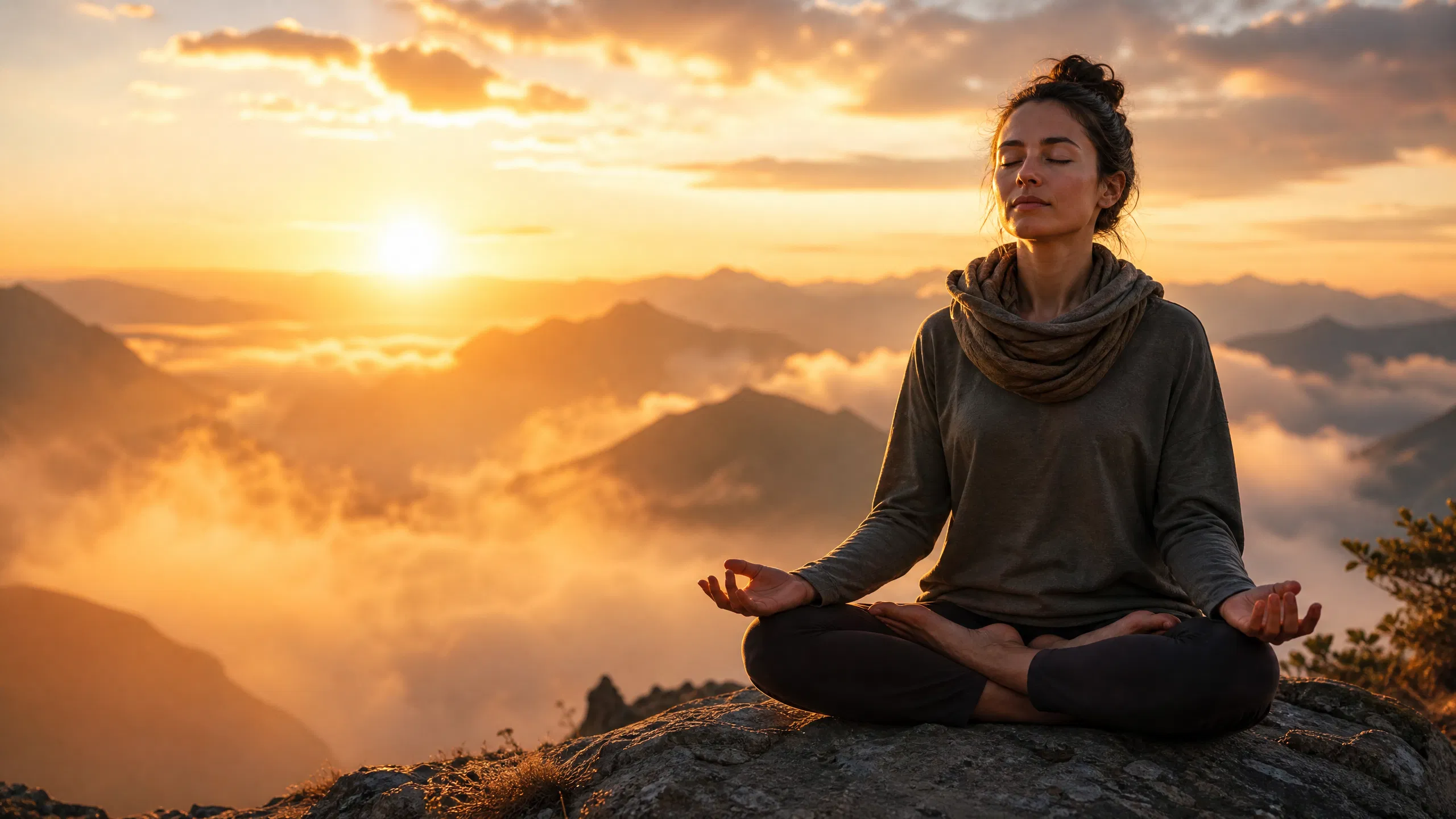
The Spiritual Powerhouse: 7 Evidence-Backed Steps to Inner Calm, Clarity, and Resilience
Disclaimer: This article is provided for educational, informational, and personal growth purposes only and does not constitute psychological or medical advice. If you are experiencing severe psychological distress, trauma, or a mental health crisis, please consult a licensed mental health professional or contact your local emergency services (such as 988 in the U.S.) for immediate support.
Introduction: Cultivating the Modern Spiritual Powerhouse
In an era defined by hyper-connectivity, relentless information streams, and constant daily pressures, cultivating deep inner stability can feel like an insurmountable challenge. Yet, becoming a “spiritual powerhouse” is not about retreating to a distant mountaintop or mastering complex esoteric rituals. Instead, it is the deliberate practice of building steady inner calm, crystal-clear life purpose, and robust emotional resilience so you can navigate life’s inevitable storms with grace and equilibrium .
Modern psychological research increasingly validates what ancient wisdom traditions have taught for millennia: structured spiritual and mindfulness practices fundamentally alter our biology, rewire neural pathways in the amygdala, and enhance our capacity to bounce back from adversity . This comprehensive guide explores why spiritual resilience matters and outlines seven practical, evidence-backed steps you can take starting today.
Why Becoming a Spiritual Powerhouse Matters
Developing a grounded spiritual practice is not merely an abstract philosophical pursuit; it yields tangible, measurable benefits across every dimension of daily life:
- Profound Inner Peace: Regular contemplative practice reduces autonomic nervous system reactivity, lowering baseline stress hormones .
- Sustained Joy: Cultivating awareness allows you to notice and savor small, everyday moments, driving positive mood shifts .
- Clearer Wisdom: Operating from a centered, reflective perspective enables you to make aligned decisions free from panic or knee-jerk emotional reactivity.
- Unshakeable Resilience: Psychological and physiological flexibility increases, allowing you to recover swiftly from setbacks .
- Deepened Connection: Moving beyond self-absorption fosters a genuine sense of belonging through community, empathy, and service.
7 Practical, Evidence-Backed Steps to Spiritual Mastery
Each of these seven steps is designed to be simple, scalable, and adaptable to a busy modern lifestyle. Begin small and allow your practice to compound naturally over time.
1. Establish a Daily Meditation Habit
- The Science: Recent clinical neuroscience confirms that even 5 to 15 minutes of daily meditation strengthens internal self-awareness, enhances attention regulation, and improves heart rate variability (HRV), which serves as a key physiological marker of stress resilience .
- How to Practice: Start with simple breath awareness or guided mindfulness meditations. Consistency matters far more than duration when building neural pathways .
2. Infuse Mindfulness into Daily Routines
- The Science: Informal mindfulness—bringing nonjudgmental, present-moment attention to routine tasks such as washing dishes, walking, or eating—trains the brain to break automatic cycles of anxiety and rumination .
- How to Practice: Choose one daily task and commit to experiencing it fully through your physical senses without distractions.
3. Engage in Intentional Spiritual Reading and Reflection
- The Science: Reading sacred texts, philosophical essays, or transformational literature stimulates cognitive reframing, providing new frameworks for processing life’s existential challenges.
- How to Practice: Dedicate 10 minutes a day to reading reflective material. Follow your reading with brief journaling sessions to bridge intellectual insight with personal lived experience.
4. Reconnect with Nature Regularly
- The Science: Pioneering environmental psychology research, including landmark studies from the University of Exeter, demonstrates that spending at least 120 minutes a week in nature is reliably associated with significantly higher levels of reported health and psychological well-being .
- How to Practice: Take brisk walks in local green spaces, sit beneath a mature tree, or hike on weekend trails to ground your nervous system.
5. Utilize Mantras, Chants, or Sacred Words
- The Science: Rhythmic repetition of sacred phrases or neutral positive mantras activates the parasympathetic nervous system, slowing heart rate and inducing a meditative state of deep mental clarity.
- How to Practice: Experiment with traditional chants, personal affirmations, or simple breathing mantras (such as inhaling peace, exhaling tension).
6. Maintain a Daily Gratitude Practice
- The Science: Seminal psychological trials by Emmons and McCullough established that regular gratitude journaling reliably increases positive affect, psychological flexibility, and overall life satisfaction .
- How to Practice: Each evening, write down three specific, unique things you are grateful for from the past 24 hours.
7. Serve Others Through Small, Regular Actions
- The Science: Engaging in altruism triggers the brain’s reward circuitry, releasing dopamine and oxytocin—a phenomenon often referred to as the “helper’s high”—which effectively combats loneliness and buffers against stress .
- How to Practice: Commit to small, sustainable acts of service, whether helping a neighbor, volunteering locally, or offering compassionate listening to a colleague.
Expected Advantages of Your Spiritual Journey
| Core Benefit | Behavioral Manifestation | Physiological & Emotional Impact |
|---|---|---|
| Inner Peace | Reduced reactivity and measured responses . | Lowered cortisol levels and calmed autonomic nervous system. |
| Sustained Joy | Savoring small moments and elevated daily mood . | Enhanced dopamine regulation and emotional stability. |
| Clarity & Wisdom | Decisive, calm problem-solving under pressure. | Reduced cognitive fatigue and mental clutter. |
| Resilience | Rapid recovery from personal and professional setbacks . | Increased psychological flexibility and stress tolerance. |
| Connection | Deeper, more authentic interpersonal relationships. | Reduced feelings of isolation and increased oxytocin release . |
Overcoming Common Obstacles
Every spiritual seeker encounters roadblocks along the way. Here is how to navigate them effectively:
- Overcoming Distraction: When your mind wanders during practice, gently acknowledge the distraction without self-judgment and return to your anchor (the breath). Utilize short, 3-minute micro-practices if time is tight.
- Combating Loss of Motivation: Avoid setting overly rigid goals. Instead, focus on micro-habits—such as committing to a 3-day streak before expanding to 7 days—and celebrate small victories.
- Navigating Doubts: Intellectual doubt is a healthy part of spiritual maturation. Discuss your questions with mentors, explore diverse wisdom traditions, and remember that spirituality is a lived experience, not a rigid dogma.
Conclusion: Your Journey Starts Today
Becoming a spiritual powerhouse is not a destination you arrive at overnight; it is an ongoing, beautiful commitment to self-discovery, emotional mastery, and inner peace. By anchoring your daily life in evidence-backed practices like meditation, mindfulness, nature immersion, gratitude, and service, you build an unshakeable foundation of resilience. Take the first small step today, and watch how quiet consistency transforms your inner world.
Frequently Asked Questions (FAQ)
References
[7] Mayo Clinic. Meditation: A simple, fast way to reduce stress.
[12] Mayo Clinic Health System. (2023 ). 3 health benefits of volunteering.

Health & Wellness Writer | Research-Informed Health Content Creator
A.K.M. Monjurul Hoque is a health and wellness writer specializing in health, beauty, fitness, nutrition and healthy living. His content is informed by health journals, books, seminars, training programs, and discussions with experienced healthcare professionals. He writes clear, practical and research-informed articles for general education and encourages readers to seek personalized advice from qualified medical professionals.