






Telehealth prescribing—a common-sense guide
Prescribing via telehealth is transforming medicine in many areas by allowing doctors to meet patients and write prescriptions from afar. Patients no longer need to take time off work to visit clinics for repeat prescriptions, and spend less time in waiting rooms exposed to other diseases. This is especially useful with chronic conditions, mental health services, and minor illnesses.

Telehealth platforms provide secure and compliant communication in between patients and providers, ensuring privacy and confidentiality. Telehealth is so easeful that it might contribute to better compliance with treatment plans and better health outcomes. With upcoming technology, telehealth prescribing will become even more sophisticated and will be a technology to look out for. This new era of health services is not only efficient and effective to meet the challenges of today’s fast-paced life, but it is also quality medical care.
Telehealth Evolution
The world of healthcare is constantly evolving. One significant change is the rise of telehealth. Telehealth makes healthcare more accessible and convenient. Its growth has been steady, marked by important milestones.
Early Beginnings
The concept of telehealth dates back to the 1960s. Initially, it was used for remote patient monitoring. Early setups were basic, involving simple phone calls. Doctors provided medical advice over the phone. This helped patients in remote areas. They could receive care without traveling long distances.
| Year | Development |
| 1960s | Remote patient monitoring via telephone |
| 1970s | Introduction of video consultations |
Technological Advancements
Technological advancements have propelled telehealth forward. The 1990s saw the introduction of the internet. This was a game-changer. The internet allowed for video consultations. Doctors could now see their patients, not just hear them.
- 1990s: Internet enables video consultations.
- 2000s: Mobile phones bring telehealth to the masses.
- 2010s: Apps and wearables enhance patient monitoring.
Today, telehealth includes advanced features. Examples are AI-driven diagnostics and real-time data monitoring. These tools improve patient outcomes. They make the healthcare experience seamless and efficient.
Benefits Of Telehealth Prescribing
Telehealth prescribing is changing healthcare. It makes getting prescriptions easier. Patients and doctors love it. Let’s explore the key benefits.
Convenience
Telehealth prescribing is very convenient. You can get prescriptions from home. No need to visit the doctor’s office. This saves time and effort.
Imagine not having to wait in line. You can consult your doctor online. Then, get your prescription sent to your pharmacy. It’s that simple!
- Schedule appointments online
- Consult from anywhere
- Quickly receive prescriptions
Accessibility
Accessibility is another big benefit. People in remote areas can see doctors. They don’t need to travel far. This is helpful for elderly and disabled patients too.
Online consultations break down barriers. Everyone has a chance to get medical help. This makes healthcare more fair and equal.
| Group | Benefit |
| Rural Residents | Access to more doctors |
| Disabled Patients | Less need for travel |
| Elderly | Easy access to prescriptions |
Overall, telehealth prescribing offers major advantages. It’s convenient and accessible for all.
Challenges And Limitations
Telehealth prescribing has revolutionized healthcare, offering convenience and accessibility. Yet, it faces notable challenges and limitations. These hurdles can affect its effectiveness and implementation.
Regulatory Hurdles
Regulations for telehealth prescribing differ by region. Some areas have strict laws. Others are more lenient. Compliance with diverse rules is complex. Prescribers must stay updated with local laws. This can be time-consuming and costly.
Here’s a quick comparison of regulatory requirements in different regions:
| Region | Prescription Requirements |
| USA | In-person visit often required |
| EU | Varies by country |
| Australia | Telehealth prescriptions allowed |
Technological Barriers
Technology is essential for telehealth. Yet, not everyone has access. Some areas lack high-speed internet. This limits video consultations. Technical issues can disrupt communication. Patients may struggle with new platforms. User-friendly interfaces are crucial. Security is another concern. Telehealth platforms must protect patient data.
Consider these common technological challenges:
- Internet Connectivity
- Device Compatibility
- Platform Usability
- Data Security
Addressing these issues is vital. It ensures successful telehealth prescribing. Continuous improvements and support can help overcome these barriers.
Telehealth In Rural Areas
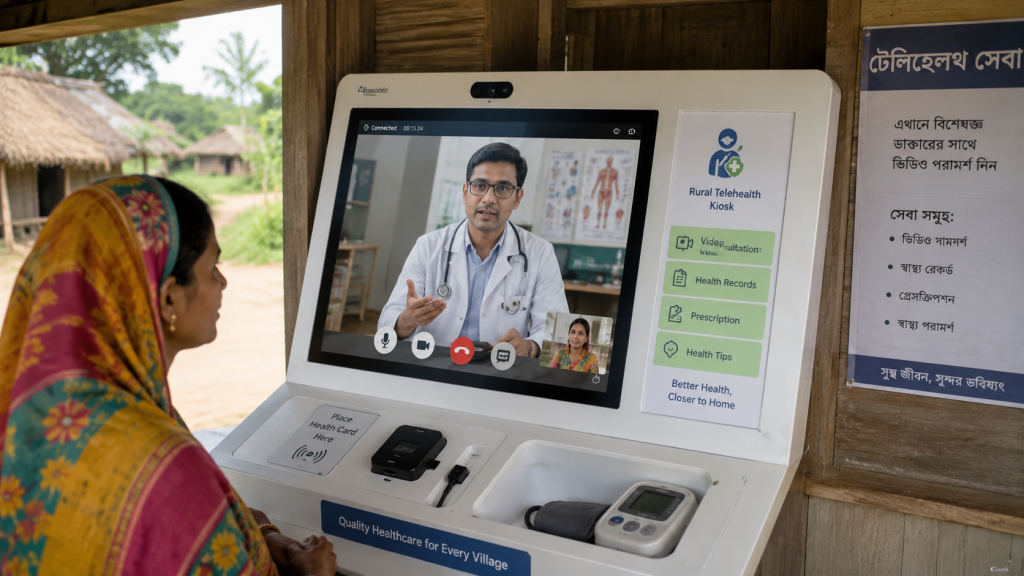
Telehealth has revolutionized healthcare in rural areas. It connects patients with doctors remotely. This technology brings medical care to hard-to-reach places.
Expanding Reach
Telehealth expands the reach of healthcare services. Rural communities often lack local medical facilities. Telehealth bridges this gap. It provides access to specialists and routine care.
- Video consultations allow face-to-face interaction with doctors.
- Remote monitoring helps manage chronic conditions.
- Online prescriptions ensure timely medication.
Technology removes geographical barriers. Patients do not need to travel long distances. This saves time and money.
Impact On Rural Health
Telehealth has a positive impact on rural health. It improves access to medical advice. Early diagnosis becomes possible. This leads to better treatment outcomes.
| Aspect | Benefit |
| Access to Specialists | Patients consult experts easily. |
| Chronic Disease Management | Remote monitoring keeps conditions in check. |
| Emergency Care | Immediate advice reduces complications. |
Telehealth reduces the need for hospital visits. This is crucial for those with limited mobility. It also helps manage mental health. Patients receive counseling from home.
Rural clinics can use telehealth to connect with urban hospitals. This collaboration improves the quality of care. It ensures patients get the best treatment available.
Telehealth prescribing is a boon for rural areas. It ensures patients receive the medications they need. This improves overall health and quality of life.
Patient Safety And Quality
Telehealth prescribing has revolutionized healthcare, providing convenience and accessibility. Yet, ensuring patient safety and quality remains paramount. This involves various measures to ensure medications are prescribed accurately and standards are maintained. Below, we explore how telehealth providers achieve these goals.
Ensuring Accuracy
Accuracy in telehealth prescribing is crucial for effective treatment. Providers use advanced software to track prescriptions. This software minimizes errors by cross-referencing patient data.
Regular audits are conducted to ensure compliance with medical guidelines. These audits help identify potential issues and correct them promptly.
Providers also rely on electronic health records (EHRs). EHRs provide a comprehensive view of a patient’s medical history. This holistic approach ensures that all factors are considered before prescribing.
Maintaining Standards
Maintaining high standards in telehealth is essential. Providers adhere to strict protocols to ensure quality care. These protocols include:
- Regular training for healthcare professionals
- Use of certified telehealth platforms
- Adherence to regulatory guidelines
A table can illustrate the key standards maintained:
| Standard | Details |
| Training | Ongoing education for updated practices |
| Certified Platforms | Use of secure, compliant software |
| Regulatory Adherence | Following national and local guidelines |
Providers also engage in peer reviews. Peer reviews help ensure consistent quality across the board. This practice involves experienced professionals reviewing each other’s work.
Additionally, feedback from patients is crucial. Providers encourage patients to share their experiences. This feedback helps improve services continuously.
Privacy And Security
Privacy and security are crucial in telehealth prescribing. Protecting patient information is a top priority for healthcare providers. Let’s explore the key aspects of data protection and confidentiality concerns in telehealth.
Data Protection
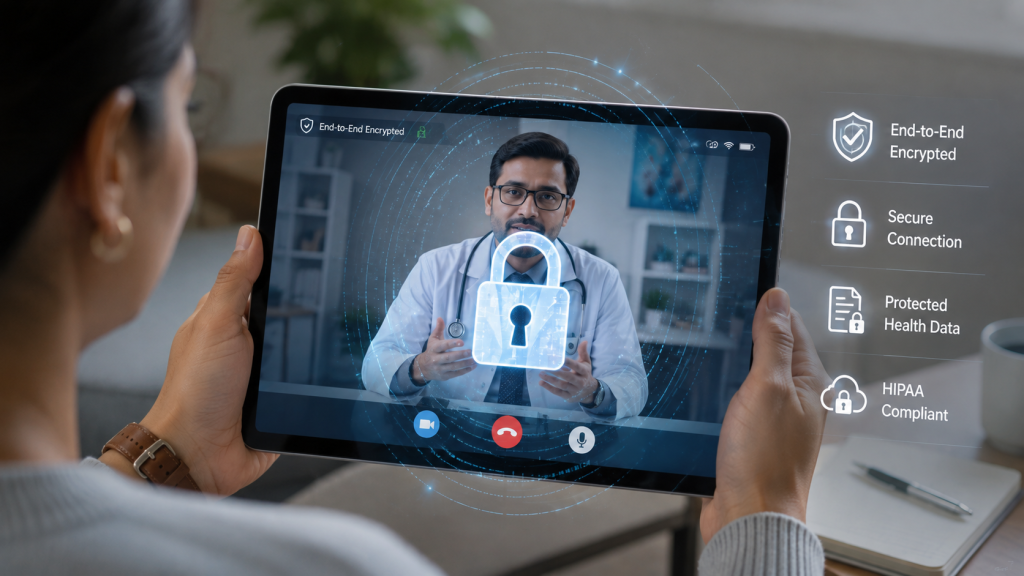
Telehealth platforms must use strong encryption to safeguard patient data. Encryption converts sensitive information into unreadable code, ensuring privacy.
Healthcare providers should use secure networks to prevent unauthorized access. Public Wi-Fi networks can be risky and should be avoided.
Regular software updates are essential for maintaining security. Updated software helps protect against new threats and vulnerabilities.
Providers should implement multi-factor authentication (MFA). MFA adds an extra layer of security by requiring multiple forms of verification.
Confidentiality Concerns
Confidentiality is a fundamental aspect of healthcare. Patients must trust their providers to keep their information private.
Telehealth platforms should have strict access controls. Only authorized personnel should have access to patient records.
Providers must educate patients about the importance of privacy. Patients should know how to protect their own data during telehealth sessions.
Healthcare professionals should use private, secure spaces for telehealth consultations. This helps ensure that conversations remain confidential.
Providers should regularly review their confidentiality policies. Keeping policies up-to-date helps maintain patient trust.
| Security Measure | Description |
| Encryption | Converts data into unreadable code |
| Secure Networks | Prevents unauthorized access |
| Software Updates | Protects against new threats |
| Multi-Factor Authentication | Requires multiple forms of verification |
| Access Controls | Limits who can access patient records |
Future Trends
The future of telehealth prescribing is bright. Technology is evolving fast. New trends are emerging to enhance patient care. Key trends include AI integration and wearable technology.
Ai Integration
Artificial Intelligence (AI) is transforming telehealth. AI can analyze large amounts of data quickly. This helps doctors make better decisions. AI-powered chatbots can answer patient questions. They can also schedule appointments.
AI can predict health issues before they become serious. This early detection can save lives. AI can also personalize treatment plans. This ensures that each patient gets the care they need. Below is a table showing AI benefits in telehealth:
| Benefit | Description |
| Data Analysis | Quickly analyzes large sets of data. |
| Early Detection | Predicts health issues early. |
| Personalized Treatment | Creates custom treatment plans. |
Wearable Technology
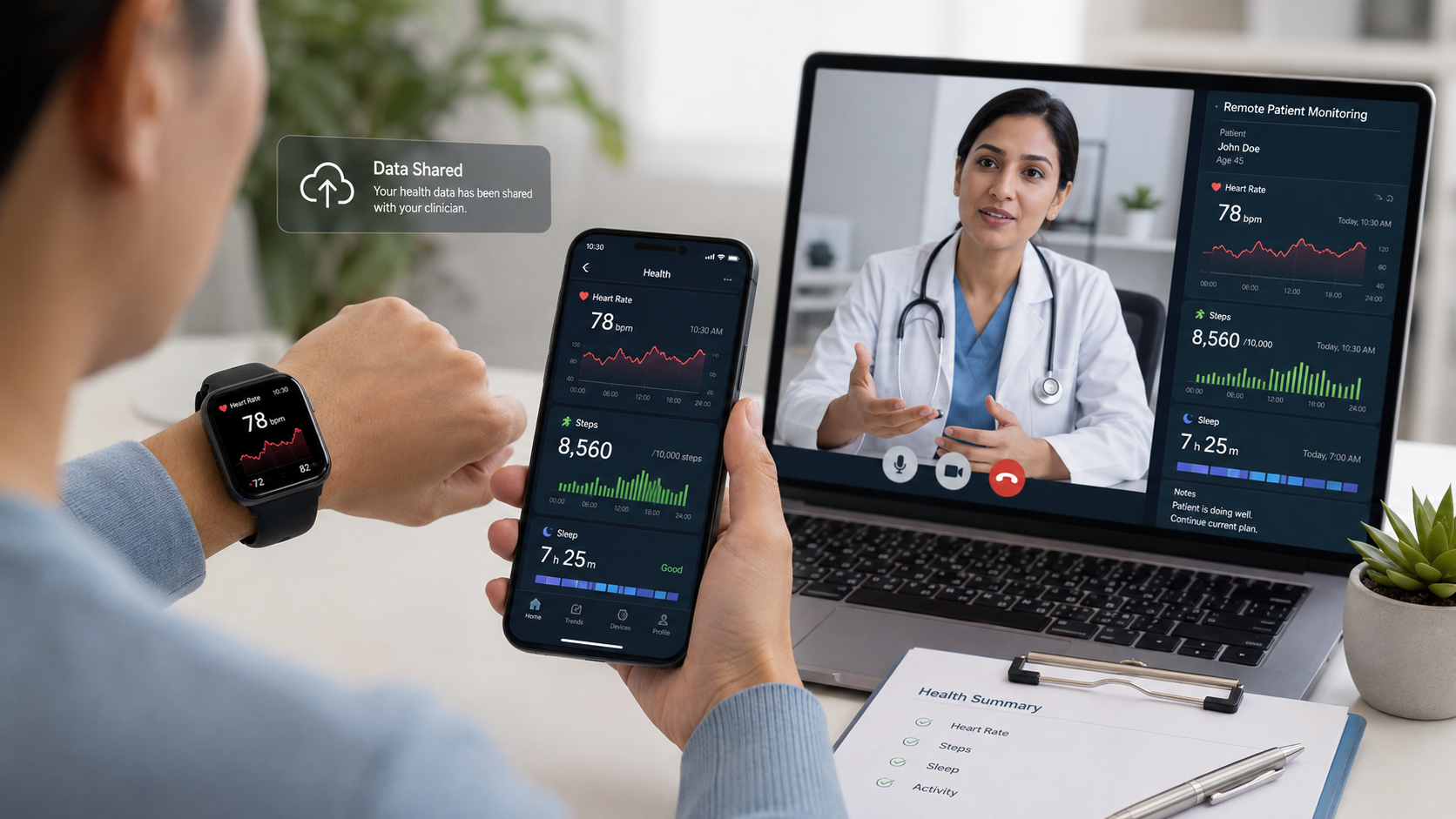
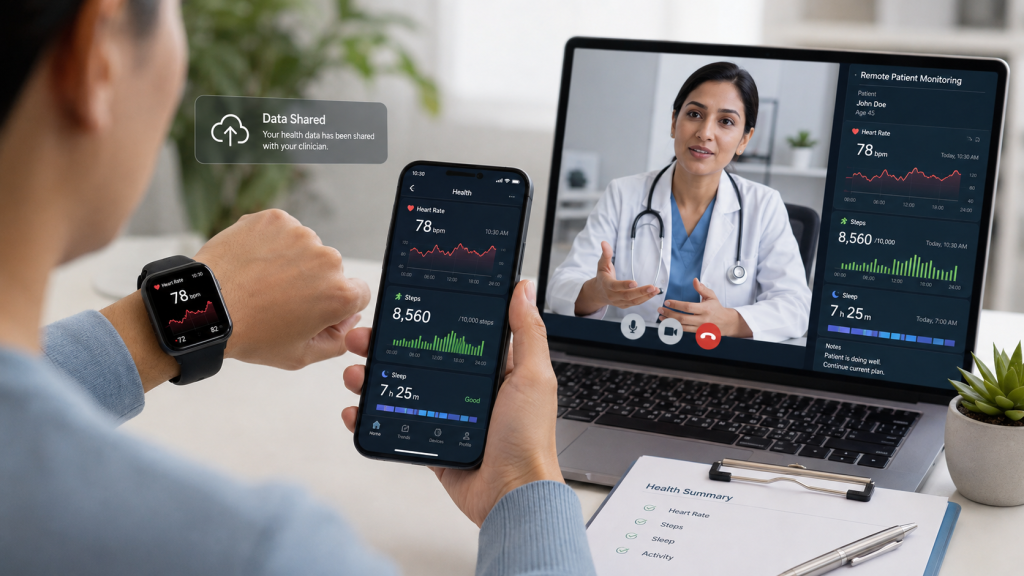
Wearable technology is another exciting trend. Devices like smartwatches can monitor health. They can track heart rate, sleep, and physical activity. Doctors can use this data to provide better care.
Wearables can alert users to potential health issues. For example, they can detect irregular heartbeats. This allows for immediate action. Some wearables can even send data directly to doctors. This real-time data sharing is crucial.
- Smartwatches
- Fitness trackers
- Health monitoring devices
Wearable technology is making healthcare more proactive. Patients are more engaged in their own health. This leads to better outcomes.
Case Studies
Telehealth prescribing has transformed healthcare delivery. Case studies reveal its impact on patients and providers. Let’s explore these real-world examples.
Successful Implementations
Many healthcare providers have embraced telehealth prescribing. These case studies highlight their success.
- ABC Clinic: Increased patient satisfaction by 40% through video consultations.
- XYZ Health: Reduced prescription errors by 25% using electronic prescriptions.
- 123 Health Services: Saved $500,000 in operational costs within one year.
| Clinic | Outcome | Key Metric |
| ABC Clinic | Increased patient satisfaction | 40% |
| XYZ Health | Reduced prescription errors | 25% |
| 123 Health Services | Saved operational costs | $500,000 |
Lessons Learned
These case studies also offer valuable lessons. Understanding these can guide future implementations.
- ABC Clinic: Invest in robust video conferencing tools.
- XYZ Health: Train staff on electronic prescription systems.
- 123 Health Services: Focus on cost-saving measures without compromising care.
Telehealth prescribing continues to grow. These case studies provide a roadmap for success.
Frequently Asked Questions
What Is Telehealth Prescribing?
Telehealth prescribing involves healthcare providers prescribing medications through virtual consultations. This method allows patients to receive prescriptions without an in-person visit. It’s convenient and efficient.
Is Telehealth Prescribing Safe?
Yes, telehealth prescribing is safe when conducted by licensed healthcare providers. They follow strict guidelines and regulations. It ensures proper patient care.
Can All Medications Be Prescribed Via Telehealth?
Not all medications can be prescribed via telehealth. Controlled substances often require an in-person visit. Always check with your provider.
How Do I Get A Prescription Through Telehealth?
To get a prescription through telehealth, schedule a virtual appointment with a healthcare provider. Discuss your symptoms and medical history. They will prescribe if appropriate.
Conclusion
Telehealth prescribing is revolutionizing healthcare, offering convenience and efficiency. Patients benefit from easier access to medical care. Doctors can provide timely prescriptions without in-person visits. Embracing telehealth ensures a modern, effective healthcare system. Please stay updated and explore telehealth options to help you better your medical experience.
Disclaimer: This is just practical info—not medical or legal advice. Always check with a licensed healthcare pro for care, and look up local laws to see what you’re allowed to get through telehealth.
Sources & further reading
- World Health Organization (WHO). Telemedicine: opportunities and developments in Member States (2010). https://www.who.int/goe/publications/goe_telemedicine_2010.pdf
- WHO. Recommendations on digital interventions for health system strengthening (2019). https://www.who.int/publications/i/item/9789241550505
- Centers for Disease Control and Prevention (CDC). Telehealth information. https://www.cdc.gov/telehealth/
- American Medical Association (AMA). Telehealth Implementation Playbook. https://www.ama-assn.org/system/files/2020-04/ama-telehealth-playbook.pdf
- NHS Digital. NHS video consulting service. https://digital.nhs.uk/services/nhs-video-consulting-service
- U.S. HHS Office for Civil Rights (OCR). HIPAA and telehealth during COVID-19 (guidance). https://www.hhs.gov/hipaa/for-professionals/special-topics/hipaa-covid19/index.html
Thanks for sharing. I read many of your blog posts, cool, your blog is very good.
Thank you for your sharing. I am worried that I lack creative ideas. It is your article that makes me full of hope. Thank you. But, I have a question, can you help me?