


After 60, These Lifestyle Changes Can Actually Protect Your Brain
There’s a version of getting older that most people dread — the gradual erosion of memory, the moments of confusion, the fear that Alzheimer’s might be somewhere on the horizon. That fear is real and understandable. But a major study published in 2025 offers something that’s genuinely worth sitting with: the choices you make in your 60s and 70s can meaningfully change how your brain ages.
Not slightly. Not negligibly. Meaningfully.
The U.S. POINTER study — one of the largest Alzheimer’s prevention trials ever conducted in the United States — tracked more than 2,000 adults between the ages of 60 and 79, all of whom had risk factors for dementia. The finding that emerged over two years of research was clear: structured lifestyle changes improved cognitive function in older adults. No medication involved. Just changes to how people ate, moved, and engaged their minds.
This is what the study found, and what you can actually do with it.

What the Study Actually Did
The POINTER study wasn’t a questionnaire or an observational study watching what people already did. It was a clinical trial — meaning researchers actively assigned participants to specific programmes and measured the results.
Two groups. Both were adults aged 60 to 79 with at least one risk factor for dementia — things like being physically inactive, eating a poor diet, having a family history of Alzheimer’s, or carrying the APOE4 gene, which increases genetic susceptibility to the disease.
One group followed an intensive, structured programme with regular group meetings, health professional check-ins, and specific targets for diet, exercise, and cognitive training. Over two years they attended 38 sessions — roughly one every three weeks. The other group took a more self-directed approach, with fewer meetings and more flexibility in how they implemented changes.
Both groups saw benefits. But the intensive group — the one with the structure, the accountability, and the specific programme — showed significantly greater improvements in cognitive function tests. Memory, attention, processing speed, executive function. Real, measurable changes in how the brain was performing.
Eighty-nine percent of participants completed the full two-year programme. That completion rate matters — it tells you that this wasn’t a punishing or unrealistic set of demands. People stuck with it.

The Four Things the Programme Focused On
1. Eating Differently — The MIND Diet
The dietary component wasn’t about restriction or calorie counting. It was about shifting toward foods that research consistently links to better brain health and away from foods that increase inflammation.
The MIND diet — which combines elements of Mediterranean and DASH eating — emphasises leafy green vegetables, berries, nuts, fish, beans, whole grains, and olive oil. These aren’t exotic or expensive foods. They’re available in any supermarket. The key is making them the foundation of meals rather than an occasional addition.
What gets reduced is equally important: red meat, butter, cheese, fried food, sweets, and processed products. Not eliminated necessarily — reduced. The MIND diet is realistic because it doesn’t demand perfection. Research has associated consistent adherence with up to a 53% reduction in Alzheimer’s risk in long-term dietary studies.
The mechanism is well understood. Antioxidants and omega-3 fatty acids reduce inflammation and oxidative stress — two processes that damage brain cells over time. Certain nutrients also support the production and maintenance of the myelin sheaths that protect nerve fibres and the synaptic connections that allow neurons to communicate.
2. Moving Regularly
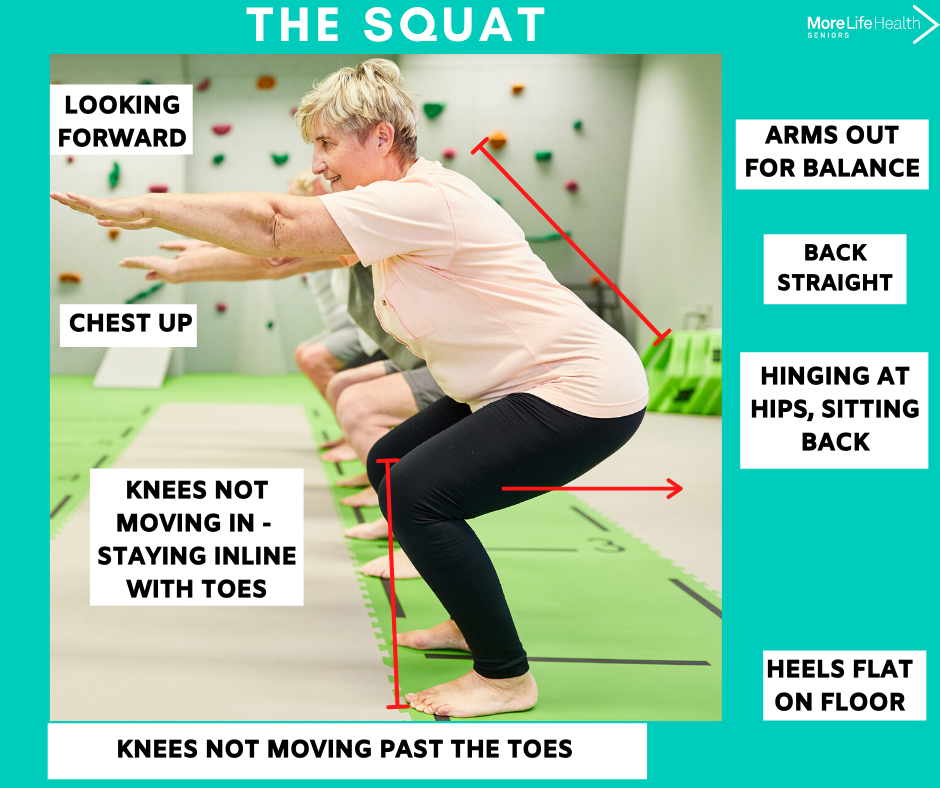
Physical activity was non-negotiable in the structured programme. Not extreme or competitive exercise — regular, varied movement that included aerobic activity, strength training, and flexibility work.
Aerobic exercise is particularly well-studied for brain health. It increases blood flow to the brain, stimulates the release of growth factors that promote neuron survival and new cell formation in the hippocampus (the brain region most involved in memory), and reduces stress hormones that can damage brain tissue over time. Walking, swimming, cycling — any sustained cardiovascular activity provides these benefits.
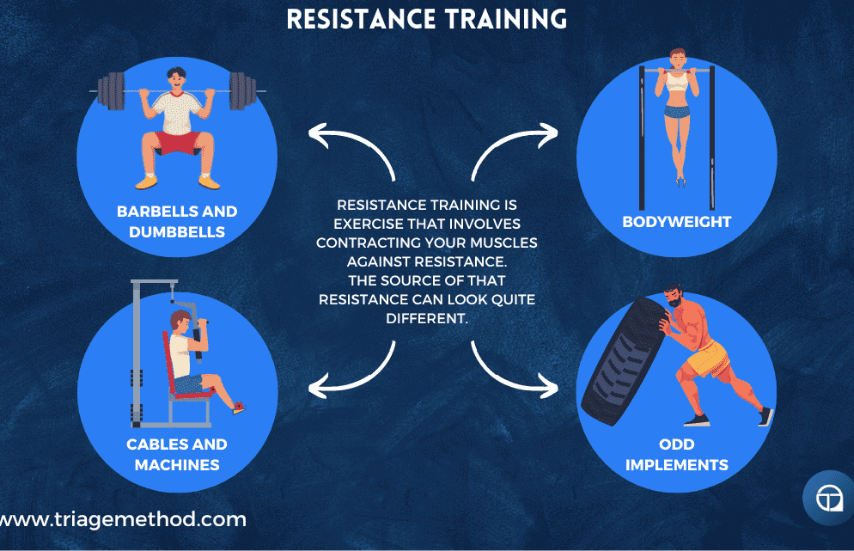
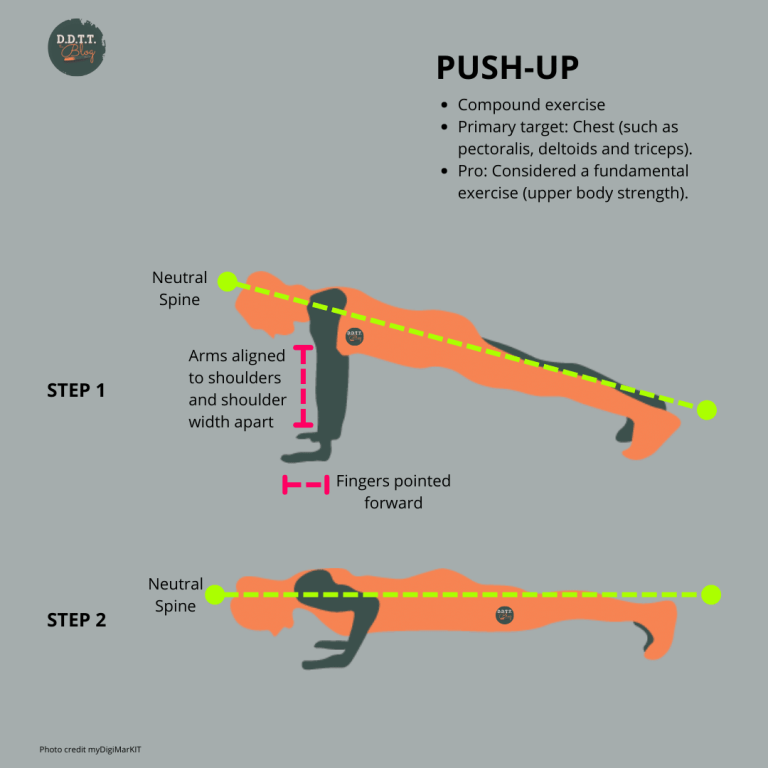
Strength training matters too, and is often overlooked in the context of brain health. Research links it to improved executive function and reduced dementia risk, possibly through anti-inflammatory effects and metabolic improvements. Two to three sessions per week of resistance work is the typical recommendation.
The POINTER participants weren’t elite athletes. They were older adults who in many cases started the programme sedentary. The message from the data is that starting — even from a low fitness baseline — produces real cognitive benefits.
3. Keeping the Mind Actively Challenged
The brain, like muscle tissue, responds to use. The concept of cognitive reserve — the brain’s ability to compensate for damage and maintain function despite age-related changes — is influenced by how much mental challenge the brain encounters throughout life.
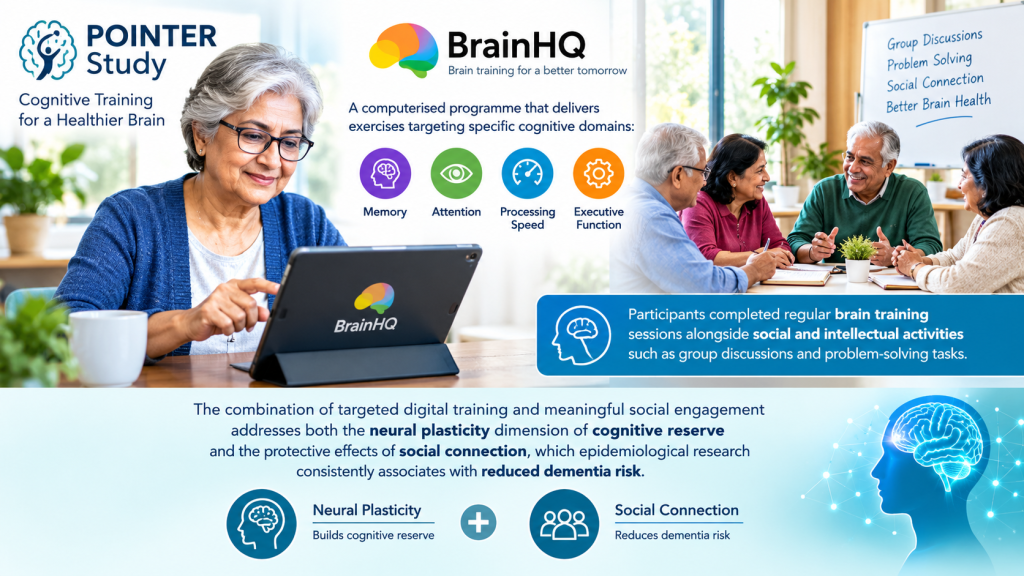
In the POINTER programme, participants used a cognitive training tool called BrainHQ, which delivers targeted exercises for memory, attention, processing speed, and executive function. These aren’t games in the casual sense — they’re calibrated to challenge specific cognitive systems in ways that generalise to real-world function.
Social engagement was treated as equally important. Group discussions, shared activities, and peer interactions aren’t just pleasant — they’re cognitively demanding in ways that solo activities often aren’t. Following a conversation, understanding social cues, responding appropriately, remembering names and context — these are complex tasks for the brain, and doing them regularly appears to be genuinely protective.
Puzzles, reading, learning new skills, playing an instrument, taking a class — any activity that requires sustained attention and genuine cognitive effort contributes to this protective effect.
4. Support and Accountability
One of the more understated findings of the POINTER study is how much the structure itself mattered. The intensive group had regular check-ins with health professionals and peer meetings throughout the two years. That accountability — knowing you’d report back, having people who were doing it alongside you — appears to have been a meaningful component of the programme’s success.
Behaviour change is hard to sustain in isolation. Having a framework, a community, and regular touchpoints makes the difference between a habit that sticks and one that fades by February. The 89% completion rate in a two-year trial is, by clinical research standards, exceptionally high — and it likely reflects this support structure.
Who Benefited — and the Answer Is Broad
One of the most important aspects of the POINTER results is the breadth of who saw improvements. Benefits appeared across sexes, ethnicities, and socioeconomic backgrounds. They appeared in people with the APOE4 gene — which significantly elevates genetic risk for Alzheimer’s. They appeared in people with existing cardiovascular conditions, which are themselves a risk factor for dementia.
This matters because it counters the fatalistic framing that often surrounds Alzheimer’s risk. Genetics and family history do increase risk — but they don’t determine outcomes in the way that many people assume. Lifestyle choices have a demonstrable effect even in people with elevated genetic vulnerability.
As Heather Snyder, a lead investigator on the study, put it: “The next generation of treatments for diseases like Alzheimer’s will likely integrate drug and non-drug strategies.” The lifestyle component isn’t a soft add-on to pharmaceutical intervention — it’s a meaningful part of the protective strategy.
It’s Not Too Late to Start
The POINTER study included adults up to age 79, and benefits were seen throughout that age range. The question of whether it’s “too late” to start — a concern many people over 70 express — is answered directly by the data: no, it isn’t.
The brain retains meaningful plasticity well into older age. New neural connections can form. Blood flow can improve. Inflammatory processes can be reduced. These biological changes are not exclusive to young brains. They require more deliberate effort to achieve after 60, but they remain achievable.
The timeline for noticing changes varies. Some cognitive improvements in the POINTER study were detectable within months. The full picture emerged over two years. Consistency matters more than intensity — sustainable habits maintained over time outperform heroic short-term efforts.
Conclusion
The U.S. POINTER study doesn’t promise to prevent Alzheimer’s. Nothing currently can make that guarantee. What it shows is that how you live in your 60s and 70s genuinely affects what happens to your brain — and that the changes required are not extreme, expensive, or requiring perfect adherence.
Eat more leafy greens and berries. Move regularly. Challenge your mind with something that actually requires concentration. Stay socially connected. These aren’t revolutionary ideas. But the evidence behind them, as demonstrated in one of the largest Alzheimer’s prevention trials ever run, is now considerably stronger.
The biology of ageing isn’t fully in your control. But a meaningful part of it is. That’s worth acting on.
Disclaimer
This article is for general informational and educational purposes only and does not constitute medical advice, diagnosis, or treatment. The U.S. POINTER study findings represent research evidence from a specific clinical trial and should not be interpreted as a guarantee of Alzheimer’s prevention or cognitive improvement for any individual. Cognitive decline and Alzheimer’s disease have multiple contributing factors, including genetics, that are not fully addressed by lifestyle interventions alone. If you have concerns about memory, cognitive function, or dementia risk, please consult a qualified healthcare provider or neurologist. Before beginning a new diet, exercise programme, or cognitive training regimen — particularly if you have existing health conditions — seek personalised medical advice.
FAQ
Sources

Health & Wellness Writer | Research-Informed Health Content Creator
A.K.M. Monjurul Hoque is a health and wellness writer specializing in health, beauty, fitness, nutrition and healthy living. His content is informed by health journals, books, seminars, training programs, and discussions with experienced healthcare professionals. He writes clear, practical and research-informed articles for general education and encourages readers to seek personalized advice from qualified medical professionals.