


Ozempic: Beyond the Scale—Unpacking the Realities of Hair Loss, Muscle Changes, and Sustainable Weight Loss
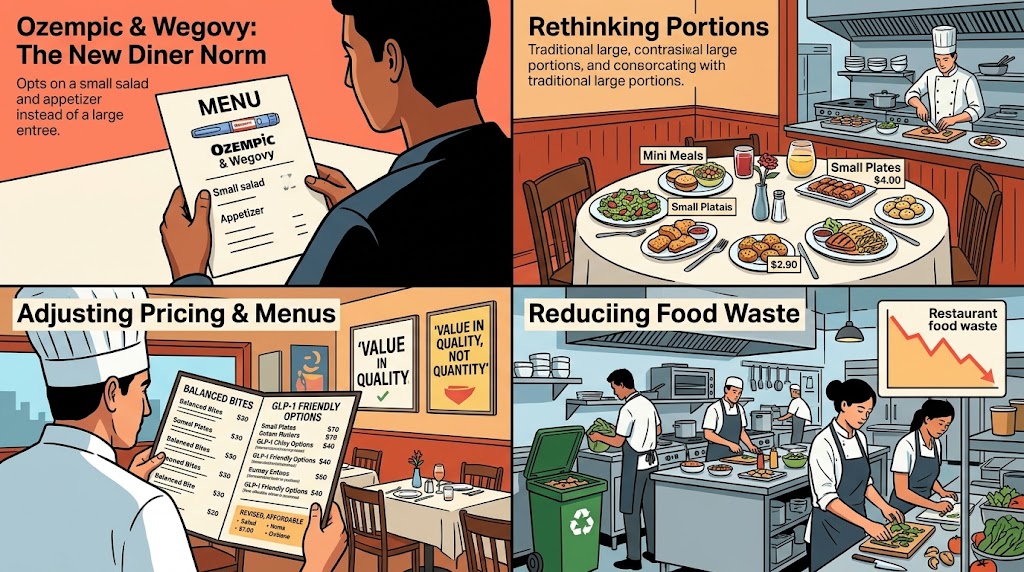
Drugs like Ozempic (semaglutide), Mounjaro (tirzepatide), and Wegovy have changed what’s possible for people managing their weight or type 2 diabetes. They work by copying hormones that regulate blood sugar and dial down appetite, and for a lot of people, the results are dramatic — more energy, more confidence, real weight loss. But as more people use these drugs, the side conversations are getting louder too. Most people have already heard about “Ozempic face,” the term for skin that looks looser or older after fast fat loss. Now the conversation is shifting toward hair — “Ozempic hair” — and toward something less talked about but arguably more important: muscle loss.
None of this comes from the drug doing something sinister on its own. It’s mostly the body reacting to how quickly things are changing.
Hair Loss: Your Body’s Way of Saying “Slow Down”
Hair is oddly sensitive to what’s going on in the rest of your body. When you lose weight fast — whether that’s from illness, a crash diet, or a medication — your hair follicles can get pushed into a resting phase. Dermatologists call this telogen effluvium, and it shows up as noticeable shedding: more hair in the shower drain, more on your brush, a general thinning you can’t ignore.
It’s not that Ozempic is attacking your hair directly. As Cleveland Clinic endocrinologist Dr. Kathy Zhou explains it, a stressor — in this case, rapid weight change — pushes more hair than usual out of its growth phase and into that resting phase. The shedding itself tends to show up two to three months after the weight loss kicks in, which is part of why people don’t always connect the dots right away.
The reassuring part: it’s usually temporary. Most people see regrowth within six to twelve months once their weight levels off and their nutrition catches up — though some dermatologists note it can stretch closer to a year and a half in certain cases.
What Actually Helps
- Get bloodwork done to check for gaps in iron, vitamin D, or zinc — deficiencies show up more easily when you’re eating less.
- Go easier on your hair day to day: volumizing products, gentler styling, and if a dermatologist recommends it, treatments like minoxidil or PRP.
- Eat enough, especially protein, and don’t skimp on water. Recovery depends on your body having the raw materials to work with.
Muscle Loss: The Part of Weight Loss Nobody Warns You About
Any time you lose weight quickly, some of what you lose is muscle, not fat — that’s true whether you’re using a GLP-1 drug or not. But with these medications, the numbers can be significant. Research on semaglutide and tirzepatide has found that lean mass — mostly muscle — can account for anywhere from roughly 25% to 40% of total weight lost, depending on the study, the person, and the dose. One Endocrine Society study put the figure at around 40% for semaglutide specifically.
That matters because losing muscle isn’t just cosmetic. It raises the risk of sarcopenia (the gradual muscle loss that comes with aging), saps strength, and can affect mobility over time — a bigger concern for older adults especially.
To be clear: Ozempic isn’t uniquely harsh on muscle compared to other fast weight-loss methods. It’s the speed of the change that amplifies the effect. The good news is that this is one of the more preventable side effects, and the fix is fairly well understood.
How to Hold Onto Your Muscle
- Eat enough protein. Aim for somewhere in the range of 60 to 100+ grams a day, from eggs, lean meat, fish, beans, or whey — whatever fits your diet.
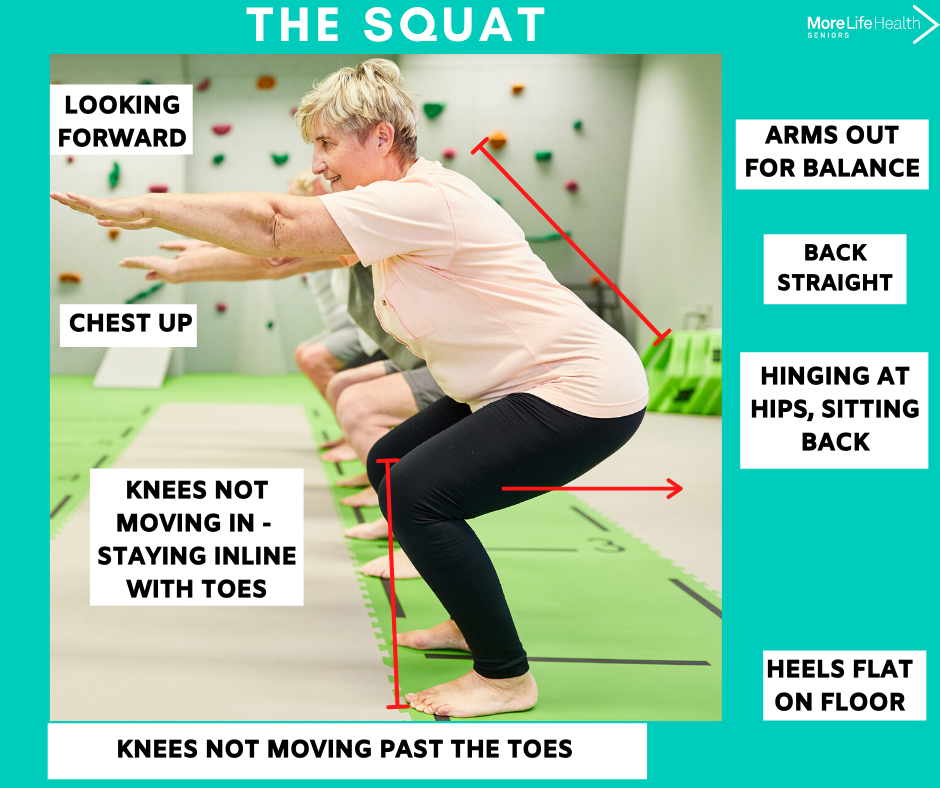
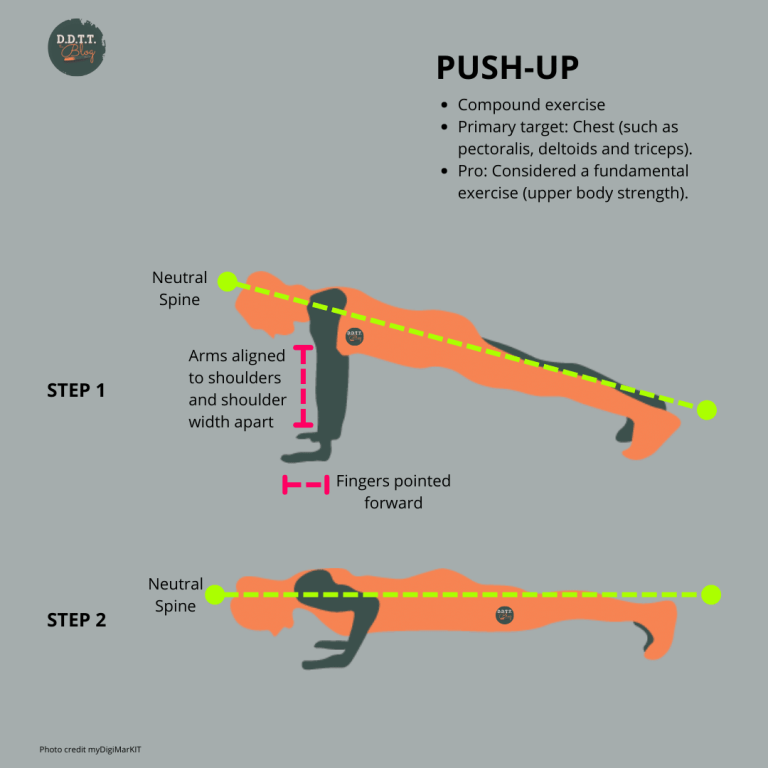
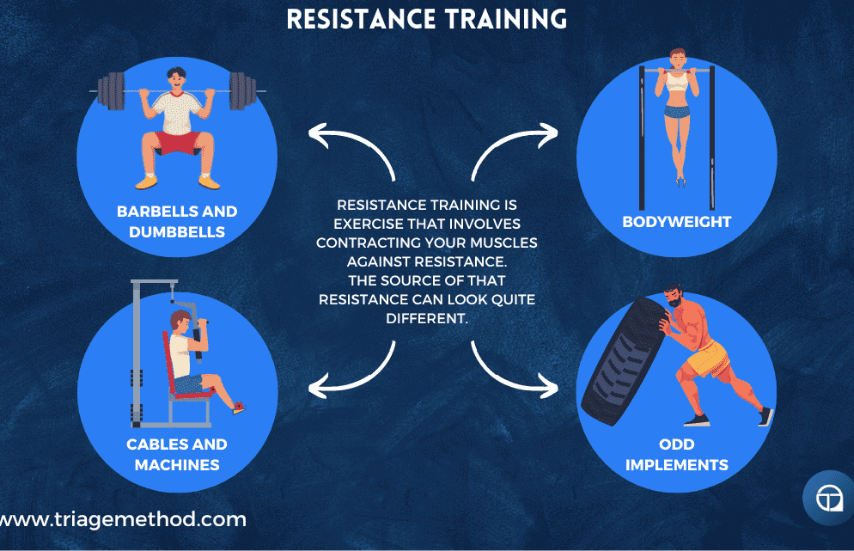
- Lift something, regularly. Two to three resistance-training sessions a week — weights, bands, or just your own bodyweight — does more to protect muscle than cardio alone. One case series found people who combined semaglutide or tirzepatide with structured resistance training and higher protein intake actually preserved, or in some cases slightly increased, their lean mass despite losing 13% to 33% of their total body weight.
- Loop in your doctor. A personalized plan beats guesswork, especially if you’re older or already managing another health condition.
The Bigger Picture: This Isn’t Just About the Number on the Scale
Ozempic and similar drugs are genuinely powerful tools — for weight, for blood sugar, for long-term health. But the number on the scale isn’t the whole story. Knowing that hair shedding and muscle loss can happen gives you a head start: you can eat with intention, keep moving, and check in with your doctor before small issues become bigger ones.
The goal isn’t just to weigh less. It’s to come out the other side stronger, with more energy, and more like yourself — not just smaller. Handled with the right strategy, these medications can get you there while keeping the downsides to a minimum.
Frequently Asked Questions
Sources
- Cleveland Clinic. “Does Ozempic Cause Hair Loss? What We Know.” https://health.clevelandclinic.org/does-ozempic-cause-hair-loss
- Healthline. “GLP-1 Drugs Like Ozempic May Cause Hair Loss — Here’s What Experts Say.” https://www.healthline.com/health-news/glp-1-drugs-may-cause-hair-loss-treatment
- Endocrine Society. “Consuming More Protein May Protect Patients Taking Anti-Obesity Drug From Muscle Loss.” ENDO 2025 press release. https://www.endocrine.org/news-and-advocacy/news-room/endo-annual-meeting/endo-2025-press-releases/haines-press-release
- “Preservation of lean soft tissue during weight loss induced by GLP-1 and GLP-1/GIP receptor agonists: A case series.” PMC. https://pmc.ncbi.nlm.nih.gov/articles/PMC12536186/
- US Dermatology Partners. “Does Ozempic Cause Hair Loss? What to Know About GLP-1 Medications and Thinning Hair.” https://www.usdermatologypartners.com/blog/does-ozempic-cause-hair-loss/
Disclaimer: This article is for general informational purposes only and does not constitute medical advice. Talk to your doctor before starting, stopping, or making changes to any GLP-1 medication or weight-loss plan.

Health & Wellness Writer | Research-Informed Health Content Creator
A.K.M. Monjurul Hoque is a health and wellness writer specializing in health, beauty, fitness, nutrition and healthy living. His content is informed by health journals, books, seminars, training programs, and discussions with experienced healthcare professionals. He writes clear, practical and research-informed articles for general education and encourages readers to seek personalized advice from qualified medical professionals.