


The 10-Minute Morning Workout That Actually Beats Summer Fatigue
Summer is supposed to be energising. More daylight, warmer weather, a slightly looser schedule. And yet somehow, it often doesn’t feel that way. The heat is draining. The social calendar is full. Work doesn’t slow down just because it’s July. By the time morning arrives, the last thing most people want to do is exercise.
Here’s what actually helps: not a long session, not a gym membership, not an elaborate routine. Ten minutes of AMRAP — done before the day gets away from you — can genuinely shift how you feel for the rest of the morning.
This article explains what AMRAP is, why it works particularly well in summer, how to structure the workout, and what to expect when you make it a consistent habit.

What AMRAP Actually Means
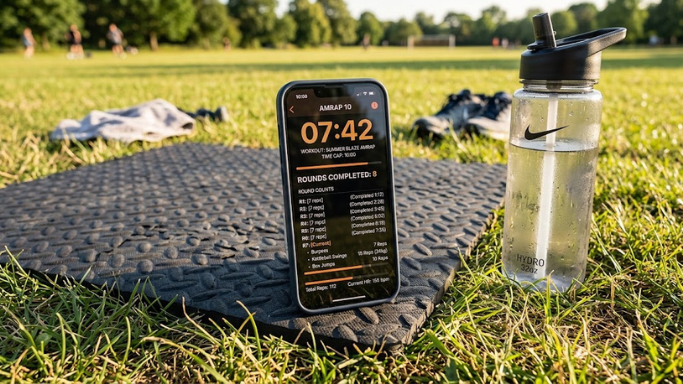
AMRAP stands for As Many Rounds As Possible. The idea is simple: you choose a short circuit of exercises, set a timer, and cycle through the circuit repeatedly until time runs out. No stopping to check your phone, no extended rest periods, just moving from one exercise to the next and counting how many complete rounds you get through.
The time limit is what makes it work. Ten minutes sounds short — because it is. But when you’re moving continuously, the brevity forces intensity in a way that an open-ended “I’ll just do some exercises” session never quite achieves. You’re racing a clock, which focuses the mind and keeps the effort consistent.
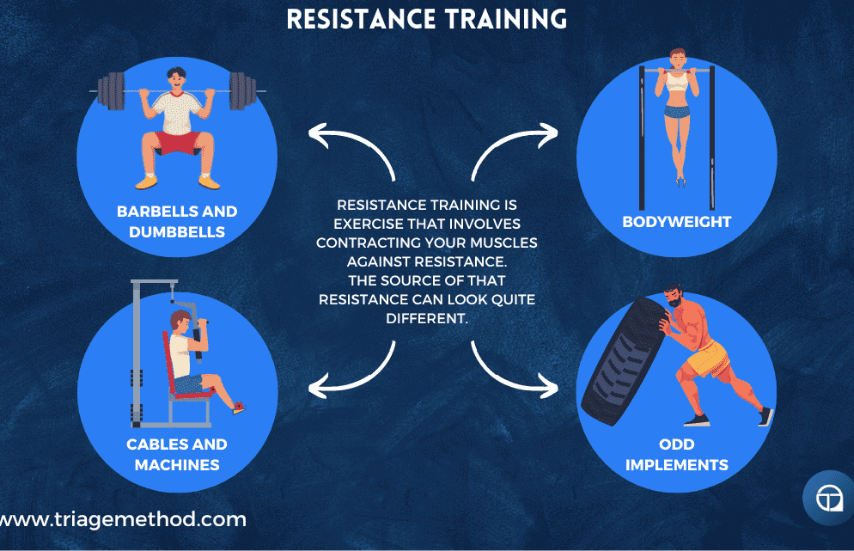
Fitness trainer Nancy Eagle, who has designed similar routines for summer fitness challenges, describes the format straightforwardly: “Pick six simple bodyweight moves, do 12 reps of each one after another, and repeat the circuit as many times as possible in 10 minutes. You can do this anywhere — your living room, backyard, or even a hotel room.”
That accessibility is significant. Summer disrupts routines. You travel, visit family, stay somewhere unfamiliar. A workout that needs nothing except your body and a timer goes wherever you do.

Why This Works Particularly Well in Summer
The problem with summer motivation isn’t laziness — it’s that the usual conditions for exercise disappear. It’s too hot to run at noon. The gym feels like an obligation rather than a destination. Mornings are already busy. And the mental barrier of committing to a long session makes it easy to skip entirely.
A 10-minute AMRAP sidesteps most of these objections.
It’s short enough to actually do. The most effective workout is the one you do consistently, not the optimal one you keep putting off. Ten minutes in the morning, before the heat builds and before the day’s demands take over, is achievable on almost any schedule.
It produces an energy lift, not a crash. High-intensity bursts of movement release endorphins and increase circulation, which counters the heavy, foggy feeling that heat and disrupted sleep patterns often produce in summer. Many people find that morning AMRAP leaves them feeling more alert and focused for the next few hours than a cup of coffee does.
It builds genuine fitness. The format develops both muscular endurance and cardiovascular conditioning simultaneously. Over weeks, the number of rounds you complete in 10 minutes increases — which is a concrete, trackable measure of fitness improvement that most longer, less structured workouts don’t provide.
It scales naturally. Beginners complete fewer rounds at a modified pace. Fitter people push harder and finish more circuits. The same workout serves both without anyone needing to modify the format itself.
How to Structure the 10 Minutes
The format is consistent regardless of which exercises you choose:
Before you start — 2 to 3 minute warm-up. Marching in place, arm circles, hip rotations, leg swings. Nothing strenuous — just enough to raise your body temperature and get the joints moving before intensity increases. Skipping this is how morning workouts produce unnecessary soreness or strain.
The circuit — 12 reps of each exercise, back to back. Move from one exercise immediately to the next without stopping. Rest only when you’ve completed all six exercises in a round, and keep that rest brief — 15 to 20 seconds at most before starting the next round.
The timer runs for 10 minutes. Count your completed rounds.
After time — write down your round count. That number becomes your benchmark. Next session, you’re trying to match or beat it.
A practical six-exercise circuit:
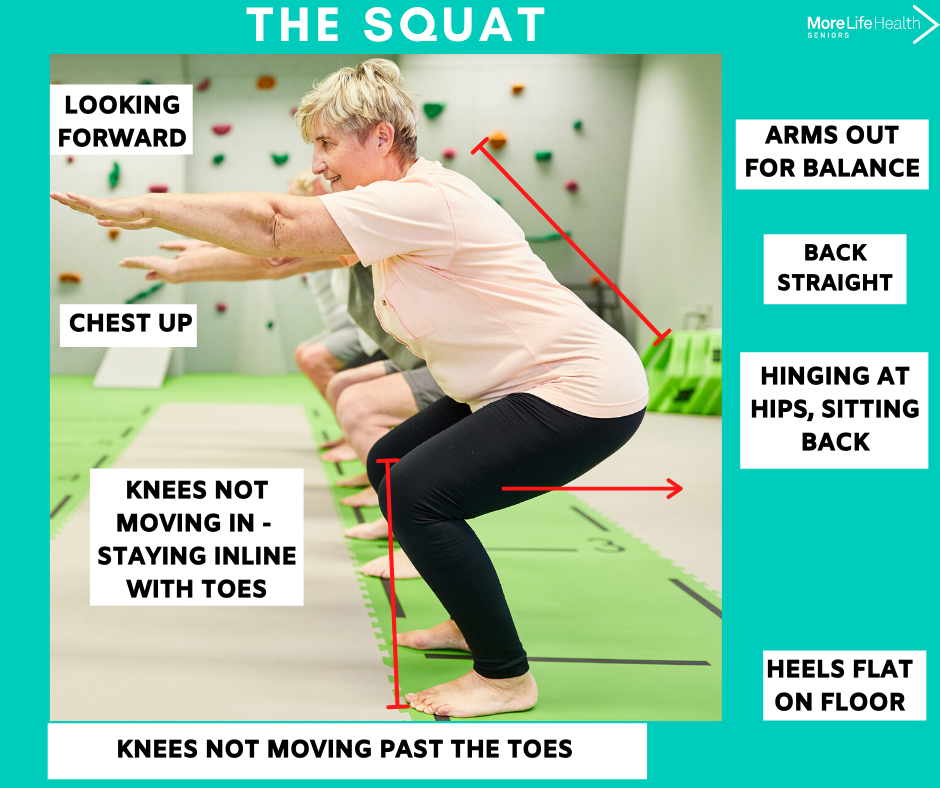
Squats — 12 reps. Feet shoulder-width, lower until thighs are parallel to the floor, drive back up through the heels.
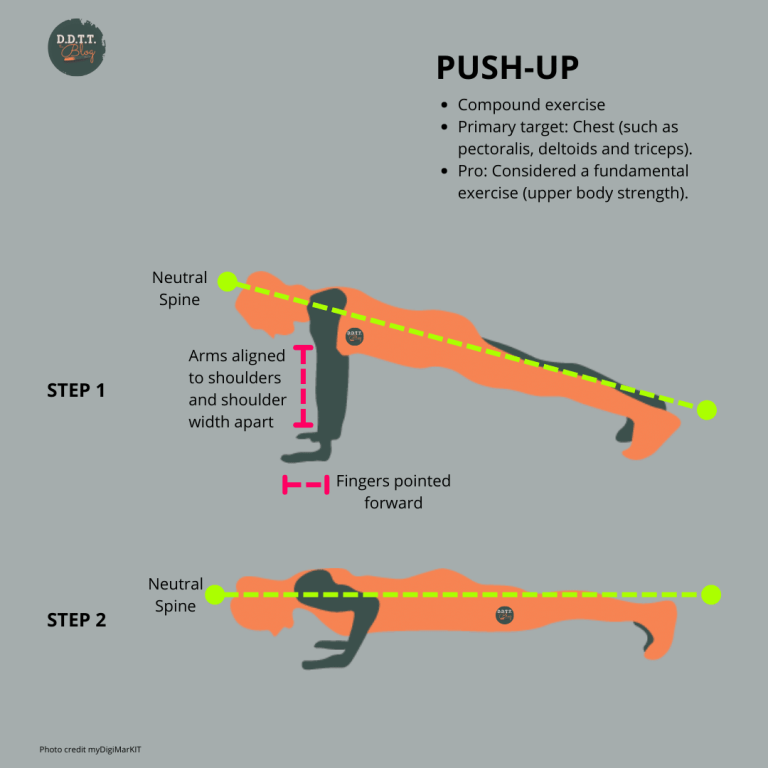
Push-ups — 12 reps. Hands slightly wider than shoulder-width, body in a straight line from head to heels. Knee push-ups are a completely valid modification.
Reverse lunges — 12 reps each leg (or 12 total, alternating). Step back rather than forward to reduce knee stress.
Mountain climbers — 12 reps each leg. Plank position, alternate driving knees toward chest rapidly.
Burpees — 12 reps. The most demanding exercise in the circuit — step out instead of jumping if needed.
Plank hold — 30 seconds in place of 12 reps, or 12 shoulder taps from plank position.
This sequence hits lower body, upper body pushing, core, and cardiovascular conditioning in each complete round.
What Beginners Should Know
If you haven’t exercised regularly for a while, the first few sessions of any AMRAP will feel harder than expected. That’s normal and not a sign that something is wrong.
Start with modified versions of the exercises. Knee push-ups instead of full push-ups. Step-back lunges instead of reverse lunges with drive. Step-out burpees instead of jump burpees. The point isn’t to prove anything in the first session — it’s to complete the 10 minutes safely and build from there.
Most beginners complete three to four rounds in 10 minutes when starting. Fitter individuals might complete five or more. Neither number matters in isolation — what matters is that the number increases over time as you become more conditioned.
Rest when you genuinely need to within the 10 minutes. As you improve, those rest moments will become shorter and less frequent.
The Mental Side of It
There’s something that happens when you exercise against a clock that’s different from open-ended training. The finite nature of it — ten minutes, starting now — reduces the mental resistance to beginning. You’re not committing to an hour. You’re committing to ten minutes.
Once the timer is running, the focus becomes simpler. Get through the round. Start the next one. Keep going until it ends.
That mental pattern — starting despite low motivation, pushing through discomfort to a defined endpoint, finishing something you started — builds a kind of mental durability that extends beyond the workout itself. Summer brings genuine chaos: unpredictable plans, heat, disrupted sleep, competing demands. A daily morning habit that you complete regardless of conditions builds a quiet confidence in your own follow-through.
Conclusion
The 10-minute AMRAP isn’t a substitute for a comprehensive fitness programme if that’s what you want. But as a daily morning habit for maintaining fitness, energy, and mental focus through a season when routines typically fall apart — it’s one of the more practical options available.
It requires no equipment. It takes ten minutes. It works in any space. And the progress metric — rounds completed — is concrete enough to keep you engaged over time.
Start tomorrow morning. Two minutes of movement to warm up, ten minutes of work, write down your rounds. Do it again the day after. Within two weeks, you’ll have a number that motivates you simply by existing.
Disclaimer
This article is for general informational and educational purposes only and does not constitute medical advice. Before beginning any new exercise programme — particularly high-intensity formats like AMRAP — consult a qualified healthcare provider if you have existing health conditions, cardiovascular issues, joint problems, or if you have been sedentary for an extended period. Stop exercising immediately if you experience chest pain, dizziness, significant joint pain, or difficulty breathing. The exercise descriptions in this article are general guidance and not a substitute for instruction from a qualified fitness professional. Individual fitness levels vary, and the intensity of AMRAP workouts should be adjusted to suit personal capacity and health status.
FAQ
Sources

Health & Wellness Writer | Research-Informed Health Content Creator
A.K.M. Monjurul Hoque is a health and wellness writer specializing in health, beauty, fitness, nutrition and healthy living. His content is informed by health journals, books, seminars, training programs, and discussions with experienced healthcare professionals. He writes clear, practical and research-informed articles for general education and encourages readers to seek personalized advice from qualified medical professionals.